
When someone types "dog breed identifier" into a search bar they usually want a reliable, fast way to answer a simple question: what breed (or mix) is this dog? They expect an image-based result, clear visual cues, and guidance on accuracy. This guide explains how visual identification works, what to look for in the field, how to use AI tools like Orvik, and how to avoid common mistakes.
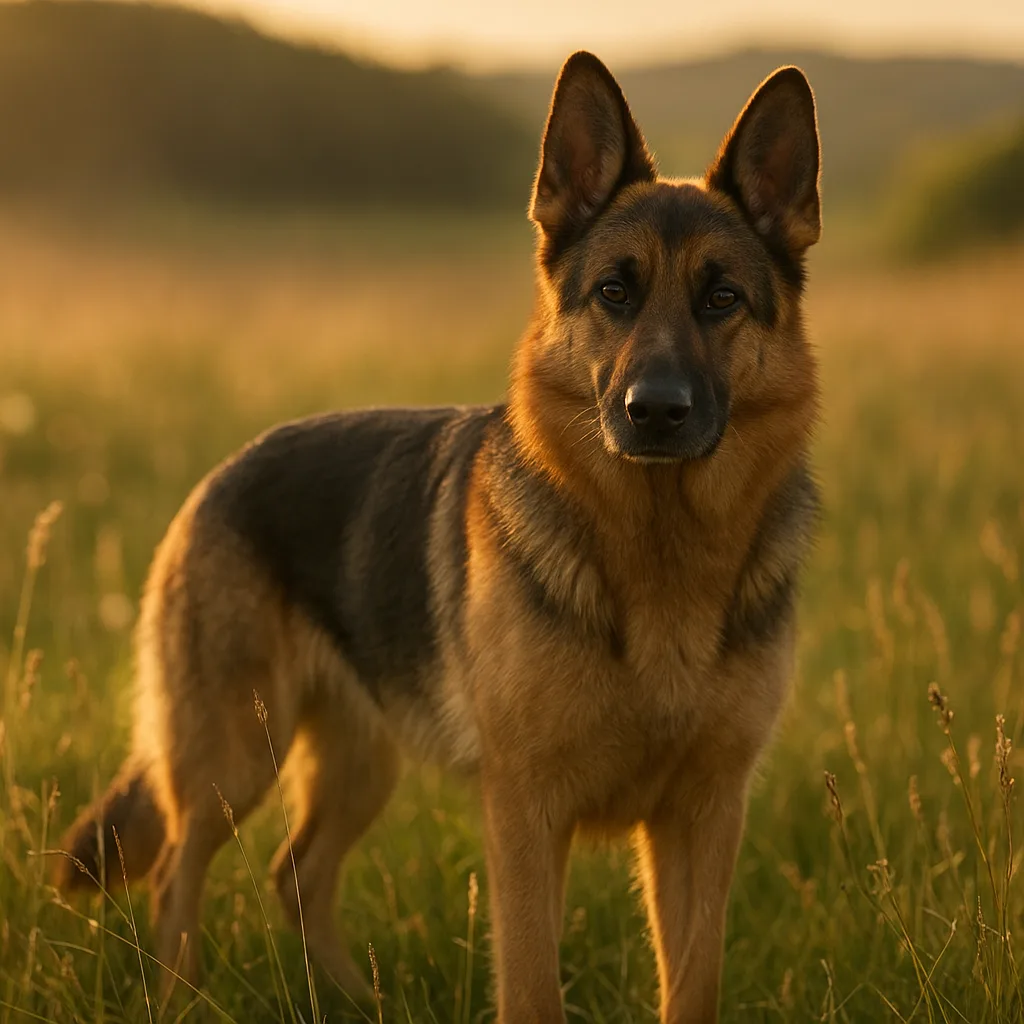
Why people use a dog breed identifier
Search intent is usually practical: identify a found dog, settle a curiosity about a pet’s ancestry, comply with breed-specific rules, or learn care needs linked to breed. A modern dog breed identifier answers with speed and context.
- Found dogs or strays: identify quickly to reunite or report.
- Adoption & rescue: estimate adult size, temperament, and health risks.
- Legal and housing reasons: some landlords and insurers ask about breed.
- General curiosity: sports, breeding, and historical interest.
How visual identification by picture works
AI-powered apps use convolutional neural networks trained on tens of thousands of labeled images to spot visual patterns. They consider proportions, coat texture, ear shape, tail carriage, and facial structure. But there are limits: mixed breeds, puppies, and poor-quality photos reduce accuracy.
What an algorithm looks at
- Silhouette and proportions: height at shoulder, body length, limb ratio.
- Head shape: brachycephalic (short muzzle) vs. dolichocephalic (long muzzle).
- Coat type: single vs. double coat, curly vs. straight; length in millimeters can be approximated visually.
- Color and patterns: solid, parti, merle, brindle, saddle, tuxedo markings.
- Distinctive features: erect vs. drop ears, curled vs. straight tail, facial masks.
Accuracy and caveats
- Puppies often lack adult coloration and proportion — accuracy can be 30–60% lower until 6–12 months.
- Mixed-breed dogs may show traits from several breeds; AI gives probabilistic matches rather than certainties.
- Photo quality: well-lit, close-up, multiple angles improve confidence. Avoid extreme fish-eye or motion blur.
Tools like Orvik combine image recognition with metadata (location, age estimate) to improve predictions. Orvik can also suggest likely mixes and show examples for comparison.
Practical visual ID tips: what to look for
A field expert identifies breeds by a combination of measurements and visual cues. Below are practical checks you can do from a photo or in person.
Size and proportions
- Measure or estimate height at withers (shoulder). Typical ranges: small (<35 cm), medium (35–55 cm), large (55–70+ cm).
- Weight ranges: toy breeds (2–5 kg), small (6–12 kg), medium (13–25 kg), large (26–45 kg), giant (>45 kg).
- Body ratio: leg length to body length indicates sighthounds (long legs, deep chest) versus terriers (shorter legs, compact).
Head, muzzle, and skull
- Brachycephalic breeds (Pug, Bulldog) have short, wide muzzles and prominent facial folds.
- Dolichocephalic breeds (Greyhound, Borzoi) have long, narrow muzzles and a tapered skull.
- Mesocephalic dogs (Labrador retriever, German Shepherd) are intermediate; examine skull width vs. muzzle length.
Ears, eyes, and facial markings
- Erect ears often appear in Spitz and working breeds (Canis lupus familiaris lineage into Arctic breeds).
- Drop ears are common in scent hounds and many companion breeds.
- Eye color and shape: blue eyes are typical in Siberian Huskies; amber or brown in many other breeds.
- Facial masks, spectacles, or distinct eyebrow markings are diagnostic for some breeds.
Coat type and pattern
- Single coats lack an insulating undercoat; common in breeds like the Dalmatian and Greyhound.
- Double coats have a soft undercoat and coarse guard hairs (e.g., Siberian Husky, Alaskan Malamute). These breeds often "blow" undercoat seasonally (spring and fall).
- Curl vs. wave: Poodles and Portuguese Water Dogs have tightly curled coats; an Irish Water Spaniel has distinct liver-colored curls.
- Patterns: merle (mottled patches), brindle (striped), sable, parti-color (distinct blocks), and ticked (small spots).
Tail and gait
- Tail carriage: curled high (Akita, Pomeranian), saber-shaped, or low and straight.
- Gait: a smooth, ground-covering trot suggests herding or sighthounds; a choppy, high-step gait can indicate terrier types.
Comparison guide: how to tell common lookalikes apart
Many requests for a dog breed id stem from confusion between visually similar breeds. Below are side-by-side cues with precise differentiators.
Labrador Retriever vs Golden Retriever
- Coat: Labrador — short, dense, water-resistant double coat (10–28 mm hair). Golden — longer (45–80 mm), feathering on legs and tail, often wavier.
- Head: Labrador has a broader head and thicker muzzle; Golden’s head is slightly narrower with softer expression.
- Color: Labs are solid black, yellow, or chocolate; Goldens range from light cream to deep gold and rarely solid black or chocolate.
Siberian Husky vs Alaskan Malamute
- Size: Husky 50–60 cm at shoulder, 16–27 kg; Malamute 58–64 cm, 34–45+ kg.
- Face: Malamutes have a broader skull and more pronounced stop; Huskies often have striking facial masks and can have blue eyes.
- Tail: Husky tail carried sickle-shaped over the back when alert; Malamute tail is plumed and carried over the back in a loose curl.
American Pit Bull Terrier vs Staffordshire Bull Terrier vs American Bully
- Size and build: Staffordshire is compact (35–41 cm), muscular; Pit Bull types vary 43–53 cm and are leaner; American Bully is heavier, broader chest, shorter legs.
- Head: Bully types have a broader skull and shorter muzzle; classic Pit-type has a longer muzzle relative to skull width.
- Legal note: many jurisdictions use visual identification for breed-specific legislation; always combine multiple features and, when necessary, seek genetic testing.
How to use apps and Orvik effectively
Apps like Orvik bring AI to your pocket, enabling dog breed identification by picture in seconds. To get the best results, follow these practical steps:
For more on this topic, see our guide on Which Dog Breed Fits You Best?.
- Take multiple photos: full-body side profile, head-on face, and a close-up of coat detail.
- Ensure good lighting: natural daylight without harsh shadows is ideal.
- Show scale: a familiar object (ruler, doorframe) or a person’s leg helps the app estimate size.
- Include behavioral clips if possible: gait and tail carriage help differentiate breeds.
Orvik combines visual analysis with regional breed prevalence and optional owner-provided information (age, weight). That additional data improves breed probability scores. Orvik also supports cat breed identification and can perform cat breed identifier by picture tasks, which is useful when you encounter both species and need identification quickly.
Interpreting results
- Probabilities: the app will return a top match and several lower-probability candidates — treat these as hypotheses, not diagnoses.
- Confidence threshold: treat identifications above ~80% confidence as strong; 50–80% as tentative; below 50% as suggestive only.
- Mixed breeds: Orvik may report multiple likely breeds with percentage contributions; these are statistical estimates based on visual features.
Special considerations: mixed breeds, puppies, regional variants
Not all dogs fit textbook breed standards. Many are mixed, and some purebred dogs deviate from standards due to selective breeding, environment, or health issues.
- Mixed-breed dogs: expect composite features; DNA testing is the gold standard for ancestry but has its own limitations (reference database dependent).
- Puppies: proportions change rapidly. Expect adult head shape, coat, and coloration to emerge between 4–12 months.
- Regional variants: working strains vs. show strains often differ in size and coat; e.g., Scandinavian herding dogs may be larger and thicker-coated than their southern counterparts.
Seasonal behavior and coat changes also matter. Double-coated breeds shed their undercoat in spring and fall, which can temporarily obscure typical appearance. Working breeds may have muscular definition depending on activity level and diet.
Safety, health, and legal notes
Identifying a dog’s breed can have health and safety implications. Here are important warnings and considerations.
- Brachycephalic breeds (e.g., English Bulldog, Pug) are prone to brachycephalic obstructive airway syndrome (BOAS). Avoid strenuous exercise in hot weather; monitor respiratory distress.
- Sighthounds (Greyhounds, Whippets) have low body fat and different drug sensitivities — they can be more susceptible to anesthetics and certain medications.
- Some breeds are predisposed to specific conditions: hip dysplasia in German Shepherds and large breeds, progressive retinal atrophy in several purebreds, and mitral valve disease in Cavalier King Charles Spaniels.
- Dietary and toxin warnings: chocolate, xylitol (in gum/some peanut butters), onions, grapes/raisins are toxic to dogs. Keep veterinary emergency contacts handy if identification reveals breed-specific vulnerabilities or size-related dosing needs.
- Legal: breed-specific legislation (BSL) exists in many jurisdictions. Visual ID alone can trigger restrictions; when legality matters, seek combined evidence (DNA, vet assessment, original documentation).
Cat breed identification: brief guide and cross-species tips
While this guide targets dog breed identifiers, many users also want cat breed identification or a cat breed identifier by picture. Cats are similar in that visual cues (coat, ear shape, tail, body proportions) matter, but there are fewer distinct official breeds and more subtle variation.
You may also find our article on Identify Snakes Fast: Field-Proven Tips helpful.
- Scientific name: Felis catus. Breed markers include coat color genetics (e.g., agouti, non-agouti), tabby patterns (mackerel, classic, ticked), and long vs short hair.
- Distinct breeds: Siamese (long, svelte, color points), Maine Coon (large, tufted ears, bushy tail), Persian (brachycephalic face, long coat), Sphynx (hairless, wrinkled skin).
- Puppy vs kitten: kittens can change pattern and color after several months; lynx points and colorpoints often appear with age.
Orvik supports cat breed identification as well, using many of the same AI techniques. For best results, provide clear full-body and face shots and note region of origin if known—coat genetics have geographical patterns.
Conclusion
People searching for a dog breed identifier want fast, reliable visual answers and practical next steps. Image-based tools like Orvik make that possible by combining AI image recognition with contextual data. Use good photos (multiple angles, scale references), understand the limits (puppies, mixed breeds), and treat app results as informed suggestions rather than definitive proof. When accuracy matters—for legal reasons, medical dosing, or pedigree claims—follow up with a veterinarian or genetic test. With careful observation and the right tools, identifying a dog or cat’s likely breed becomes an achievable, evidence-based process.
FAQs
How accurate is a dog breed identifier app?
Accuracy varies: for clear photos of adult purebreds, AI can exceed 80–90% accuracy. For mixes, puppies, or poor images, accuracy drops; combining app results with owner history or DNA testing gives better certainty.
Can Orvik identify mixed-breed dogs?
Yes. Orvik provides probabilistic breed mixes and shows candidate breeds with confidence levels. Mixed identifications are statistical estimates and can be complemented by genetic testing.
You might also be interested in Identify Plants Fast: Expert Guide to Free Apps.
Is a photo enough to legally identify a dog’s breed?
Not always. Many legal contexts require more evidence than a single photo. Visual ID can be used as preliminary evidence, but DNA testing or expert veterinary assessment may be required for legal rulings.
How should I take photos for the best results?
Take multiple shots: side profile (full body), head-on face, close-up of coat texture, and a short video of gait. Use natural light and include a scale reference (person or common object).
Related reading: Dolphin Diets: What They Eat and Why.
Can the same app do cat breed identification?
Yes. Many image-ID apps, including Orvik, support cat breed identification by picture. Cats have fewer, subtler breed markers, so clear photos and multiple views remain important.
When should I use DNA testing instead of an app?
Use DNA testing when you need definitive ancestry information (for breeding, medical risk profiling, or legal determinations). Apps are faster and cheaper but probabilistic; DNA provides a genetic breakdown against reference panels.
Do seasonal coat changes affect identification?
Yes. Double-coated breeds develop thicker undercoats in winter and shed in spring/fall; this can alter visible texture and apparent size. Try to get photos outside of heavy shedding periods for best results.
Are there privacy concerns with using photo-based ID apps?
Check the app’s privacy policy. Many apps, including Orvik, anonymize images and offer options for local-only processing. Avoid uploading images you don’t own or that reveal private locations if privacy is a concern.
Frequently Asked Questions
- How accurate is a dog breed identifier app?
- For clear photos of adult purebreds, AI can exceed 80–90% accuracy. Accuracy drops for mixed breeds, puppies, or low-quality images; combine app results with history or DNA testing for certainty.
- Can Orvik identify mixed-breed dogs?
- Yes. Orvik returns probabilistic breed mixes and ranks candidate breeds with confidence scores. These are statistical estimates and can be complemented by genetic testing.
- Is a photo enough to legally identify a dog’s breed?
- Not always. Legal contexts may require DNA tests or expert veterinary assessments. Visual ID is useful preliminary evidence but may not suffice for regulations or court cases.
- How should I take photos to improve identification?
- Take multiple images: a full-body side profile, head-on face, close-up of coat texture, and a short gait video. Use natural light and include a scale reference (person or object).
- Can the same app identify cat breeds by picture?
- Yes. Many apps, including Orvik, offer cat breed identification by picture. Cats have fewer distinct breeds, so clear photos and multiple views are especially important.
- When should I choose DNA testing over an app?
- Choose DNA testing when you need definitive ancestry (breeding decisions, medical risk profiling, or legal proof). Apps are faster and cheaper but provide probabilistic results.
- Do seasonal coat changes affect visual identification?
- Yes. Double-coated breeds grow thicker coats in winter and shed in spring/fall, which can change appearance. For consistent results, photograph outside heavy-shedding periods when possible.