

Plants
Identify flowers, trees, succulents, mushrooms, and more with a single photo.

Sycamore Tree Identification: Bark, Leaves and Seed Balls
Sycamore tree identification: patchy white bark, large alternate leaves and round seed balls, plus how to tell sycamores from London plane and sycamore maple.
June 21, 2026Elm Tree Identification: Leaves, Bark and Seeds
June 21, 2026 Tree IDCottonwood Tree Identification: Leaves, Bark and Cotton
June 21, 2026 Tree IDHackberry Tree Identification by Bark, Leaves and Fruit
June 21, 2026 Tree IDGreen Fruit Tree Identification: Naming a Tree from Its Fruit, Nut or Seed
June 21, 2026All articles

Trees With Thorns Identification: Thorns, Leaves, Pods and Bark
Practical trees with thorns identification guide: visual cues, species profiles, safety tips, and photo techniques to tell thorny trees apart in the field.
June 21, 2026
Birch Tree Identification by Leaf: Telling the Common Birches Apart
Birch tree identification made simple: spot species by bark, leaves, buds and catkins; includes measurements, habitats, safety notes, and a field checklist.
June 21, 2026
Dogwood Tree Identification: Leaves, Bracts, Fruit and Bark
Dogwood tree identification: opposite leaves with curving veins, white bracts, red or raspberry-like fruit and blocky bark, plus look-alikes and winter clues.
June 21, 2026
Is This a Willow? Willow Tree Identification by Leaf, Bud and Bark
Master willow tree identification with clear leaf, bark, bud and habitat cues. Learn measurements, seasonal signs, look-alikes, and how to check a hybrid.
June 21, 2026
Acer Leaf Identification: Telling Maple Species Apart by Their Leaves
acer leaf identification: Identify maple leaves by shape, size, color, season, and habitat, and get a second opinion from a leaf photo with Orvik.
March 13, 2026
Lily Botanical Name: Lilium, Its Species and the False Lilies
Get the botanical name of lily (Lilium) and quick ID for 8 common species, habitat, toxicity notes, and simple photo tips to tell true lilies apart.
March 11, 2026
Money Plant Scientific Name: Epipremnum aureum, Pachira and Others
Find the botanical name of money plant and ID Epipremnum, Pachira and regional money species with a photo-ready checklist, habitat tips and safety notes.
March 10, 2026
Types of Weeds With Names: Broadleaf, Grassy, Sedge and Vine Weeds
Types of weeds with names: broadleaf, grassy, sedge and vine weeds of lawns and yards, with visual cues, habitat, season and the look-alikes to check.
March 8, 2026
PictureThis App: How the Picture This Plant Identifier Works
The picture this plant identifier app explained: how PictureThis works, what is free and paid, photo tips, toxic look-alikes, and how it compares with iNaturalist.
March 6, 2026
Flower Identification App: How to Find Out What Flower This Is
flower identification app that uses AI photos. Get accurate IDs, visual tips, habitat notes, seasonal cues, and safety warnings for wildflowers and garden plants.
March 6, 2026
How to Identify Mushrooms: Cap, Gills, Spore Print and Look-Alikes
Identify mushrooms by cap, gills, stem base, spore print and habitat, tell deadly look-alikes apart, and learn what a photo app can and cannot tell you.
March 5, 2026
Chrysanthemum Other Names and Botanical Name
Chrysanthemum other names (mum, florist's daisy, autumn mum), the botanical name Chrysanthemum × morifolium, ID tips, look-alikes and pet toxicity.
March 5, 2026
Is Mistletoe Poisonous? Berries, Leaves and What to Do
Is mistletoe poisonous? Learn which species are toxic, symptoms, identification tips, first aid, and how to tell mistletoe from holly, hemlock, and monkshood.
March 5, 2026
Red Spider Lilies Meaning: Higanbana, Farewell and the Autumn Equinox
Red spider lilies meaning in Japan, China and the West, with the scientific identity of Lycoris radiata, colour variants, toxicity and how to recognise it.
March 4, 2026
Google Lens Plant ID: How to Identify a Plant With Google Lens
How to use the Google Lens plant identifier to name plants from photos, with photo tips, look-alikes it confuses, safety notes and how other plant apps compare.
March 1, 2026
Is a Dracaena Plant Poisonous to Cats? Signs and What to Do
Is a dracaena plant poisonous to cats? Get clear symptoms, photo ID tips, prevention advice and step-by-step first aid so you can protect your pet fast.
March 1, 2026
Calendula vs Tagetes: Which Marigold Do You Have?
Learn the botanical name of marigold and how to tell Tagetes from Calendula by flowers, leaves, and habit. Photos, range, uses, safety, and quick ID tips.
February 28, 2026
Is Lily of the Valley Deadly to People? Toxicity, Symptoms and First Aid
Is lily of the valley deadly? Learn how toxic Convallaria majalis is to people, pets, and livestock, identification tips, and safe handling advice.
February 28, 2026
Is Oleander Poisonous? To People, Pets and to the Touch
Find out whether is oleander plant poisonous, how it harms people and pets, identification tips, and emergency steps. Use Orvik for quick plant ID.
February 26, 2026
Hydrangea Latin Name: Hydrangea macrophylla and the Other Garden Species
Find the hydrangea Latin name for common species with photos, quick ID tips, habitat and toxicity notes. Includes H. macrophylla & H. paniculata.
February 24, 2026
What Is the Scientific Name of Mint? Mentha and Its Species
Find the botanical name of mint (Mentha) and quick ID for 8 common species with photos, leaf and scent cues, habitat range, and basic toxicity guidance.
February 24, 2026
Plant Disease Identification: How to Tell What Is Wrong With a Plant
Plant disease identification step by step: visual cues for fungal, bacterial, viral and non-infectious problems in houseplants and gardens, and when to ask a lab.
February 23, 2026
Maple Leaf Identification: How to Tell Maple Tree Leaves Apart
Learn maple leaf identification with clear visual cues, measurements, habitat and seasonal tips, from lobe count and sinus depth to petiole sap and samaras.
February 22, 2026
Aglaonema Common Name: Chinese Evergreen and Its Other Names
Aglaonema common name explained: why it's called Chinese evergreen, other names, simple ID tips, toxicity notes and photos to ID the plant quickly.
February 22, 2026
Is Milkweed Poisonous to Humans, Pets and Livestock?
Is milkweed poisonous? Learn which milkweed species are toxic to humans and pets, how poison works, identification tips, and safe handling advice.
February 21, 2026
Are Cactus Poisonous?
Are cactus poisonous? What ASPCA and NC State list for cacti and look-alikes such as pencil cactus, desert rose, agave and yucca, plus first aid for spines and sap.
February 21, 2026
What Is the Scientific Name for Magnolia? Genus, Family and Species
Learn the magnolia scientific name, key species (Latin names), visual ID tips, lookalikes, habitat, and safety—practical field guidance for naming magnolias.
February 19, 2026
Acacia Scientific Name: Acacia, Vachellia or Senegalia?
Find the acacia scientific name for 8 common species, with clear ID photos, key field cues, habitat ranges and safety/toxicity notes to ID accurately.
February 18, 2026
Red Plants Names: Trees, Shrubs, Perennials and Aquatic Plants
Browse 40+ red plants names with clear photos, habitat notes and field ID cues for trees, shrubs, perennials and aquatic species. Learn to tell lookalikes.
February 18, 2026
Is Black Nightshade Poisonous to Touch?
Is nightshade poisonous? Learn which species are toxic, whether touching them is a risk, how to identify them in the field, and what to do after an exposure.
February 17, 2026
Latin Name for Rose: Rosa, Its Species and Cultivars
Learn the botanical name for rose, how roses are named, visual ID tips, types, distribution, and safety. Use Orvik to help ID roses in the field.
February 16, 2026
What Is the Scientific Name for Plumeria (Frangipani)?
Discover the frangipani scientific name, key Plumeria species (P. rubra, P. alba), ID tips, colors, distribution and safety notes for gardeners and travellers.
February 16, 2026
Bamboo Latin Name: Bambusoideae, Bambusa and Phyllostachys
Find the bamboo Latin name fast: genus-by-genus ID tips, culm and rhizome checks, habitat notes and quick field tests to identify bamboo accurately.
February 15, 2026
Leaf Names: Leaf Shapes, Types and the Plants Behind Them
Learn how to identify leaf names with visual cues, habitat, measurements, and safety tips. Practical ID workflow for foliage and heart-shaped leaves.
February 14, 2026
Poisonous Flowers: Names of Common Toxic Flowers and How to Spot Them
Quickly find names of poisonous flowers with clear photos, ID tips and habitat notes. Learn how to spot common toxic ornamentals and what to do if exposed.
February 14, 2026
Bush with Red Berries Identification: Leaves, Fruit and Thorns
Practical red berry bush identification: a photo checklist, the common red-fruited shrubs and look-alikes, seasons, and toxicity listings with their sources.
February 14, 2026
Cactus Types With Names: Common Cacti and How to Tell Them Apart
Discover types of cactus with names, key ID tips, habitats, and care. Practical visual cues for field and garden identification of common cacti and look-alikes.
February 13, 2026
Is Lily of the Valley Poisonous to Dogs? Signs and What to Do
Learn if lily of the valley poisonous to dogs, signs to watch for, first-aid steps, and how to identify Convallaria majalis in yards and gardens.
February 13, 2026
Search Plants by Picture: Apps That Identify a Plant From a Photo
Quickly search plants by picture: learn how to photograph, use Orvik and other apps, and confirm IDs with leaf, flower and habitat clues.
February 12, 2026
Dandelion (Taraxacum officinale): Scientific Name and Plant Identification
Find the dandelion scientific name (Taraxacum officinale), with clear photo ID tips, lookalike guides, habitat and edibility notes for field ID.
February 11, 2026
Begonia Common Name: What Begonias Are Called
Learn the begonia common name, precise ID cues (leaf asymmetry, stems, flowers), habitat, toxicity, and how to ID with photos using Orvik.
February 9, 2026
Jasmine Name: Botanical Name, Meaning and Look-Alikes
The jasmine name explained: the botanical name Jasminum, species names, where the word comes from, ID cues and the look-alikes, including toxic jessamine.
February 8, 2026
Is the Bleeding Heart Flower Poisonous? People, Pets and Touch
Is a bleeding heart plant poisonous? Learn symptoms, identification, habitats, comparisons with similar toxic plants, and safe handling tips.
February 8, 2026
Is Virginia Creeper Poisonous? Berries, Touch and Look-Alikes
Learn whether Virginia creeper is poisonous, signs and symptoms, photo ID tips to tell it from poison ivy or bittersweet, and practical first-aid.
February 4, 2026
Catharanthus roseus Common Name: Madagascar Periwinkle
Find the Catharanthus roseus common name, top regional names, clear ID tips and how to tell it from similar species - photos and toxicity notes included.
February 4, 2026
Daisy Names: Other Names, Species and Meaning of Daisy
Discover 25 daisy names with photos, species ID tips, meanings and baby-name ideas. Learn to tell yellow daisies from dandelions.
February 4, 2026
Is Wisteria Poisonous to Humans, Dogs and Cats?
Is wisteria poisonous? Quick guide to which parts are toxic, symptoms, pet risks, first-aid steps and ID photos to keep kids and dogs safe.
February 3, 2026
Pine Bark Identification: How to Tell Pine Trees Apart by Their Bark
Step-by-step pine tree identification by bark: the bark traits to spot, needle and cone cross-checks, and a simple field workflow to name the species.
February 2, 2026
Tree Identification App: How to Identify a Tree from a Photo
Use a tree identification app like Orvik to identify trees by leaf, bark or fruit. Learn practical ID tips, app comparisons, and safety precautions.
February 1, 2026
Free App to Identify Plants and Flowers: What Each One Does
Free apps to identify plants and flowers from a photo: what PlantNet, iNaturalist, Seek, Google Lens and Orvik each do, how they handle photos, and photo tips.
February 1, 2026
How Can You Tell If a Tree Is a Hickory?
identify hickory tree quickly with leaf, bark, nut and wood cues. Learn measurements, seasonal signs, look-alikes, and firewood tips using clear visual clues.
January 31, 2026
Are Honeysuckle Berries Poisonous to Dogs?
Is honeysuckle poisonous to dogs? What the ASPCA and NC State lists say about each honeysuckle, how to tell it from wisteria, and what to do if your dog eats it.
January 31, 2026
Ficus Benjamina Common Name: Weeping Fig and Benjamin Fig
Learn the ficus benjamina common name, ID tips, distribution, and safety. Practical visual cues and comparisons to F. elastica, F. lyrata, and others.
January 30, 2026
Bushes Names: Common Shrubs and How to Identify Them
Discover common bushes plants names with ID tips, habitat, seasons, toxicity and planting advice. Use Orvik to visually ID shrubs quickly in the field.
January 30, 2026
Pine Tree Latin Name: Pinus, and How to Name Your Pine
Find the pine tree Latin name (Pinus) and identify common species by needle bundles, cones, bark and range, with step-by-step field checks and look-alikes.
January 26, 2026
Cactus Identification App: How to Identify a Cactus From a Photo
How a cactus identification app names a cactus from a photo, which features to photograph, how to check the result, and the look-alikes that fool apps.
January 26, 2026
PlantSnap App: What the PlantSnap Plant Identifier Does and What Is Free
The plantsnap plant identification app explained: what it identifies, what is free and paid, photo tips, toxic look-alikes, and how it compares with Leafsnap.
January 25, 2026
Berry Trees Identification by Fruit, Leaves and Bark
Berry trees identification by fruit type, berry size, cluster shape, leaves and bark, with the toxicity listings for elderberry, cherry, privet and holly.
January 24, 2026
Tree Bark Identification: Reading Texture, Color and Pattern
Learn practical tree bark identification methods, tips for photos, and species comparisons. Master tree bark identification with visual cues and habitat notes.
January 24, 2026
Is Pothos Toxic to Dogs?
Is a pothos plant poisonous to dogs? What the ASPCA lists, the signs to expect, what to do first, and how pothos compares with snake plant and coleus.
January 23, 2026
Ash Tree Identification: Leaves, Bark, Buds and Seeds
Learn how to identify an ash tree by leaves, bark, buds and samaras. Practical field tips, look‑alikes, habitat and seasonal cues to identify ash trees.
January 23, 2026
Chinese Evergreen Scientific Name: Aglaonema and Its Species
Learn the Chinese evergreen scientific name, how to ID Aglaonema species, habitat, care, toxicity, and comparisons—practical tips for field and indoor ID.
January 22, 2026
Is Chinaberry Poisonous to People and Pets?
Is a chinaberry tree poisonous? What the ASPCA and NC State list for Melia azedarach berries, bark and leaves, how to identify it, and what to do after a swallow.
January 22, 2026
Indoor Palm Plants: How to Identify Common House Palms
Indoor palm plant identification: a step-by-step photo ID workflow, the common house palms, leaf and fruit clues, plus quick checks to tell look-alikes apart.
January 21, 2026
Oak Leaf Identification: How to Tell White, Red and Live Oaks Apart
Oak leaf identification by lobes, sinuses, bristle tips and leaf undersides: tell white, red and live oaks apart and rule out poplar, basswood and birch.
January 20, 2026
Flowers and Names: Common and Scientific Names of Garden Flowers by Color
Flowers and names: common and scientific names of garden flowers by color, how botanical names work, look-alike pairs, bloom seasons and toxic flowers.
January 19, 2026
How to Identify a Cedar Tree by Needles, Cones and Bark
Identify a cedar tree by needles, cones and bark: true cedars versus junipers and arborvitae, a field checklist, regional species and the usual look-alikes.
January 19, 2026
Weed Identification App: How to Identify Weeds by Photo
Choosing a weed identification app: how photo ID works, what each app is built for, free options, visual cues for common weeds, and safe removal advice.
January 18, 2026
What Is the Common Name of Dieffenbachia?
Find the Dieffenbachia common name plus 7 photo ID clues, leaf-pattern tips, habitat notes and clear toxicity/safety guidance to identify and handle plants
January 17, 2026
Daffodil in Latin: Why the Daffodil’s Latin Name Is Narcissus
Discover the daffodil latin name, Narcissus, and learn how to identify species, compare with dahlias and camellias, plus habitat, toxicity, and seasonal tips.
January 16, 2026
Douglas Fir Tree Identification: Needles, Cones and Bark
Learn how to identify a douglas fir with clear visual cues—needles, cones, bark, size and habitat. Field tips and comparisons with balsam fir and spruces.
January 15, 2026
Flower Scientific Name: How Flowers Are Named, With Examples
Learn how flowers scientific name works—binomial rules, examples (sunflower, zinnia), ID tips, habitat, comparisons, and how to check a name in the field.
January 14, 2026
Spotting Osage Orange Trees in the Field
Practical guide to identifying osage orange trees (Maclura pomifera): leaves, bark, fruit, range, comparisons, safety tips and ID tools like Orvik.
January 14, 2026
Tree Names: Name a Tree by Its Common and Scientific Name
Explore 30 common tree names and scientific names with photo ID tips to identify trees by leaves, bark and habitat. Quick comparisons and safety notes.
January 13, 2026
Is Dieffenbachia Poisonous to Pets and People?
Is dieffenbachia poisonous? What the ASPCA, MedlinePlus and NC State list for dumb cane: the crystals, symptoms in people and pets, first aid and look-alikes.
January 11, 2026
How to Identify Mulberry Trees in the Wild
Practical mulberry tree identification guide: leaves, bark, fruit, species (Morus alba, M. rubra, M. nigra), look-alikes, habitats, and safety tips.
January 10, 2026
Leafsnap App Review: The Original Research App and Today's LeafSnap
Leafsnap app review: the 2011 research app and the commercial LeafSnap sold today, how they compare with other plant apps, and photo tips for any leaf ID.
January 9, 2026
Is Foxglove Toxic to Humans and Pets?
Is foxglove toxic? What MedlinePlus, the ASPCA and NC State list for Digitalis: poisonous parts, symptoms in people and pets, look-alikes and what to do.
January 8, 2026
What Is Moringa Called? Common Names of Moringa oleifera
Find the moringa common name and scientific name (Moringa oleifera). Learn local names—malunggay, drumstick tree—ID tips, habitat, uses, and safety.
January 8, 2026
House Plant Identification by Leaf: Recognizing Common Indoor Plants
House plant identification by leaf shape, edge, veins and stem: tell pothos, philodendron, Monstera and snake plant apart, with pet toxicity from the ASPCA.
January 7, 2026
Is Wolfsbane Poisonous to Touch and to Eat?
Is wolfsbane poisonous? What NC State lists for monkshood (Aconitum): toxic parts, symptoms, who is at risk, how to tell it from look-alikes and what to do.
January 7, 2026
What Is the Best App for Plant Disease Identification?
Compare plant diagnosis apps that tell you what's wrong with your plants by photo: what each one is built for, free options, photo tips, and fixes to try now.
January 7, 2026
Identifying Walnut Trees in the Field
Clear, step-by-step field ID for how to identify a walnut tree: learn specific leaf, bark and nut features, seasonal cues and quick photo comparisons.
January 6, 2026
Is Anthurium Toxic to Dogs?
Is anthurium toxic to dogs? Learn how poisonous it is, the telltale symptoms, first steps, when to call your vet, and houseplants the ASPCA lists as non-toxic.
January 5, 2026
Hibiscus Name: Botanical and Scientific Names of Hibiscus
Discover the botanical name for hibiscus, with photos of 5 key species, quick visual ID tips, habitat and safety notes to identify plants confidently.
January 4, 2026
Orchid Scientific Name: Orchidaceae and the Names of Common Orchids
Find an orchid scientific name fast: photo ID tips, key genus examples and habitat clues to confirm Phalaenopsis, Cattleya and others.
January 4, 2026
Eucalyptus Botanical Name and the Scientific Names of Common Species
Find the botanical name of eucalyptus for 8 common species, with clear photo ID tips, bark & leaf keys, habitat notes and quick identification checklist.
January 4, 2026
Is the Peace Lily (Spath Plant) Poisonous to Cats, Dogs and People?
Is a peace lily poisonous? Get a clear answer, symptoms to watch for, emergency first aid, and simple ID tips and photos to protect kids and pets.
January 3, 2026Plants recorded in the United States in November
The plants that observers recorded most often in this calendar month, across every year in GBIF. It is a list of what people photograph and log, not a forecast of what you will find. Share your location and the list narrows to about 50 km around you.
Your month checklist starts with the first thing you mark: tap Found it on any of these plants.
Your month checklist
Photo IDs and your scan history on your phone. Free to try. Get the app Open your notebook
| Species | Records | This month |
|---|---|---|
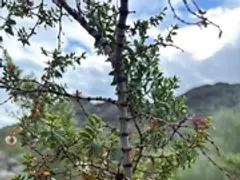 Larrea tridentataPhoto: Mason Heberling, CC BY 4.0 | 7,277 | — |
 SaguaroCarnegiea giganteaPhoto: Spooner, CC0 | 4,071 | Peaking |
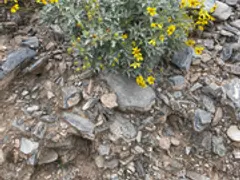 BrittlebushEncelia farinosaPhoto: Spooner, CC0 | 3,991 | — |
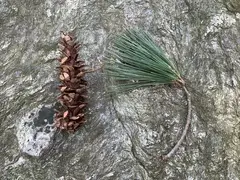 Weymouth pinePinus strobusPhoto: Neal Kelso, CC BY 4.0 | 3,678 | Peaking |
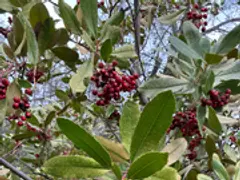 ToyonHeteromeles arbutifoliaPhoto: Nathan Odgers, CC BY 4.0 | 3,516 | Peaking |
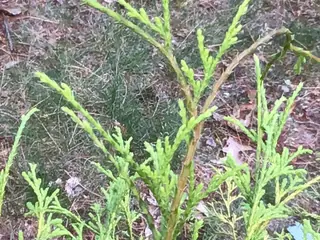 Eastern red-cedarJuniperus virginianaPhoto: dinomariobob, CC0 | 3,505 | Peaking |
 Bermuda buttercupOxalis pes-capraePhoto: Gregory Wada, CC BY 4.0 | 3,422 | PeakingArriving |
 Henbit deadnettleLamium amplexicaulePhoto: Linda Jo Conn, CC BY 4.0 | 3,360 | — |
| American hollyIlex opaca | 3,356 | Peaking |
 OcotilloFouquieria splendensPhoto: Will Cornwell, CC BY 4.0 | 3,312 | Peaking |
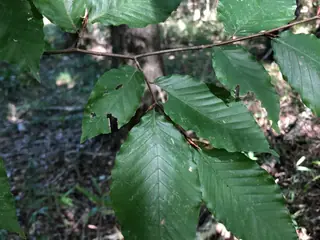 American beechFagus grandifoliaPhoto: Will McFarland, CC BY 4.0 | 3,297 | — |
| Yellow birchBetula alleghaniensis | 2,879 | PeakingArrivingLeaving |
| Species | Records | This month |
|---|---|---|
| Larrea tridentataPhoto: Mason Heberling, CC BY 4.0 | 10,795 | PeakingLeaving |
| Henbit deadnettleLamium amplexicaulePhoto: Linda Jo Conn, CC BY 4.0 | 8,069 | Peaking |
| BrittlebushEncelia farinosaPhoto: Spooner, CC0 | 6,855 | PeakingLeaving |
| Bermuda buttercupOxalis pes-capraePhoto: Gregory Wada, CC BY 4.0 | 4,881 | Peaking |
| SaguaroCarnegiea giganteaPhoto: Spooner, CC0 | 4,742 | Leaving |
| Common Stork's-BillErodium cicutarium | 4,657 | Peaking |
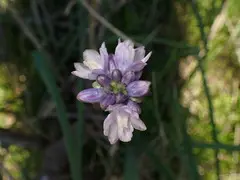 Indian-hyacinthDipterostemon capitatusPhoto: W Rao, CC BY 4.0 | 4,409 | Arriving |
 Grand Hound's TongueAdelinia grandePhoto: Felicia Gershberg, CC BY 4.0 | 4,226 | PeakingArriving |
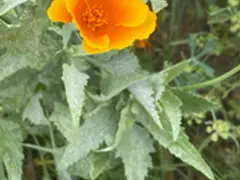 California poppyEschscholzia californicaPhoto: Spooner, CC0 | 4,123 | Arriving |
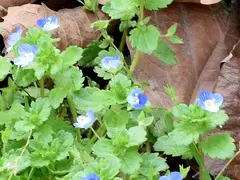 Persian speedwellVeronica persicaPhoto: Anne Parsons, CC0 | 4,123 | PeakingArriving |
| OcotilloFouquieria splendensPhoto: Will Cornwell, CC BY 4.0 | 3,979 | Peaking |
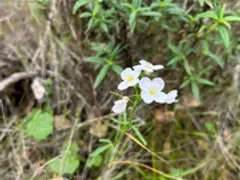 MilkmaidsCardamine californicaPhoto: harrier, CC BY 4.0 | 3,979 | PeakingLeaving |
| Species | Records | This month |
|---|---|---|
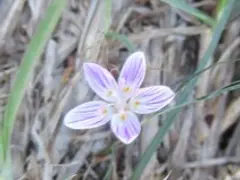 Virginia springbeautyClaytonia virginicaPhoto: Linda Jo Conn, CC BY 4.0 | 16,915 | PeakingArriving |
| Lesser celandineFicaria verna | 15,402 | PeakingArriving |
| Henbit deadnettleLamium amplexicaulePhoto: Linda Jo Conn, CC BY 4.0 | 15,320 | Leaving |
| Purple deadnettleLamium purpureum | 15,058 | PeakingArriving |
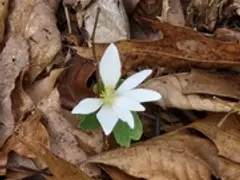 BloodrootSanguinaria canadensisPhoto: Wooded Creek Wanderer, CC BY 4.0 | 13,465 | PeakingArriving |
| Larrea tridentataPhoto: Mason Heberling, CC BY 4.0 | 12,186 | Leaving |
| Indian-hyacinthDipterostemon capitatusPhoto: W Rao, CC BY 4.0 | 11,695 | PeakingLeaving |
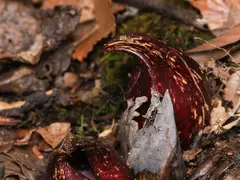 Skunk cabbageSymplocarpus foetidusPhoto: Adrienne van den Beemt, CC BY 4.0 | 11,376 | Peaking |
| California poppyEschscholzia californicaPhoto: Spooner, CC0 | 10,744 | Peaking |
| Cut-leaf toothcupCardamine concatenata | 10,415 | PeakingArriving |
| Common Stork's-BillErodium cicutarium | 10,397 | Peaking |
| Persian speedwellVeronica persicaPhoto: Anne Parsons, CC0 | 10,339 | PeakingLeaving |
| Species | Records | This month |
|---|---|---|
| MayapplePodophyllum peltatum | 44,234 | PeakingArriving |
| Garlic mustardAlliaria petiolata | 42,009 | PeakingArriving |
| Virginia springbeautyClaytonia virginicaPhoto: Linda Jo Conn, CC BY 4.0 | 36,318 | PeakingLeaving |
| BloodrootSanguinaria canadensisPhoto: Wooded Creek Wanderer, CC BY 4.0 | 33,199 | PeakingLeaving |
| Purple deadnettleLamium purpureum | 27,984 | Leaving |
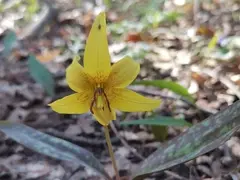 Dogtooth violetErythronium americanumPhoto: Cheryl Stinchcomb, CC BY 4.0 | 27,794 | PeakingArrivingLeaving |
 Ground ivyGlechoma hederaceaPhoto: geosesarma, CC BY 4.0 | 26,386 | PeakingArriving |
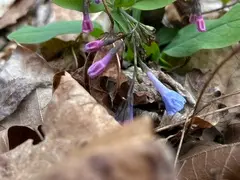 Virginia bluebellsMertensia virginicaPhoto: Justin Donahue, CC BY 4.0 | 22,140 | PeakingLeaving |
| Skunk cabbageSymplocarpus foetidusPhoto: Adrienne van den Beemt, CC BY 4.0 | 21,819 | — |
 Poison ivyToxicodendron radicansPhoto: Vince Hale, CC0 | 21,355 | PeakingArriving |
| Cut-leaf toothcupCardamine concatenata | 21,010 | Leaving |
 PinkladiesOenothera speciosaPhoto: Jackie T, CC BY 4.0 | 20,428 | PeakingLeaving |
| Species | Records | This month |
|---|---|---|
| Garlic mustardAlliaria petiolata | 30,873 | Leaving |
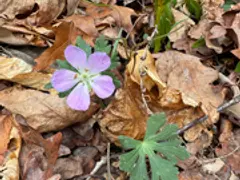 Spotted geraniumGeranium maculatumPhoto: charlie olson, CC BY 4.0 | 28,657 | PeakingArrivingLeaving |
| MayapplePodophyllum peltatum | 26,391 | Leaving |
| Ground ivyGlechoma hederaceaPhoto: geosesarma, CC BY 4.0 | 25,013 | PeakingLeaving |
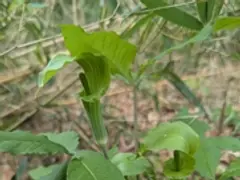 Jack-in-the-pulpitArisaema triphyllumPhoto: Rebecca Fanning, CC0 | 22,927 | PeakingLeaving |
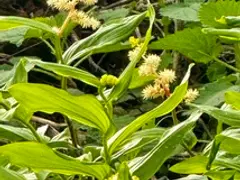 False Solomon's-sealMaianthemum racemosumPhoto: Chuck Wilson, CC0 | 22,065 | PeakingArriving |
| Dames rocketHesperis matronalis | 21,455 | PeakingArriving |
| Poison ivyToxicodendron radicansPhoto: Vince Hale, CC0 | 20,387 | Peaking |
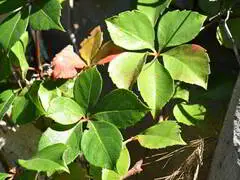 American ivyParthenocissus quinquefoliaPhoto: Dennis Vollmar, CC BY 4.0 | 19,458 | Peaking |
| Pink lady's-slipperCypripedium acaule | 18,336 | PeakingArriving |
| Canada mayflowerMaianthemum canadense | 18,172 | PeakingArriving |
| Multiflora roseRosa multiflora | 18,016 | Peaking |
| Species | Records | This month |
|---|---|---|
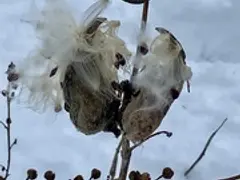 Common milkweedAsclepias syriacaPhoto: Sandy Wolkenberg, CC BY 4.0 | 28,783 | PeakingArriving |
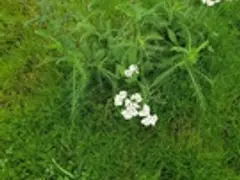 MilfoilAchillea millefoliumPhoto: Dave Miller, CC0 | 21,104 | Peaking |
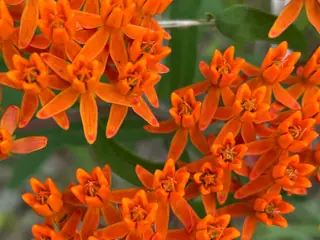 Butterfly milkweedAsclepias tuberosaPhoto: Becky Dill, CC0 | 18,215 | PeakingArriving |
| CrownvetchCoronilla varia | 15,577 | PeakingArriving |
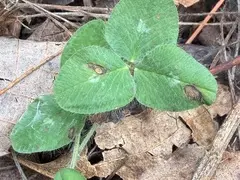 Chilean cloverTrifolium pratensePhoto: Conway Hawn, CC0 | 15,139 | Peaking |
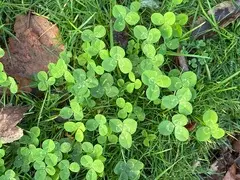 Dutch cloverTrifolium repensPhoto: Jason Grant, CC BY 4.0 | 14,790 | Peaking |
 Common selfhealPrunella vulgarisPhoto: vedant jain, CC BY 4.0 | 14,655 | Arriving |
| American ivyParthenocissus quinquefoliaPhoto: Dennis Vollmar, CC BY 4.0 | 14,319 | — |
| Poison ivyToxicodendron radicansPhoto: Vince Hale, CC0 | 13,998 | — |
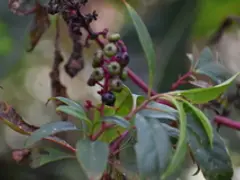 American pokeweedPhytolacca americanaPhoto: Jason Leduc, CC0 | 13,590 | — |
| Multiflora roseRosa multiflora | 13,526 | Leaving |
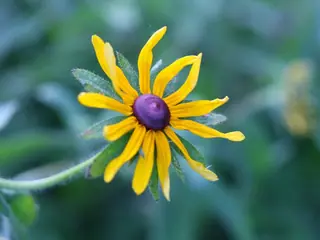 Black-eyed SusanRudbeckia hirtaPhoto: Scott Loarie, CC0 | 13,189 | Arriving |
| Species | Records | This month |
|---|---|---|
| Skiff milkvetchAstragalus microcymbus | 65,649 | PeakingArrivingLeaving |
| Common selfhealPrunella vulgarisPhoto: vedant jain, CC BY 4.0 | 26,961 | Peaking |
 Wild bergamotMonarda fistulosaPhoto: daksu, CC BY 4.0 | 26,224 | PeakingArrivingLeaving |
| Ghost PipeMonotropa uniflora | 23,994 | PeakingArriving |
| Common milkweedAsclepias syriacaPhoto: Sandy Wolkenberg, CC BY 4.0 | 21,975 | — |
 Queen Anne's laceDaucus carotaPhoto: Dean R Suhlter, CC BY 4.0 | 21,676 | PeakingArriving |
| American pokeweedPhytolacca americanaPhoto: Jason Leduc, CC0 | 17,636 | — |
| MilfoilAchillea millefoliumPhoto: Dave Miller, CC0 | 16,986 | — |
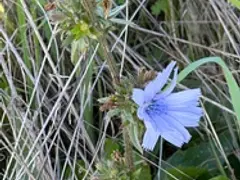 Belgium endiveCichorium intybusPhoto: Irina Mitine, CC BY 4.0 | 16,517 | PeakingArriving |
| FireweedChamaenerion angustifolium | 16,054 | PeakingArriving |
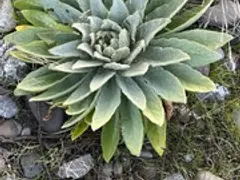 Aaron's-rodVerbascum thapsusPhoto: Irina Mitine, CC BY 4.0 | 15,685 | Peaking |
| Butterfly milkweedAsclepias tuberosaPhoto: Becky Dill, CC0 | 15,363 | Peaking |
| Species | Records | This month |
|---|---|---|
| JewelweedImpatiens capensis | 25,207 | PeakingArriving |
| American pokeweedPhytolacca americanaPhoto: Jason Leduc, CC0 | 21,829 | — |
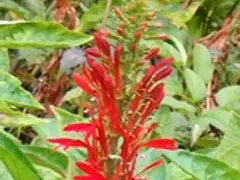 CardinalflowerLobelia cardinalisPhoto: mfeaver, CC BY 4.0 | 17,317 | PeakingArriving |
| Ghost PipeMonotropa uniflora | 17,206 | Leaving |
| London planePlatanus hispanica | 16,503 | — |
| Common milkweedAsclepias syriacaPhoto: Sandy Wolkenberg, CC BY 4.0 | 15,536 | — |
| Purple loosestrifeLythrum salicaria | 15,007 | PeakingLeaving |
| Queen Anne's laceDaucus carotaPhoto: Dean R Suhlter, CC BY 4.0 | 14,890 | — |
| FireweedChamaenerion angustifolium | 13,595 | PeakingLeaving |
| American burnweedErechtites hieraciifolius | 12,855 | — |
| Belgium endiveCichorium intybusPhoto: Irina Mitine, CC BY 4.0 | 12,213 | — |
| Common selfhealPrunella vulgarisPhoto: vedant jain, CC BY 4.0 | 11,757 | — |
| Species | Records | This month |
|---|---|---|
| White snakerootAgeratina altissima | 27,301 | PeakingArriving |
| American pokeweedPhytolacca americanaPhoto: Jason Leduc, CC0 | 26,799 | Peaking |
| JewelweedImpatiens capensis | 24,004 | PeakingLeaving |
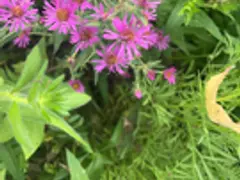 New England asterSymphyotrichum novae-angliaePhoto: Goosehunter75, CC BY 4.0 | 15,788 | PeakingArriving |
| London planePlatanus hispanica | 15,729 | — |
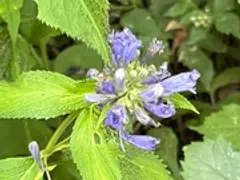 Great blue lobeliaLobelia siphiliticaPhoto: Bob, CC BY 4.0 | 15,109 | PeakingLeaving |
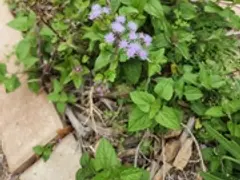 Blue mistflowerConoclinium coelestinumPhoto: Schyler Brown, CC0 | 14,750 | PeakingArriving |
| American beautyberryCallicarpa americana | 14,530 | PeakingArriving |
 TurtlegrassThalassia testudinumPhoto: Eliass Tāre, CC BY 4.0 | 13,706 | PeakingArriving |
| American burnweedErechtites hieraciifolius | 13,602 | PeakingLeaving |
| Common milkweedAsclepias syriacaPhoto: Sandy Wolkenberg, CC BY 4.0 | 13,426 | — |
| WingstemVerbesina alternifolia | 12,326 | PeakingLeaving |
| Species | Records | This month |
|---|---|---|
| White snakerootAgeratina altissima | 17,738 | Leaving |
| London planePlatanus hispanica | 15,694 | — |
| American pokeweedPhytolacca americanaPhoto: Jason Leduc, CC0 | 15,037 | Leaving |
| Callery pearPyrus calleryana | 13,562 | Arriving |
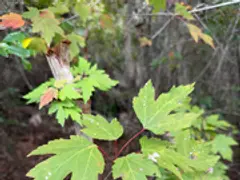 Red mapleAcer rubrumPhoto: Brandon Corder, CC BY 4.0 | 12,302 | Peaking |
| American beautyberryCallicarpa americana | 11,613 | Peaking |
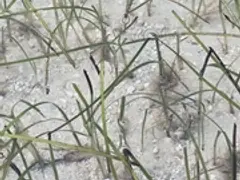 ShoalweedHalodule wrightiiPhoto: Scott Allen Davis, CC BY 4.0 | 10,820 | PeakingLeaving |
| Oriental lady's thumbPersicaria longiseta | 10,696 | PeakingLeaving |
| Amur honeysuckleLonicera maackii | 10,633 | Peaking |
| Common wormwoodArtemisia vulgaris | 10,347 | PeakingArrivingLeaving |
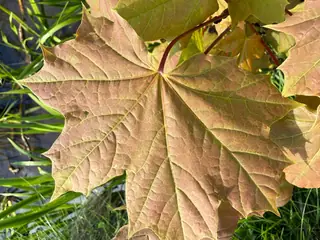 Norway mapleAcer platanoidesPhoto: Patrice Dupont, CC BY 4.0 | 10,042 | Peaking |
| Larrea tridentataPhoto: Mason Heberling, CC BY 4.0 | 9,890 | Arriving |
| Species | Records | This month |
|---|---|---|
| London planePlatanus hispanica | 9,835 | Peaking |
| Larrea tridentataPhoto: Mason Heberling, CC BY 4.0 | 7,515 | — |
| Callery pearPyrus calleryana | 6,768 | — |
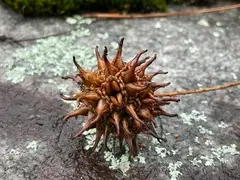 SweetgumLiquidambar styracifluaPhoto: Engers, CC BY 4.0 | 5,871 | Peaking |
| American beechFagus grandifoliaPhoto: Will McFarland, CC BY 4.0 | 5,378 | Peaking |
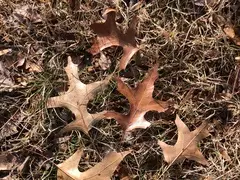 Pin oakQuercus palustrisPhoto: Andrew Conboy, CC BY 4.0 | 5,035 | Peaking |
| Norway mapleAcer platanoidesPhoto: Patrice Dupont, CC BY 4.0 | 4,933 | Peaking |
| Eastern red-cedarJuniperus virginianaPhoto: dinomariobob, CC0 | 4,876 | Peaking |
| Red mapleAcer rubrumPhoto: Brandon Corder, CC BY 4.0 | 4,770 | — |
| Amur honeysuckleLonicera maackii | 4,686 | Leaving |
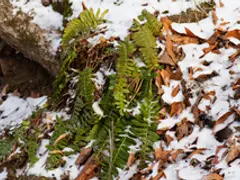 Christmas fernPolystichum acrostichoidesPhoto: Bill Keim, CC BY 4.0 | 4,594 | Peaking |
| Weymouth pinePinus strobusPhoto: Neal Kelso, CC BY 4.0 | 4,445 | — |
| Species | Records | This month |
|---|---|---|
| Larrea tridentataPhoto: Mason Heberling, CC BY 4.0 | 8,177 | Peaking |
| Callery pearPyrus calleryana | 8,019 | PeakingLeaving |
| London planePlatanus hispanica | 5,110 | Leaving |
| SaguaroCarnegiea giganteaPhoto: Spooner, CC0 | 4,386 | PeakingArriving |
| ToyonHeteromeles arbutifoliaPhoto: Nathan Odgers, CC BY 4.0 | 4,102 | Peaking |
| Eastern red-cedarJuniperus virginianaPhoto: dinomariobob, CC0 | 3,936 | Peaking |
| Pin oakQuercus palustrisPhoto: Andrew Conboy, CC BY 4.0 | 3,764 | PeakingLeaving |
| SweetgumLiquidambar styracifluaPhoto: Engers, CC BY 4.0 | 3,680 | — |
| American hollyIlex opaca | 3,613 | Peaking |
| Weymouth pinePinus strobusPhoto: Neal Kelso, CC BY 4.0 | 3,592 | Peaking |
| Red mapleAcer rubrumPhoto: Brandon Corder, CC BY 4.0 | 3,191 | Leaving |
| American beechFagus grandifoliaPhoto: Will McFarland, CC BY 4.0 | 3,173 | — |
Source: GBIF occurrence search, human observations in the United States, snapshot 2026-11-19. Recorded by observers: where and when people looked, not how common a species is. Peaking means this month is among the species' best months once its records are divided by all plants records that month; arriving, that share at least doubled since last month; leaving, it halves by next month.
The numbers behind the globe: Plants, GBIF records by month
| Month | Records | Share of the year |
|---|---|---|
| January | 20,895,632 | 4.6% |
| February | 11,933,389 | 2.6% |
| March | 19,608,137 | 4.3% |
| April | 36,514,326 | 8.0% |
| May | 58,162,734 | 12.7% |
| June | 74,511,991 | 16.3% |
| July | 78,492,348 | 17.2% |
| August | 62,862,844 | 13.7% |
| September | 41,944,977 | 9.2% |
| October | 26,464,965 | 5.8% |
| November | 15,132,738 | 3.3% |
| December | 11,098,388 | 2.4% |
What is in this section
How to use the plants section
There are 93 articles here , published between January 2026 and June 2026, and they answer questions rather than catalogue species: how to tell two similar things apart, what a particular mark or shape means, what to do once you know. They are the long form.
The faster route, when you have the thing in front of you, is one of the 5 free keys for this section — 208 entries between them. A key does not ask you to describe what you are looking at in words; it asks a series of questions you can answer by looking, and the list shrinks as you go. Nothing is hidden behind the filter: every entry is written into the page, so the whole catalogue is readable with scripting switched off, and each one carries the single sentence that separates it from its nearest look-alike.
There is a third thing on the site worth knowing about from here, because it answers a question this section cannot. People arriving at an identification problem usually end up comparing apps, and the honest answer to "which one" depends on facts that change — what each costs this month, what it locks behind a subscription, who publishes it. Those pages exist under compare and alternatives, and not one figure on them is typed by hand: every price and every in-app purchase list is read from a dated App Store snapshot, and the build fails if a currency amount ever appears in the editorial text. It is the same discipline as the numbers below, applied to a subject that goes stale faster.
Reading a shortlist without being fooled by it
Whatever brings you here, the failure mode is the same and it is worth naming. A key, an app and a search all hand you a shortlist, and a shortlist feels like an answer. It is not: it is a set of candidates that survived the characters you happened to check, and the one at the top is usually the one that is common rather than the one that is right. That is often the same thing, which is exactly why it is dangerous when it is not.
Three habits fix most of it. Check a character you have not used yet — if the candidate survives a test drawn from a different part of the organism, the identification is much stronger than one built on colour alone. Check where you are: an enormous share of confident misidentifications are species that do not occur within a thousand miles of the observer, and geography alone settles them. And notice when the answer does not matter — a great many identifications are curiosity, where being wrong costs nothing, and the small number where it does cost something are worth treating completely differently.
Where the consequence of an error is medical — anything eaten, anything that bit somebody, anything a child had in their hands — no page here and no app is the right tool. Describe what you have to somebody qualified, and keep the specimen or a photograph. The keys are built to make that description accurate, which is a genuinely useful thing to be, and it is a different job from telling you it is safe.
Open data
What the observation record actually says about plants
Orvik's free keys for this section cover 162 named species, and each of them is matched against GBIF, the international register of biodiversity records. Between them they stand on 26,300,264 georeferenced records spanning 52 families and 30 orders, the oldest specimen collected in 1926. None of these figures is typed into the page: they are read from a dated snapshot, 2026-09-04, and every one is checkable against the source. A further 41 entries in these keys name a genus or a family rather than a single species; their counts already contain everything beneath them, so they are left out of this total rather than added to it.
Most of that record comes from the United States, France and the United Kingdom — which is a fact about who uploads observations, not about where these plants live, and it is worth holding on to when a key looks confident about a species' range. Half of every record for this group falls in April–July. The figure below separates the two effects: the bars are the raw monthly share, which largely tracks when people go outdoors, and the line divides each month by this corpus baseline — every species in every Orvik key — so what remains is what is particular to this section rather than to the seasons of nature-watching itself.
Best-evidenced plants in our keys
Ranked by how much evidence exists rather than by how likely you are to meet one, because those are different questions and only the first can be measured. A high count is a good prior when a key narrows to two candidates and you have to pick.
| Species | GBIF records | Half fall in | In the key |
|---|---|---|---|
| Common yarrow | 1,788,213 | May–Jul | wildflower identifier |
| Red clover | 1,602,820 | May–Jul | wildflower identifier |
| American sycamore maple and Norway maple | 1,327,995 | Apr–Jul | tree bark identifier |
| English ivy | 1,274,719 | Mar–Jul | plant toxicity checker |
| Selfheal | 1,216,166 | Jun–Jul | wildflower identifier |
| Scots pine | 1,187,370 | Apr–Jul | tree bark identifier |
| Norway maple | 1,034,483 | Apr–Jul | leaf identifier |
| Norway spruce | 1,007,278 | Jun–Aug | leaf identifier |
| St John's wort | 908,616 | May–Jul | wildflower identifier |
| Queen Anne's lace | 881,697 | Jun–Aug | wildflower identifier |
| Ox-eye daisy | 871,936 | May–Jul | wildflower identifier |
| Marsh marigold | 821,926 | Apr–Jun | wildflower identifier |
Every figure on this page comes from the same snapshot, and the whole thing is published as one downloadable file: open field data, CC BY 4.0, with each source's own licence listed. If a number here disagrees with the source database today, the source is right and this snapshot is old.
Free keys in this section: Is this plant poisonous to dogs or cats? · Identify a tree by its leaf · Identify a tree by its bark · What wildflower is this? · What succulent is this?
How do I identify plants? Start by recording the features that reliably separate one species from another: leaf shape and arrangement, venation and margin, flower structure and petal count, fruit or seed form, bark or stem texture, growth habit and habitat. Combine those observations with when and where the specimen was found — season and geographic range often narrow possibilities dramatically. A clear photo of diagnostic parts plus notes on size and smell is usually enough to reach a confident identification.
How Orvik helps with plants identification
Orvik is a plant identifier app for iOS and Android: it reads a photograph and proposes a name, with the plausible look-alikes listed underneath rather than hidden. The photo is sent to a remote service to be named, so the app needs a connection. It is dependable where the distinguishing character is visible in the picture, such as a leaf margin, the number of petals or a fruit, and unreliable where it is not, so photograph the leaf, the flower and the whole plant and check the look-alikes before you settle on a name.
What you can learn — practical ID, care and safety
With Orvik you can read species details, care notes and toxicity warnings for each identification: whether a houseplant is toxic to pets, if a wildflower is poisonous, or whether a succulent needs special care. You can ask follow-up questions about an identification in the app, and every identification is saved to a history. A toxicity warning is not clearance to eat or touch a plant: for a suspected poisoning, call a poison centre or a vet first.
Frequently Asked Questions
- How accurate is Orvik for plant identification?
- Accuracy depends on the photo and on whether the plant's diagnostic features are visible; clear close-ups of leaves, flowers and fruits give the best results. Orvik proposes a name with the plausible look-alikes listed underneath, and an identification is a proposal to check rather than a guarantee, so compare the look-alikes before you rely on it.
- Is Orvik free to use as a plants identifier app?
- Orvik is free to download, and the free tier includes plant identification with a daily limit; no account is needed to start. A subscription removes the daily limit and adds detailed reports and priority support. Prices vary by country and change over time, so the App Store and Google Play listings are the place to check them.
- Can Orvik identify a plant from a single leaf photo?
- Yes, but identification from a single leaf is often less certain than when flowers, fruit or habit are visible. To improve results include multiple views (top and underside of the leaf, petiole, the branch, and a photo showing the whole plant) and add notes on size and habitat.
- Will Orvik tell me if a plant is poisonous to pets or people?
- Orvik flags many common toxic species and provides safety notes where that information is available, but it is not a substitute for medical or veterinary advice. If you suspect poisoning, contact a medical professional or local poison control immediately.
- What are the best photo tips for reliable plant IDs?
- Take sharp, well-lit photos focusing on diagnostic features: close-ups of flowers, fruit, leaf arrangement, and stem or bark, plus one image showing the whole plant for context. Include a ruler or coin for scale and capture multiple angles — these increase AI confidence and speed up verification.
- Can I use Orvik to identify trees and wildflowers in the field?
- Yes, wherever you have a mobile connection: Orvik sends the photo to a remote service, so it does not work without signal. It proposes names for trees, wildflowers, shrubs and houseplants from clear photos of the key features. For seasonal species, photograph both leaves and flowers, and check the look-alikes listed under the proposal.
Free plants tools, in your browser
Filterable identification keys and calculators. Nothing to install, no account, and every entry is readable without JavaScript.
Is this plant poisonous to dogs or cats?
Look up 73 plants and see what each one does to a dog, a cat or a horse.
Identify a tree by its leaf
Arrangement, compound or simple, margin and shape — 43 trees, four questions.
Identify a tree by its bark
Texture, colour and pattern — identify 34 trees with no leaves on them.
What wildflower is this?
Petal count, arrangement and habitat narrow 30 wildflowers.
What succulent is this?
Growth form, leaf shape and flower narrow 28 succulents.
How old is this tree?
Wrap a tape round the trunk and get the age the way an arborist does.
When do I start these seeds?
One frost date turns into a sowing and transplant calendar for 34 crops.
Explore Other Topics
Identify more with Orvik — from plants to rocks, insects to birds