
Why people search to identify animal by picture
When someone types "identify animal by picture" into a search engine, they usually want three things: a quick ID, reliable confirmation, and practical next steps (safety, reporting, or feeding). Whether you found a feather in your yard, saw a strange mammal on a trail camera, or want to identify food by picture foraging safety, visual identification solves immediate curiosity and risk.
What searchers really want
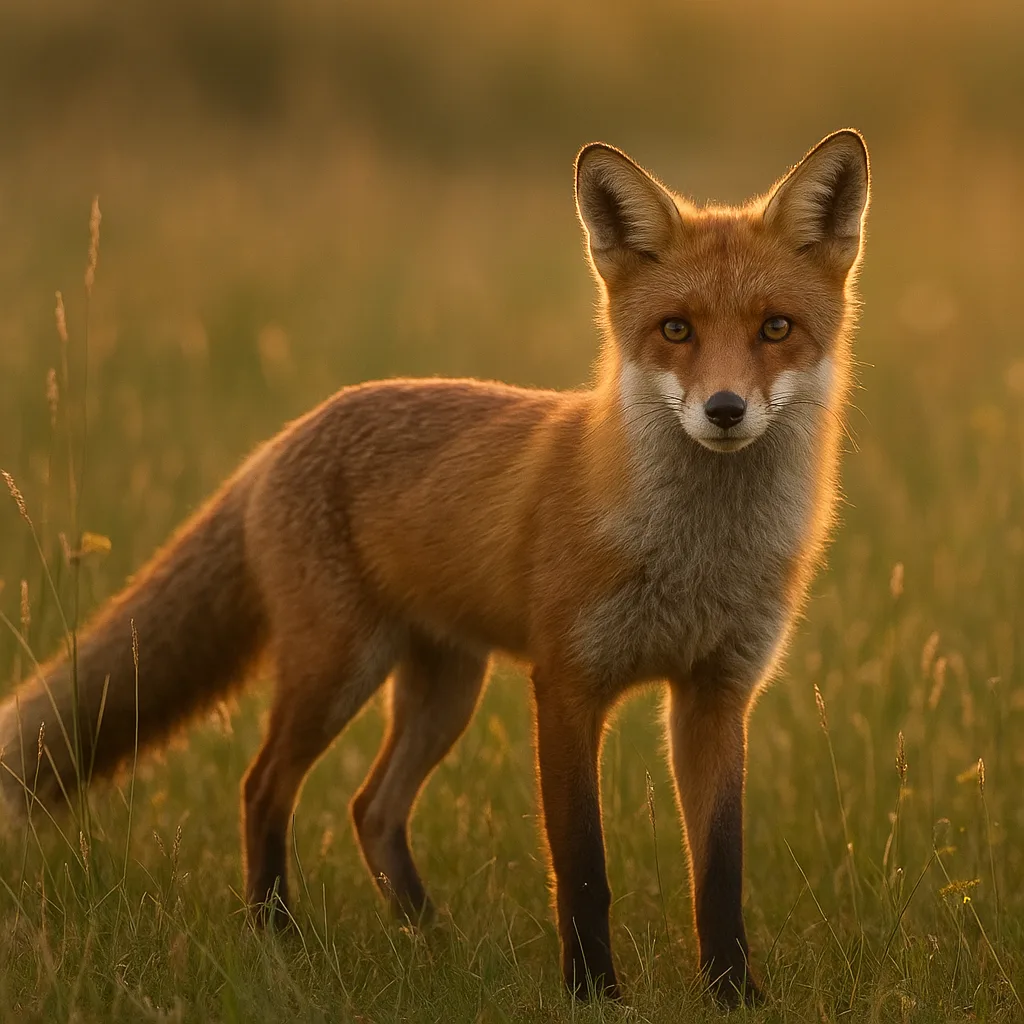
- Fast, accurate species name (common and scientific) — e.g., red fox (Vulpes vulpes).
- Clear distinguishing features: size, pattern, shape, color, behavior.
- Context: habitat, range, seasonality, and safety advice.
- Tools: apps or online resources that confirm IDs from a photo.
How visual identification works: human expertise + AI
Modern identification blends classical field naturalist methods with machine learning. AI systems examine pixels and patterns while experts add context—scale, behavior, and geography. Orvik uses convolutional neural networks trained on millions of labeled images, then cross-checks with range and seasonal data to raise confidence in an ID.
Key components of image-based ID
- Morphology: measurable traits like length, wing span, beak shape or leg count.
- Coloration and patterns: spots, stripes, mottling, iridescence.
- Contextual metadata: GPS coordinates, date, and time—important for migratory species.
- Behavioral cues: flocking, climbing, burrowing, or swimming.
Step-by-step: How to identify an animal from a photo
This practical workflow helps both novices and pros turn a photo into a confident ID.
- Prepare the image: crop to the subject, rotate upright, and note scale (e.g., include a coin, ruler or known object).
- Note obvious traits: approximate size (cm or inches), dominant colors, patterns, number of limbs.
- Record metadata: location (latitude/longitude if possible), date, time, and habitat (forest, marsh, urban).
- Use an app or guide: upload to a trusted app (for example, Orvik) or consult field guides keyed to your region.
- Cross-check: compare multiple matches; look up scientific papers or regional checklists for verification.
Practical photography tips for identification
- Get multiple angles: side profile, top view, close-up of head/feet.
- Include scale: a finger, coin, or ruler helps estimate total length (e.g., 25 cm).
- Use good lighting: morning/afternoon light reduces glare and shows true color.
- Preserve metadata: don't strip EXIF/GPS if you want location-based verification.
Visual cues by animal group: what to look for
Different taxa rely on different characters. Below are field-tested visual cues, with scientific names and measurements where applicable.
For more on this topic, see our guide on Identify Your Cat: A Field Guide.
Mammals
- Size and proportions: total length (head + body), tail length. Example: red fox (Vulpes vulpes) body length 45–90 cm, tail 30–55 cm, weight 4–8 kg.
- Fur texture and patterns: guard hairs, underfur density, color phases (e.g., melanistic forms).
- Skull and ear shape: rounded vs pointed ears; ear size relative to head (desert species often have larger ears).
- Tracks and gait: plantigrade vs digitigrade footprints can narrow candidates.
Birds
- Overall size and silhouette: wingspan in cm, tail shape (forked, square, rounded).
- Plumage pattern: wing bars, eye rings, throat patches. Example: American robin (Turdus migratorius) 23–28 cm length, orange breast.
- Bill shape and leg color: seed-eaters vs insectivores have distinct bills (conical vs thin/decurved).
- Flight pattern and calls: often diagnostic when photos are insufficient.
Reptiles & amphibians
- Scales vs skin: dry, keeled scales indicate many snakes; moist, smooth skin suggests amphibians.
- Color patterns: banding, blotches, or uniform coloration. Example: common garter snake (Thamnophis sirtalis) 45–120 cm with dorsal stripes.
- Eye and pupil shape: vertical pupils often in vipers; round pupils in many colubrids.
- Body proportions: tail-to-body ratio important for lizards vs snakes.
Insects and arthropods
- Segment counts and limb arrangement: six legs for insects, eight for spiders.
- Wing venation and scale patterns for butterflies and moths (Lepidoptera).
- Size metrics in millimeters: e.g., Monarch wingspan 93–105 mm.
- Distinctive markings: eye spots, antennal shape, or carapace texture.
Fish
- Body shape: fusiform vs compressed vs eel-like. Example: common carp (Cyprinus carpio) deep-bodied, 40–80 cm.
- Fin configuration: dorsal fin count, adipose fin presence.
- Scale type and lateral line visibility.
Habitat, geography, and seasonal behavior
Many misidentifications happen when photos ignore context. Range maps, habitat preferences, and seasonal behavior dramatically narrow options.
Using habitat and range to refine identifications
- Geographic range: a photo of a penguin in the Sahara is almost certainly mislocated—range data is a primary filter.
- Habitat cues: wetlands suggest frogs and wading birds; rocky coastlines suggest seabirds or intertidal species.
- Seasonality: migratory birds appear in spring/fall; some amphibians only surface in breeding season (spring thunderstorms).
Examples
- Warbler vs sparrow: a 12-cm passerine in dense riparian will likely be a willow warbler (Phylloscopus trochilus) in spring migration rather than a sparrow species.
- Spring mole vs vole: surface molehills in early spring may indicate Talpa europaea activity, while runs in grass suggest Microtus voles.
Safety, toxicity, and food identification cautions
Photographic identification can prevent dangerous encounters—but it also has limits. Always prioritize safety when the animal could be venomous, aggressive, or when identifying food by picture.
You may also find our article on Photo Guide: Recognize Snakes in the Wild helpful.
Venomous and dangerous species
- Snakes: use caution—vertical pupils, triangular heads, and keeled scales can suggest vipers (e.g., European adder Vipera berus). But many colubrids mimic vipers; never handle a snake based solely on photo.
- Spiders: black widow (Latrodectus mactans) and brown recluse (Loxosceles reclusa) have medically significant bites—avoid close contact and seek professional ID when concerned.
- Insects with toxic defences: caterpillars like the puss moth (Megalopyge opercularis) carry venomous spines; photos can warn you to avoid touching.
Identify food by picture: extra caution
- Fungi: many edible mushrooms have poisonous look-alikes (e.g., edible Agaricus vs toxic Amanita). Microscopic spore prints and smell are often required—photos alone can be misleading.
- Plants and berries: similar leaf shapes can hide toxic species; example: edible elderberry (Sambucus nigra) vs potentially toxic lookalikes.
- Seafood and fish: misidentifying ciguatoxic fish can lead to food poisoning; rely on local knowledge and fishery guides in addition to photos.
When identification relates to safety or food, use photo-based tools like Orvik to get a preliminary ID, then confirm with regional experts or local authorities before acting.
Tools and comparison: apps, online resources, and expert help
There are many ways to identify animal from picture online. Below is a comparison to help you choose the right tool for your need.
You might also be interested in Mastering Visual ID: Your Photo Identifier Guide.
Popular options and how they differ
- Orvik: AI-driven app that pairs image recognition with range/seasonal data. Good for quick IDs and regional filtering.
- iNaturalist: community-driven platform with expert validations and observation records (GBIF integration).
- Seek: kid-friendly, uses iNaturalist’s model but with simpler UI for casual users.
- Field guides and keys: still authoritative for difficult groups—often require morphological observation not visible in photos.
Orvik vs community platforms
- Speed: Orvik gives near-instant AI suggestions; community platforms may take hours or days for expert confirmation.
- Accuracy: AI is strong on common species; rare or cryptic species may need human verification as offered by iNaturalist’s community.
- Contextual data: Orvik integrates seasonal and geolocation filters automatically, reducing false positives in migration windows.
When to consult an expert
- Potentially dangerous species (venomous snakes, dangerous spiders).
- Food identification with risk (wild mushrooms, unknown berries).
- Scientific reporting (rare sightings, legal protection concerns).
Comparison examples: How to tell them apart (X vs Y)
Here are three common comparison pairs and the specific visual cues that separate them.
Related reading: Identify Your Dog from a Photo: Expert Guide.
Red fox (Vulpes vulpes) vs Coyote (Canis latrans)
- Size: red fox 4–8 kg; coyote 9–23 kg—noticeably larger coyote.
- Tail: fox tail bushier with white tip; coyote tail usually held low, less bushy.
- Face: fox has narrower muzzle and pointed ears; coyote has broader muzzle and larger body.
Common garter snake (Thamnophis sirtalis) vs Ribbon snake (Thamnophis sauritus)
- Stripe placement: garter snake stripe often centered on the back; ribbon snake stripe offset and narrow.
- Tail length: ribbon snakes have proportionally longer tails (useful for aquatic habitats).
- Habitat: ribbon snakes more consistently near water.
Monarch butterfly (Danaus plexippus) vs Viceroy (Limenitis archippus)
- Size: monarch wingspan 93–105 mm; viceroy smaller, 70–90 mm.
- Hindwing line: viceroy has a distinct black line across the hindwing absent in true monarchs.
- Behavior: viceroys often perch and flutter closer to ground vegetation.
Tips for photographing for best identification and ethics
Good photos increase ID accuracy. Ethical practices protect species and habitats.
Photo checklist
- Multiple angles: side, top, close-up of diagnostic parts (head, feet, wing patterns).
- Scale reference: ruler, coin, or object of known size to estimate length in cm or inches.
- High resolution: aim for at least 2 megapixels on the subject crop; more detail improves AI and expert analysis.
- Keep EXIF/GPS: location and date often crucial for narrowing ID to region and season.
Ethical guidelines
- Do not harass wildlife for a better shot: avoid chasing, touching, or separating young from parents.
- Respect protected species and habitats; obey local rules in reserves and parks.
- For nocturnal animals, use low-light techniques rather than bright flashes which can disorient animals.
Conclusion
Identifying an animal by picture combines careful observation, contextual knowledge, and the right tools. Use clear photos with scale and metadata, apply morphological and habitat cues, and leverage AI tools like Orvik alongside community resources or experts when needed. For anything related to safety or food, treat photo IDs as preliminary and seek confirmation before acting.
Frequently Asked Questions
- What is the fastest way to identify an animal from a photo?
- Use a trusted AI app such as Orvik to get a quick preliminary ID, then confirm with regional field guides or community platforms like iNaturalist.
- Can I safely identify poisonous species from a picture?
- Photos can suggest danger but are not infallible. For venomous snakes, spiders, or toxic plants, treat a photo-based ID as provisional and avoid handling until an expert confirms it.
- How do I take photos that improve identification accuracy?
- Get multiple angles, include a scale (coin or ruler), preserve EXIF/GPS data, use good light, and capture diagnostic parts like head, feet, wings, or pattern close-ups.
- Is identifying food by picture reliable for foraging?
- No—identifying edible mushrooms and plants by photo alone is risky. Always cross-check with local experts and use multiple identification methods before consuming wild food.
- How accurate are AI identification apps?
- AI is highly accurate for common, well-photographed species but less reliable for rare, cryptic, or juvenile forms. Combining AI results with habitat, range, and expert input improves confidence.
- What metadata is most useful for online identification?
- GPS coordinates, date, and time are most helpful because they narrow candidates by range and season; include habitat notes and behavior when possible.
- When should I report a sighting?
- Report rare, endangered, or invasive species to local wildlife authorities or platforms like iNaturalist. For conservation or research value, include photo, location, date, and behavior details.