
If you type 'what breed is my cat' into a search bar, you want a clear answer: is your cat a pedigree, a recognizable breed, or a mixed domestic? This guide gives you field-tested, practical methods to answer that question using visual clues, behavior, measurements, and modern tools like Orvik for visual ID and DNA testing recommendations.
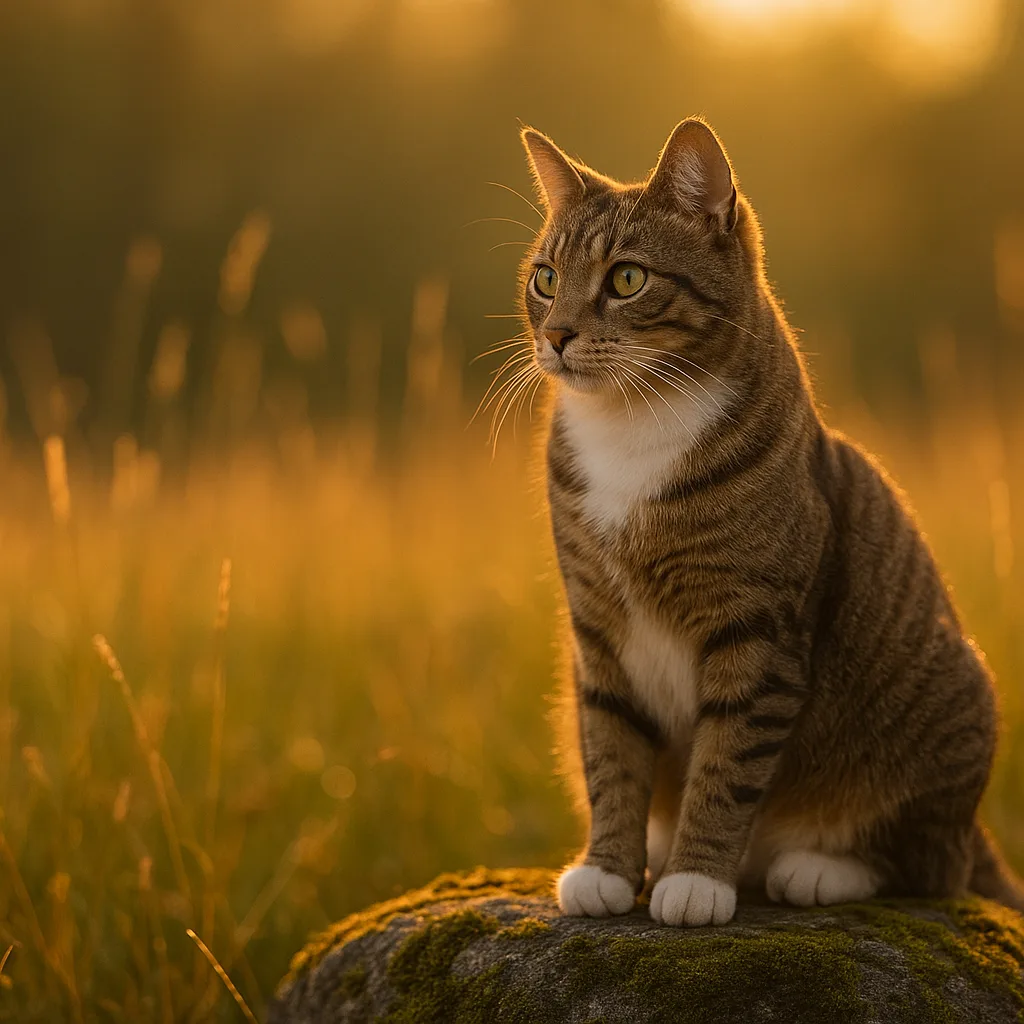
1. Begin with a systematic visual checklist
Start like a biologist. Observe and record measurable traits and consistent visual cues. A short checklist reduces guesswork and helps you compare against breed standards.
Measurements and quick facts to collect
- Weight: adult cats typically range from 2.5 to 8.0 kg (5.5 to 17.6 lb); specific breeds fall within narrower bands.
- Body length: nose to base of tail usually 35 to 50 cm (14 to 20 in); large breeds like Maine Coons can exceed 100 cm including tail.
- Tail length: measure from base to tip — some breeds have long plume tails (Maine Coon), others short or kinked (Manx).
- Coat length and density: short, medium, long, semi-long, hairless; note undercoat thickness.
- Head shape and muzzle: brachycephalic (flat face) versus dolichocephalic (long, narrow).
- Ear shape and size: large and pointed, small and rounded, tufted tips.
- Eye shape and color: almond, round, slanted; common colors include green, gold, blue, copper.
Practical tips for accurate observation
- Photograph your cat from multiple angles in natural daylight for color fidelity.
- Weigh on a digital scale; measure length with a soft measuring tape while the cat is relaxed.
- Note coat texture by touch: smooth and satin-like, dense and plush, or coarse and resilient.
2. Understand common breed groups and what they look like
Cats fall into two practical categories for most owners: pedigree breeds and non-pedigree (domestic) cats. Many so-called 'breeds' are actually phenotype groups with characteristic looks.
Examples and key identification cues
- Domestic Shorthair / Domestic Longhair: Not a breed; mixed ancestry. Variable colors and patterns. Adult weight 3.5–6.5 kg (7.7–14.3 lb).
- American/British Shorthair: Stocky body, round head, dense plush coat. British often heavier, 4–8 kg.
- Maine Coon (Felis catus): Large, 5.9–8.2 kg males (13–18 lb), tufted ears, bushy tail, ruff at neck, thick water-repellent coat. Popular in North America and northern Europe; adapted to colder climates.
- Norwegian Forest: Large, dense double coat, triangular head, long tail. Similar to Maine Coon but straighter profile and less ear tufting.
- Persian: Brachycephalic face, very long coat, short nose. Requires daily grooming; prone to tear staining and breathing issues.
- Siamese: Dolichocephalic head, pointed color pattern, blue almond eyes, very vocal and social. Slender, 2.5–5.5 kg.
- Ragdoll: Large, semi-long coat, blue eyes, colorpoint patterns, very docile and heavy-boned, 4.5–9.1 kg.
- Bengal: Distinctive rosetted or marbled coat with a glittery sheen; muscular, 4–7 kg; descended partly from Asian leopard cat (Prionailurus bengalensis), so wild-like markings.
- Sphynx: Hairless or near-hairless, prominent skin wrinkles, large ears, susceptible to cold and sunburn.
3. Coat patterns, colors, and genetic clues
Color and pattern give strong hints. Some patterns are breed-associated; others are widespread.
For more on this topic, see our guide on Photo ID: Mastering Animal Identification in the Field.
Major patterns and what they suggest
- Tabby (mackerel, classic, spotted, ticked): very common. Mackerel tabby has vertical stripes; classic has swirling bullseye patterns.
- Colorpoint: darker extremities (face, ears, tail, paws) caused by a temperature-sensitive enzyme (tyrosinase). Seen in Siamese, Ragdoll, Birman.
- Tortoiseshell and Calico: mostly female due to X-chromosome-linked color genes; suggests mixed heritage if combined with non-breed features.
- Solid colors and smoke: breeds like British Shorthair commonly come in solid blue (gray) and smoke varieties.
Visual cues tied to genetics
- Blue eyes with colorpoint pattern indicate likely presence of the Himalayan gene (Siamese-type) or Ragdoll ancestry.
- Tortoiseshell males are rare and often sterile; if your male cat is tortoiseshell, he may have Klinefelter's syndrome (XXY).
- Tabby markings are ancestral and appear in many breeds; pattern alone rarely proves breed.
4. Head shape, ears, eyes, and tail: morphological markers
Head and ear proportions are some of the most reliable visual cues for breed identification when considered with other traits.
Key morphological measurements
- Head width to length ratio: Persians are broad and short (brachycephalic), Siamese are long and narrow (dolichocephalic).
- Muzzle length: Short muzzle under 2 cm suggests Persian-type brachycephaly; long muzzles over 3.5 cm suggest Siamese/Oriental types.
- Ear height: Large ears often indicate Oriental or Abyssinian influence; small rounded ears suggest British Shorthair or Exotic Shorthair.
- Tail type: Long plume tail common in northern breeds; short or absent tail indicates Manx or a mutation.
Practical ear and eye checks
- Look for ear tufts and lynx tips as in Maine Coon.
- Note eye slant: Siamese eyes slant slightly towards nose; round eyes are common in British Shorthair and Persian.
- Assess eye color symmetry; odd-eyed cats (one blue, one amber) appear in Turkish Van, Turkish Angora, and some white-coated cats.
5. Behavior, vocalization, and activity level as clues
Behavior isn't definitive, but patterns can steer identification. Some breeds have distinctive temperaments shaped by selective breeding.
You may also find our article on Listen, Count, Identify: A Field Guide to Frog Calls helpful.
Behavioral patterns to observe
- Vocalization: Siamese and Oriental breeds are highly vocal, using a wide tonal range.
- Sociality: Ragdolls and Maine Coons are typically very people-oriented and tolerant of handling.
- Activity level: Bengals and Abyssinians are very active, need environmental enrichment and climbing structures.
- Water affinity: Bengals and Maine Coons often enjoy water more than average domestic cats.
When behavior misleads
- Early socialization and environment can shape behavior as much as genetics; a shy domestic shorthair can behave like a pedigreed lap cat.
- Health issues can alter behavior; always rule out pain or illness when behavior changes suddenly.
6. Tools: Orvik, DNA tests, and pedigree papers
Visual ID is powerful but has limits. Combine field observation with modern tools to increase certainty.
Using Orvik and other visual tools
- Orvik uses AI-powered image recognition to match your cat's photo to breed traits and likely matches. It provides probabilities rather than certainties.
- Take multiple high-quality photos: full body, profile, face close-up, tail, and coat pattern. Orvik performs best with clear, evenly lit images.
- Use Orvik as a starting point—compare its suggestions against your checklist and behavior notes.
Genetic testing and pedigree verification
- DNA tests (e.g., Wisdom Panel, Basepaws) analyze hundreds of markers and provide breed composition percentages. Expect mixed results if recent crossbreeding occurred.
- Pedigree papers from recognized registries (CFA, TICA, FIFe) are the strongest proof of purebred status. Ask breeders for documentation if acquiring a kitten.
- Remember: DNA can identify breed markers, but not always the exact 'breed' name used by registries because many breeds share common ancestry.
7. Key comparisons: how to tell similar breeds apart
When two breeds look alike, focus on a few diagnostic features: coat texture, head profile, ear set, and size. Below are three common confusions and how to resolve them.
You might also be interested in Mastering Coin Identification: A Field Guide.
Related reading: Identify Snakes Fast: Field-Proven Tips.
Maine Coon vs Norwegian Forest Cat
- Maine Coon: longer rectangular body, more pronounced ear tufts, shaggy belly fur, tail exceptionally long and plume-like. Males commonly 6–8 kg.
- Norwegian Forest: triangular head, straighter profile, dense woolly undercoat adapted for climbing and snowy climates. Slightly less ear tufting.
- Tip: check facial profile and ear base width; Maine Coon head is squarer, Norwegian is more triangular.
Siamese vs Balinese
- Siamese: short coat, pronounced colorpoint, very vocal, sleek and muscular.
- Balinese: essentially a longhaired Siamese with a fine, silky semi-long coat; same colorpoint genetics and body type.
- Tip: if you see a colorpoint cat with a plume tail and longer coat on ears/neck, Balinese is likely.
Domestic Shorthair vs American Shorthair
- Domestic Shorthair: mixed ancestry, variable conformation; no breed standard.
- American Shorthair: breed standard includes a balanced, muscular body, round face, and classic tabby patterns in many registered specimens.
- Tip: look for consistent, breed-typical proportions across multiple individuals; a single cat with similar looks may still be a domestic mix.
8. Health, care, and safety considerations by breed
Knowing likely breed helps anticipate health issues and tailor care. Some breeds need special grooming, temperature control, or screening for genetic conditions.
Breed-specific care and screening
- Persian/Exotic: daily grooming, monitor for brachycephalic airway syndrome and tear duct problems.
- Maine Coon, Ragdoll, and other large breeds: screen for hypertrophic cardiomyopathy (HCM); average age for HCM onset varies but can be detected by echocardiogram from 1 year old onward.
- Sphynx: protect from cold and sunburn; require regular bathing to remove oil build-up on skin.
- Bengal: be cautious with outdoor access because of wild-cat ancestry and potential legal restrictions in some regions.
Toxicity and household safety
- Common poisonous plants: lilies (Lilium species) are highly nephrotoxic to cats; ingestion of any part can cause acute kidney failure. Immediate veterinary care is critical.
- Foods and substances to avoid: onions, garlic, chocolate, xylitol, alcohol, caffeine, acetaminophen. Even small doses can be dangerous.
- Environmental cautions: keep antifreeze (ethylene glycol) locked away; it tastes sweet and causes fatal kidney damage at milliliter doses.
Conclusion
When you ask 'what breed is my cat', you want a practical, accurate answer you can act on. Use a structured visual checklist, note measurements and behaviors, compare traits against breed descriptions, and leverage tools like Orvik for fast visual matches. For definitive answers, combine Orvik's suggestions with DNA testing or registry papers. Above all, whether your cat is pedigreed or a beloved domestic mix, proper care tailored to likely breed traits will keep them healthy and happy.
Frequently Asked Questions
- Can I tell my cat's breed from photos alone?
- Photos help and AI tools like Orvik can suggest likely breeds, but combining photos with measurements, behavior notes, and DNA testing yields more reliable identification.
- How accurate are cat DNA tests?
- DNA tests provide breed composition percentages and are generally accurate for common breeds, but results can be ambiguous if your cat has many mixed ancestors.
- What physical traits should I measure first?
- Start with weight (kg or lb), body length (nose to base of tail in cm or in), tail length, coat type, head shape, ear size, and eye color/shape.
- Are tortoiseshell male cats normal?
- Male tortoiseshells are rare and often result from an XXY chromosomal pattern; they can be sterile and may have health or reproductive implications.
- When should I get breed-specific health screening?
- If your cat likely belongs to a breed with known genetic risks (eg HCM in Maine Coons), discuss screenings with your vet as early as 1 year of age or per breed guidelines.
- How can Orvik help identify my cat?
- Orvik analyzes multiple photos to match visual traits against breed patterns and gives probability-based suggestions to narrow down possibilities.
- If my cat looks like a purebred, is it always registered?
- No. Appearance alone doesn't confirm registration; only pedigree papers from recognized organizations prove purebred status.