
Why people search "what breed is my dog upload picture"
When someone types "what breed is my dog upload picture" into a search box they usually want more than a label. They want practical insight: likely ancestry, size and lifespan expectations, grooming needs, behavior tendencies, and health risks. They may also want a fast answer — via a quiz, app, or quick visual assessment — that helps with training, diet, or veterinary care.
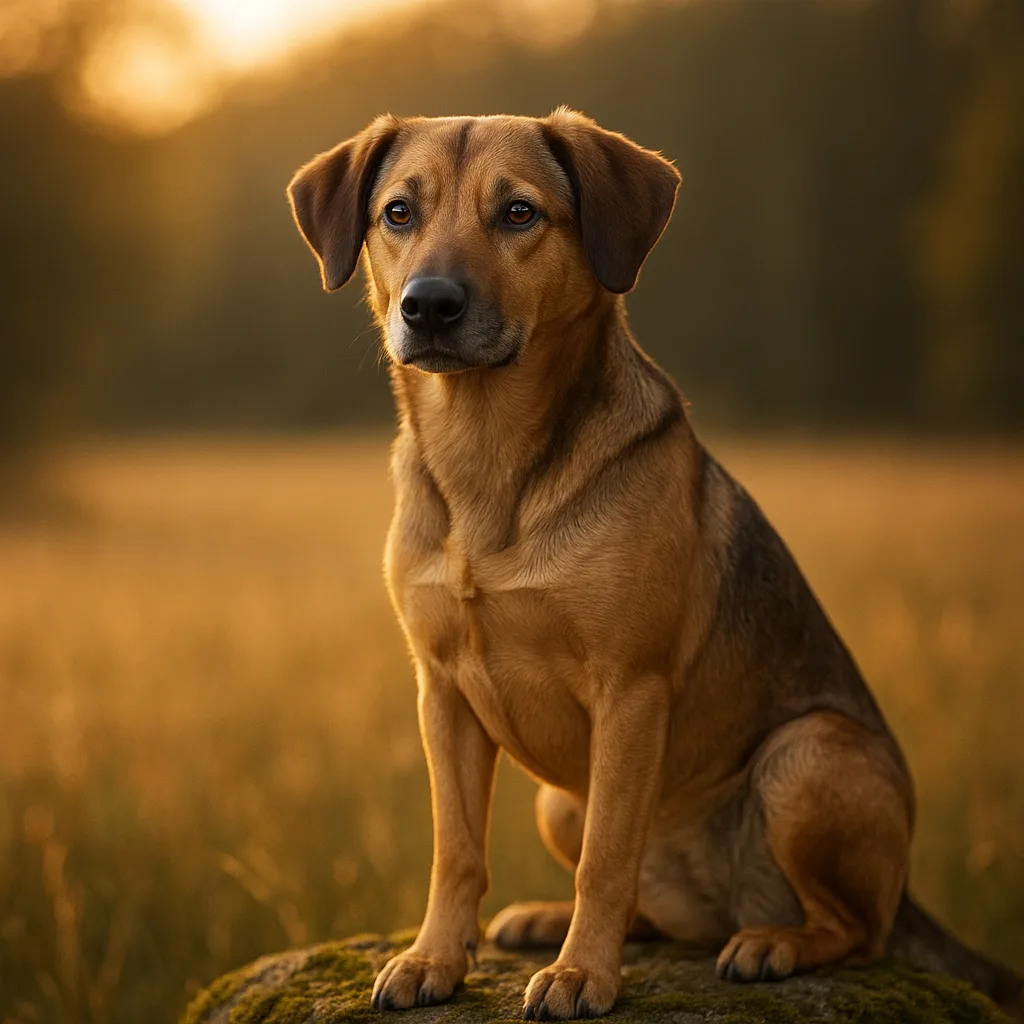
- Quick ID for training and behavior strategies
- Health and genetic risk awareness
- Deciding whether a breed fits their lifestyle (exercise, space, grooming)
- Curiosity about a shelter or rescue dog’s origins
How visual breed identification works (and its limits)
Visual identification relies on phenotype: the observable traits shaped by genetics and environment. In domestic dogs (Canis lupus familiaris), phenotype includes coat color and pattern, ear carriage, tail set, skull shape, body proportions, and gait. AI tools like Orvik analyze these cues across large labeled datasets to return likely breed matches.
What visual tools can reliably do
- Recognize common purebred signals (e.g., Labrador retriever body proportions, German Shepherd saddle pattern)
- Estimate proportions and size from reference objects if provided
- Suggest top 3–5 probable breeds with confidence scores
Limitations to expect
- Accuracy drops for mixed-breed dogs — especially multi-generation mixes
- Close relatives (e.g., Siberian Husky vs. Alaskan Malamute) can be mistaken for one another
- Age, grooming (shaved coats), and poor photo quality reduce reliability
Preparing the perfect photo for upload
Quality matters. A clear, well-lit photo with visible full-body and face improves identification dramatically.
- Use natural light: morning or late-afternoon light reduces shadows.
- Shoot at the dog's level: a side view that shows the entire body (nose to tail).
- Provide multiple angles: front, side, and head close-up.
- Include a size reference: a standard object (ruler, 30 cm/12 in book) or have the dog next to a person.
- Avoid costumes and heavy grooming that hide natural features.
Apps and quizzes such as "what breed is my dog quiz" or "dog breed id quiz" often ask for multiple photos to improve their results. Orvik, for example, uses multi-angle images to refine its AI-based suggestions.
Practical identification tips: visual cues that matter
Below are concrete, measurable cues to note when trying to identify a dog visually.
For more on this topic, see our guide on Identify Your Dog: Expert Visual Guide.
Size and proportions
- Adult height at the shoulder: toy (under 25 cm / 10 in), small (25–38 cm / 10–15 in), medium (38–56 cm / 15–22 in), large (56–70 cm / 22–28 in), giant (over 70 cm / 28 in).
- Body length vs. height ratio: Dachshunds are long-bodied (length often 1.4–1.6× height), while many spitz and working breeds are square (length roughly = height).
Head and skull shape
- Brachycephalic (short muzzle): Pugs, French Bulldogs; visible flat face, wide skull.
- Mesocephalic (medium muzzle): Labradors, Beagles.
- Dolichocephalic (long muzzle): Greyhounds, Collies; narrow skull and elongated nose.
Coat type, color and texture
- Single vs double coat: Double coats (Siberian Husky, German Shepherd) have a dense undercoat and protective guard hairs; they shed seasonally (heavy "blow out" in spring).
- Texture: wire-haired (e.g., Airedale), smooth/short (e.g., Boxer), long and silky (e.g., Afghan Hound).
- Patterns: brindle (tiger-like stripes), piebald (large white patches), saddle, mask, ticking (small spots), merle (mottled), sable.
Ears, tail, and gait
- Ear carriage: erect (German Shepherd), semi-erect (Collie), pendant (Beagle), rose (Bulldog), button (spaniels).
- Tail: curled and carried over back (Akita), sickle (many hounds), low-set with slow wag (retrievers), docked (some working breeds—where legal).
- Gait: trotting style, floating gallop (sighthounds), or choppy pace (some terriers) gives clues.
Comparison section: How to tell commonly confused breeds apart
Comparisons help when two breeds share many features.
Labrador Retriever vs Golden Retriever
- Labrador: broader head, otter tail (thick and tapering), short dense double coat, weight 25–36 kg (55–80 lb).
- Golden: longer, feathered coat, plumed tail, narrower head and softer expression, weight 25–34 kg (55–75 lb).
Siberian Husky vs Alaskan Malamute
- Husky: 51–60 cm (20–24 in) at shoulder, lighter bone, almond eyes often blue, high-energy endurance runner.
- Malamute: 56–69 cm (22–27 in), heavier bone, single brown eyes typical, built for heavy pulling (shorter, more powerful stride).
Pug vs French Bulldog
- Pug: smaller (25–30 cm / 10–12 in), rounder head, curled tail with tight double curl, large black eye rims.
- French Bulldog: broader chest, bat-like ears (erect and wide set), shorter muzzle, often more muscular shoulders.
Using apps and quizzes: what to expect (including Orvik)
Searchers may try "what breed is my dog app" or take a "what dog breed is my dog quiz." These tools vary in method and reliability.
- Image-based AI apps (like Orvik): analyze pixels, patterns, and proportions to generate likely matches; best for common breeds and clear photos.
- Text-based quizzes: ask about behavior, size, coat, and preferences to suggest breeds; useful when no photo is available.
- Hybrid systems: combine a quick quiz with an image upload to refine suggestions.
Typical outcomes:
You may also find our article on Photo Guide: Recognize Snakes in the Wild helpful.
- Top-1 match with confidence (e.g., 82% likely Labrador)
- Top-3 list showing probable mixes (e.g., 40% Labrador, 30% Border Collie, 15% German Shepherd)
- Advice on next steps: DNA testing, vet consult, or breed-specific resources
Apps often state accuracy ranges; image-only AI can be quite accurate for purebreds (often 70–90% in favorable conditions) but may only provide general guidance for mixed-breed dogs. For definitive ancestry, DNA tests from accredited labs (Wisdom Panel, Embark) measure genetic markers and report breed percentages—these are the gold standard for ancestry, often identifying breed components with >95% statistical confidence for included reference breeds.
When photo ID is enough — and when to choose DNA
Decide based on your needs:
- Photo ID is sufficient for casual curiosity, naming, and some behavior guidance.
- Choose DNA testing if you need precise ancestry for medical risk assessment or breeding decisions.
- If the dog is a recent rescue with unknown background and health concerns, combine visual ID (or app like Orvik) with DNA for best results.
DNA tests can detect predisposition markers (e.g., degenerative myelopathy, MDR1 sensitivity) that visual cues cannot. However, some health risks correlate strongly with phenotype; for example, brachycephalic breeds have predictable airway and thermoregulation concerns even without DNA confirmation.
Looking beyond this category? Check out Identify Trees from Photos: Expert Guide.
Health, behavior and safety considerations by breed type
Knowing likely breed types helps anticipate medical and safety needs. Below are common breed-group tendencies and cautions.
Related reading: Photo ID: Mastering Animal Identification in the Field.
Brachycephalic breeds (e.g., Pug, French Bulldog, English Bulldog)
- Issues: Brachycephalic obstructive airway syndrome (BOAS), heat intolerance, difficulty breathing during exercise.
- Safety tips: avoid vigorous exercise in heat, watch for exaggerated panting or cyanosis, consult vet before anesthesia.
Large/giant breeds (e.g., Mastiff, Great Dane, Saint Bernard)
- Issues: hip and elbow dysplasia, bloat (gastric dilatation-volvulus), average lifespan 6–10 years depending on breed.
- Safety tips: feed two or three small meals rather than one large meal, prevent high-intensity exercise immediately after eating.
Active working and herding breeds (e.g., Border Collie, Australian Shepherd)
- Issues: stereotypic behavior if under-stimulated (compulsive pacing, excessive barking); some ocular genetic conditions.
- Safety tips: provide 60–120 minutes of vigorous exercise and task-based enrichment daily.
Toxicity and general warnings
- Theobromine in chocolate is toxic to all dogs; risk scales with size (as little as 20 mg/kg can cause symptoms).
- Xylitol (artificial sweetener) causes rapid hypoglycemia and possible liver failure—extremely dangerous even in small amounts.
- Certain medications (e.g., ivermectin) interact with genetic variants (MDR1) found in collie-line dogs—DNA testing can reveal sensitivity.
Practical next steps after identification
Once you have likely breeds from a photo or app, take these actions to use the information responsibly.
- Confirm with multiple photos and, if possible, a second opinion from a different app or a breed-savvy veterinarian.
- Consider a reputable DNA test if health screening or breeding is a concern.
- Adjust care: diet portioning by expected adult weight, exercise plan tailored to breed energy level, grooming schedule matching coat type.
- Research breed-specific rescues or clubs for training tips, health resources, and community support.
Orvik can be part of this workflow: upload clear photos, review suggested breeds and confidence scores, and then decide whether to pursue DNA testing or veterinary consultation.
Conclusion
When someone searches "what breed is my dog upload picture" they seek quick, actionable answers. A good photo plus an AI tool like Orvik or a solid quiz can give a strong starting point. For precise ancestry or medical concerns, follow up with DNA testing and a veterinarian. Use visual cues—size, skull shape, coat type, ear and tail set, and gait—to make informed guesses, and always prioritize the dog's health and safety over breed labels.
Frequently Asked Questions
- How accurate are photo-based dog breed identification apps?
- Photo-based apps can be accurate for clear photos of common purebreds—often 70–90% in ideal conditions—but accuracy falls for mixed-breed dogs and unclear images.
- How many photos should I upload for best results?
- Provide at least 3 photos: a full side profile, a head close-up, and a front-facing shot. Include a size reference if possible.
- Is DNA testing better than a visual ID?
- Yes for ancestry and health markers. DNA tests identify genetic contributions and some disease risks with high confidence; visual ID is best for quick, practical guidance.
- Can an app identify behavior traits from a photo?
- Not reliably. Photos suggest breed tendencies, but individual behavior is shaped by training, socialization, and environment. Use photo ID as a starting point.
- Are there safety concerns tied to certain breeds?
- Yes. Brachycephalic breeds have breathing and heat risks; large breeds have joint and bloat risks; some breeds carry genetic sensitivities (e.g., MDR1). Consult a vet for breed-specific care.
- What if my dog is shaved or wearing a costume?
- Grooming or clothing that hides natural features reduces photo-ID accuracy. Try to upload images showing natural coat and body shape.
- Will an app like Orvik store my photos?
- Policies vary by provider. Check Orvik's privacy policy within the app to understand storage, usage, and deletion options for uploaded photos.