
Understanding the Phrase: "What Breed of Dog Should I Get Test"
When someone searches for "what breed of dog should i get test" they are usually trying to do two things at once: match their personality, lifestyle, and constraints to a living animal, and get quick, visually accurate identification of breeds that might already interest them. The phrase mixes a decision-making quiz with breed-identification. A good approach treats both: personality and practical fit first, then visual and genetic considerations second.
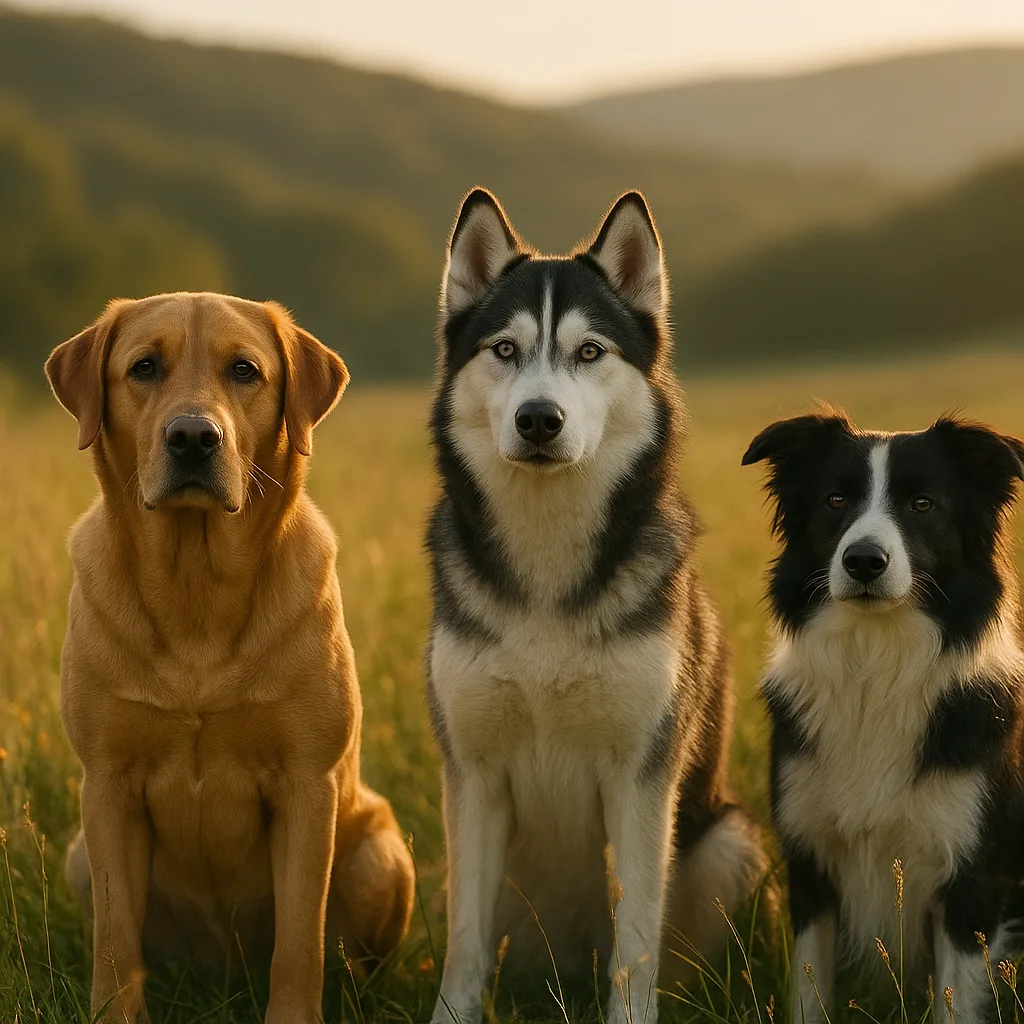
- What people expect: a personalized recommendation based on lifestyle, energy, allergies, and living space.
- What they often get: fun personality quizzes that emphasize novelty over practical reality.
- What they really need: a balanced assessment—energy, grooming, health risks, and the ability to identify breeds visually and behaviorally.
Key Factors to Consider Before Taking Any Breed Test
Choosing a dog is a long-term commitment: average domestic dog lifespan (Canis lupus familiaris) ranges from 8–15+ years depending on size and breed. Before using a quiz, pause and evaluate objective constraints.
Lifestyle Checklist
- Housing: apartment vs house with yard; stairs vs single-level
- Time: hours per day you can devote to exercise, training, and socialization
- Experience: first-time owner vs someone familiar with strong-willed breeds
- Allergies: human dander sensitivity or grooming tolerance
- Budget: routine care, grooming, food, and potential veterinary bills
Practical Constraints
- Local climate: heat and cold tolerance vary by coat type and anatomy.
- Local regulations: breed restrictions or landlord policies.
- Family composition: small children, elderly, other pets.
How Personality-to-Breed Tests Work (and How to Use Them)
There are many online quizzes titled "what type of dog are you personality test" or "what dog breed matches my personality quiz." They generally map human traits to common breed stereotypes: energetic → Border Collie, loyal → Labrador, independent → Shiba Inu. These are tools, not rules.
- Inputs: activity level, social preferences, time available, grooming tolerance.
- Outputs: a shortlist of breeds or breed types (toy, herding, working, etc.).
- Limitations: breed-level variability, mixed-breed temperament, and individual dog history.
Use these tests to narrow options, then validate with real-world observation and visual ID. If you already have a dog photo or see a dog in person, Orvik—an AI-powered visual identification app—can help confirm likely breeds or suggest similar types based on coat, size, and shape.
For more on this topic, see our guide on Identify a Dog Breed Fast and Accurately.
Visual Identification: Practical Tips for Spotting Breeds
Visual cues are essential for quick breed identification and for deciding which breeds match your aesthetic and practical preferences. Below are concrete, observable traits and how to interpret them.
Size and Proportions
- Height at shoulder: toy breeds under ~12 inches (e.g., Chihuahua 6–9 in, 1–6 lb), small breeds 12–18 in (e.g., French Bulldog 11–13 in, 16–28 lb), medium 18–24 in (e.g., Border Collie 18–22 in, 30–45 lb), large over 24 in (e.g., Labrador 21.5–24.5 in, 55–80 lb).
- Body type: elongated with short legs (Dachshund) vs square and muscular (Bulldog) vs lean and leggy (Greyhound).
Coat: Texture, Length, and Pattern
- Single vs double coat: double coats (e.g., Siberian Husky, Alaskan Malamute) have a dense undercoat and longer guard hairs—expect heavy seasonal shedding ("blowing coat").
- Coat textures: wiry (Airedale Terrier), silky (Yorkshire Terrier), dense and wavy (Golden Retriever).
- Patterns: brindle (striped dark on light), merle (mottled patches often with diluted pigment), saddle (distinct dark patch on back), tuxedo (black with white chest).
Head, Ears, and Eyes
- Ears: prick/erect (German Shepherd), drop (Labrador), button (Jack Russell), rose (Greyhound/Whippet).
- Skull: brachycephalic (short-nosed) breeds like Bulldogs and Pugs have flattened faces and often pronounced loose skin; dolichocephalic breeds (Greyhounds) have elongated narrow skulls.
- Eyes: almond-shaped in many herding breeds vs round and expressive in spaniels; heterochromia (two different colored eyes) is common in some breeds like Siberian Huskies and Australian Shepherds.
Tails and Movement
- Tail types: sickle (curved over the back as in many hounds), corkscrew (Bulldog), plume (long and feathered as in many spaniels), docked (common in some working breeds historically).
- Gait: high-stepping trot (Terriers), smooth ground-covering lope (Sighthounds), heavy, purposeful stride (Mastiffs).
Tip: when you spot a dog you like, note these four quick details—size, coat, ear shape, tail—to compare against breed profiles. Use Orvik to analyze photos and give a confidence estimate for one or more likely breeds.
Breed Comparisons: How to Tell Similar Dogs Apart
Many owners confuse breeds with similar coats or body shapes. Below are common confusions with visual and behavioral tips to separate them.
You may also find our article on Dolphin Diets: What They Eat and Why helpful.
Labrador Retriever vs Golden Retriever
- Coat: Labs have a dense, short, water-resistant coat; Goldens have a longer, wavy to flat coat with feathery fur on chest, legs, and tail.
- Head and expression: Goldens often have softer, rounder faces; Labs have a broader skull and more otter-like tail.
- Behavioral notes: both are sporting and people-oriented; Goldens may be slightly more prone to joining in quieter family life, Labs are typically more food-driven and boisterous.
Siberian Husky vs Alaskan Malamute
- Size: Malamutes are heavier and larger—males often 85+ lb vs Huskies 35–60 lb.
- Coat and mask: Huskies have a refined facial mask and almond eyes; Malamutes have broader heads and a more solid color distribution.
- Tail carriage: Husky tails are often curved with plume; Malamute tails are carried over the back but can appear heavier and fluffier.
French Bulldog vs English Bulldog
- Size and build: Frenchies are small (16–28 lb) with bat-like ears; English Bulldogs are heavier and lower to the ground (40–50 lb) with more loose skin.
- Skull: Both are brachycephalic, but English Bulldogs display more pronounced folds and a pushed-in nose.
- Behavioral note: Frenchies are often more active and playful in small spaces; English Bulldogs are calmer and less tolerant of heat.
Health, Safety, and Environmental Considerations
Matching a breed means understanding breed-specific health risks, environmental needs, and safety issues. Responsible ownership includes prevention and awareness.
- Genetic predispositions: large breeds (German Shepherd, Rottweiler) are more prone to hip dysplasia; brachycephalic breeds (Bulldog, Pug) face respiratory issues and heat intolerance.
- Exercise needs: Border Collies and Australian Shepherds often require 1.5–2+ hours of vigorous activity daily; many toy breeds do well with multiple short walks.
- Grooming time: double-coated breeds need weekly brushing and seasonal heavy deshedding; long-haired breeds require daily brushing to avoid mats.
Seasonal and Climate Behavior
- Cold-adapted breeds (Siberian Husky, Alaskan Malamute) do best in cooler climates; expect thicker coats and seasonal shedding—"blowing" the undercoat in spring.
- Heat-sensitive breeds: brachycephalic dogs struggle when ambient temperature exceeds ~24°C (75°F); avoid vigorous exercise in hot weather, provide shaded areas and cool water.
- Allergy seasons: dogs with long coats may collect pollen; frequent rinses and brushing can reduce allergies in both humans and dogs.
Toxicity and Safety Warnings
Many common foods and household plants are toxic to dogs. Know these high-risk items:
- Foods: chocolate (theobromine), grapes/raisins (kidney failure risk), xylitol (rapid hypoglycemia), onions/garlic (hemolytic anemia).
- Plants: sago palm (Cycas revoluta) can cause hepatic failure; lilies are extremely toxic to cats but some plants still pose risk to dogs—always identify plants first.
- Topicals & meds: human NSAIDs (ibuprofen, naproxen) can cause gastrointestinal and renal damage; essential oils like tea tree (melaleuca) can be toxic when absorbed through skin or ingested.
When assessing breeds, consider likely exposure: working outdoor dogs may encounter poisonous plants and wildlife more often than indoor companions.
Looking beyond this category? Check out Inside the Acai Berry: Nature’s Amazonian Purple Fruit.
Using Orvik and Other Tools to Find Your Best Match
After narrowing options with personality quizzes and practical checks, use visual and data tools to finalize your choice. Orvik, an AI-powered visual identification app, can accelerate the identification process by analyzing photos and returning likely breed matches with confidence scores.
Related reading: Identify Your Cat: A Field Guide.
How to Use Visual ID Apps Effectively
- Take clear photos: daylight, side profile, head-on, and a full-body shot showing tail and gait if possible.
- Note behavior: observe activity level, social behavior with strangers and other dogs, and how the dog responds to training cues.
- Cross-check: use Orvik to propose breeds, then verify with breed standards and local rescue descriptions—many shelter dogs are mixed breeds with varying temperaments.
Checklist Before Bringing a Dog Home
- Home safety: secure fencing, remove toxic plants and foods, set up a safe sleeping area.
- Vet and screening: pre-adoption health check, ask about vaccinations, spay/neuter status, and microchip registration.
- Training plan: identify local trainers or behaviorists, especially for breeds with high working drive or known stubbornness.
Orvik can be particularly useful at shelters or adoption fairs: a quick photo can suggest likely breeds and typical size, which helps you compare the dog’s needs to your lifestyle. Combine Orvik insights with behavioral testing and a professional vet exam to make a confident match.
Conclusion
People searching for "what breed of dog should i get test" want direction that blends personality, practicality, and accuracy. Use personality quizzes to narrow options, apply objective checks for lifestyle fit, and use visual identification tools like Orvik to confirm breed cues. Always prioritize a dog's long-term health and compatibility with your living situation—dogs are individuals beyond their breed labels.
Frequently Asked Questions
- Are personality quizzes accurate for choosing a dog?
- They are a useful starting point to narrow breed types but are not definitive. Combine quiz results with lifestyle checks, behavioral observation, and tools like Orvik for better decisions.
- How much exercise does a medium-sized dog need?
- Most medium active breeds need about 60–120 minutes of daily activity, including walks and mental stimulation; herding breeds may require more intensive work.
- Can Orvik identify mixed breeds from photos?
- Orvik can suggest likely breed components and confidence scores based on visual traits, which helps with identification but is not a genetic test.
- What foods are most toxic to dogs?
- Chocolate (theobromine), grapes/raisins, xylitol, onions, and garlic are high-risk. Keep human meds and toxic plants out of reach and consult a vet if ingestion occurs.
- Should first-time owners avoid certain breeds?
- First-time owners should typically avoid very high-energy or strong-willed breeds (Border Collie, Belgian Malinois) and consider adaptable companion breeds instead.
- How do I tell similar breeds apart, like Labrador vs Golden?
- Look at coat length and texture (Labs short and water-resistant; Goldens longer and feathered), head shape, and tail type. Behavior and grooming needs also differ.
- Is a visual ID app a substitute for vet advice or DNA testing?
- No. Visual ID apps are helpful for quick identification and matching, but vet exams and DNA tests provide medical, hereditary, and precise lineage information.