
1. Understanding the Bengal kitten: origins, biology, and identification
Bengal kittens (domestic cat: Felis catus bred with the Asian leopard cat, Prionailurus bengalensis) are distinct in both appearance and behavior. Knowing the youngster you’re feeding helps choose the right diet: Bengals tend to be muscular, high-energy and show a higher prey drive than many other domestic breeds.
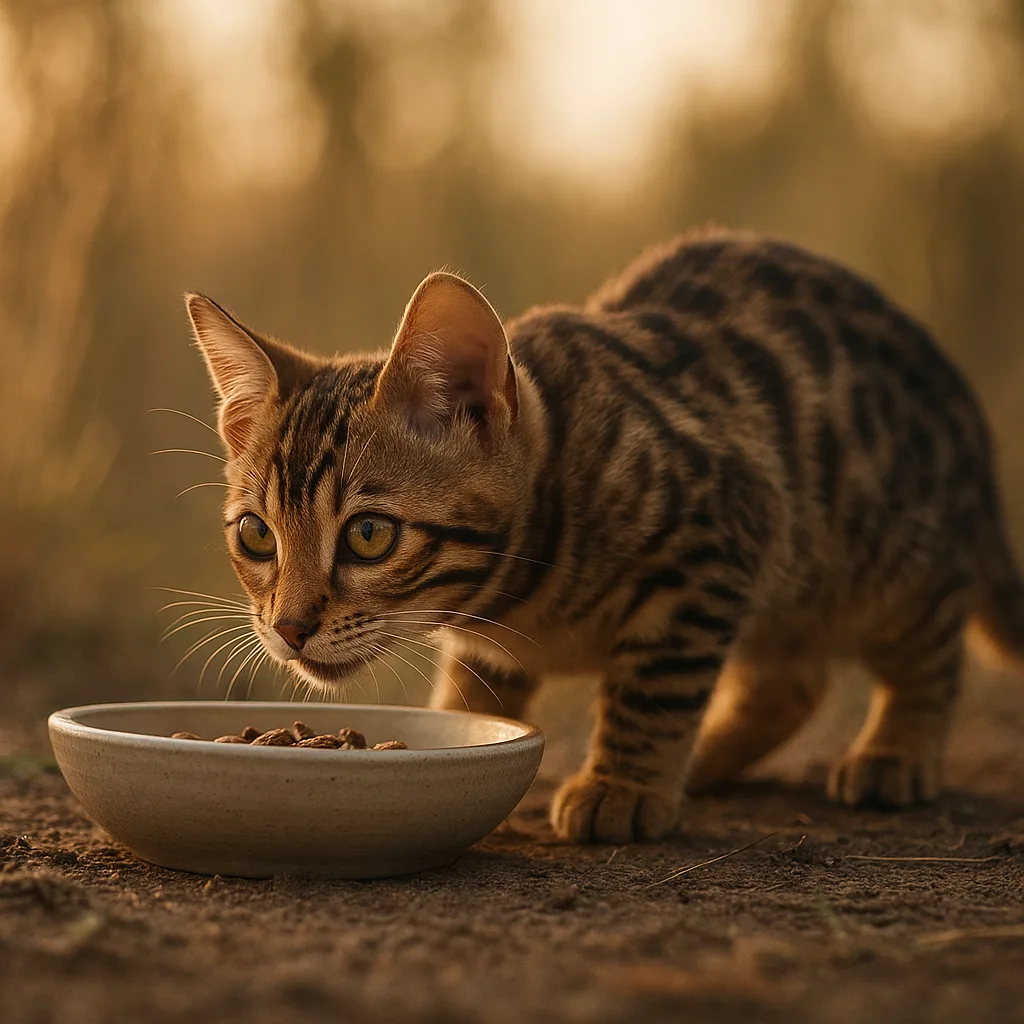
Visual identification tips
- Coat pattern: Rosettes (two-tone spots) or marbling; clear leopard-like patterning that often runs in horizontal flow. Look for spots with darker outlines and lighter centers.
- Coat texture: Dense and often glittered (hair shafts that reflect light), short to medium length.
- Build and size: Lean, muscular frame; long legs and proportionally longer body than a typical domestic shorthair.
- Head and eyes: Broad muzzle, alert almond-shaped eyes; eye color varies but often bright green, gold or hazel.
If you’re ever unsure of your kitten’s breed or pattern, tools like Orvik can help visually identify breed traits and confirm whether you’re dealing with a high-energy hybrid-type or a more typical domestic variety.
Origins, habitat and seasonal behavior
- Origins: Bengals are a modern hybrid breed developed in the 1960s and later by crossing domestic cats with the Asian leopard cat.
- Habitat in the wild ancestor: Prionailurus bengalensis inhabits forests and grasslands across South and East Asia — agile hunters in a range of climates.
- Seasonal behavior: Domesticated Bengals typically do not migrate, but may show seasonal variations in activity and appetite (higher energy in spring/summer). Kittens grow rapidly in the first 6–9 months and show growth spurts and increased caloric needs.
2. Core nutritional needs for a Bengal kitten
Kittens require a different nutritional balance than adults. Bengal kittens grow fast and need dense, high-quality nutrition: high protein, healthy fat, and essential micronutrients. The basic goals are to support lean muscle, neurologic development, and immune maturation.
Key macronutrient targets
- Protein: Aim for diets with at least 30% crude protein on a dry matter basis for growth; many premium kitten foods provide 35–45% protein. Protein supports muscle growth — target roughly 35–45% of calories from protein.
- Fat: Fat supplies energy and essential fatty acids. Kitten diets commonly contain 20–35% fat on a dry matter basis (30–45% of calories).
- Carbohydrates: Cats are obligate carnivores and have limited carbohydrate requirements. Commercial diets will contain carbs, but these should not dominate the kcal profile.
Essential micronutrients and special needs
- Taurine: Essential sulfur amino acid for heart and eye health in cats. Confirm the diet meets AAFCO/NRC standards for growth-stage taurine levels.
- Calcium and phosphorus: Critical for bone development; ideal Ca:P ratio is approximately 1.0–1.5:1 in growing kittens.
- Vitamins and minerals: Vitamin A (preformed), B-vitamins, vitamin D and trace minerals are necessary. Commercial kitten foods labeled for growth will comply with guidelines; homemade diets require careful formulation.
Estimated caloric needs (practical rule of thumb)
- Growing kittens (approx. 8–20 weeks): ~200–260 kcal per kg bodyweight per day during peak growth phases. Example: a 1.5 kg (3.3 lb) 3-month-old kitten needs roughly 300–390 kcal/day (1.5 kg × 200–260 kcal/kg).
- Older kittens (4–6 months): energy needs gradually decrease; re-evaluate monthly.
- Always use the calorie density listed on the food label (kcal per 100 g for wet food; kcal per cup or per 100 g for dry food) to calculate portions.
3. Feeding schedule and portion guidelines by age
Frequency and portion sizes shift quickly in the first year. Below are practical, vet-friendly recommendations. Adjust for activity level and body condition.
Feeding frequency
- 0–8 weeks: Nursing primarily; if orphaned, kitten formula every 2–4 hours.
- 8–12 weeks: Offer 4 small meals per day (kibble and/or wet food).
- 3–6 months: 3 meals per day; energy needs remain high.
- 6–12 months: Transition to 2–3 meals per day depending on appetite.
- 1 year onward: Most Bengals do well on two meals per day; some active adults benefit from free-choice dry food plus scheduled wet meals, but portion control is important.
Sample portion calculations
Use the calorie target and food kcal density to calculate the grams to feed.
For more on this topic, see our guide on Feeding a Cane Corso Puppy: Practical Diet Plan.
- Estimate kcal/day. Example: 1.5 kg kitten → 300–390 kcal/day.
- Check food label. If wet food = 90 kcal/100 g: 300 kcal ÷ 0.9 kcal/g ≈ 333 g/day (~3 x 110 g meals).
- If dry kibble = 350 kcal/100 g: 300 kcal ÷ 3.5 kcal/g ≈ 86 g/day (split across meals).
- Make small adjustments every 1–2 weeks based on weight gain and body condition (aim for steady growth, not fat gain).
4. Best food types: commercial, raw, and homemade
Each approach has advantages and risks. For most Bengal kittens, a high-quality commercial kitten diet formulated for growth provides the best balance of nutrition, safety and convenience.
Commercial diets (recommended for most owners)
- Complete kitten formulas: Look for AAFCO (or local regulatory) approval for growth and kitten stages. These are balanced for protein, fat, calcium and taurine.
- Wet vs dry: Wet food increases water intake and often has higher protein by weight; dry kibble aids dental abrasion but is calorie-dense. A mixed feeding strategy (wet + controlled dry) is common.
- Protein sources: Real meat (chicken, turkey, fish, lamb) listed as first ingredient. Avoid vague terms like "meat by-product" as primary protein sources if you can.
Raw / BARF diets (benefits and risks)
- Pros: High animal protein, low carbs, closer to natural prey composition.
- Cons and risks: Bacterial pathogens (Salmonella, E. coli), nutritional imbalances (calcium/phosphorus, taurine deficiency if poorly formulated), and bone hazards (aspiration, tooth damage). Not recommended unless formulated and prepared by a knowledgeable veterinary nutritionist and strictly handled for food safety.
Homemade cooked diets
- Can be safe if a veterinary nutritionist formulates the recipe and includes supplements (vitamins, minerals, taurine).
- Typical homemade targets: 35–45% calories from protein, 25–40% from fat, Ca:P ~1.1–1.5:1, plus 200–500 mg taurine/day depending on kitten size. Exact dosing must be tailored — consult your vet.
5. Comparison: Bengal vs Ragdoll vs Maine Coon vs British Shorthair feeding needs
People searching related phrases like "what should i feed my ragdoll kitten," "what should i feed my maine coon kitten," and "what should i feed my british shorthair" want breed-specific guidance. Below are breed comparisons and identification markers to help tailor feeding.
How to tell them apart (visual cues)
- Bengal: Rosettes or marbled pattern, glittered short coat, agile, medium to large frame.
- Ragdoll: Large, semi-longhaired, pointed pattern (seal, blue, etc.), striking blue eyes, docile temperament.
- Maine Coon: Very large (6–11 kg adult), long shaggy coat, tufted ears, bushy tail, rectangular muzzle.
- British Shorthair: Stocky, round face, dense plush coat, calm demeanor; often solid blue (grey) in the classic variety.
Feeding differences by breed
- Bengal: High energy; feed a high-protein, moderate-to-high-fat diet; monitor weight but expect lean musculature.
- Ragdoll: Large and slower to mature; may need calorie-dense food but careful portioning to avoid excess fat — aim for balanced protein with controlled fat once adult size reached.
- Maine Coon: Very large frame and longer growth period (often not fully mature until 3–4 years); feed more calories during prolonged growth, with higher protein and calcium for bone development.
- British Shorthair: Prone to stockiness; control calories to maintain a healthy body condition with quality protein and moderate fat.
In short: tailor energy density and portion size to size, activity and growth rate. When in doubt, weigh weekly and consult a veterinarian.
You may also find our article on Dolphin Diets: What They Eat and Why helpful.
6. Safety, toxic foods and common pitfalls
Safety is crucial. Many common human foods and feeding practices can injure cats. Follow these warnings and prevention tips.
Foods and substances to NEVER feed
- Onions, garlic, chives: Cause oxidative damage to red blood cells → hemolytic anemia.
- Chocolate and caffeine: Theobromine and caffeine cause tremors, arrhythmias, seizures.
- Grapes and raisins: Can cause acute kidney injury in some cats.
- Xylitol: Small amounts (found in sugar-free gum) can cause hypoglycemia and liver failure.
- Raw bread dough: Can expand and produce ethanol in the stomach; dangerous.
- Cow’s milk: Many cats are lactose intolerant — can cause diarrhea.
- Cooked bones: Splinter and cause GI perforation or obstruction.
Other common pitfalls
- Sudden diet changes: Can cause vomiting/diarrhea. Transition over 7–10 days by gradually mixing new food into old.
- Overfeeding: Bengals are muscular but still prone to weight gain if calorie intake exceeds needs; portion control matters.
- Poor hydration: Cats have low thirst drive; wet food helps; always provide fresh water.
- Improper homemade diets: Can be unbalanced for calcium, phosphorus, taurine and vitamins.
7. Practical monitoring, tools and growth tracking
Monitoring growth and body condition is as important as choosing a diet. Use consistent measures and tools to ensure healthy development.
You might also be interested in Spotting Bed Bugs: A Clear Visual Guide.
How to monitor progress
- Weekly weighing: Use a digital pet scale or kitchen scale. Track weight on a chart or app.
- Body condition scoring (BCS): Aim for a BCS of 4–5/9 for kittens (lean but not emaciated). You should be able to feel ribs with a thin fat covering and see a waist from above.
- Photograph monthly: Photos help you notice subtle changes in condition and coat quality.
Helpful tools and apps
- Orvik: Use Orvik to visually identify breed traits and help determine whether your kitten’s growth pattern and physical traits align with breed expectations.
- Calorie calculators: Many manufacturer websites and veterinary clinics provide kitten calorie calculators — use them as starting points.
- Feeding scales and measuring spoons: For dry food, weigh rather than use cup measures when possible (cups vary). For wet food, weigh by grams.
Regular veterinary check-ups (vaccination visits) are the best time to discuss weight trends and adjust feeding plans. If you change diet type (wet → dry, or commercial → homemade), schedule a vet consult and transition gradually over 7–14 days.
Related reading: Identify Your Cat: A Field Guide.
8. Grooming, hygiene and the special case: Sphynx washing
While grooming needs are lower for a Bengal than for a Sphynx or long-haired breeds, overall hygiene and skin/fur condition reflect nutritional status. Proper bathing and coat care can prevent skin problems and tactile dirt accumulation.
What to wash a Sphynx cat with (brief note for owners asking "what do i wash my sphynx cat with")
- Sphynx cats (hairless) need regular baths every 1–3 weeks because they lack a fur layer to absorb skin oils. Use a gentle, cat-formulated shampoo (pH-balanced for Felis catus) or a pediatric mild tear-free shampoo. Avoid human shampoos with fragrances and harsh detergents.
- Rinse thoroughly and dry with a warm towel. Monitor skin for irritation and consult a vet for medicated shampoos if skin infections develop.
Coat and skin care for Bengals
- Shorthaired Bengals usually require only occasional brushing (1–2x weekly) to remove loose hair and stimulate skin oils.
- Poor coat quality can indicate nutritional deficiency (insufficient essential fatty acids, vitamin or mineral imbalance). If coat looks dull, discuss diet and possible supplements with your vet.
Conclusion: Feed for growth, monitor closely, and get help when needed
What you should feed your Bengal kitten is a high-quality, growth-formulated diet with high animal protein, sufficient fat, and all essential nutrients (including taurine and calcium-phosphorus balance). Feed frequent small meals when young, calculate portions using the kcal density on the bag or can, and adjust by weight and body condition. If you’re comparing breeds—Ragdoll, Maine Coon, British Shorthair—tailor calories and calcium to the expected adult size and growth duration. Avoid toxic foods, be cautious with raw diets, and use tools like Orvik to confirm breed traits and help interpret visual cues.
When in doubt, consult your veterinarian or a veterinary nutritionist. They can give precise caloric targets, adjust feeding plans, and recommend supplements if you prefer homemade diets. Your Bengal kitten’s rapid growth window is brief; getting nutrition right now sets a foundation for a healthy, active adult cat.
Frequently Asked Questions
- What is the best age to switch from kitten food to adult food for a Bengal?
- Most Bengals can transition to adult food between 10–12 months, but large-breed cats like Maine Coons may benefit from kitten or junior formulas for up to 18–24 months. Monitor size and ask your vet.
- Can I feed my Bengal kitten a raw diet?
- Raw diets carry risks of bacterial contamination and nutritional imbalance. If you choose raw, work with a veterinary nutritionist, practice strict hygiene, and ensure the diet is balanced for growth.
- How often should I weigh my kitten?
- Weigh weekly during rapid growth (first 4–6 months) and monthly thereafter. Track weight to adjust portions and identify problems early.
- Is wet food better than dry food for Bengals?
- Wet food helps with hydration and often has higher moisture and protein. A combination of wet and measured dry can work well; the priority is quality, not format.
- What foods are toxic to Bengal kittens?
- Avoid onions, garlic, chocolate, caffeine, grapes/raisins, xylitol, raw bread dough, and cooked bones. Also avoid excessive milk; many cats are lactose intolerant.
- How do I know if my kitten is getting enough taurine?
- Use an AAFCO-approved commercial kitten diet (it meets taurine needs). If feeding homemade or unusual diets, consult your vet about taurine supplementation.
- My kitten seems very active — should I feed more?
- Active kittens may need more calories, but increase portions gradually and monitor weight and body condition. Frequent small meals are preferable to one large meal.