
Why use an app to identify birds?
When you spot a fleeting raptor or hear a dawn chorus from the hedgerow, the questions are immediate: what species is that, where is it normally found, and how confident can you be in the ID? An app to identify birds answers those questions in real time, combining field-tested natural history with machine learning. For both beginners and experienced birders, apps compress decades of field knowledge into an on-the-spot reference that can increase accuracy, deepen learning, and speed up documentation.
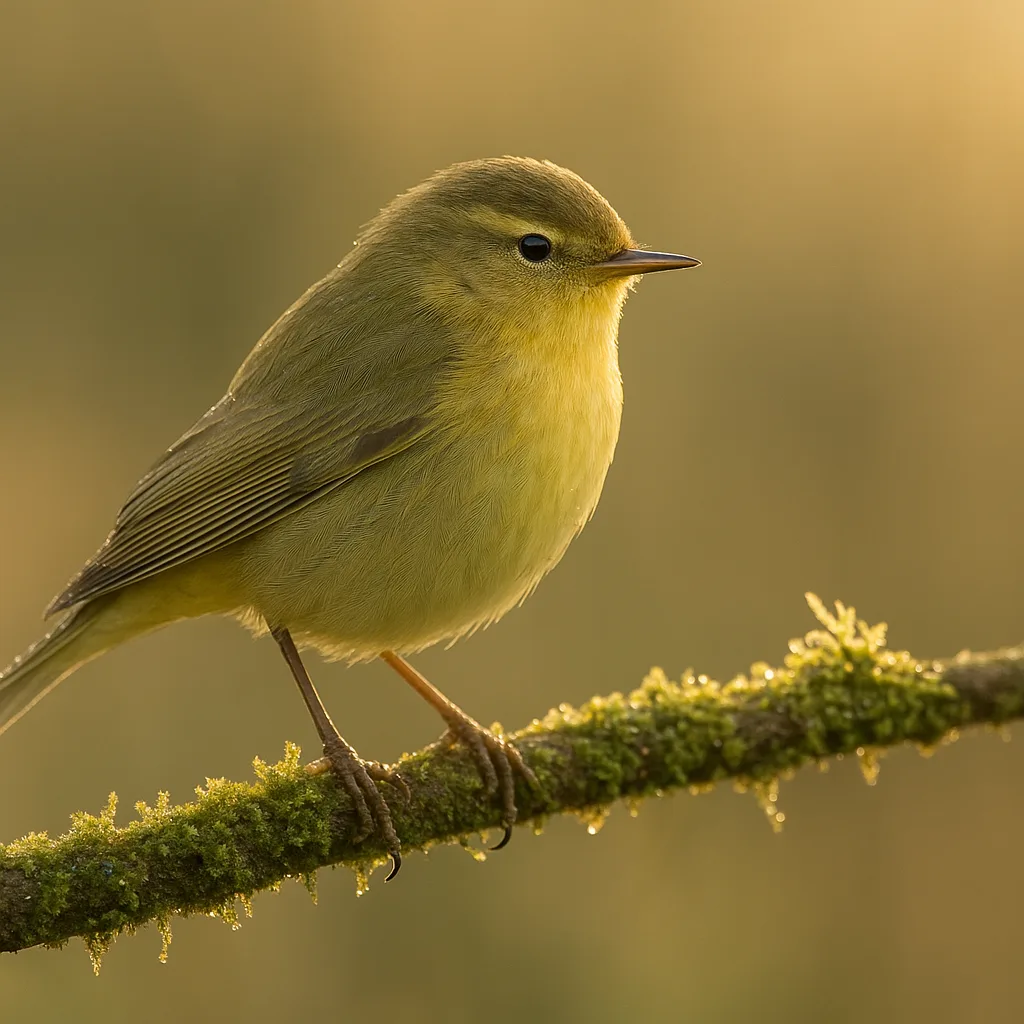
- Immediate identification in seconds — useful for fast-moving or skulking birds.
- Records and stores observations with date, GPS coordinates, and often audio.
- Combines visual cues, user photo analysis, and bird call recognition to raise confidence.
- Helps novices learn visual patterns, and pros validate tricky IDs.
People searching for an app to id birds, or a recognize birds app, usually want an easy, reliable tool that works outdoors, recognizes both images and sounds, and reduces guesswork. Modern tools such as Orvik use AI to analyze photos and spectrograms, delivering probabilities and likely species that you can verify with field traits.
How bird ID apps work
Bird ID apps rely on two main approaches: visual recognition (images) and acoustic recognition (calls and songs). Each uses different data and algorithms; combining them gives the best results.
Visual identification (image-based)
- Convolutional neural networks (CNNs) analyze pixel patterns, color patches, and shapes to match to labeled photos.
- Apps compare your image against large reference libraries—some databases include millions of images spanning life stages and plumages.
- Quality matters: clear, well-lit photos showing key features (bill, eye ring, wing bars) improve accuracy dramatically.
Acoustic identification (bird call recognition)
- Audio apps convert recordings into spectrograms—visual representations of frequency (Hz) over time (s).
- Machine learning models then match temporal and frequency patterns to known calls and songs (e.g., 2.5–6 kHz range for many passerines).
- Background noise, multiple overlapping singers, and distant calls reduce accuracy; some apps, including bird call app and bird sound identifier app tools, offer noise-reduction and segmenting functions.
Hybrid apps combine both methods: you can take a photo and record a short snippet of song, and the app synthesizes the probabilities to improve the final ID. Orvik, for example, integrates visual AI with robust acoustic models to provide multi-modal confirmations in many cases.
Key features to look for in an app to identify birds
Not all bird ID apps are equal. When choosing a recognize birds app, evaluate the features that matter for your use case: accuracy, offline capability, scope of species, and helpfulness for learning.
- Species coverage: Does the app cover regional and migratory species? Good apps include tens of thousands of species (e.g., global apps often exceed 10,000 taxa).
- Offline maps and content: Essential for remote fieldwork—look for downloadable guides and audio packs.
- Audio recognition quality: If you need a bird call identifier app, check whether it provides spectrograms, confidence scores, and the ability to clip segments of recordings.
- Image quality handling: Apps should handle partial views and give probabilistic IDs, not certainties, when data are incomplete.
- Data export and privacy: Can you export sightings to CSV or eBird? What are the privacy terms for uploaded photos and recordings?
- Community and validation: Built-in peer review by experts or community vetting increases reliability.
Orvik stands out for offering a clean user experience with rapid visual IDs, clear confidence scores, and a capable bird call recognition pipeline—useful when you need both photo and audio verification in the field.
Practical field identification tips: what to photograph and record
For reliable IDs, whether you're using a smartphone and an app to identify birds or a DSLR and a separate recorder, follow field-proven practices that emphasize the features machine-learning models and human experts rely on.
For more on this topic, see our guide on AI Field Guide: Identify Birds Fast.
- Approach quietly and steady your camera; a 1/500 s shutter or faster helps freeze movement for small passerines.
- Get multiple angles: side profile, head-on, and shots of wings spread if possible (show wing bars, tertials, and flight feathers).
- Include a scale when possible—objects like a hand or a twig can help convey size (small songbirds often 10–18 cm, medium birds 20–40 cm, raptors 40–120 cm wingspan).
- Record short, uninterrupted audio clips of 10–30 seconds for bird call identification; keep the microphone within 10–30 meters for highest fidelity.
- Note habitat, behavior, and time of day—many species are habitat specialists and are active at predictable times (e.g., dawn chorus 04:30–07:30 local time during breeding season).
Visual cues that apps and field guides use include:
- Color and pattern: breast streaking vs. clear belly, eye ring color, shoulder patches (e.g., the American Redstart Setophaga ruticilla shows orange patches on flanks and wings in males).
- Bill shape & size: seed-eaters like the House Sparrow Passer domesticus have thick conical bills; insectivores like the Eastern Phoebe Sayornis phoebe have slender bills.
- Silhouette: long-tailed vs. short, overall profile (e.g., a Cooper's Hawk Accipiter cooperii has a longer tail relative to wing length than a Red-tailed Hawk Buteo jamaicensis).
- Leg color & length: waders such as the Common Greenshank Tringa nebularia have long yellowish legs, whereas sandpipers often have shorter, darker legs.
Examples with measurements and IDs:
- American Robin (Turdus migratorius): 23–28 cm length, orange-red breast, dark head—common in North America year-round in many regions.
- Northern Cardinal (Cardinalis cardinalis): 21–23 cm, stout bill 12–14 mm width, striking red plumage in males, crest visible at rest—resident across eastern and central North America.
- Common Chiffchaff (Phylloscopus collybita) vs. Willow Warbler (Phylloscopus trochilus): both small (10–11 cm). Chiffchaffs have a distinctive repetitive 'chiff-chaff' song and browner tones; willow warblers show a more melodic descending song and often a paler supercilium.
Safety note: do not handle chicks, nests, or wild birds unless licensed. Many songbirds are fragile and human handling can cause nest abandonment. Also be aware of toxicity risks—certain waterfowl and terrestrial birds can accumulate toxins (e.g., lead in scavenging raptors) and should be observed, not touched.
Best apps compared: Orvik, Merlin, iNaturalist, and Audubon
Which recognize birds app is best depends on your priorities: visual ID speed, audio accuracy, community validation, or conservation data sharing. Below is a practical comparison of leading apps, with strengths and limitations.
You may also find our article on Identify Birds by Sound: A Practical Field Guide helpful.
- Orvik: AI-powered visual ID with integrated audio; strong on multi-modal confirmations, fast on-device processing, useful offline packs for specific regions.
- Merlin Bird ID (Cornell Lab): Excellent beginner interface, large curated library, strong photo ID and Sound ID module; excellent for North America and Europe with ~8,000 species across various packs.
- iNaturalist (CalAcademy & Natureserve): Community-driven IDs, broad taxonomic scope (plants, insects, birds), great for records and research-grade observations; less focus on automated audio identification.
- Audubon Bird Guide: In-depth field guide content, species accounts, range maps, and solid audio libraries; good for learning natural history alongside IDs.
X vs Y: How to Tell Them Apart
- Orvik vs. Merlin: Orvik emphasizes speed and multi-modal AI inference; Merlin is deeply curated with Cornell-backed data and excels in curated regional packs.
- iNaturalist vs. Audubon: iNaturalist is community- and research-focused (useful for citizen science and distribution records), whereas Audubon is a traditional field-guide experience with quality audio clips and detailed species accounts.
- Merlin vs. Bird call apps like Song Sleuth: Merlin’s Sound ID is broad and user-friendly; dedicated bird call identification apps may provide advanced spectrogram editing and batch processing for research purposes.
When choosing, consider offline capability, species coverage for your region, and whether you need a bird call recognition app or a primarily visual one. Many birders use a combination: Merlin or Orvik for quick field IDs, iNaturalist for records, and Audubon for deep species accounts.
Using bird call ID: techniques, spectrograms, and limitations
Recognizing birds by sound is a skill that apps can accelerate but not completely replace. A bird call identifier app or bird sound identifier app is most useful when you understand how to capture clean audio and interpret confidence scores.
- Recording technique: Keep the microphone steady, avoid wind and rustle, and record multiple short clips (10–30 s). Position yourself within 10–30 m for passerines; for waterfowl or shorebirds you may be able to record from 50 m or more.
- Spectrogram basics: Notes show as bands; frequency is on the vertical axis (Hz), time on the horizontal axis (s). For instance, a House Wren Troglodytes aedon typically has notes between 3–8 kHz with short rapid phrases.
- Common limitations: Overlapping species, echo in forested habitats, wind, and human noise reduce accuracy. Some nocturnal calls are low-amplitude and need specialized gear.
Example species distinctions by song:
- Common Nightingale (Luscinia megarhynchos) vs. Thrush Nightingale (Luscinia luscinia): Nightingale has louder, more varied phrases with whistles and gurgles, often peaking 2–6 kHz; Thrush Nightingale has a more monotonous, insect-like song with shorter phrases.
- American Robin vs. European Blackbird (Turdus merula): Both are thrushes ~23–28 cm. Robin song is a series of clear whistles often with a pause; blackbird has more fluty and melodious phrases with mimicry in urban settings.
For research-grade recordings, consider apps that export WAV or FLAC files, include GPS stamps, and attach metadata like time, temperature, and habitat. Orvik and other sophisticated apps offer built-in spectrogram displays and can highlight likely segments for automatic analysis.
Looking beyond this category? Check out Field Guide to Flower Names.
Regional considerations and seasonal behavior
Species lists change with geography and season. The same app may need different data packs for Europe, North America, Africa, or Australasia. Migration, breeding, and molt cycles affect appearance and song.
Related reading: Identify Birds by Ear Like a Pro.
- Geographic range: Many species have discrete breeding and wintering ranges—use local range maps. For instance, the Blackpoll Warbler Setophaga striata breeds in boreal forests of Canada and migrates over the Atlantic to South America.
- Seasonal plumage: Birds often molt into breeding plumage (brighter, more saturated colors) or non-breeding plumage (duller, streaked). For example, male Common Eider Somateria mollissima has a distinct black-and-white alternate plumage in winter vs. breeding.
- Timing of songs and calls: Migrants often sing intensively on territory during breeding season; wintering birds may be quieter. Dawn and dusk periods show peak vocal activity during the breeding season.
Apps that offer region-specific packs (with annotated photos and localized call libraries) will outperform generic global datasets when you're in migration hotspots or remote habitats. Orvik provides downloadable regional packs to improve offline ID and reduce false positives caused by species absent from your area.
Ethics, safety, and data privacy
Field recording and photography come with ethical and legal responsibilities. Apps collect data that can be valuable for conservation but potentially harmful if misused (e.g., revealing the location of a rare ground-nesting species).
- Disturbance: Avoid persistent playback to attract birds during sensitive periods (nesting/egg-laying). Playback can cause adults to abandon nests or draw predators to nests.
- No handling: Do not handle birds or nests unless under permit. Many passerines weigh 6–40 g and are easily harmed by stress.
- Sensitive data: Use obscured location settings for rare species or breeding sites; many apps and eBird have options to hide precise coordinates.
- Data ownership: Check whether photos and recordings are used for training AI. Orvik, Merlin, and other apps disclose policies—read the terms if you’re concerned about intellectual property.
Safety warning: some birds, especially seabirds or large raptors, can carry parasites or zoonotic pathogens. Observe at a distance and wash hands after any contact with feathers or droppings. If you find an injured bird, contact licensed wildlife rehabilitators rather than attempting to treat it yourself.
Conclusion
An app to identify birds is a powerful field tool when used with good technique and ecological awareness. Visual AI and bird call recognition have matured—apps like Orvik combine both to give reliable, fast IDs while offering offline packs and export options. Your success depends on capturing clear photos and audio, using regional resources, and validating AI outputs with field traits like bill shape, wing pattern, and habitat. Use apps to learn and contribute to conservation, but always prioritize bird welfare and data privacy.
Frequently Asked Questions
- What is the best app to identify birds for beginners?
- Merlin (Cornell Lab) is particularly beginner-friendly with regional packs and simple workflows; Orvik is also excellent for integrated visual and audio AI.
- Can apps identify birds by song alone?
- Yes. Dedicated bird call identifier and bird sound identifier apps can match clear recordings to species using spectrogram analysis, though background noise and overlapping singers reduce accuracy.
- Do bird ID apps work offline?
- Many do. Look for apps with downloadable regional packs—Orvik, Merlin, and others offer offline images, audio, and maps for fieldwork without cell service.
- How accurate are image-based bird ID tools?
- Accuracy depends on photo quality and species. For clear images of common species, top-5 accuracy often exceeds 85–95%; partial views or rare taxa lower confidence.
- Are recordings from apps useful for scientific research?
- Yes, when recordings are high-quality (WAV/FLAC), time-stamped, georeferenced, and validated. Research projects prefer raw audio files with metadata.
- How should I avoid disturbing birds when using apps?
- Limit playback, stay a respectful distance from nests, avoid handling birds, and use obscured location settings for sensitive species.
- Can apps measure the size of birds from photos?
- Absolute measurements are difficult without a scale; including a known object in the frame helps. Apps usually provide comparative size categories (e.g., sparrow-sized, thrush-sized).