
Feather identification is both an art and a science. Whether you found a single flight feather on a trail or a cache of down near a nest, learning to interpret size, shape, color and microstructure will tell you which bird left it. This comprehensive field guide delivers practical measurement methods, visual cues, common species profiles (including hawks and owls), legal and safety cautions, and modern tools—like Orvik—for quick, AI-assisted ID.
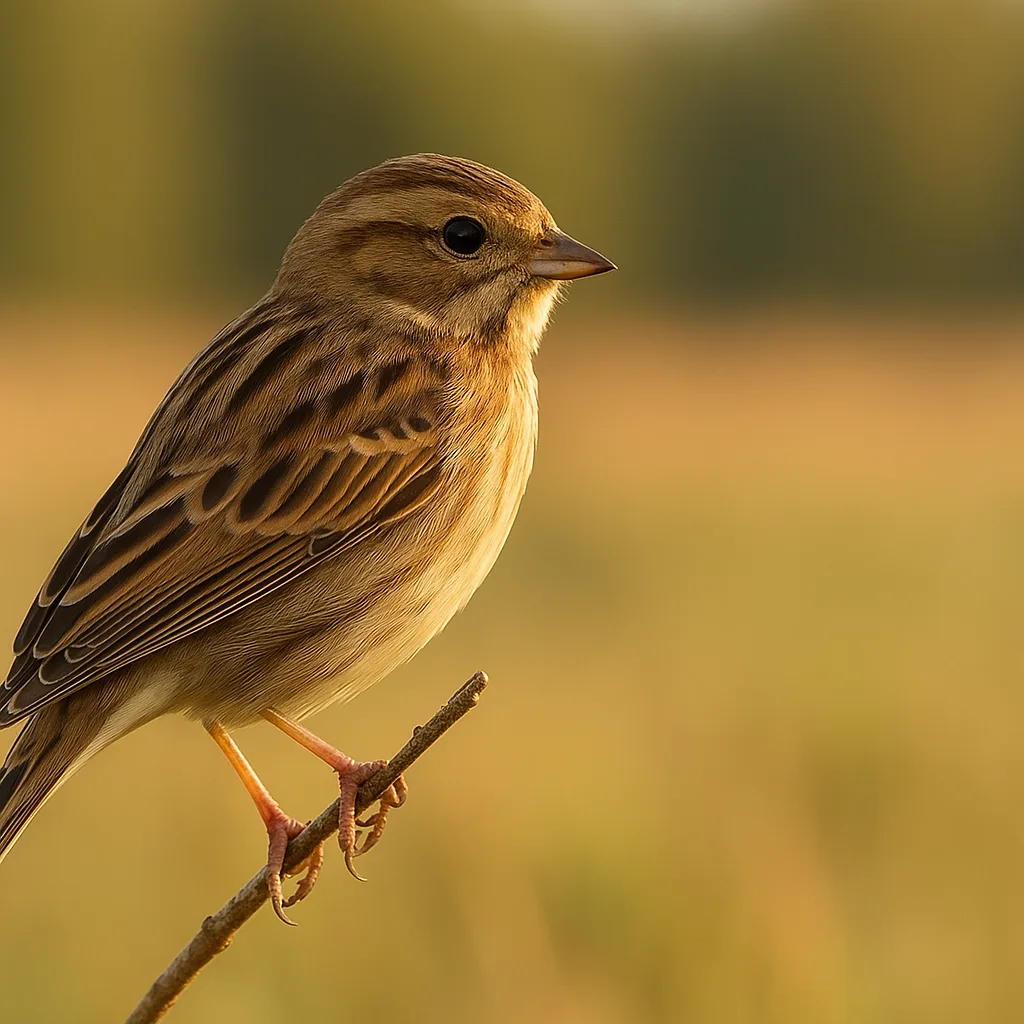
Why Feather Identification Matters
Identifying feathers helps naturalists, rehabilitators, and researchers answer questions about local bird communities, molt cycles, predation, and habitat use. Birders may use feathers to:
- Document species presence where sightings are rare.
- Understand annual molt schedules and age classes.
- Identify predators or scavengers through prey feather remains.
- Track migration stopover sites via feather finds.
Feathers are also important in forensic ecology (e.g., collisions or poaching cases) and in environmental monitoring because contaminants can concentrate in feathers.
Feather Anatomy & Types
Understanding basic feather anatomy is the foundation of identification. Most feathers share the same components, but structure varies by function.
For more on this topic, see our guide on AI Field Guide: Identify Birds Fast.
- Calamus (quill) — hollow base that anchors into skin.
- Rachis — central shaft extending from the calamus.
- Vane — the flat surface formed by barbs on either side of the rachis.
- Barbs & barbules — interlocking structures that create a continuous surface.
- Afterfeather — a small secondary feather off the calamus in some species.
Major feather types
- Primaries — outer flight feathers on the wing; long, asymmetrical, generate propulsion.
- Secondaries — inner flight feathers; broader, more rounded than primaries.
- Rectrices — tail feathers; used for steering and braking.
- Coverts — small feathers covering the bases of flight feathers; key for patterning.
- Down — fluffy insulation feathers lacking a structured vane; short and soft.
Identifying which feather type you have (primary vs. secondary vs. tail) often narrows species possibilities dramatically.
Practical Visual Cues for Identification
When you pick up a feather, treat it like a specimen. Record measurements, observe shape and texture, and photograph from multiple angles. These standard attributes allow consistent identification.
- Length — measure from the tip to the end of the calamus. Record in both cm and inches when possible (e.g., 25 cm / 9.8 in).
- Width — maximum vane width across the feather.
- Shape — tapered, paddle-shaped, or broad; primaries are usually tapered and asymmetric.
- Asymmetry — flight feathers have a narrower leading-edge vane and wider trailing-edge vane; degree of asymmetry is diagnostic.
- Texture — stiff vs. soft; owls have velvety, fringed edges for silent flight.
- Color & pattern — bars, spots, tips (white or buff), dark shafts or contrasting tips.
- Rachis color — light (white/cream) vs. dark (black/brown) shafts can indicate families (e.g., gulls often have dark shafts).
- Wear & emargination — notches or missing barbules on primaries can suggest age or species-specific wing-tip patterns.
Measuring properly
- Lay the feather flat on a neutral background.
- Measure from the tip to the calamus end—do not include broken quill beyond the root.
- Measure vane width at the broadest point perpendicular to the rachis.
- Photograph both sides and the quill base; include a metric scale (ruler) and north/south orientation if relevant.
Common Feather Profiles: Hawks, Owls, Waterfowl, Songbirds, Gulls
Below are characteristic feather features for common bird groups. Species examples include scientific names for clarity.
You may also find our article on Identify Birds in the Field: A Modern Guide helpful.
Hawks and other diurnal raptors
- Examples: Red-tailed Hawk (Buteo jamaicensis), Cooper's Hawk (Accipiter cooperii), Sharp-shinned Hawk (Accipiter striatus).
- Flight feathers: fairly long (primaries 18–35 cm / 7–14 in for midsized raptors), strongly asymmetrical, stiff rachis, and distinct emarginations or notches on primaries.
- Color/pattern: barred or mottled on undersides, often warm rufous or brown on upper surfaces; red-tailed hawk often shows rusty-red tail feathers in adults.
- Habitat & distribution: widespread across North America with species-specific ranges—B. jamaicensis is common in rural and suburban areas; Accipiters prefer wooded habitats.
Owls
- Examples: Great Horned Owl (Bubo virginianus), Barred Owl (Strix varia), Barn Owl (Tyto alba).
- Flight feathers: broader, rounded tips, velvety surface, and soft fringed leading edges that break up turbulence for silent flight.
- Color/pattern: cryptic mottling and barring to match tree bark; underparts often streaked or barred.
- Size: large owls have primaries 20–35 cm (8–14 in); small owls considerably smaller (e.g., 7–12 cm / 3–5 in).
- Habitat & distribution: owls occupy forests, agricultural edges, and barns; many are nocturnal and may leave feathers near roosts or pellet sites.
Waterfowl (ducks, geese, swans)
- Examples: Mallard (Anas platyrhynchos), Canada Goose (Branta canadensis).
- Flight feathers: generally long and broad; often with glossy or iridescent speculum on secondaries (e.g., green/blue on mallards).
- Color/pattern: distinctive speculum colors, white mirror patches on some species, and laminar feather stiffening for waterproofing.
- Habitat & distribution: near lakes, rivers and marshes; seasonal migrants in temperate zones.
Gulls and shorebirds
- Examples: Herring Gull (Larus argentatus), Ring-billed Gull (Larus delawarensis).
- Flight feathers: strong, uniform primaries with diagnostic tip patterns (black with white spots called "mirrors" on many gulls).
- Color/pattern: often gray upperwings with black-tipped primaries and white crescents; juvenile gulls more mottled brown.
Songbirds and passerines
- Examples: American Robin (Turdus migratorius), Goldfinch (Spinus tristis).
- Feathers: generally small (primaries 6–12 cm / 2.5–4.7 in), varied coloration and bold wingbars on some species, not highly asymmetric.
- Habitat & distribution: nearly everywhere—trees, shrubs, gardens; molts can cause juvenile vs adult differences.
Comparison: How to Tell Similar Feathers Apart
Comparisons reduce confusion. Below are direct contrasts that field workers commonly encounter.
Hawk vs. Owl feathers
- Shape: Hawk primaries are more tapered and strongly asymmetric; owl primaries are broader and more rounded.
- Texture: Hawks have stiff, interlocking vanes; owls show velvety dorsal surfaces and fringe-like barb tips.
- Edge: Owl leading edges often show comb-like serrations; hawks lack these specialized fringes.
Raptor primary vs. large waterfowl primary
- Raptor: thinner, more asymmetric, often with emarginations and distinct notches; made for maneuverability and speed.
- Waterfowl: broader and stiffer for sustained powerful flight; may show iridescent speculum on secondaries.
Juvenile vs. adult feathers
- Juvenile feathers often show fresher, more uniformly patterned plumage or more distinct spotting/streeking; adults show wear and standardized adult patterning.
- Replacement (molt) feathers often have a sheathing or blood quill at the calamus—juveniles in first molt may retain partially sheathed feathers.
Field Safety, Hygiene, and Legal Considerations
Feathers are biological material and can carry parasites, pathogens, and legal restrictions. Treat them with respect.
- Legal: In the United States, the Migratory Bird Treaty Act generally prohibits possession of feathers from migratory bird species without a permit. Many other countries have similar protections—check local laws before collecting or keeping feathers.
- Hygiene: Wear gloves when handling found feathers; wash hands thoroughly afterward. Feathers may carry feather lice, mite eggs, or bacterial residues.
- Toxins: Birds that feed on carcasses or lead-shot prey (e.g., raptors, vultures) can carry lead in tissues and feathers. Avoid ingestion and minimize exposure; do not use feathers for crafts that might be mouthed by children.
- Wildlife safety: Do not disturb active nests. Collecting feathers near nests can attract predators or cause disturbance during critical breeding periods.
Tools and Techniques for Accurate ID
Combine field observation with reference resources and digital tools for best results.
You might also be interested in Ladybug Diets: A Field Guide to What They Eat.
- Measurement tools: small metric ruler, calipers for width, and a loupe (10–20x) to inspect barbule structure.
- Photography: photograph both sides, close-ups of rachis, tip, and calamus; include scale and compass orientation if relevant.
- Reference guides: "A Guide to North American Feathers" by S. C. C. or similar regional feather keys; museum collections and university extension pages are excellent.
- Apps & AI: Use image-ID tools like Orvik to get rapid candidate species by uploading clear, scale-included photos. Orvik can offer probability scores and compare your feather to a large reference database—use it as a verification step after manual observation.
- Community resources: feather ID forums, local bird clubs, museum curators, and rehabilitators can verify challenging or rare finds.
Orvik is especially useful when you have a clear photo but uncertain visual markers; it can help prioritize species to check in your field guide and refine searches by geography and season.
Related reading: Mastering Owl Calls: A Field Guide to Sound ID.
Case Studies: Real-World Feather IDs
These short case studies show how to apply clues together.
Case 1: A large, broad feather with velvety fringe
- Measurements: 28 cm long, 6 cm wide.
- Key features: very soft texture, heavily fringed leading edge, cryptic brown/gray barring.
- Likely ID: Great Horned Owl (Bubo virginianus) or similar large owl; confirm with geographic range and nearby roosts.
Case 2: Long, tapered primary with a rufous tail fragment
- Measurements: primary 26 cm; visible tail piece rufous with subterminal band.
- Key features: strong asymmetry, warm rufous tail—adult Red-tailed Hawk (Buteo jamaicensis) likely.
- Confirm by: comparing to Orvik matches and local raptor sightings in region.
Conclusion
Feather identification demands careful observation: size, shape, texture and pattern together narrow the field. Legal and hygiene concerns mean you should document responsibly. Use traditional keys and expert opinion, then augment your work with modern tools like Orvik for fast, AI-backed suggestions that respect your measurements and photos. With practice, you’ll read feathers like pages—revealing species, age and sometimes even the story of a bird’s recent life.
Frequently Asked Questions
- Can I keep feathers I find?
- It depends on local law. In the U.S., the Migratory Bird Treaty Act often prohibits possession of migratory bird feathers without a permit. Check national and state regulations before keeping feathers.
- How do I tell an owl feather from a hawk feather?
- Owl feathers are broader, with a velvety surface and fringed leading edges for silent flight; hawk feathers are tapered, stiffer, and more asymmetric for speed and maneuverability.
- What measurements are most useful for ID?
- Length from tip to calamus and maximum vane width are essential. Photographing the feather with a ruler included is highly recommended.
- Are feathers dangerous to handle?
- They can carry parasites or contaminants. Wear gloves, avoid contact with cuts, and wash hands thoroughly after handling feathers.
- Can an app like Orvik reliably identify feathers?
- Orvik can provide rapid candidate matches and confidence scores—especially with clear, scaled photos. It should complement manual keys and expert verification.
- How do I identify a hawk species from a single feather?
- Record feather length, pattern (bars, tips), rachis color, and asymmetry. Cross-reference with local species, molt timing, and use images or apps for confirmation.