
When someone types "identify this bird" into a search box, they want a fast, reliable answer: what species is in their photo, how sure can they be, and what next? This guide gives field-tested, expert-level methods to identify birds from pictures, with practical visual cues, habitat and seasonal context, comparison tips, and ethical safety notes. Use these steps with tools such as Orvik or Audubon's field resources to narrow a mystery bird to species in minutes.
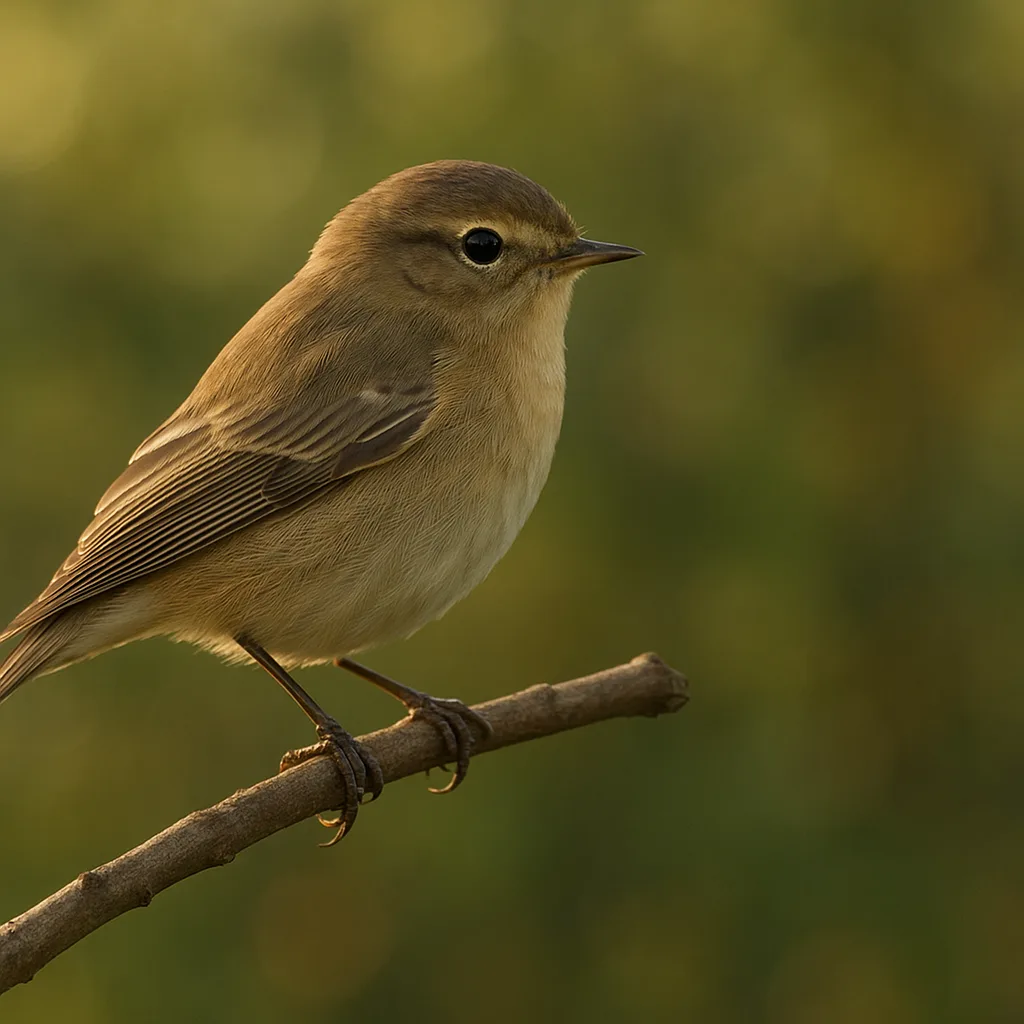
1. Where to Start: The Quick Identification Checklist
Start with a systematic checklist so you don’t overlook key features. Photograph quality matters, but even a single good frame often contains enough data if you inspect it correctly.
Essential quick checklist
- Size: Compare the bird to a familiar species (sparrow, robin, crow) or to nearby objects (length in cm or inches).
- Shape: Note bill shape, tail length, posture and wing shape.
- Color & pattern: Head, back, breast, wing bars, eye-ring, streaking or spots.
- Behavior: Feeding posture, bobbing, flocking, flight pattern.
- Habitat & location: Forest, marsh, suburb; country, state/province, GPS if available.
- Time of year: Breeding plumage vs. winter; migration windows.
Use an ordered approach: size → shape → color/pattern → habitat → behavior → season. This reduces misidentification between look-alike species.
2. Visual Cues: What to Inspect in the Photo
Detailed visual cues are often decisive. Focus on measurable or describable features: bill length relative to head, primary projection, tail shape, and distinct markings.
Key visual markers
- Bill: Conical (seeds), slender/needle-like (insects), hooked (raptors), proboscis-like (honeyeaters). Measure proportion: e.g., House Sparrow (Passer domesticus) bill ≈ 1 cm.
- Size: Provide an estimated length: Black-capped Chickadee (Poecile atricapillus) 11–13 cm; American Robin (Turdus migratorius) 25 cm.
- Silhouette: Short tail + round body suggests a sparrow/finch, long tail + slim body suggests flycatcher or warbler.
- Wing & tail pattern: Presence/absence of wing bars, tail spots, white edgings or notches are diagnostic.
- Plumage pattern: Eye-rings, malar stripe, supercilium (eyebrow), throat patch, streaking vs. spotting.
Example: A medium-sized bird (22–25 cm) with an orange breast, gray head, and white eye-ring is likely Turdus migratorius (American Robin). A small bird with bold black cap, white cheeks and a short bill likely is Poecile atricapillus (Black-capped Chickadee).
3. Using Habitat, Range & Season to Narrow Options
Many species have overlapping looks but distinct ranges or seasonal presence. Geographic and seasonal filters rapidly limit candidates.
For more on this topic, see our guide on Mastering Merlin: Field-Proven Bird ID Techniques
.
How to apply location and season
- Identify the country/state/province and ecosystem: urban park, boreal forest, freshwater marsh, coastal dunes.
- Check season: breeding plumage in spring/summer vs duller winter plumage; migration windows (e.g., warblers in April–May and August–October in North America).
- Use range maps (Audubon, Cornell Lab, local atlases) or Orvik to overlay your photo location with species ranges.
- Example: A bright yellow warbler in May in New England is likely Setophaga petechia (Yellow Warbler) — breeding season and range match.
- Example: A small finch-like bird in winter in the U.K. is more likely a Chaffinch (Fringilla coelebs) or House Sparrow, not a tropical species.
4. Practical Photo Tips to Improve Identification
How you take the photo determines how easily others — or AI tools like Orvik — can identify the bird. Follow these field photography tips to get an ID-ready image.
Techniques for ID-quality photos
- Get scale: include a known-size object (hand, ruler, branch) or shoot near vegetation to estimate size.
- Multiple angles: capture head, side view of body, tail spread, and underwing if possible.
- Steady and close: use a 300–600 mm lens or 2–3× digital zoom; aim for at least 600–1000 pixels across the bird.
- Lighting: side or front lighting minimizes shadows; avoid harsh midday glare. Early morning/late afternoon provides warmer tones.
- Behavioral shots: feeding, flight, or song-post stances give behavioral clues (e.g., flycatchers sallying, kingfishers perched over water).
Orvik performs best with clear, well-lit photos showing distinctive features. If you upload multiple images — wide shot plus close-up — identification confidence increases dramatically.
5. Comparison Guides: How to Tell Look-Alikes Apart
Many misidentifications come from similar species. Comparison — side-by-side features — is often decisive. Below are common confusing pairs and how to separate them.
You may also find our article on Quick Bird ID: How to Identify Any Bird helpful.
House Sparrow (Passer domesticus) vs. Song Sparrow (Melospiza melodia)
- House Sparrow: chunky, 16 cm, gray crown (male has black bib), stout conical bill, uniform chest with minimal streaking.
- Song Sparrow: longer tail, heavily streaked breast with a central spot, narrower bill, 14–18 cm; prefers brushy edges and marshy tangles.
Northern Cardinal (Cardinalis cardinalis) vs. Pyrrhuloxia (Cardinalis sinuatus)
- Northern Cardinal: 21–23 cm, bright red male, full crest, strong triangular bill; found across eastern and central U.S.
- Pyrrhuloxia: gray body with red highlights and a slightly curved bill; southwestern U.S. — range and bill shape separate them.
American Robin (Turdus migratorius) vs. Varied Thrush (Ixoreus naevius)
- American Robin: 25 cm, warm orange breast, gray back, white throat streaks; widespread across North America.
- Varied Thrush: 25–28 cm, deeper orange breast with black crescent and a dark back/face pattern; primarily Pacific Northwest.
Tip: Always cross-check bill shape, leg color, and habitat. Seasonal molt patterns can also change apparent color and must be considered.
6. Tools, Apps & Resources: Where to Get Confirmation
After your own analysis, use curated resources to confirm identifications. Software and expert communities accelerate verification.
Recommended resources
- Orvik: an AI-driven visual identification app that analyzes pictures and suggests species with probability scores and comparison images — great for quick IDs and learning distinguishing features.
- Audubon Bird Guide: species accounts, range maps, and photos useful for confirming plumage and habitat matches.
- Cornell Lab of Ornithology (All About Birds) and eBird: authoritative species descriptions, call recordings and occurrence data.
- iNaturalist: community verification and observation records, often helps with rarities or regional variants.
Combine automated suggestions from Orvik with range checks on Audubon or eBird to avoid AI pitfalls. For example, an AI might suggest a tropical species that resembles your bird visually but is geographically impossible; cross-check range data instantly.
7. Safety, Ethics & Legal Considerations
Identification should not put birds or people at risk. Follow ethical guidelines and legal protections, especially around nests and rare species.
Looking beyond this category? Check out Mastering Visual ID: Your Photo Identifier Guide.
Practical safety and ethical rules
- Do not handle birds unless trained — many species carry parasites, and handling can cause stress or lead to nest abandonment.
- Keep distance from nests; many jurisdictions protect nests of native species under wildlife laws.
- Beware of toxic plants and berries. For instance, berries eaten by birds (e.g., yew) can be toxic to pets and humans, so exercise caution when foraging near bird-feeding areas.
- Use flash sparingly; bright bursts can disorient fledglings and owls. Night-time photography of roosting birds is generally discouraged.
Legal note: In the United States, the Migratory Bird Treaty Act protects most native bird species and their nests. Disturbing nests or harming birds can carry heavy fines.
Related reading: AI Field Guide: Identify Birds Fast.
8. Next Steps: From Identification to Contribution
Once you identify the bird, you can take actions that help science and conservation. Submitting observations turns casual sightings into valuable data.
Ways to contribute
- Upload your verified photo and location to eBird to add to occurrence records and help track migration timing and population changes.
- Share to iNaturalist for community ID and to contribute to biodiversity datasets.
- Use Orvik to store your sighting history, learn distinguishing features, and track probability scores across multiple photos.
- Report unusual or rare birds to local birding alerts or regional conservation groups — they may request documentation.
Citizen observations feed research on population trends, range shifts and phenology. Even one well-documented photo can be valuable.
Conclusion
When you want to "identify this bird," follow a structured process: capture clear photos from several angles, note size and behavior, check habitat and seasonality, and compare visual markers. Use tools like Orvik alongside authoritative sources such as Audubon's field guides and Cornell Lab data to confirm your ID. Remain ethical and safe in the field, and consider submitting verified sightings to eBird or iNaturalist to support conservation. With practice you’ll move from uncertain guesses to confident identifications in minutes.
Frequently Asked Questions
- How do I identify a bird from a single photo?
- Focus on size, bill shape, plumage patterns (eye-rings, streaks, wing bars), posture and habitat. Use range and season filters (Audubon, eBird) and AI tools like Orvik to get probability-based suggestions.
- Can apps really identify birds from pictures?
- Yes. Modern apps such as Orvik use machine learning to suggest species and confidence scores, but always cross-check with range maps and field guides to avoid geographic or plumage-phase errors.
- What are the best photos for bird identification?
- Clear, well-lit images showing side profiles, head markings, bill, and tail. Include a scale reference if possible and submit multiple angles for higher confidence.
- How do I tell similar species apart (e.g., sparrows vs finches)?
- Compare bill shape and size, wing and tail length, streaking vs solid patches, and habitat. For example, finches typically have thicker conical bills for seeds; sparrows often show heavy streaking on the breast.
- Is it legal to approach nests to photograph birds?
- No—approaching nests can disturb or abandon them and many species are legally protected (e.g., Migratory Bird Treaty Act in the U.S.). Photograph from a distance and avoid repeated visits to nesting sites.
- What if the app suggests a species not known in my area?
- Cross-check with regional range maps. AI can be fooled by visual similarity; a geographically impossible suggestion usually indicates a mis-ID. Submit the photo to community sites like iNaturalist for verification.
- How accurate are field guides like Audubon's for photo identification?
- Audubon and Cornell Lab guides are highly reliable for range, plumage descriptions and vocalizations. Use them with photos to confirm key field marks and seasonal plumage changes.