
Whether you inherited a dusty shoebox, found a silver disk in a ploughed field, or want to catalog a collection, a coin identifier app can turn an uncertain find into clear information in seconds. This guide explains how coin-identifying apps work, practical visual identification tips (color, size, texture, and marks), how to spot fakes, and how to use tools such as Orvik — an AI-powered visual identification app — to speed up accurate IDs and preliminary valuations.
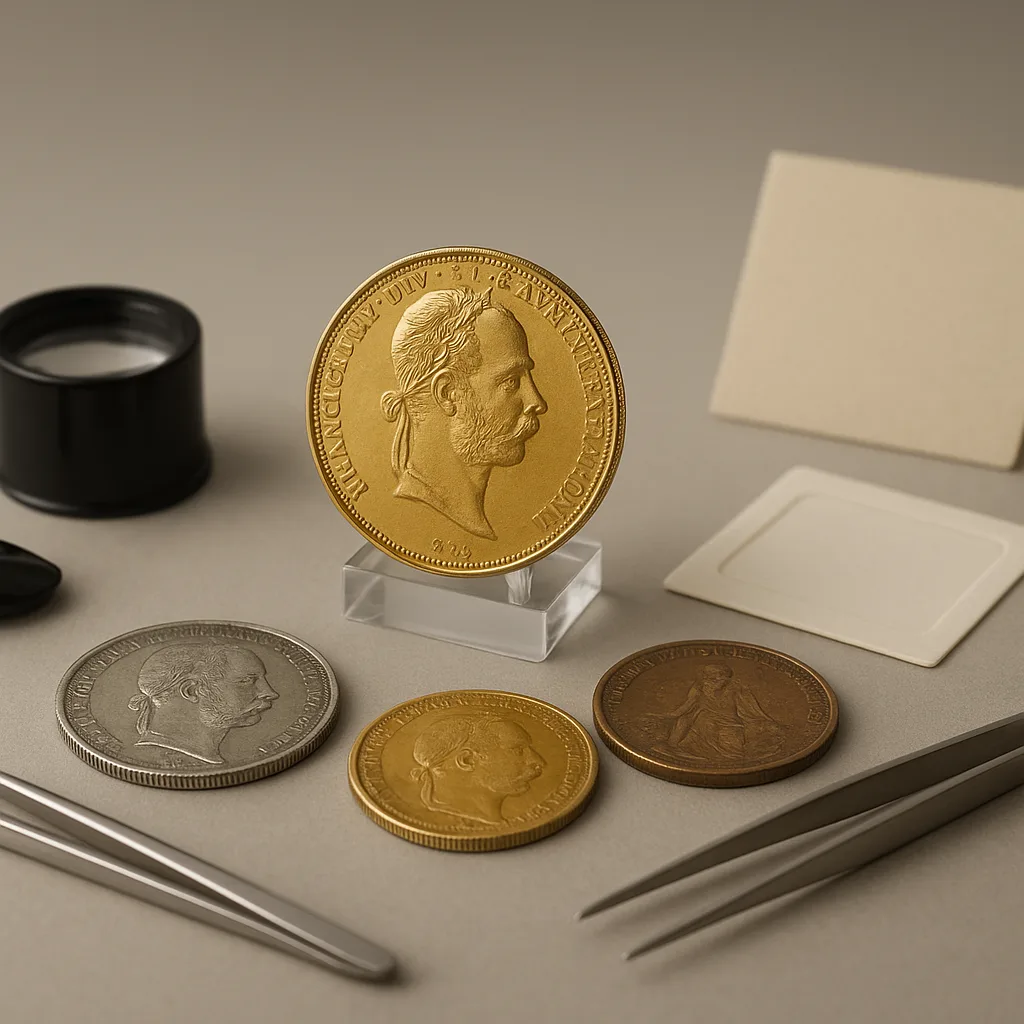
How coin identifier apps work: the tech behind the picture
Modern coin identification apps combine computer vision, machine learning, and large numismatic databases to match photographic features (shape, inscriptions, portraits, mint marks) to documented coin types and years. Understanding the pipeline helps you get better results.
Core components
- Image preprocessing: cropping, perspective correction, and contrast enhancement to normalize photos.
- Feature extraction: edge detection, motif recognition (portraits, wreaths, eagles), and text OCR for legends and dates.
- Classification: neural networks compare extracted features against labeled examples to propose matches.
- Cross-referencing: results are checked against databases for mint marks, metal composition, mintage numbers, and recorded auction values.
What affects accuracy
- Photo quality (resolution, focus, lighting)
- Obverse and reverse visibility (both sides improve confidence)
- Scale reference (a ruler or standard coin helps apps estimate diameter)
- Wear and corrosion (heavy wear can obscure dates or mintmarks)
Apps like Orvik use AI models trained on millions of coin images. They return candidate identifications with confidence scores and links to reference entries. This helps users quickly narrow possibilities before a detailed numismatic inspection.
Step-by-step: Using an app for identifying coins (best practices)
Getting reliable results from any coin identifier app — whether you search for a free coin identifier and value feature or a paid pro tier — starts with how you take and submit photos.
Before you photograph
- Clean gently: remove loose dirt with a soft brush. Do NOT polish or scrub — doing so can remove patina and reduce value.
- Know the coin’s context: country or language seen on the legend, suspected century, or where it was found.
- Have scale ready: a ruler, caliper, or a modern coin of known diameter helps apps estimate size and thickness.
Photo tips for best app results
- Use even, diffuse lighting to avoid glare — a clouded daylight or a lightbox is ideal.
- Place the coin on a contrasting, non-reflective background (matte black or neutral gray).
- Take both obverse (front) and reverse (back) shots, plus a close-up of the date and any mint marks.
- Include a ruler or a standard coin to give scale; apps estimate diameter (mm) more accurately with a reference.
- Capture high resolution — most phones at 10–12 MP are sufficient; crop later but avoid digital zoom.
Submitting and interpreting results
- Submit both sides in one submission if the app allows.
- Review the app’s confidence score and multiple candidate matches; compare inscriptions and motifs manually for confirmation.
- Use the app’s links to mintage numbers and auction records to estimate market value, but treat automated valuations as preliminary.
Orvik, for example, highlights matching details and provides provenance links to relevant catalog entries, helping you move from identification to valuation faster.
For more on this topic, see our guide on Decode Jewelry Hang Tags Like an Expert.
Practical visual identification tips: color, size, shape, texture, and patterns
Professional numismatists rely on consistent visual cues. Below are hands-on traits to examine and photograph, with specific measurements and tactile clues where relevant.
Color and luster
- Copper/bronze: reddish-brown to chocolate brown; fresh strike has soft orange-red highlights (example: pre-1982 US cents at 95% Cu).
- Silver: bright white when fresh (90% silver coins like older US dimes, quarters), but develops a gray to black patina (toning) from sulfur compounds.
- Clad or nickel: uniform silvery gray; modern clad US coins (post-1965) show a slightly different hue and edge seam where layers meet.
Size and weight (useful measurements)
- Diameter (mm) — measure across the face: US dime 17.91 mm, penny ~19.05 mm, nickel 21.21 mm, quarter 24.26 mm, half-dollar 30.61 mm, Sacagawea/Presidential dollar 26.50 mm.
- Weight (grams) — weight differences distinguish metal composition: US dime 2.268 g, quarter 5.670 g, half 11.340 g, nickel 5.000 g; pre-1982 Lincoln cent ~3.11 g (95% Cu) vs modern 2.5 g (zinc core).
- Apps that request diameter and weight can disambiguate silver from clad or identify foreign coin sizes.
Edges, rims, and reeding
- Reeded edge: tiny grooves (quarters, dimes) indicate anti-clipping measures historically used on precious metal coins.
- Plain edge: smooth edge, common on many low-denomination coins and some commemoratives.
- Lettered edge: words or patterns on the rim; useful for identifying certain British and continental issues.
Portraits, legends, and mint marks
- Look for the ruler or portrait direction (profile left/right), hair style, and attire — these details can date an issue to a specific monarch or president.
- Mint marks (small letters like “D”, “S”, “P” on US coins) are usually adjacent to the date or portrait; magnification helps.
Wear patterns and strike quality
- High points wear first — check raised hair, cheekbones, and breast feathers to estimate grade (circulated vs uncirculated).
- Strike clarity: weak strike often leaves details indistinct and affects value.
These cues are what apps parse visually. When you combine careful photography with list-based checks above, automated ID accuracy improves markedly.
Valuation and authenticity: X vs Y — How to tell them apart
People searching for a "free coin identifier and value" want both type identification and a realistic market estimate. Apps give ballpark values, but authentication and grading often require human expertise.
Silver vs clad (common confusion)
- Sound test: gently tapping a silver coin produces a higher-pitched ring; clad coins give a duller thud. This is a rough test and not conclusive.
- Edge inspection: silver coins have a uniform core; clad coins often show a layered edge if worn.
- Weight/diameter: match the coin against known specifications — silver (90% Ag) dimes and quarters (pre-1965 US) have distinct weights versus modern clad equivalents.
Real vs counterfeit
- Compare detailed features (date fonts, portrait hairlines, microlettering) with high-resolution reference photos.
- Check edge and rim consistency — counterfeits sometimes have poor reeding or mismatched letter spacing.
- Use a magnet: most counterfeits use ferrous metals; true silver and gold are non-magnetic.
- Consider professional tests (specific gravity, XRF) for high-value items.
Apps like Orvik flag likely counterfeits by comparing microscopic features and anomaly patterns across known fakes. However, for coins valued in the hundreds or thousands of dollars, third-party grading (PCGS/NGC) or spectrographic analysis is recommended.
You may also find our article on How to Scan and Identify Coins with AI helpful.
Common pairwise comparisons collectors search for
- Morgan dollar vs Peace dollar: Morgan (1878–1904, 1921) has Liberty wearing a Phrygian cap with cotton/wheat crown; Peace (1921–1935) has a streamlined, younger Liberty and a perched eagle with the word “PEACE.”
- Pre-1965 US quarters (90% silver) vs modern clad: check date and weight — 1964 and earlier are silver; post-1965 are copper-nickel clad.
- Ancient bronze vs modern token: patina uniformity, die axis, and legend language point to antiquity—excessive uniform green/blue deposit (bronze disease) suggests corrosion, not deliberate ageing.
Comparison: coin identifier apps vs human experts
Many users ask, "Are coin identifying apps reliable enough, or should I go to an expert?" The short answer: use both. Apps accelerate routine IDs; experts confirm rarities and authenticate high-value pieces.
Strengths of apps
- Speed: instant candidate matches from a photo.
- Access: mobile apps are available 24/7 from field locations, metal detecting finds, or estate clean-outs.
- Cost: many provide a free coin identifier app tier or pay-per-valuation models, helpful for casual collectors.
Limitations of apps
- Wear, dirt, or irregular lighting can mislead automated visual matching.
- Valuations are market estimates — rarity, provenance, and historical significance often need human judgment.
- Counterfeits that mimic visual traits closely can fool image-based systems; physical tests may be required.
When to consult a human
- If the app flags a high estimated market value (e.g., >$500).
- If the piece appears rare, has an unusual mint mark, or is in exceptional condition.
- When authenticity is in doubt — request third-party grading or metallurgical testing.
Apps like Orvik are designed to complement human expertise: quick triage in the field, then a directed expert consultation if warranted.
Where coins are found, legal and safety considerations
Knowing likely discovery locations and legal constraints helps collectors use coin identifier apps responsibly and safely.
Looking beyond this category? Check out Identify Caterpillars by Photo: Expert Field Guide.
Typical discovery habitats and seasonal behavior
- Parks and pathways: high foot-traffic areas often yield modern coins and lost change; seasonal festivals and summer months increase finds.
- Fields and ploughed land: farm fields can produce older coins, especially near former habitations; spring ploughing exposes items buried over winters.
- Beaches and riversides: water action can agitate and expose coins — check tides and seasonal flooding patterns.
- Archaeological sites: sites with documented historic occupation may yield ancient or medieval coins — follow strict legal protocols.
Legal and safety warnings
- Do not remove artifacts from protected archaeological sites; many countries have treasure trove laws requiring reporting and handover.
- Obtaining permission from landowners is mandatory in many jurisdictions before metal detecting.
- Handle corroded coins carefully: bronze disease is chemically active and can damage other coins.
- Old coins can contain toxic metals (lead, arsenic traces). Wash hands after handling and avoid prolonged skin contact with heavily corroded items.
When in doubt, document the find with photos, record GPS coordinates, and consult local regulations or a local numismatic society before moving artefacts.
Related reading: Mastering Coin Identification: A Field Guide.
Free vs paid coin identifier apps and what to expect
Searchers often type "free coin identifier and value" or "free coin identifier app" because they want immediate, no-cost answers. Many apps offer tiered models:
Typical feature split
- Free tier: basic ID suggestions, community-sourced matches, limited query volume.
- Paid tier: higher-resolution matching, batch processing, detailed auction price histories, and advanced composition diagnostics.
- Professional services: certified grading and in-person authentication partnerships.
Choosing the right app
- Check how many coin types the database covers and whether it includes international issues you collect.
- Look for apps that show their data sources (catalogs, auction houses, reference works).
- Privacy: choose apps that don’t republish your images or claim ownership of uploaded photos.
Orvik presents itself as an AI-powered visual identification app that balances a free identification option with deeper paid features for valuations and archive access. That combination is typical: use the free coin identifier features for quick triage, then upgrade for comprehensive provenance and price data when needed.
Conclusion
Coin identifier apps have transformed how collectors, metal detectorists, and casual finders approach numismatics: fast visual ID, immediate context, and initial market estimates. They are not a substitute for expert grading, but tools like Orvik can dramatically speed up the research workflow. By photographing coins correctly, checking diameter and weight, and using the app’s confidence indicators, you’ll be able to identify most common coins and decide when to seek professional authentication.
Frequently Asked Questions
- Are coin identifier apps accurate?
- For common and well-documented coins, apps can be highly accurate. Accuracy decreases for heavily worn, corroded, or expertly counterfeited items.
- Can an app tell me a coin's exact value?
- Apps provide market estimates and recent sale ranges. Exact value depends on grade, rarity, provenance, and market demand and may require expert appraisal.
- Is there a reliable free coin identifier app?
- Yes—many apps offer a free tier for basic identification; paid tiers typically add detailed valuations, batch processing, and archival access.
- How should I photograph a coin for best results?
- Use diffuse lighting, a neutral non-reflective background, include both obverse and reverse, capture a close-up of the date/mint mark, and include a scale reference.
- Can apps detect counterfeit coins?
- They can flag visual anomalies and known fake patterns, but high-value pieces often need physical testing (specific gravity, XRF) or third-party grading for certainty.
- Are there legal issues with metal detecting and removing coins?
- Yes. Many jurisdictions require landowner permission and have laws protecting archaeological finds. Always check local regulations before searching or removing objects.
- Will cleaning a coin reduce its value?
- Aggressive cleaning almost always reduces value. Light brushing to remove loose dirt is OK for ID photos, but avoid polishing or chemical cleaning.