
When someone asks "what are blueberries good for," they usually mean more than taste. They want to know how blueberries affect health, how to recognize them in the wild, and how they differ from look‑alikes such as bilberries or huckleberries. This article answers those questions with field‑tested identification cues, nutritional numbers, habitat details, and practical uses. Orvik can help you visually confirm photos in the field, but read on for the expert context that complements any app.
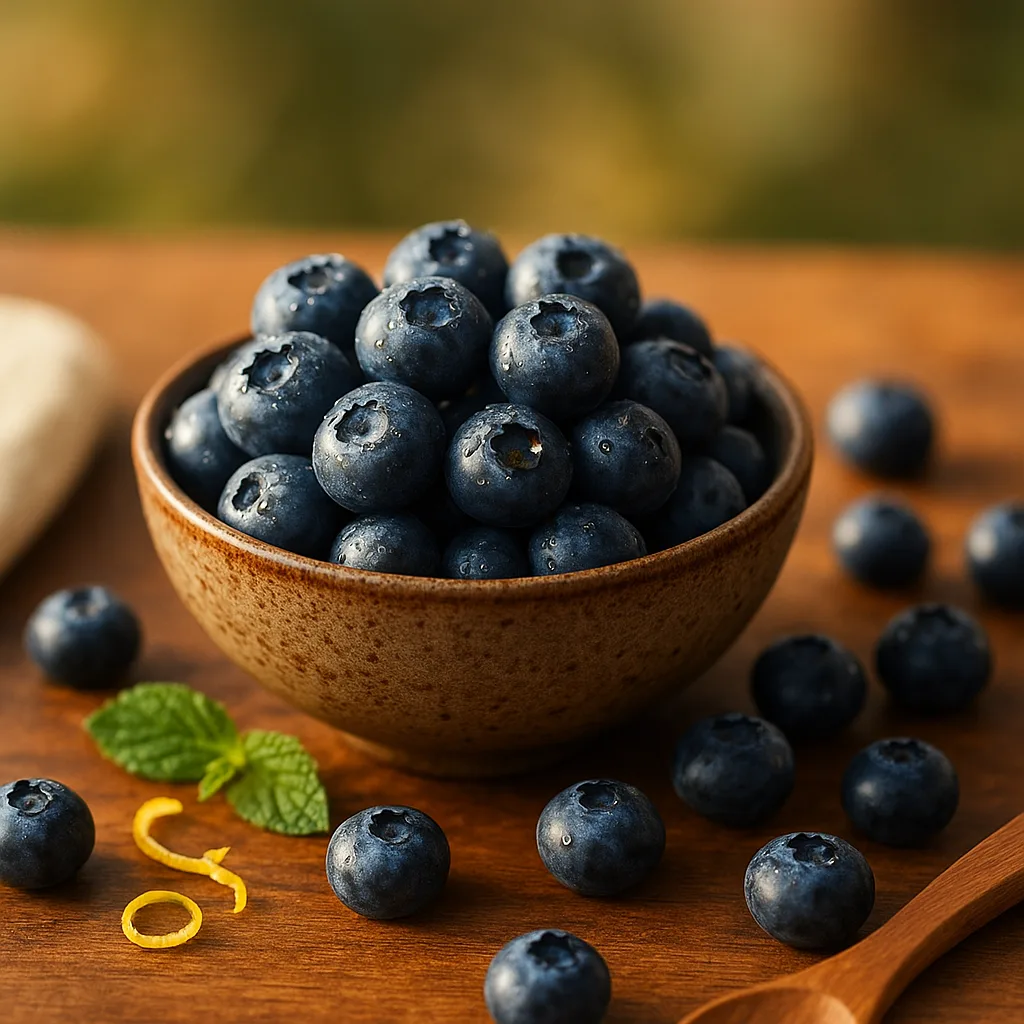
What are blueberries? Botanical and common definitions
Blueberries are edible fruits produced by several species in the genus Vaccinium (family Ericaceae). The most common cultivated and wild types include:
- Highbush blueberry (Vaccinium corymbosum): the large, cultivated plants grown commercially across North America.
- Lowbush or wild blueberry (Vaccinium angustifolium): smaller plants that produce smaller, more intensely flavored berries; often managed in wild stands in Northeastern North America.
- Bilberry (Vaccinium myrtillus): native to Europe and parts of Asia; often confused with blueberry but botanically and visually distinct in several ways.
Blueberries are usually blue to blue‑black with a pale, waxy bloom on the skin and a small crowned calyx at the blossom end. The flesh of North American blueberries tends to be pale green to translucent, while bilberries are characteristically darker throughout.
Nutritional profile: What are blueberries high in?
Blueberries pack a dense set of micronutrients and plant compounds for relatively few calories.
- Typical values per 100 g fresh blueberries (USDA reference): about 57 kcal, 14.5 g carbohydrates (of which ~10 g sugars), 2.4 g fiber, 0.7 g protein, and 0.3 g fat.
- Key micronutrients: Vitamin C (~9.7 mg/100 g), Vitamin K (~19–30 µg/100 g depending on variety), and manganese (~0.3–0.6 mg/100 g).
- Polyphenols and pigments: blueberries are high in anthocyanins — the pigments that give the blue color and provide antioxidant activity. Anthocyanin content varies by species: cultivated highbush varieties may contain on the order of tens of mg per 100 g, while wild/lowbush and bilberries can contain substantially higher levels (often several times greater).
Because concentrations vary with variety, ripeness and growing conditions, express intake in practical terms: a single serving is about 1 cup fresh (~148 g), which provides a useful dose of fiber, vitamin C, vitamin K, manganese, and anthocyanins.
Health benefits: What can blueberries do for you?
People searching "what can blueberries do for you" are usually looking for evidence of health benefits. Scientific research has focused on several areas where blueberries show consistent, though sometimes modest, effects.
For more on this topic, see our guide on Miracle Berries: Nature’s Sweet Trick.
Cognitive health
- Regular blueberry consumption is associated in observational and some clinical studies with improvements in memory, executive function and processing speed, particularly in older adults. Typical interventions use the equivalent of 1 cup/day fresh berries or concentrated freeze‑dried powder.
Cardiovascular effects
- Blueberries may help lower systolic blood pressure and improve endothelial function (blood vessel dilation). Effects in trials are often modest; many use 8–12 weeks of daily consumption.
Blood sugar and metabolic health
- Blueberries have a relatively low glycemic load and may improve insulin sensitivity in people with metabolic syndrome when consumed regularly; again, studies typically use controlled doses of whole berries or standardized extracts.
Anti‑inflammatory and antioxidant effects
- Anthocyanins and other polyphenols in blueberries can reduce markers of oxidative stress and inflammation in short‑term studies, which may underlie some of the cardiovascular and cognitive benefits.
Gut health
- Dietary fiber plus polyphenols in blueberries can support gut microbial diversity; some studies show increases in beneficial bacteria when blueberries are consumed over weeks.
Note: while promising, many results vary by dose, blueberry type (wild vs cultivated), and study design. Blueberry supplements and concentrates may concentrate active compounds but can differ from whole fruit in fiber and matrix effects.
Culinary and practical uses
Blueberries are versatile in the kitchen and in pantry form. Whether eating fresh or using preserved berries, you can maximize flavor and nutrients with simple practices.
- Fresh: eat raw by the cup, add to yogurt, salads, or smoothies. One cup (~148 g) is a common serving.
- Frozen: flash‑frozen soon after harvest; nutrition is comparable to fresh. Great for smoothies, baking, or compotes.
- Dried: convenient but higher in sugar density; useful in trail mixes and baking.
- Purees and powders: concentrated anthocyanins; used in supplements or as colorants in foods. Check for additives.
Storage tips:
- Keep fresh blueberries refrigerated in a shallow, breathable container. Do not wash until ready to eat to preserve shelf life.
- Freeze on a tray before bagging to avoid clumping and preserve texture.
- For preserves, use standard jam‑making ratios to ensure safe acidity and sugar levels if storing shelf‑stable jars.
Identification and foraging tips: How to tell blueberries apart
Foragers asking "what are blueberries" or seeking to identify wild berries need visual cues and habitat context. Use these practical markers in combination — and consider photographing specimens and checking them with an app like Orvik for confirmation.
You may also find our article on Inside the Acai Berry: Nature’s Amazonian Purple Fruit helpful.
Visual cues
- Color and bloom: Blueberries are blue to blue‑black with a powdery, waxy bloom. The bloom rubs off to reveal shiny skin underneath.
- Size: Cultivated highbush berries are commonly 8–16 mm diameter; lowbush (wild) berries are smaller, often 5–10 mm.
- Shape: Generally round to slightly oblate with a small star‑shaped crown (calyx) at the blossom end.
- Flesh color: North American blueberries typically have pale, translucent greenish flesh; bilberries and huckleberries have purple‑red flesh that stains fingers.
- Texture: Smooth skin with tiny seeds inside; wild berries often have a higher skin: pulp ratio and a more intense, tangy flavor.
Plant cues and habitat
- Leaves: Blueberry leaves are simple, alternate, elliptical; sizes vary by species (lowbush leaves are small, highbush leaves can be several cm long).
- Flowers: Early‑season urn‑shaped white to pink blossoms (bell‑shaped) in clusters.
- Growth habit: Highbush are shrubs 1–4 m tall; lowbush are prostrate or low shrubs 10–50 cm high and often form mats.
- Preferred soil: Acidic (pH often 4.0–5.5), well‑drained, and often sandy or peaty soils; many species are common in heathlands, forests, and barrens.
Seasonal behavior and geographic range
- Ripening season in the Northern Hemisphere is generally June through August for most cultivated varieties; lowbush/wild stands often ripen earlier or in mid‑summer depending on latitude and elevation.
- Geographic distribution: Highbush and lowbush blueberries are native to eastern and northeastern North America; cultivated varieties are grown across temperate regions worldwide. Bilberries (Vaccinium myrtillus) are native to Europe, northern Asia and parts of North America.
When in doubt, use multiple characteristics. Photograph berries, leaves and plant habit and cross‑check with field guides or an identification tool like Orvik for a second opinion.
Comparison: Blueberries vs Bilberries vs Huckleberries
Many people ask "what are bilberries good for" or wonder how to tell them apart from blueberries. Here's a practical comparison.
- Flesh color: Blueberry flesh is typically pale greenish; bilberries and some huckleberries have dark purple or red flesh that stains fingers and tongues.
- Berry position: Cultivated blueberries are often borne in clusters on a single pedicel; bilberries tend to be solitary or in small groups and are often more deeply colored overall.
- Size: Highbush blueberry > lowbush blueberry > bilberry can vary but often bilberries are similar in size to lowbush.
- Flavor: Bilberries tend to be more tart and intensely flavored; wild North American lowbush blueberries are also intensely flavored compared to many large cultivated varieties.
- Distribution: Bilberries are chiefly Eurasian (V. myrtillus); huckleberries (different Vaccinium and Gaylussacia species) and blueberries are common in North America.
Foragers should also note that true poisonous look‑alikes are rare in the Vaccinium group, but other families have berries that can be harmful — identify leaves, flowers and plant habit, not just the fruit. Using Orvik to cross‑validate photos reduces misidentification risk.
Looking beyond this category? Check out Dolphin Diets: What They Eat and Why.
Wild blueberries: What makes them different?
When people search "what are wild blueberries," they usually want to know how wild stands differ from farmed crops in flavor, nutrition and ecology.
- Genetics & growth: Wild or lowbush blueberries (V. angustifolium) grow in mats and spread by rhizomes; they are often harvested by raking or by machine in managed wild meadows.
- Flavor and size: Wild berries are smaller (often 5–10 mm) but pack a more concentrated, tangy flavor profile prized for preserves and artisan uses.
- Nutrient density: Studies consistently show wild blueberries have higher anthocyanin concentrations and total phenolics per weight compared with many cultivated highbush varieties, which contributes to their stronger antioxidant activity.
- Ecology: Wild blueberry bogs and barrens are important habitats for pollinators (notably native bees) and are often managed through low‑intensity agricultural practices such as controlled burning or pruning to stimulate flowering.
Wild blueberry season and yield are sensitive to weather and site conditions, which is why wild crops vary more year‑to‑year than cultivated fields.
Related reading: Sweetest Blueberries: Varieties, ID & Tips.
Safety and interactions
Blueberries are safe for most people when eaten as food, but keep these precautions in mind.
- Allergies: True blueberry allergies are uncommon but possible. Symptoms range from oral itching to, rarely, systemic reactions. Stop consumption and seek care if you have breathing difficulty or widespread hives.
- Medication interactions: Blueberries contain modest amounts of vitamin K; very large, chronic intake could theoretically affect anticoagulant dosing (e.g., warfarin). Consult your clinician if you consume large amounts or take concentrated supplements or extracts regularly.
- Foraging safety: Never eat an unidentified wild berry. Photograph the plant (leaf, flower, berry cluster) and confirm ID with a reliable field guide or an app like Orvik; when in doubt, discard.
- Contamination: Wash berries to remove soil, insects or agricultural residues. Wild plants near roadsides or industrial sites may have environmental contaminants.
Practical takeaways: How to use blueberries for health and field ID
If you searched "what do blueberries do for you" because you want actionable guidance, here are straightforward recommendations based on current evidence and field practice.
- Dietary use: Aim for a regular intake — for example 1 cup (148 g) fresh blueberries several times per week — as part of a varied diet to obtain fiber, vitamins and anthocyanins.
- For targeted benefits: many clinical studies use daily consumption for 6–12 weeks to observe measurable effects (memory, blood pressure, insulin sensitivity).
- Foraging and ID: Use multiple visual cues (bloom, flesh color, calyx shape, plant habit) and photograph specimens. Validate identifications with Orvik and local field guides before consuming wild berries.
- Preservation: Freeze fresh berries at peak ripeness for year‑round use; dried and powdered forms are useful but check labels for added sugars and fillers.
Conclusion
Blueberries are more than a sweet treat: they are a nutrient‑dense fruit group with evidence for benefits in cognition, cardiovascular health, and metabolic regulation, especially when consumed regularly as part of a balanced diet. Wild varieties and bilberries often concentrate more pigments and phenolics and have distinct flavors and ecological roles. Foragers should rely on multiple identification cues and tools — such as Orvik — to reduce misidentification. As with any food or supplement, consider dose, variety and individual health circumstances when using blueberries for specific health goals.
Frequently Asked Questions
- Are blueberries actually good for your health?
- Yes. Regular consumption of blueberries provides fiber, vitamin C, vitamin K, manganese and anthocyanin polyphenols. Studies show potential benefits for memory, blood pressure, insulin sensitivity and reduced markers of inflammation when consumed consistently.
- How many blueberries should I eat daily for benefits?
- Many studies use about 1 cup (≈148 g) of fresh blueberries per day or equivalent freeze‑dried powder for measurable effects over weeks. Eating berries several times per week is a reasonable, evidence‑based approach.
- What is the difference between bilberries and blueberries?
- Bilberries (Vaccinium myrtillus) are Eurasian, usually have dark purple flesh that stains, and often contain higher anthocyanin levels. North American blueberries (e.g., V. corymbosum, V. angustifolium) often have pale flesh and vary in size and flavor.
- Are wild blueberries better than cultivated ones?
- Wild (lowbush) blueberries often have more intense flavor and higher concentrations of anthocyanins and phenolics per weight than many large cultivated highbush varieties, though both types are nutritious.
- Can I forage and eat wild blueberries safely?
- Yes, if you can reliably identify them. Use multiple visual cues (color, bloom, flesh color, leaf and plant habit), consult field guides, and validate photos with an identification tool like Orvik. When uncertain, do not eat.
- Do blueberries interact with medications?
- Blueberries contain modest vitamin K; typical dietary amounts are unlikely to interfere with anticoagulants, but very large, chronic intakes or concentrated extracts could matter. Consult your healthcare provider if you take warfarin or other blood‑thinning drugs.
- How should I store blueberries to keep them fresh?
- Refrigerate unwashed berries in a shallow container and wash just before eating. For long‑term storage, freeze on a tray and transfer to airtight bags once solid to prevent clumping.