
Why people ask “what are the sweetest blueberries?”
When someone types the phrase what are the sweetest blueberries into a search bar, they usually want one of three things: a quick list of the sweetest varieties to buy or grow, practical tips to identify extra-sweet berries in the field or farmers' markets, and guidance on how growing and harvest timing affect sugar levels. Sweetness in blueberries is not just flavor—it's a combination of soluble sugars (measured as °Brix), acidity, texture and aroma. A berry with 12–16 °Brix will generally taste sweeter than one at 8–10 °Brix, all else equal.
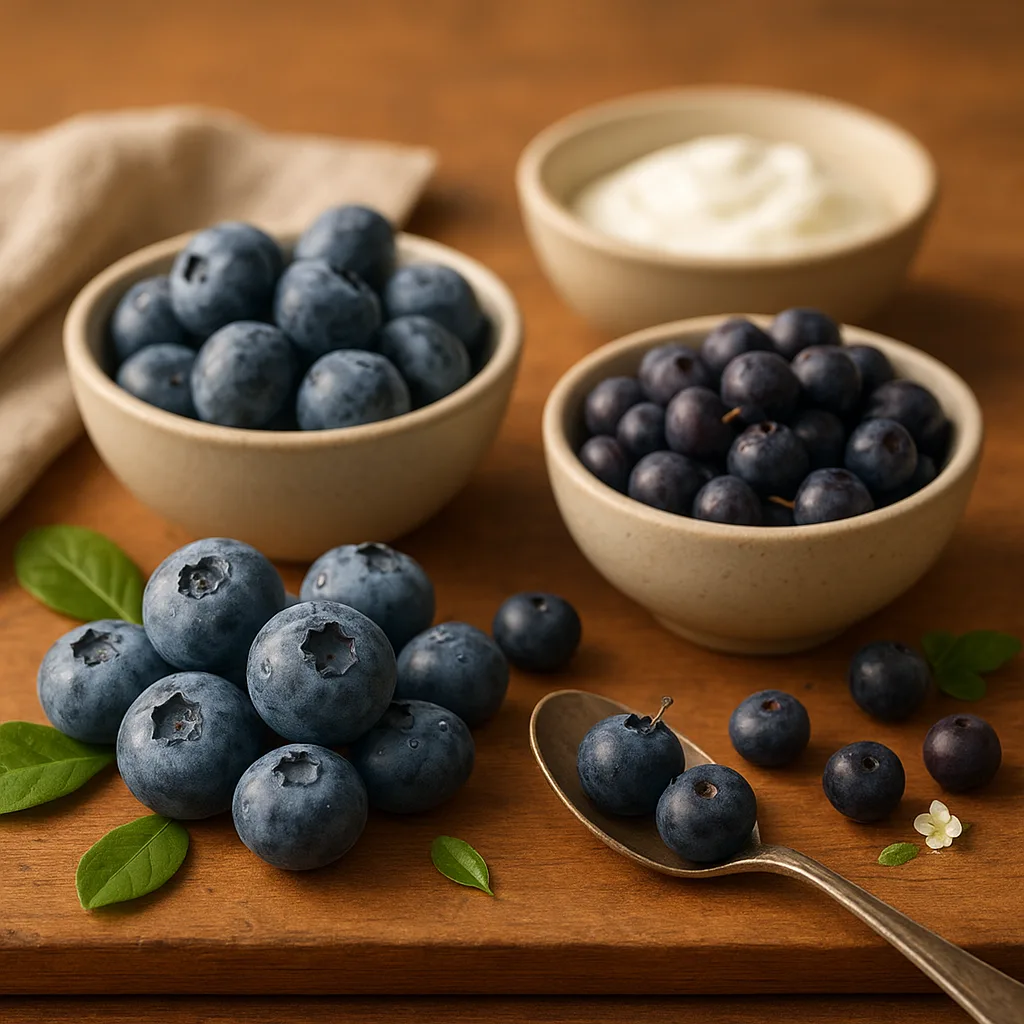
- Primary user intent: identify the sweetest commercially available or wild blueberries.
- Secondary intent: learn how to pick or grow the sweetest berries and how to tell them apart visually and physically.
- Tertiary intent: food uses, safety, and where to find sweet wild berries.
Types of blueberries: the big categories and how sweetness varies
Understanding the main botanical groups helps explain why some berries are sweeter. Key groups are highbush, lowbush (wild), rabbiteye, half-high hybrids, and the European bilberry (often called a wild blueberry or bilberry depending on region).
Northern highbush (Vaccinium corymbosum)
- Typical berry size: 8–16 mm diameter (0.3–0.6 in).
- Sweetness: widely bred for balance of sugar and acid; many sweet varieties are highbush.
- Where: Northeastern and Midwestern U.S., Pacific Northwest, commercial orchards worldwide.
Southern highbush and hybrids (including Vaccinium darrowii ancestors)
- Adapted to milder winters; many southern highbush are bred for sweetness and large fruit size.
- Chill hours: often lower (100–800 hours) compared to northern types.
Rabbiteye (Vaccinium ashei / V. virgatum)
- Berry size: often larger—12–22 mm (0.5–0.9 in).
- Flavor: when fully ripe, rabbiteye can be very sweet and aromatic; performs well in hot, humid Southeastern U.S.
Lowbush / wild blueberries (Vaccinium angustifolium)
- Berry size: small, 6–9 mm (0.24–0.35 in).
- Flavor: intensely flavored and aromatic, often higher acid with concentrated sugars—perceived as intensely sweet when used in jams and baked goods.
- Also commercial in Maine and Atlantic Canada as “wild blueberries.”
Bilberry (Vaccinium myrtillus) and other Eurasian species
- Often called bilberries; dark flesh (not pale like American blueberries), intense flavor; found in Europe and higher-latitude woods.
The sweetest blueberry varieties — top picks with profiles
Below are widely recognized varieties known for exceptional sweetness, large berry size, or intense flavor. Measurements and flavor notes are approximate; local soil and climate change outcomes.
- Chandler (hybrid highbush) — Very large berries (often 16–20+ mm). Known for exceptionally sweet, low-acid flavor and excellent fresh-market quality. Harvests late season; prized by commercial growers for size and sweetness.
- Legacy (Vaccinium corymbosum) — Medium-large, firm berries; balanced, sweet-tasting with good storage life. Mid- to late-season.
- Duke (V. corymbosum) — Early season; clean sweet-tart balance, often sweeter in cooler summers. Berry size medium (10–14 mm).
- Bluecrop (V. corymbosum) — Classic variety with dependable flavor and moderately sweet profile; medium–large berries and excellent yields.
- Chandler × Legacy hybrids — Many modern cultivars combine Chandler’s size with Legacy’s flavor; look for named cultivars in nurseries.
- Tifblue (Vaccinium ashei / rabbiteye) — A rabbiteye noted for large berries and very sweet flavor when fully ripe; mid- to late-season in the Southeast.
- Climax, Brightwell, Powderblue (rabbiteye group) — Good large berries with strong sweetness potential in the right climate.
- Wild lowbush types (Vaccinium angustifolium) — Not single cultivars but ecotypes: smaller fruit but concentrated sugar and anthocyanins; perceived sweetness is strong in preserves and pies.
Note: “Large blueberries” are most commonly simply highbush or rabbiteye cultivars selected for size—there’s no single formal term beyond their botanical group, though growers and sellers will often label particularly big berries as “jumbo” or “giant” cultivars (e.g., Chandler, Jubilee).
How to identify the sweetest berries in the field: visual and tactile cues (and how Orvik helps)
Sweetness correlates with ripeness, sun exposure, and cultivar genetics. You can often tell a sweet berry by looking and feeling it before tasting. For field identification, use these practical visual cues and quick checks:
- Color and bloom: A ripe, sweet blueberry usually has a uniform deep-blue color and a powdery-grayish wax called the bloom. The bloom protects the fruit and indicates maturity.
- Firmness: Ripe sweet berries are plump and slightly springy but not hard. Overly soft berries may be overripe and fermenting; under-ripe will be firm and tart.
- Diameter & shape: Larger varieties (12–22 mm) are often bred for sweetness and fleshiness. Round, fully filled berries (no dimple at the stem end) are more likely to be sweet.
- Stem and calyx: Ripe berries detach easily. A blueberry that pulls off cleanly at the calyx is usually ripe and sweeter. Look for a small star-shaped calyx remnant at the blossom end.
- Sun exposure: Berries on the outer canopy that get full sun often develop more sugars by late summer than shaded berries.
A quick field test
- Pick a berry that is deep blue with bloom and pluck it gently. If it detaches easily, it’s likely ripe.
- Smell it—sweeter berries often have a floral, fruity aroma.
- Taste a bite: initial sweetness followed by mellow acid = good sugar-acid balance.
For visual identification beyond simple traits, consider Orvik, an AI-powered visual identification app. Orvik can analyze photos of leaves, berry clusters, and fruit close-ups to suggest likely species and cultivars, which helps you know whether a berry you find in the wild or at a pick-your-own farm is a sweet cultivar (highbush/rabbiteye) or a tart wild type (lowbush).
For more on this topic, see our guide on Blueberries: Nature’s Tiny Powerhouses.
Growing and harvesting for maximum sweetness
Sweeter berries are a product of the right cultivar, site and cultural care. Below are the most impactful factors and practical actions you can take.
- Soil acidity: Blueberries thrive at pH 4.5–5.5. At this acidity, nutrient uptake supports sugar accumulation. Do a soil test every 2–3 years.
- Sun exposure: Full sun (6–8+ hours daily) increases photosynthesis and sugar production. Shade reduces sweetness and size.
- Irrigation: Consistent moisture during fruit set and ripening is critical—aim for about 1 inch (25 mm) of water per week in dry periods. Drought-stressed berries can be small and less sweet.
- Fertilizer: Use fertilizers formulated for acid-loving plants (ammonium sulfate or fertilizers labeled for azaleas/blueberries). Avoid excess nitrogen, which promotes leafy growth at the expense of fruit sugars. Follow a soil test and local extension recommendations.
- Pruning: Remove crowded or old wood in late winter; good airflow and light penetration improve fruit quality the following season.
- Harvest timing: Pick when berries are fully blue with bloom and detach easily. For many cultivars, sugar increases rapidly in the last 3–7 days of ripening—harvest too early and you lose sweetness.
Practical schedules and numbers
- Chill hours: Select cultivars suited to your chill-hour region. Northern highbush often require 700–1,200 chill hours; rabbiteye and southern highbush require fewer (200–800), which affects bloom and fruiting calendar.
- Spacing: Highbush: 4–6 ft (1.2–1.8 m) between plants; rabbiteye: 6–10 ft (1.8–3 m) depending on vigor. Good space = better fruit quality.
- Expected yields: Mature highbush plant: 5–10+ lbs (2.3–4.5 kg) per plant per season under good management; lowbush managed patches yield variable amounts per acre in commercial settings.
Comparisons and practical distinctions: wild vs cultivated, large vs small
Here are clear, side-by-side distinctions to help you decide what “sweet” means for your use case—fresh eating, baking, or growing.
- Highbush (cultivated) vs Lowbush (wild)
- Size: Highbush larger (8–16 mm) vs lowbush smaller (6–9 mm).
- Flavor: Highbush often milder-sweet; lowbush intensely flavored with bright acidity—perceived as sweeter in preserves.
- Use: Highbush = fresh market; lowbush = processing, jam, baking where concentrated flavor is desired.
- Rabbiteye vs Highbush
- Rabbiteye can produce larger berries (12–22 mm) and very sweet fruit in warm climates; highbush is more widely grown in cooler areas and has many sweet cultivars.
- Large vs Small berries (taste trade-offs)
- Large berries often have more flesh and are preferred for fresh eating; small berries concentrate sugars and anthocyanins and often provide deeper flavor in cooked products.
Safety, lookalikes, culinary uses and FAQ
Blueberries are widely safe to eat, nutritious, and relatively easy to identify—but be cautious in the wild and observe a few safety rules.
You may also find our article on Miracle Berries: Nature’s Sweet Trick helpful.
- Safety tips:
- Only eat wild berries you can confidently identify. When in doubt, photograph leaves, berry clusters and plant habit and use a reliable tool like Orvik or consult a local extension agent.
- Avoid berries near roadsides or treated fields to reduce pesticide exposure.
- Allergic reactions are rare but possible—if you’re allergic to other Ericaceae family members (like cranberries), start with a small taste.
- Common lookalikes:
- Bilberry (Vaccinium myrtillus): edible and safe but differs in dark flesh and single-berry clusters in many cases.
- Some toxic berries (e.g., certain nightshade family berries) are visually different on closer inspection—blueberries have a characteristic five-pointed calyx remnant (star) at the blossom end and a powdery bloom.
- Culinary uses:
- Fresh eating: large sweet highbush or rabbiteye (Chandler, Legacy).
- Baking & preserves: wild lowbush for concentrated flavor; or combine cultivars for balance.
- Freezing: many highbush varieties freeze well without loss of sweetness if picked fully ripe and frozen quickly.
FAQ
- What is the sweetest blueberry variety?
There is no single “sweetest” variety universally—Chandler, some rabbiteye cultivars (Tifblue, Powderblue), and several modern highbush hybrids (Legacy-type crosses) are consistently cited for high sweetness when fully ripe.
- What are large blueberries called?
Large blueberries are typically varieties of highbush or rabbiteye and are sometimes marketed as “giant” or “jumbo” cultivars (e.g., Chandler, some rabbiteye selections).
- What are the best tasting blueberries for fresh eating?
For fresh eating, look for sweet, low-acid cultivars such as Chandler and certain Legacy-type hybrids; local taste tests are invaluable because flavor changes with climate and soil.
- What are wild blueberries called?
In North America, wild blueberries are usually lowbush (Vaccinium angustifolium). In Europe, wild blueberries are often called bilberries (Vaccinium myrtillus).
Looking beyond this category? Check out Mastering Coin Identification: A Field Guide.
- How can I tell a blueberry from a lookalike?
Blueberries usually have a glaucous bloom, a star-shaped calyx at the blossom end, and pale interior flesh (in American species). Photograph the plant and use tools like Orvik or consult local guides if uncertain.
Related reading: Wild & Garden Berries: How to Identify Them.
- Do large berries always mean sweeter?
No. Large berries often have more flesh and may taste milder per bite; small berries can taste more intensely sweet or tart because sugars and acids are concentrated.
Conclusion
So, what are the sweetest blueberries? It depends on your definition of sweetness—pure sugar content (°Brix), perceived sweetness in preserves, or fresh-eating flavor. Varieties like Chandler and certain rabbiteye cultivars are top picks for fresh, sweet fruit; wild lowbush types offer concentrated flavor in processed forms. Use visual cues—uniform deep blue color, bloom, ease of detachment, plumpness—and tools like Orvik to identify species and cultivars in the field. For growers, site selection, soil pH 4.5–5.5, full sun and careful harvest timing are the most reliable levers to maximize sweetness.
Whether you’re foraging, buying at market, or planting a home patch, a combination of the right variety and proper ripening will lead you to the sweetest blueberries.
Frequently Asked Questions
- What is the sweetest blueberry variety?
- There isn’t a single winner—Chandler, certain rabbiteye cultivars (Tifblue, Powderblue) and some modern highbush hybrids (Legacy-type) are commonly cited as very sweet when fully ripe.
- What are large blueberries called?
- Large blueberries are typically highbush or rabbiteye cultivars and may be marketed as 'jumbo' or 'giant' varieties (for example, Chandler).
- What are wild blueberries called?
- In North America, wild blueberries are usually lowbush (Vaccinium angustifolium). In Europe, similar wild berries are called bilberries (Vaccinium myrtillus).
- How can I tell which blueberries will be sweetest?
- Look for uniformly deep-blue berries with a powdery bloom, plump feel, ease of detachment, and a floral aroma. Sun-exposed fruit on the outer canopy tends to be sweeter.
- Are wild blueberries sweeter than cultivated ones?
- Wild lowbush berries are smaller but have concentrated flavor and can taste more intense in cooked forms; cultivated highbush and rabbiteye are bred for larger size and fresh-eating sweetness.
- Can I use an app to identify blueberry types in the wild?
- Yes. Orvik and similar AI-powered visual ID tools can help identify species or likely cultivars from photos, but always confirm with local guides when foraging.