
Quick answer: Is a black widow deadly?
Short answer: rarely. Black widow spiders (genus Latrodectus) possess a potent neurotoxic venom, but modern medical care and available antivenom make fatal outcomes uncommon. Most adults experience significant pain and systemic symptoms called latrodectism, but death is now an exceptional event in regions with access to emergency treatment.
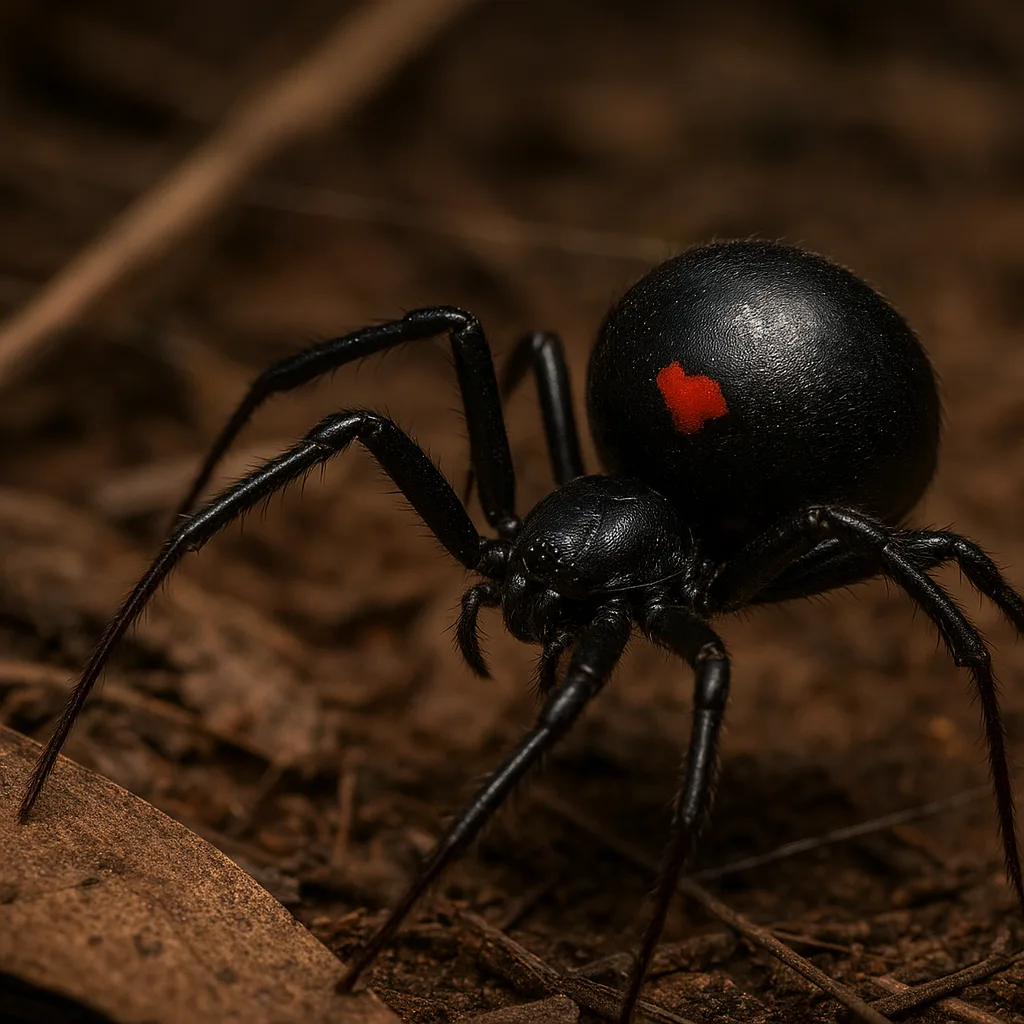
- Venom: neurotoxic latrotoxin affecting nerve terminals.
- Risk: low for healthy adults, higher for young children, elderly, and people with health issues.
- Action: treat bites seriously—clean wound, seek medical care if symptoms progress.
Black widow biology and venom: what makes them dangerous?
Understanding the danger requires a look at species, venom chemistry, and how much venom a spider can deliver.
Species and scientific names
- Latrodectus mactans — Southern black widow (common in southeastern U.S.).
- Latrodectus hesperus — Western black widow (western North America).
- Latrodectus variolus — Northern black widow (northeastern U.S.).
- Latrodectus geometricus — Brown widow (similar but typically less dangerous).
Venom type and effects
Black widows produce a complex venom dominated by alpha-latrotoxin and related toxins. These target presynaptic nerve terminals and cause massive neurotransmitter release, leading to the syndrome known as latrodectism.
- Mechanism: causes sustained neurotransmitter release and autonomic overactivation.
- Onset: pain often begins within 10–60 minutes after a bite; systemic signs may appear in 1–6 hours.
- Symptoms: severe localized pain, muscle cramps and spasms, abdominal rigidity, sweating, nausea, hypertension, and in some cases breathing difficulty.
How potent is the venom?
Venom potency is often expressed as an LD50 measured in mg of venom per kg of body weight in laboratory animals, but comparing species and lab methods produces a range of values. Reported LD50 values for Latrodectus venom in mice vary roughly from 0.2–1.0 mg/kg depending on the study. Practical danger to humans depends on venom amount injected and host factors, not LD50 alone.
- Average venom yield: small — often measured in fractions of a milligram per bite.
- Important caveat: toxicity tests are species-specific; primates (including humans) may react differently from mice.
Identification: how to spot a true black widow
Correct identification is crucial. Many people fear any black spider; distinguishing features help you assess risk and decide whether to photograph for Orvik or get help.
For more on this topic, see our guide on Spotting Bed Bugs: A Clear Visual Guide.
Key visual cues
- Color and gloss: adult female black widows are glossy jet-black.
- Hourglass mark: unmistakable red (or orange) hourglass on the underside of the abdomen in many species; sometimes reduced or split in juveniles or related species.
- Body shape and size: females have spherical abdomens 7–13 mm long (0.3–0.5 in) with total body lengths often 8–15 mm; males are smaller (3–6 mm) and less glossy.
- Legs: long, slender, not markedly hairy, with legs often held sprawled in an irregular cobweb.
- White or red dorsal markings: some species (e.g., brown widow) have dorsal patterns—look for a stacked or geometric abdomen pattern in Latrodectus geometricus.
Differentiating juveniles and males
- Juveniles: often mottled brown with small markings; hourglass may not be fully developed.
- Males: smaller, sometimes brown or patterned, and rarely responsible for bites causing severe envenomation due to small venom volume.
Practical ID tips for field photos
- Capture clear views of the abdomen underside if safe—hourglass is definitive.
- Include scale: place a coin or ruler at safe distance to show size in the photo.
- Note the web: irregular, tangled cobwebs near ground level, in dark sheltered spots.
Use a tool like Orvik to upload images for confirmation; the app helps differentiate lookalikes and provides region-specific species matches.
Habitat, geographic distribution, and seasonal behavior
Where you find black widows affects how likely you are to encounter them.
Typical habitats
- Dark, undisturbed spaces: woodpiles, sheds, garages, crawlspaces, rock piles, hollow tree stumps.
- Human structures: inside boxes, boots, clothing left on the floor, under furniture—places people inadvertently contact webs.
- Near ground level: webs usually built low rather than high in tree canopies.
Geographic distribution
- North America: multiple species—southern, western, northern black widows widely distributed across the continental U.S. and Mexico.
- Worldwide: Latrodectus species occur on every continent except Antarctica; brown widow (L. geometricus) is expanding globally.
Seasonal behavior
- Warm months: adult activity and mating peak in late spring to early fall in temperate zones.
- Winter: adult females often overwinter in webs, sometimes in sheltered human structures—bites can still occur year-round, especially indoors.
How dangerous is a bite? Symptoms, statistics, and who’s at risk
People often ask whether a bite equates to a life-threatening medical emergency. The realistic answer is nuanced: bites can be intensely painful and occasionally require hospitalization, but fatalities are rare with modern care.
Typical symptoms and timeline
- Immediate: sharp, pinprick pain at the bite site; sometimes unnoticed at first.
- Within 30–60 minutes: localized pain intensifies and spreads; muscle cramps begin.
- 1–6 hours: systemic signs—sweating, nausea, vomiting, headache, high blood pressure, tachycardia, difficulty breathing in severe cases.
- Duration: symptoms can persist from 24 hours to several days; muscle aches and fatigue may last weeks in rare cases.
Who is most vulnerable?
- Young children and infants: smaller body mass means venom has a proportionally greater effect.
- Elderly adults and people with cardiovascular disease or compromised breathing.
- Allergic individuals though anaphylaxis to spider venom is rare.
Statistics and fatality rates
Reliable global mortality statistics are limited by reporting differences. In the United States, documented fatalities from black widow bites have become exceedingly rare since the mid-20th century due to improved medical care and antivenom availability. When fatalities do occur, they are most often in regions where medical access is delayed or for very vulnerable people.
You may also find our article on Identify the Bug in Your Home or Garden helpful.
- Hospitalization: some bites require observation, pain control, and sometimes antivenom.
- Fatalities: now uncommon in developed regions; historically higher before modern treatment.
Treatment, first aid, and prevention
Immediate, calm action reduces complications. Treat every suspicious bite as a potential medical event.
First aid steps
- Move away from the spider to avoid additional bites; photograph the spider if safe to do so or use Orvik to ID from a distance.
- Wash the wound with soap and water to reduce infection risk.
- Apply a cold pack to relieve pain and swelling—avoid tight tourniquets or cutting the wound.
- Keep the bitten limb immobilized and lower than the heart to slow venom spread.
- Seek medical attention promptly if the victim is a child, elderly, pregnant, has severe pain, or systemic symptoms (difficulty breathing, vomiting, muscle spasms, altered consciousness).
Medical treatments
- Pain control: oral or intravenous analgesics, sometimes opioids for severe pain.
- Muscle relaxants and antispasmodics to relieve cramps.
- Antivenom: available in many regions for severe envenomations; reduces symptom duration and severity when used appropriately.
- Supportive care: monitoring blood pressure, cardiac status, respiratory function; IV fluids if needed.
Prevention for homes and outdoors
- Inspect and shake out shoes, clothing, and gloves before putting them on.
- Keep woodpiles, debris, and storage boxes away from living areas; seal cracks in foundations and walls.
- Use gloves when moving boxes, gardening, or handling stored items in sheds and crawlspaces.
- Clear clutter in garages, basements, and attics; store items off the ground.
- Install weather stripping and repair screens to reduce indoor entry.
Comparisons: black widow vs wolf spider and other dangerous spiders
People often confuse harmless-looking spiders with dangerous ones. Below are practical comparisons and context on the “deadliest” spider labels.
Black widow vs wolf spider (Lycosidae)
- Appearance: Wolf spiders are typically robust, brown or gray, hairy, with patterned bodies and a distinctive eye arrangement (large front-facing eyes). Black widows are glossy black with a smooth, globose abdomen.
- Size: Many wolf spiders are larger overall (body length 10–35 mm) compared with female black widows (about 8–15 mm).
- Webs: Wolf spiders are ground hunters and do not build messy cobwebs to catch prey; black widows build irregular tangles of silk in sheltered spots.
- Venom: Wolf spider venom causes localized pain and swelling but is not known to cause severe systemic illness in healthy humans; black widow venom can cause systemic latrodectism.
What is the most dangerous or deadliest spider?
"Deadliest" depends on metrics—venom potency, aggressiveness, likelihood of human contact, and availability of medical treatment all matter.
Looking beyond this category? Check out Oleander Poisoning: What You Need to Know.
- Sydney funnel-web (Atrax robustus): highly toxic to humans; native to eastern Australia; bites can be severe but antivenom has greatly reduced fatalities.
- Brazilian wandering spider (Phoneutria spp.): implicated in severe envenomations across parts of Latin America; aggressive defense posture and potent venom.
- Some Latrodectus species (black widows and related widows): cause significant illness but are rarely fatal where medical care is available.
In short, the “deadliest” spider varies by region: the Sydney funnel-web is often cited in Australia, while Phoneutria species are documented among the most medically significant in South America. In North America, black widows are among the most medically important spiders but not the most lethal in an absolute sense.
Related reading: Ladybug Diets: A Field Guide to What They Eat.
When to identify, photograph, and use Orvik
Accurate identification helps clinicians and pest professionals. If you encounter a suspect spider, take safe photos and use reliable tools.
- Photograph safely: use zoom or phone camera from a distance; avoid handling the spider.
- Use Orvik: upload images to Orvik to get AI-assisted identification and regional context—this can guide whether the spider is likely a black widow or a harmless lookalike.
- Share with medical staff: a clear image can help clinicians assess the likelihood of a black widow bite and make treatment decisions.
Orvik and similar apps are useful for quick, preliminary identifications, but when a person is symptomatic after a bite, clinical evaluation is essential—do not rely on an app instead of seeking medical help.
Conclusion
How dangerous is a black widow? The realistic answer: capable of causing severe pain and systemic illness, especially in vulnerable people, but rarely fatal where medical care and antivenom are accessible. Proper identification—using visual cues like the red hourglass, body shape, and web type—combined with cautious first aid, timely medical evaluation, and sensible prevention measures will minimize risk. Tools such as Orvik can help you quickly identify suspicious spiders and decide when to seek help.
Frequently Asked Questions
- How poisonous is a black widow spider?
- Black widow venom is a potent neurotoxin that can cause latrodectism—severe pain, muscle cramps, and autonomic symptoms. Venom quantity per bite is small; serious effects are possible but fatalities are rare with prompt medical care.
- Is a wolf spider dangerous?
- No—wolf spiders (family Lycosidae) are not considered medically significant to humans. Their bites may cause local pain, redness, and swelling but rarely systemic illness.
- What is the deadliest spider in the world?
- There is no single answer. By venom potency and medical impact, the Sydney funnel-web (Atrax robustus) and Brazilian wandering spiders (Phoneutria spp.) are among the most dangerous; black widows are highly venomous but less often fatal where treatment is available.
- What should I do if someone is bitten by a black widow?
- Move away from the spider, wash the bite with soap and water, apply a cold pack, immobilize the limb, and seek medical attention. Photograph the spider from a safe distance or use Orvik for ID to help clinicians.
- Is there an antivenom for black widow bites?
- Yes, antivenom for Latrodectus envenomation exists and is used for severe cases. Treatment is determined by clinical symptoms and availability of antivenom in the region.
- How can I identify a black widow?
- Look for a glossy black female with a round abdomen and a red hourglass shape on the underside. Males are smaller and patterned. Note web type (irregular tangled cobweb) and habitat (dark, sheltered spots). Orvik can help confirm ID from photos.
- Are black widow bites common?
- Encounters are not rare where black widows live, but medically significant bites are relatively uncommon because spiders typically bite only when provoked or trapped against skin.