
Most spider bites are harmless and cause only minor local reactions. But some bites can produce systemic illness or tissue damage. This guide helps you answer the urgent question: how do I know if a spider bite is serious — with practical visual cues, timelines, and first-aid steps you can use now. If you want to identify the spider visually, tools like Orvik can speed identification by analyzing clear photos of the spider and its markings.
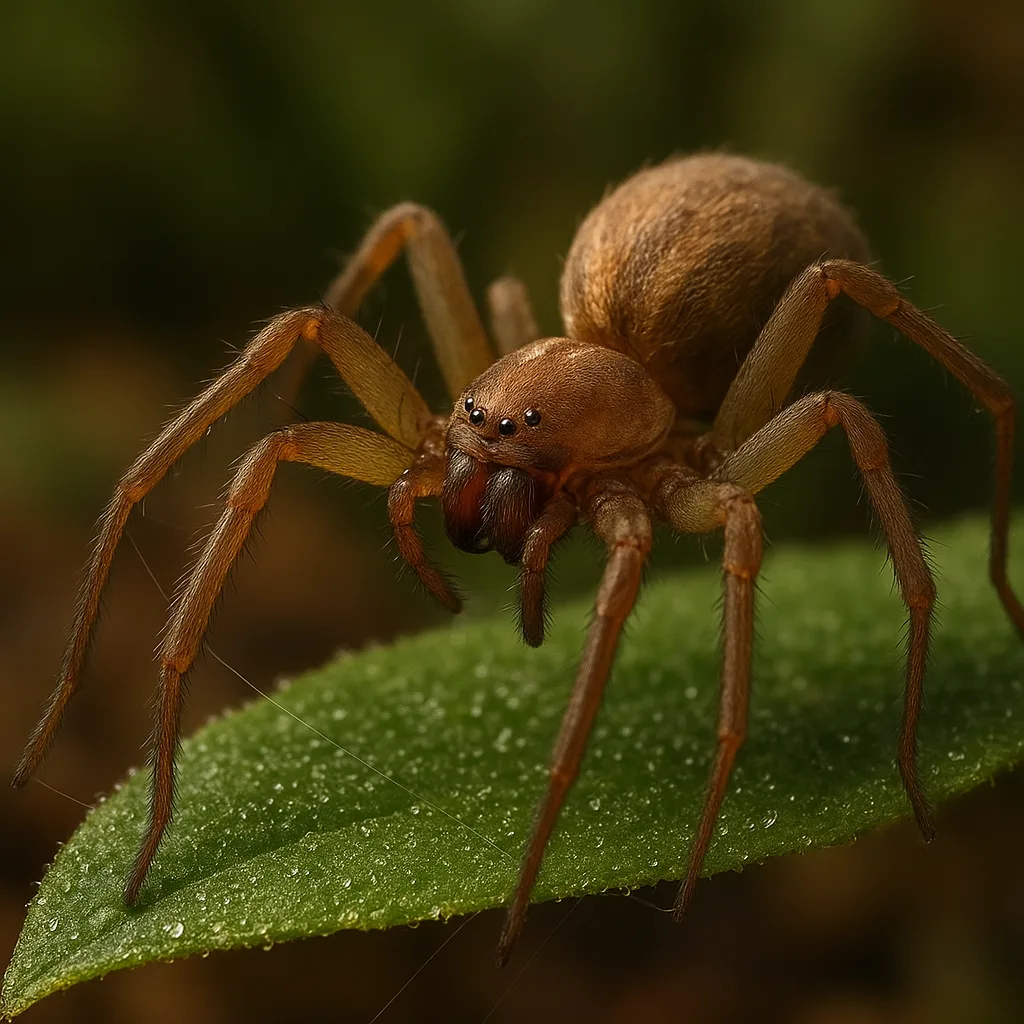
1. Immediate vs Delayed Reactions: Timeline Matters
Knowing when symptoms start after a bite is one of the most reliable ways to judge seriousness. Different medically important spiders produce distinct timelines.
Key timelines to watch
- Seconds to minutes: Allergic reactions or anaphylaxis — immediate and potentially life-threatening.
- Within 1–4 hours: Latrodectus (widow) venom often causes systemic symptoms (latrodectism) within a few hours.
- 12–72 hours: Loxosceles (recluse) bites may develop progressive necrosis over 1–3 days; initial symptoms can be mild.
- Hours to days: Secondary bacterial infection of any skin break can become apparent in 24–72 hours.
Practical tip: Photograph the wound immediately and every 6–12 hours to track progression; rapid spread, increasing pain, or systemic signs signal urgent care.
2. Recognizing Dangerous Spider Species
Only a small number of spider species worldwide are known to cause severe systemic illness or necrosis in humans. Visual identification of the spider (if available) is invaluable.
Major medically important spiders
- Black widow (Latrodectus spp.): Females 6–15 mm body length, glossy black with a red hourglass on the ventral abdomen (North American species like Latrodectus mactans). Cause muscle cramps, abdominal pain, sweating, hypertension. Symptoms often within 1–3 hours.
- Brown recluse (Loxosceles reclusa and related species): Body 6–20 mm, light to medium brown, violin-shaped dorsal mark; six eyes arranged in pairs (rarely seen). Bites can be painless initially, later forming a necrotic lesion over 24–72 hours.
- Funnel-web (Atrax and Hadronyche spp., Australia): Large robust spiders (body up to 18 mm, legspan >40 mm), glossy black or dark brown; aggressive if disturbed. Can cause rapidly progressive neurotoxic envenoming; antivenom available in Australia.
- Brazilian wandering spider (Phoneutria spp.): Large (body 15–25 mm), long legs, nocturnal hunters; potent neurotoxic venom; reported systemic symptoms include severe pain and autonomic instability.
Note: Many bites attributed to these species are actually from other causes. If you can capture (safely) or photograph the spider, upload the image to Orvik to get a rapid identification and reduce uncertainty.
3. How to Judge the Wound: Visual and Symptom Cues
Not all painful bites are dangerous. Here’s how to distinguish harmless local reactions from serious envenoming or infection.
For more on this topic, see our guide on Is My Spider Bite Dangerous? An Expert Guide.
Local, minor bite features
- Small red papule or papule with 2 tiny puncture marks.
- Mild pain, itching, or localized swelling confined to a 2–5 cm radius.
- Improvement over 24–48 hours with basic first aid (cleaning, ice).
Warning signs of seriousness
- Severe or escalating pain within hours of the bite (not typical for most insect bites).
- Worsening skin changes: expanding red or purple discoloration, blue-gray necrosis, or a target/hemorrhagic blister. Necrotic center often measures several centimeters in recluse bites.
- Systemic symptoms: fever >38°C (100.4°F), chills, muscle cramps or spasms, severe abdominal pain, difficulty breathing, confusion, or fainting.
- Signs of sepsis or spreading bacterial infection: pus, increasing warmth, rapidly spreading redness along lymphatic channels.
- Allergic reaction: hives, swelling of face/lips/tongue, throat tightness, wheeze, dizziness — seek emergency care immediately.
Practical measurement tip: Use a ruler or a coin (U.S. quarter ≈ 24 mm) placed near the wound in photos to document size and track enlargement.
4. First Aid and When to Seek Medical Care
Immediate actions can limit complications. Use a calm, measured approach.
First aid steps
- Move to safety and wash the bite with soap and water to reduce infection risk.
- Apply a clean dressing and cold pack (wrapped) for 10 minutes on / 10 minutes off to reduce pain and swelling.
- Keep the bitten limb immobilized and at rest; elevation reduces swelling.
- Do not cut, suction, or apply tourniquets — these can worsen tissue damage.
- Take acetaminophen or ibuprofen for pain unless contraindicated. Avoid aspirin in children.
When to seek urgent or emergency care
- If you have any signs of anaphylaxis (difficulty breathing, facial swelling, hives, fainting) — call emergency services immediately.
- If you develop systemic symptoms (muscle cramps, high blood pressure, severe abdominal pain, vomiting, fever) within a few hours — seek urgent medical evaluation; black widow envenoming can require antivenom and supportive care.
- If the wound shows progressive necrosis, spreading redness, or purulent drainage over 24–72 hours — see a clinician for wound care, possible antibiotics, or surgical consult.
- If the spider is known or suspected to be a medically dangerous species in your region (e.g., widow, recluse, funnel-web, Phoneutria) — inform the clinician and, if possible, provide a photo or the specimen for identification. Orvik can help identify photos to inform treatment decisions.
5. Spider Bite vs. Other Skin Problems: How to Tell Them Apart
Many skin lesions are mistaken for spider bites. Differentiating helps avoid misdiagnosis and inappropriate treatment.
You may also find our article on Spotting Bed Bugs: A Clear Visual Guide helpful.
Common lookalikes
- Bacterial cellulitis (including MRSA): Rapidly spreading redness, warmth, pain, often with fever; may form abscesses with pus. Unlike recluse necrosis, cellulitis usually lacks the classic central blister with surrounding hemorrhagic zone.
- Insect bite or sting: Mosquito or bee stings typically itch more than hurt and resolve within 24–48 hours.
- Allergic contact dermatitis: Widespread itchy rash, not localized to a single bite site.
- Viral or autoimmune ulcers: Herpes simplex causes grouped vesicles with burning pain; aphthous ulcers and vasculitic lesions have different patterns.
Comparison: Brown recluse bite vs MRSA abscess
- Onset: Recluse bite often initially painless, becomes tender over 12–72 hours; MRSA abscess generally painful from the start.
- Appearance: Recluse may form a pale center, raised purple border, and blistering; MRSA usually forms a focal painful pus-filled abscess.
- Systemic signs: MRSA can cause fever and systemic illness; both can, but severe systemic loxoscelism is less common.
6. Geographic and Seasonal Clues
Knowing where you live or where you were bitten narrows the list of dangerous species dramatically.
Key distribution notes
- United States: Brown recluse concentrated in central and southern states (e.g., Missouri, Arkansas, Oklahoma); black widows widespread but more common in southern and western states.
- Australia: Funnel-webs (Atrax, Hadronyche) and Redback spiders (Latrodectus hasselti) are regionally important.
- South America: Phoneutria (wandering spiders) occur in Brazil and neighboring countries.
- Europe & Mediterranean: Some Loxosceles species and Latrodectus tredecimguttatus (Mediterranean black widow) present in southern Europe.
Seasonal behavior
- Spiders are more active in spring and summer when temperatures rise — increased human–spider encounters.
- Indoor bites may occur year-round, often in shoes, clothing, or bedding where spiders hide.
- Nighttime increases risk for wandering spiders that search for prey after dark.
When possible, record the location and time of the bite and upload any spider photos to Orvik for location-aware identification to inform clinicians.
7. Treatment Options and What Clinicians Consider
Treatment depends on species (if known), severity, and symptoms.
Clinical steps commonly used
- Wound care: cleaning, debridement of necrotic tissue if necessary, and local wound management.
- Pain control: oral analgesics, muscle relaxants if latrodectism causes severe spasms.
- Antivenom: Available for latrodectism (in some countries) and funnel-web envenoming (Australia). Antivenom is used selectively for moderate to severe systemic symptoms.
- Antibiotics: Only when there is clear evidence of secondary bacterial infection; empiric antibiotics are not routinely recommended for spider bites alone.
- Hospital monitoring: For severe systemic effects such as respiratory compromise, cardiac instability, or severe neurotoxicity.
Clinical caution: No effective, universally approved antivenom exists for brown recluse bites in many regions; management is supportive and may include surgical consultation for necrotic wounds.
Looking beyond this category? Check out Mastering Coin Identification: A Field Guide.
8. Using Visual Identification Safely: How Orvik and Photos Help
Identification of the spider (not just the bite) can change clinical decisions. Clear photos assist both clinicians and identification tools.
Related reading: Identify That Spider: A Practical Field Guide.
How to photograph a spider safely
- Do not touch live spiders with bare hands. Capture only if safe and you are trained; otherwise take photos from a safe distance.
- Get multiple angles: dorsal (top), ventral (underside), and lateral views if possible.
- Include a size reference: a coin or ruler in the frame.
- Show habitat context: inside a shoe, on a wall, in a woodpile — this helps with species ID.
- Upload clear images to Orvik for AI-assisted identification and to share with your clinician.
Orvik's visual ID can reduce uncertainty and provide likely species names (e.g., Latrodectus mactans, Loxosceles reclusa), but clinical management should always be guided by symptoms, not photos alone.
Conclusion
To answer the core question — how do I know if a spider bite is serious — look at the timeline, the severity and progression of local signs, and any systemic symptoms. Immediate allergic signs or rapidly worsening systemic problems require emergency care. Progressive necrosis, expanding infection, or specific syndromes (latrodectism, loxoscelism) warrant prompt medical evaluation. Use clear photos and tools such as Orvik to help identify the spider, but prioritize clinical symptoms when deciding whether to seek care.
When in doubt, seek medical attention: timely assessment reduces complications. Keep a photo record, observe the wound at regular intervals, and call emergency services for breathing difficulty, fainting, or severe systemic symptoms.
Frequently Asked Questions
- How quickly do dangerous spider bite symptoms appear?
- It depends: allergic reactions and some neurotoxic bites (e.g., Latrodectus) can produce symptoms within minutes to a few hours, while necrotic effects from recluse spiders often develop over 12–72 hours.
- Can a spider bite be fatal?
- Fatalities from spider bites are rare with modern medical care. Serious systemic envenoming or untreated anaphylaxis can be life-threatening, so seek urgent care for severe symptoms.
- How can I tell a brown recluse from other brown spiders?
- Brown recluses (Loxosceles spp.) are 6–20 mm body length, often light-to-medium brown with a darker 'violin' mark on the dorsal cephalothorax and six eyes in three pairs. Range and habitat help—true recluse bites are uncommon outside their native distribution.
- Should I use antibiotics for a suspected spider bite?
- Not routinely. Antibiotics are used if there's clear secondary bacterial infection (pus, spreading cellulitis, systemic infection). Treat spider envenoming and necrosis based on clinician evaluation.
- Is there an antivenom for spider bites?
- Antivenom exists for some species: black widow and funnel-web antivenoms are available in certain countries and used for moderate to severe systemic envenoming. There is limited or no widely used antivenom for brown recluse bites.
- What should I photograph to help identify the spider?
- Take multiple clear photos showing dorsal and ventral views (if safe), a size reference (coin or ruler), and habitat context (shoe, wall, woodpile). Upload images to tools like Orvik to aid identification.
- How long should I watch a bite before seeking care?
- Monitor closely for the first 24–72 hours. Seek immediate care for breathing problems, rapid pain escalation, fever, spreading redness, or any systemic symptoms. If in doubt, contact a healthcare provider earlier.