
When you feel a sting, see two tiny punctures or notice a spreading sore, the first question is often: how do I know if a spider bite is poisonous? Most spider bites are harmless, but a small number come from medically significant species whose venom can cause necrosis or systemic symptoms. This guide—grounded in field observations, species biology and clinical signs—will help you assess risk, identify dangerous spiders by sight, and decide when to seek immediate medical care. Orvik, an AI-powered visual identification app, can help confirm species from a photo if you’re unsure.
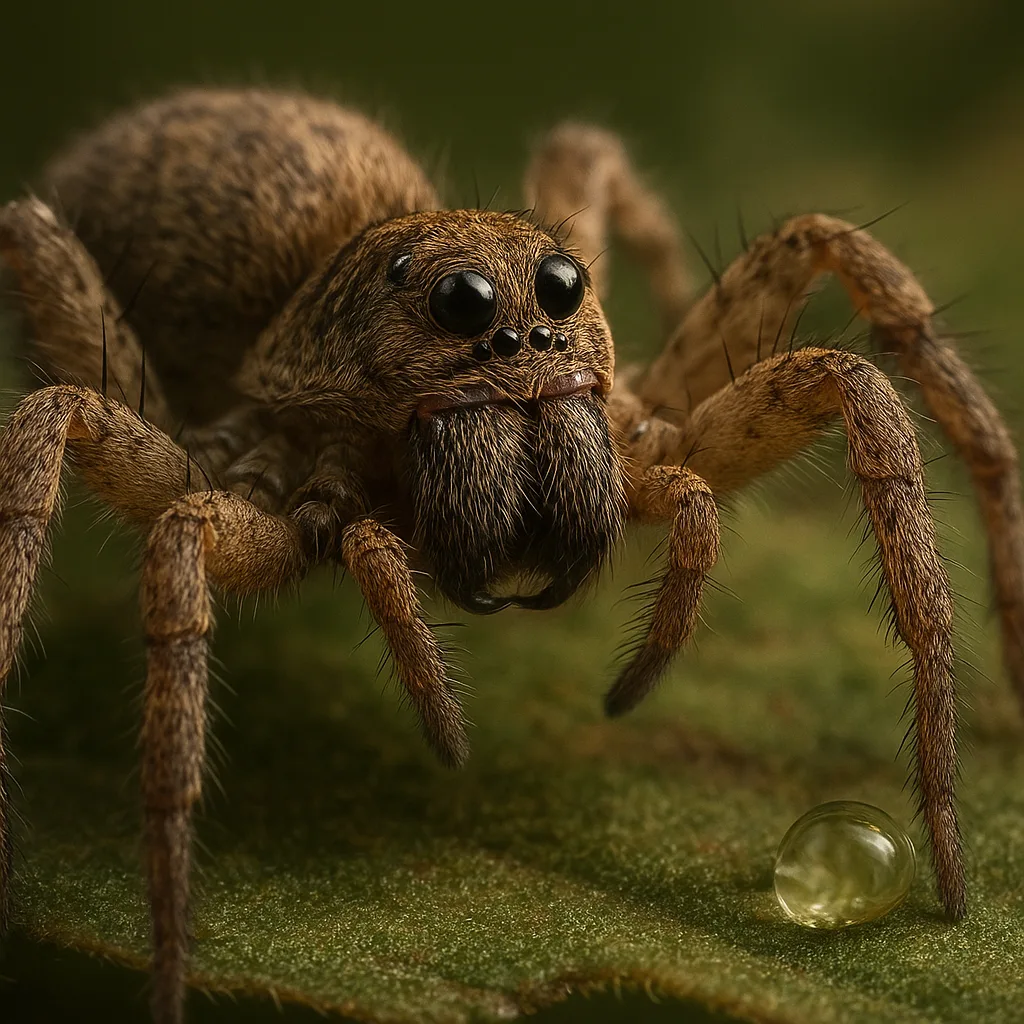
How Spider Bites Typically Present
Understanding the typical course of spider bites helps separate minor reactions from dangerous envenomations.
Local vs systemic reactions
- Local reactions: Redness, itching, pain, swelling, and a pair of puncture marks at the center. Common and usually limited to the bite area.
- Systemic reactions: Symptoms beyond the bite site — nausea, muscle cramps, sweating, headache, elevated heart rate, high blood pressure, fever, or difficulty breathing. These indicate significant venom action and require medical evaluation.
Typical timeline
- Immediate to 1 hour: Sharp pain or burning at the site for many spider bites (Latrodectus/black widow often painful).
- Several hours (2–12 hours): Increasing pain, spreading redness, onset of systemic signs for some species.
- 24–72 hours: In some necrotic bites (e.g., Loxosceles/brown recluse) skin may blister and develop an ulcer with dark necrotic center.
- Days to weeks: Healing of necrotic wound can be slow; secondary infection is a risk.
Which Spiders Are Medically Significant?
Only a handful of spider species worldwide are reliably dangerous to humans. Knowing them helps answer the question, "is this spider poisonous?" (note: 'venomous' is scientifically correct; spiders inject venom).
Key species to recognize
- Brown recluse (Loxosceles reclusa) — body 6–12 mm, legspan up to 25 mm; tan to dark brown with a violin-shaped dorsal marking. Found in the central and southern United States. Venom causes sphingomyelinase D activity: possible skin necrosis in a minority of bites.
- Black widow (Latrodectus mactans and relatives) — female body 8–13 mm, shiny black with red hourglass on abdomen; legspan up to 40 mm. Found throughout temperate regions worldwide. Neurotoxic venom causes severe muscle pain, cramping, sweating and autonomic effects.
- Sydney funnel-web (Atrax robustus) — robust, 1–2 cm body, glossy dark brown/black; native to eastern Australia. Can deliver life-threatening envenomation; antivenom available.
- Brazilian wandering spiders (Phoneutria spp.) — large, 17–48 mm body, aggressive when threatened; Central and South America. Potent neurotoxic venom; severe cases require urgent care.
- Six-eyed sand spiders (Sicarius spp.) — flat, sand-colored, desert habitats; limited to parts of Africa and South America. Venom can cause necrosis though human bites are rare.
Geographic and seasonal notes
- Brown recluse: concentrated in the central and southern U.S. (e.g., Missouri, Arkansas, Texas). Rarely found north of this range naturally.
- Black widow: wide distribution across U.S., southern Canada, Europe, Africa; more active in warm months (spring–autumn).
- Funnel-web and Phoneutria: tropical/subtropical seasons influence activity; nocturnal hunting increases late-afternoon and night encounters.
Visual Identification: How to Know if a Spider Is Poisonous
Visual cues are critical because the species determines the venom type. Follow these practical identification tips—measurements and patterns matter.
For more on this topic, see our guide on When a Spider Bite Is Serious: Clear Signs to Watch For.
Practical visual ID tips
- Body size (mm): Measure or estimate body length (not legspan). Small-bodied spiders (3–6 mm) are less likely to cause systemic envenomation than larger-bodied Latrodectus or Atrax females (8–20+ mm).
- Color and sheen: Shiny black abdomen often suggests Latrodectus (black widow). Uniform tan to brown with a darker violin mark suggests Loxosceles (brown recluse).
- Markings: Look for an hourglass (black widow), violin/fiddle mark (brown recluse), or bright banding on legs (some Phoneutria).
- Eye arrangement: If you can get a close clear photo, note eyes. Brown recluses have six eyes arranged in three pairs (most spiders have eight).
- Body shape: Fiddler-shaped cephalothorax in Loxosceles, bulbous abdomen in Latrodectus females, robust chelicerae in funnel-web spiders.
Habitat and web cues
- Brown recluse: Prefer dark, undisturbed indoor spaces — attics, basements, closets, shoes. Irregular webs in corners with retreats.
- Black widow: Builds irregular sticky cobwebs in garages, woodpiles, under eaves and outdoor structures.
- Funnel-web: Burrows with silk linings and funnel entrances; often hidden in leaf litter or logs.
If you’re uncertain, photograph the spider from multiple angles and use Orvik to get a fast AI-assisted identification. A reliable ID greatly improves medical decisions.
How to Assess If Your Spider Bite Is Poisonous: A Step-by-Step Checklist
People searching “how do i know if my spider bite is poisonous” want a practical decision tree. Use this checklist to evaluate risk:
- Inspect and document the bite:
- Look for two puncture marks, redness, and swelling. Photograph the wound with scale (a coin or ruler) every 6–12 hours.
- Note symptom timing:
- Immediate severe pain suggests a neurotoxic bite (e.g., black widow). Delayed progressive pain with central necrosis suggests Loxosceles.
- Identify the spider if possible:
- Use visual cues or an app like Orvik to help. A confirmed Latrodectus or Loxosceles increases concern.
- Watch for systemic signs:
- Muscle cramps, sweating, nausea, rapid heartbeat, breathing difficulty, fainting—seek emergency care.
- Consider vulnerability:
- Children under 10, the elderly, pregnant people, and those with chronic illness are at higher risk of complications.
- Evaluate wound progression at 24–72 hours:
- Stable local redness/itching = likely minor. Rapidly expanding ulcer, black eschar, or spreading cellulitis = urgent medical review.
First Aid and When to Seek Medical Help
Initial management reduces complications. Most bites do not require antivenom, but timely treatment matters when systemic symptoms or necrosis appears.
You may also find our article on Identify That Spider: A Practical Field Guide helpful.
Immediate first aid (do this at once)
- Clean the area with soap and water to reduce infection risk.
- Apply a cold pack (wrapped) for 10 minutes on/10 minutes off to slow venom spread and relieve pain.
- Keep the bitten limb immobilized and at heart level—not elevated—if swelling or systemic signs are present for some venoms (follow local protocol for Latrodectus).
- Do not cut, use tourniquets, try to suck out venom, or apply heat unless instructed by a clinician.
Seek emergency care if you notice:
- Difficulty breathing, chest pain, severe muscle cramping, uncontrolled vomiting, fainting, confusion, or rapidly spreading redness and swelling.
- Wound shows a black necrotic center, expanding ulceration, or secondary infection (pus, fever).
- Very young children, elderly, pregnant people, or those with immune compromise have worsening symptoms.
For confirmed black widow bites with severe systemic signs, antivenom is available in many regions; for brown recluse, treatment is mainly wound care and, rarely, surgical management. Always follow local emergency protocols.
Diagnosis and Medical Treatments
Medical professionals use clinical history, wound appearance and, when available, spider identification to guide care.
Diagnostic steps clinicians take
- History: Time of bite, activity when bitten, description or photo of spider, prior allergic reactions.
- Physical exam: Local inspection, systemic symptom evaluation (neuromuscular, cardiovascular).
- Laboratory tests: CBC, metabolic panel, creatine kinase (CK) if muscle involvement suspected; wound cultures if infection suspected.
- Imaging or surgical consult: For extensive necrosis, plastic or general surgeons may evaluate wound depth and need for debridement.
Treatment options
- Supportive care: Analgesics, tetanus prophylaxis, wound cleaning, and antibiotics if secondary infection is present.
- Antivenom: Available for black widow and some funnel-web bites; given when systemic toxicity is severe. Not routinely used for brown recluse bites.
- Surgical care: Rarely required; debridement for extensive necrosis after demarcation. Early aggressive surgery is usually avoided.
X vs Y: How to Tell Dangerous Bites From Lookalikes
Many skin lesions are misattributed to spider bites. Distinguishing a true venomous bite from infection, tick bite, or other causes reduces unnecessary alarm.
Looking beyond this category? Check out Identify Your Dog: Expert Visual Guide.
Brown recluse bite vs infected spider bite vs MRSA
- Brown recluse: May begin as painless or mildly painful papule, then develop central blister and dark eschar over 24–72 hours. Often a clear history of spider encounter.
- Infected insect bite/abscess (e.g., Staphylococcus aureus/MRSA): Frequently painful early, rapidly warm to touch, often with pus and systemic fever. Culture yields bacteria.
- Cellulitis: Diffuse redness and warmth without central necrosis; spreads along tissue planes and responds to antibiotics.
Black widow bite vs muscle strain or abdominal pain
- Black widow: Intense, generalized muscle cramps (often abdominal), autonomic symptoms and severe pain within hours of the bite. Look for history of spider exposure and localized bite mark.
- Muscle strain/appendicitis: Typically lacks bite history and exhibits focal signs; imaging or labs differentiate causes.
Prevention, Safety Tips and the Role of Orvik
Preventing bites focuses on reducing encounters and educating household members on safe practices. When uncertain about a spider, Orvik can provide photo-based identification to guide risk assessment.
Related reading: Identify Caterpillars by Photo: Expert Field Guide.
Practical prevention tips
- Seal gaps around windows, doors, and foundations to reduce indoor spider entry.
- Wear gloves and long sleeves when moving stored items, working in woodpiles or in sheds; shake out shoes and clothing before wearing.
- Keep wood, debris and compost away from home perimeter; reduce outdoor clutter.
- Use a flashlight at night around storage areas; many venomous spiders are nocturnal.
Using Orvik and other resources
- Photograph spiders from multiple angles (dorsal, ventral, close-up of markings) and upload to Orvik for rapid AI-assisted ID.
- Save images of the bite area over time—clinicians value time-lapse photos.
- Keep local medical and poison control numbers handy; in the U.S. call Poison Control at 1-800-222-1222 for guidance.
Orvik’s image recognition can often tell you whether a spider belongs to a medically significant genus (e.g., Latrodectus or Loxosceles), which helps you decide whether to seek urgent care.
Conclusion
Most spider bites are minor and heal with simple wound care. To answer "how do i know if spider bite is poisonous": look for systemic symptoms, progressive necrosis, and identify the spider if possible. Use visual cues—size, color, distinctive markings, eye arrangement and habitat—to determine risk. Photograph the spider and the wound, use tools like Orvik for identification, and seek emergency care if you experience severe muscle pain, breathing difficulty, rapid progression of the wound, or if the victim is a child, elderly or immunocompromised. Timely assessment and clear documentation are the best defenses against serious complications from venomous bites.
Frequently Asked Questions
- How can I tell if my spider bite is poisonous?
- Assess timing and symptoms: immediate severe pain, muscle cramps, sweating, breathing difficulty, or progressive skin necrosis suggest venomous bites. Identify the spider if possible and seek medical care for systemic signs.
- Which spiders are most dangerous to humans?
- Globally, medically significant spiders include brown recluse (Loxosceles), black widow (Latrodectus), Sydney funnel-web (Atrax), and Brazilian wandering spiders (Phoneutria). Geographic context matters.
- What first aid should I do for a suspected venomous bite?
- Clean the wound with soap and water, apply a wrapped cold pack intermittently, keep the limb still, photograph the bite, and seek urgent care for severe or worsening symptoms. Do not cut or use tourniquets.
- When should I go to the emergency room?
- Go to the ER for breathing difficulty, chest pain, severe muscle cramps, altered consciousness, rapidly spreading redness or necrosis, or if the victim is a child, elderly, pregnant, or immunocompromised.
- Can I use an app to identify a spider?
- Yes. AI-driven tools like Orvik can help identify spiders from photos, giving you more accurate risk assessment to guide medical decisions.
- Do all brown spiders in my house mean danger?
- No. Many non-dangerous spiders are brown. True brown recluse identification relies on violin marking, six eyes in three pairs, and known geographic range; most brown spiders are harmless.
- Is antivenom always necessary for black widow bites?
- No. Antivenom is reserved for severe systemic cases. Mild bites are managed symptomatically with pain control and monitoring.