
When you need to know whether the bug in your kitchen is a cockroach, you want facts fast: clear visual cues, size ranges, likely habitats and what risks the insect poses. This guide reads like a field manual from an expert entomologist and a pest pro combined. It explains how to identify a cockroach at all life stages, how to tell similar insects apart, and how to act when you find one.
1. Quick ID: Key features every cockroach has
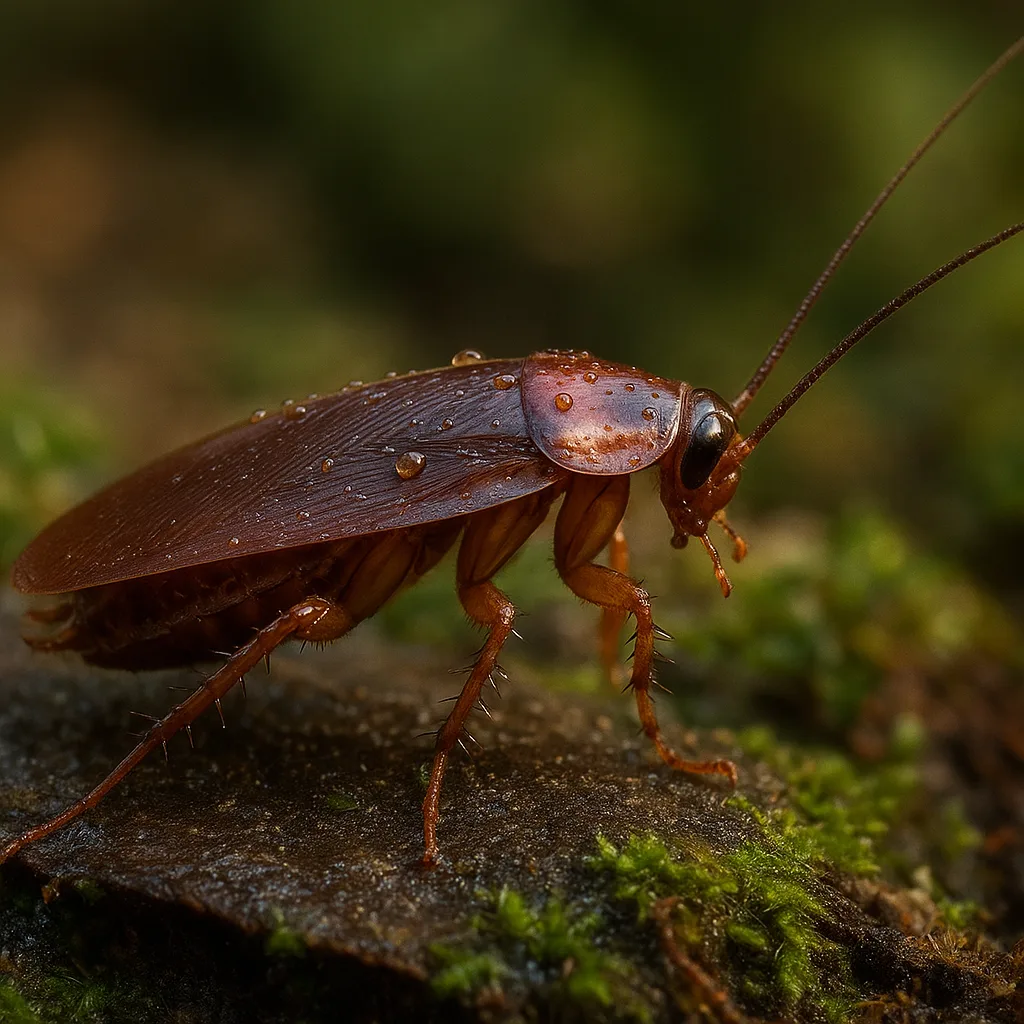
If you only have a few seconds to look, check these consistent traits. Cockroaches belong to the order Blattodea and share a set of body characteristics that set them apart from beetles, crickets and other household insects.
Core visual cues
- Body shape: oval, flattened dorsoventrally, lengthwise more than width
- Antennae: very long, filamentous, often longer than the body
- Legs: six spiny legs adapted for running; long femora and tibiae with visible spines
- Head: usually hidden from above by a shield called the pronotum
- Wings: many adults have a pair of leathery forewings called tegmina; wing development varies by species
- Movement: quick, erratic scuttling rather than slow walking or hard-shelled clacking
Measurements and proportions to note
- Typical sizes: small species like the German cockroach are 12 to 16 mm long; large species like the American cockroach reach 30 to 50 mm
- Body thickness: flattened enough to slip into 3 to 6 mm crevices in walls or cabinets
- Egg cases: oothecae are typically 6 to 9 mm in small species and up to 20 mm in large species
2. Common species and how to identify them
Knowing the most common pest species helps narrow identification and informs control choices. Here are the species you will most likely encounter in homes and businesses in temperate and tropical regions.
German cockroach, Blattella germanica
- Size: 12 to 16 mm (0.5 inch)
- Color: light tan to medium brown with two dark parallel stripes on the pronotum behind the head
- Wings: present in adults but poor fliers; nymphs are wingless
- Patterns: uniform body with the distinctive paired stripes
- Habitat: kitchens and bathrooms, near food and moisture; common indoors worldwide
American cockroach, Periplaneta americana
- Size: 30 to 50 mm (1.25 to 2 inches)
- Color: reddish brown with a yellowish margin on the pronotum in some specimens
- Wings: well developed; adults can glide or fly short distances in warm conditions
- Habitat: basements, sewers, boiler rooms and restaurants; prefers damp, warm places
Oriental cockroach, Blatta orientalis
- Size: 20 to 27 mm (0.8 to 1.1 inches)
- Color: dark brown to nearly black, often called water bug or black roach
- Wings: males have short wings; females have very reduced wings and cannot fly
- Habitat: cool, damp areas such as basements, drains and crawl spaces
Brown-banded cockroach, Supella longipalpa
- Size: 10 to 14 mm
- Color: light brown with two lighter transverse bands across the wings and abdomen
- Habitat: drier areas, higher on walls, ceilings, furniture and electronics
Asian and Australian cockroaches
- Asian cockroach is similar to Periplaneta americana but is a stronger flier and prefers outdoor, shaded vegetation
- Australian roach Periplaneta australasiae resembles the American roach but is smaller and common in tropical climates
3. Signs of cockroaches beyond the insect itself
Often you spot the evidence rather than the insect. Learn these indirect signs to be sure a roach infestation is present.
Common nonvisual and visual signs
- Fecal droppings: look like black pepper grains or coffee grounds in small species; cylindrical dark pellets 3 to 5 mm long in larger species
- Oothecae: small, oblong egg cases, brown, 6 to 20 mm depending on species
- Smear marks: greasy streaks along baseboards or in corners where humidity is high
- Unpleasant odor: heavy infestations produce a musty, oily scent from pheromones
- Shed skins: nymphs molt through several instars; shells may accumulate near harborages
When and where you will see signs
- Peak activity: nocturnal in most species; sightings during daytime often indicate heavy infestation
- Common locations: under sinks, behind appliances, inside cabinets, in cracks and wall voids, in sewers
- Seasonal patterns: activity increases with warmth and humidity; in temperate regions sighting frequency rises in late spring through early fall
4. How to identify a flying cockroach
Not all cockroaches fly, and flight capability is an important identification and behavior clue. Knowing which species glide, which truly fly, and when flight occurs helps with rapid identification.
For more on this topic, see our guide on Spotting the Queen Bee: A Field Guide.
Visual flight cues
- Wing length: species with full wings that extend beyond the abdomen, such as Periplaneta americana, are capable of flight or gliding
- Wing texture: leathery forewings and membranous hind wings that fold beneath are visible when wings are spread
- Behavior: launching from walls in response to light or disturbance; sustained flight is rare indoors
Which species fly and when
- American cockroach: can fly short distances and glide; flight more common at temperatures above 26 Celsius
- Asian cockroach: an adept flier; often active around porch lights and attracted to light
- German cockroach: has wings but rarely flies; they may hover or flutter but do not sustain flight
- Oriental cockroach: females are flightless; males have short wings but rarely fly
5. Lookalikes: what bugs can be mistaken for cockroaches
Several insects share traits with cockroaches. Misidentifying a harmless beetle or cricket can lead to incorrect control steps. Below are the most common lookalikes and how to tell them apart.
Cockroach vs beetle
- Beetles have hardened elytra that meet in a straight line down the back and chewing mouthparts visible at the front
- Cockroaches have a more flattened form, long antennae, and legs adapted for running with spines
Cockroach vs cricket
- Crickets have large hind legs for jumping and a cylindrical body with short antennae relative to cockroaches
- Crickets chirp and are more active outdoors in grasses and fields
Cockroach vs water bug or giant water bug
- Water bugs are usually found near water, have a flattened oval body but a distinct raptorial front leg on predatory families
- Cockroaches indoors are associated with food and warmth rather than aquatic habitats
Cockroach vs earwig
- Earwigs have pincers or forceps on the abdomen tip and a more elongated body; cockroaches lack terminal pincers
6. Habitat, distribution and seasonal behavior
Different species prefer different microhabitats and climates. Knowing regional patterns helps predict which species you may have and how active they are at particular times of year.
Habitat preferences
- German cockroach: indoor, warm, high humidity zones like kitchens and bathrooms
- American cockroach: semi-outdoor spaces, sewers, storm drains and warm indoor mechanical rooms
- Oriental cockroach: cool, damp basements, drains and under concrete slabs
- Brown-banded: drier areas like furniture, ceilings and electronics
Geographic distribution and climate
- Global distribution: cockroaches exist worldwide; Periplaneta americana thrives in warm temperate to tropical climates
- Urban hotspots: dense human structures provide constant food and microclimates, supporting populations in cities globally
- Seasonal activity: many species increase visible activity in warm months; indoor species remain active year round where conditions permit
7. Health risks, toxicity and safety warnings
Cockroaches are more than a creepy sight. They pose real health concerns and require thoughtful, safe responses if you choose to treat or eliminate infestations.
You may also find our article on Spotting Carpenter Ants: A Practical Field Guide helpful.
Health and allergen risks
- Allergens: cockroach feces, saliva and shed skins are potent indoor allergens linked to asthma exacerbations, especially in children
- Pathogens: roaches can carry bacteria such as Salmonella, E coli and pathogens from sewer contamination to kitchen surfaces
- Bites: rare and generally only in cases of heavy infestation and lack of food; bites are minor compared to other risks
Safety and pesticides
- Label reading: always follow label directions for insecticides; keep pets and children away from treated surfaces until safe
- Integrated pest management: use sanitation, exclusion and targeted baits before resorting to broad-release sprays
- Professional help: for heavy infestations or if using fumigation, hire licensed pest control professionals to minimize human and pet exposure
8. What to do when you find a cockroach
People want three things when they search how to identify a cockroach: confirmation, a sense of urgency, and practical next steps. Use this checklist to move from identification to action.
- Confirm ID: use the visual cues in this guide or a photo identification tool like Orvik to confirm species and life stage
- Document signs: take photos of the insect, droppings or egg cases and note locations and times of sightings
- Sanitation: remove food residues, store food in sealed containers, fix leaks and reduce clutter that offers hiding places
- Exclude: seal gaps 3 to 6 mm wide around pipes, doors and walls where roaches slip through
- Control: use traps and baits targeted to the species; save sprays for spot treatments and consider professional service for larger problems
Note on chemicals: insecticides can be hazardous. Use bait stations and gels when possible, keep children and pets away from fresh residues, and follow all label warnings.
Looking beyond this category? Check out Field Guide to Visual ID with Orvik.
9. Using AI and apps to confirm identification
Clear photos and a second opinion help when identification is uncertain. AI-powered tools speed up the process and reduce mistaken identity. Orvik is one such tool that can analyze a photo, suggest species and point out distinguishing features.
Related reading: Spotting Bed Bugs: A Clear Visual Guide.
How to use tools like Orvik
- Photograph the insect from above and from the side if possible, showing the pronotum, abdomen and antennae
- Include a scale reference like a coin or ruler for size estimate
- Upload to the app and review the suggested matches and confidence scores
- Compare app notes to this guide and, if in doubt, consult a local extension service or pest professional
Orvik can be especially useful for telling similar species apart, for instance distinguishing an Asian cockroach from Periplaneta americana, which look very similar to the eye but differ in flight behavior and local treatment needs.
10. Comparison reference: quick telltale differences
Use this compact set of visual checks to separate common confusions at a glance.
- German cockroach vs brown-banded: look for the paired pronotum stripes on German roaches and the transverse bands on brown-banded individuals
- American cockroach vs Oriental cockroach: American is reddish brown and larger with full wings; Oriental is darker, stockier and less able to fly
- Cockroach vs beetle: antennae length and leg spines; beetles have hardened wing covers that meet neatly along the back
- Flying cockroach vs moth: moths have scaled wings and hold them roof-like over the body; cockroach wings are leathery and folded flat
Conclusion
Identifying a cockroach accurately requires attention to size, shape, antennae, wing development and habitat. Small details like pronotum stripes on Blattella germanica or full wings on Periplaneta americana change both the diagnosis and the response. When in doubt, photograph the specimen, use a tool such as Orvik to get a fast AI-assisted suggestion, and follow sanitary and exclusion steps to reduce risk. For large or persistent infestations, consult a licensed pest control professional for safe, effective treatment.
Frequently Asked Questions
- How do I identify a roach quickly
- Look for a flattened oval body, very long antennae, spiny running legs and a shielded head. Size and color narrow the species.
- How do you identify a cockroach vs a beetle
- Beetles have hardened elytra that meet down the center and shorter antennae. Cockroaches are flatter, have long filamentous antennae and spiny legs.
- How to identify a flying cockroach
- Check whether wings extend beyond the abdomen and observe behavior. American and Asian cockroaches can glide or fly in warm conditions; German cockroaches rarely fly.
- How to identify a German cockroach
- German cockroaches are small, 12 to 16 mm long, light brown with two dark parallel stripes on the pronotum and are common in kitchens and bathrooms.
- What bugs can be mistaken for cockroaches
- Common lookalikes include beetles, crickets, water bugs and earwigs. Use antennae length, leg type and habitat to differentiate them.
- Are cockroaches dangerous
- They can spread bacteria and trigger asthma and allergies. While not venomous, heavy infestations pose significant health concerns and merit control.
- Can I use an app to confirm the species
- Yes. AI apps like Orvik can analyze photos and offer likely species IDs, which helps guide treatment and next steps.
- When should I call a professional
- If sightings are frequent, you find egg cases or droppings, or DIY measures fail, contact a licensed pest control professional for safe, effective control.