
1. Understanding fire ants: species, biology, and why ID matters
When people ask "how to identify fire ants" they usually mean the aggressive, stinging ants in the genus Solenopsis that cause painful stings and economic damage. The most familiar species is the red imported fire ant, Solenopsis invicta, but several related species—S. richteri (black imported fire ant) and S. geminata (tropical fire ant)—share many features. Correct identification matters for safety, management, and reporting invasive species.
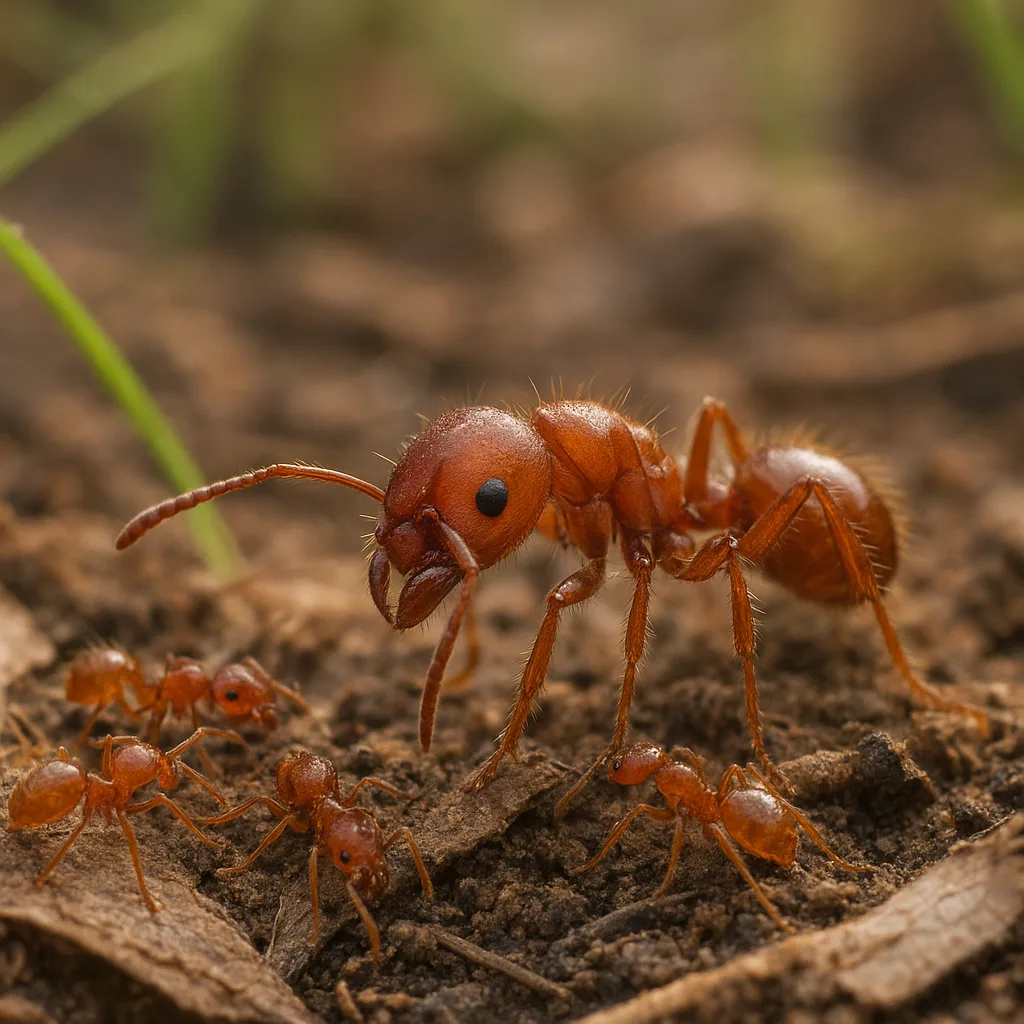
Key facts at a glance
- Family: Formicidae; Subfamily: Myrmicinae.
- Common species: Solenopsis invicta, S. richteri, S. geminata.
- Worker size: typically 2.4–6 mm (varies by caste).
- Queen size: typically 8–12 mm for S. invicta; can be larger for some species.
- Characteristic features: reddish color tones, two-segmented petiole (petiole + postpetiole), 10-segmented antennae with a 2-segmented club, and a functional stinger.
2. Visual ID: physical characteristics of fire ants
Visual identification is the quickest way to answer "how do I identify an ant" in the field. Focus on size, color, body shape and distinctive parts such as antennae, petiole nodes, and the gaster. Use a hand lens (10x–20x) or a macro photo for small details.
Size and color
- Workers: 2.4–6 mm long, often varying within the same colony (polymorphic).
- Color: red to reddish-brown with a darker gaster (abdomen). S. richteri may appear darker, almost black in places; S. invicta is typically a bright reddish-brown.
- Queens: noticeably larger at 8–12 mm, robust thorax (wing scars or wings if virgin).
Body shape and diagnostic features
- Antennae: 10 segments with a distinct 2-segmented club — feel for the clubbed tip under magnification.
- Petiole: two nodes (a petiole and a postpetiole) between thorax and gaster — this separates Myrmicinae like Solenopsis from some other subfamilies.
- Stinger: present at the tip of the gaster; fire ants can sting and inject venom, unlike many ants that can only bite.
- Mandibles: small but powerful, often used to grab before stinging.
Texture and surface details
- Body: often smooth and shiny on the gaster; the head and thorax may show fine punctation (tiny pits) or sparse hairs.
- Hairs: workers have short, erect hairs on the gaster and body that can be seen with magnification.
3. How to identify a fire ant queen
Many searches include "how to identify a queen ant" or "how to identify a fire ant queen." Queens have distinct features that separate them from workers and males.
Visual cues for queens
- Size: queens are substantially larger—usually 8–12 mm for S. invicta; some queens may reach >12 mm in different species.
- Thorax: the thorax is swollen and robust to accommodate flight muscles. Even after wings are shed, wing scars (small round marks) remain visible.
- Gaster: larger and rounder compared to workers, often darker.
- Behavior: queens are typically in nests, especially deeper chambers; free-roaming queens are often newly mated (alate) or establishing colonies.
Practical tips to spot a queen safely
- Look near the center of large mounds or in deeper nest holes rather than at foraging trails.
- Avoid handling—queens are capable of stinging and often accompanied by many aggressive workers.
- Use a macro photo to confirm thorax size and wing scars before attempting any interaction.
4. Behavior and nest signs: how to recognize fire ant activity
Behavioral clues are decisive when asking "how to recognize fire ants". Their distinctive mound-building, aggressive defense, and foraging patterns make them conspicuous once you know what to watch for.
For more on this topic, see our guide on Spotting Carpenter Ants: A Practical Field Guide.
Mounds and nest architecture
- Mound shape: dome-shaped mounds, 15–30 cm across and 5–40 cm high, depending on soil and colony age; mounds may lack an obvious central entrance.
- Soil: mounds are made of loose, fine soil. In compacted urban soils, colonies may nest under sidewalks, electrical boxes, or in wall cavities instead of building mounds.
- Multiple craters: older colonies or polygynous colonies (multiple queens) often have groups of mounds connected by underground galleries.
Foraging and aggression
- Foraging trails radiate from mounds; workers forage day and night in warm weather, with peak activity in late morning and afternoon.
- Aggressive response: disturbance of the mound triggers rapid worker emergence and coordinated stinging. Workers may swarm and cluster on a perceived threat.
- Diet: omnivorous—scavenge proteins, insects, seeds, and sweet substances (honeydew, nectar).
5. Habitats, distribution, and seasonal behavior
Knowing where and when to look answers the search intent behind "how to id ants" and helps you distinguish fire ants from native species.
Typical habitats
- Open, sunny areas: lawns, parks, fields, pastures, roadside verges and disturbed sites.
- Sandy or well-draining soils: preferred, but fire ants adapt to clay and loam as well.
- Urban edges: under pavement, in irrigation boxes, electrical equipment housings—places that offer shelter.
Geographic distribution
- Native range: South America. S. invicta originates from the Paraná River basin.
- Invasive range: Southeastern United States (widespread), Australia (localized but serious), parts of China, Taiwan, and other regions where inadvertent transport occurred in the 20th century.
Seasonal behavior
- Active season: Spring through fall in temperate regions; nearly year-round in warm climates.
- Reproductive flights: Nuptial flights typically occur in warm, humid weather after rain—watch for large winged ants in late spring or summer.
- Winter behavior: activity drops with cold temperatures; in frost-prone zones, colonies retreat deeper underground.
6. Safety, sting risks, and first aid
One of the main reasons people search for "how to identify fire ants" is concern about stings. Fire ant venom causes a burning sensation, pustule formation, and in rare cases, systemic allergic reactions.
You may also find our article on Ladybug Diets: A Field Guide to What They Eat helpful.
What to expect from a fire ant sting
- Local reaction: immediate burning pain, redness and swelling within minutes.
- Pustule formation: a sterile white pustule often appears within 24 hours and may persist for several days.
- Severe reactions: anaphylaxis is uncommon but serious—symptoms include difficulty breathing, swelling of the face or throat, rapid heartbeat and dizziness.
First aid steps
- Remove the person from the area to prevent more stings.
- Clean the area with soap and water; apply a cold pack to reduce swelling and pain.
- Use oral antihistamines for itching; topical corticosteroids can help inflammation.
- Seek emergency care for signs of systemic allergic reaction; carry an epinephrine auto-injector if you have a known severe allergy.
7. Comparison: Fire ants vs common look-alike ants
To answer queries like "how to identify different ants" and "how to id ants", compare fire ants with commonly mistaken species. The following comparisons emphasize the practical visual cues and behavior that separate them.
Fire ants vs pavement ants (Tetramorium spp.)
- Size: pavement ants are 3–4 mm, similar in size to small fire ant workers, so size alone isn't reliable.
- Color: pavement ants are usually brown to dark brown; fire ants are reddish to red-brown with a darker gaster.
- Petiole: pavement ants have two nodes but the antennae are 12-segmented with a 3-segmented club—check antennae count under magnification.
- Behavior: pavement ants form visible foraging trails and nest in cracks in pavement rather than building prominent mounds.
Fire ants vs harvester ants (Pogonomyrmex spp.)
- Size: harvester ants are often larger (6–12 mm) and have a more robust, elongated appearance.
- Color and texture: harvester ants often have rougher, matte exoskeletons and more pronounced spines.
- Mound shape: harvester ant mounds tend to be flatter and surrounded by cleared areas where seeds are stored.
Fire ants vs carpenter ants (Camponotus spp.)
- Size: carpenter ants are much larger (6–13 mm or more); if the ant is large and black or bicolored, it is likely Camponotus.
- Habitat: carpenter ants nest in wood and cause structural damage; fire ants nest in soil mounds.
- Behavior: carpenter ants do not sting (they bite and may spray formic acid); fire ants sting and swarm.
8. Field identification workflow and tools (including Orvik)
When a person types "how do I identify an ant" they want an efficient, reliable workflow. Follow these steps in the field. Using a visual ID tool like Orvik can speed identification by analyzing photos and suggesting likely species.
You might also be interested in Maple Leaf ID: Recognizing Acer Species in the Field.
Related reading: Identify Insects from Photos Like a Field Naturalist.
Step-by-step field workflow
- Observe from a safe distance—do not disturb the mound.
- Take clear photos: macro of the head and thorax, side view showing petiole nodes and gaster, and an image of the mound or habitat.
- Note behavior and context: time of day, habitat type, presence of multiple mounds, and whether ants swarm when disturbed.
- Upload photos to a reliable ID tool or send to an expert. Orvik's AI-based visual identification can narrow possibilities quickly and suggest similar species for comparison.
Photography tips for accurate ID
- Use a macro lens or the macro mode on a phone; aim for sharp focus on antennae and petiole nodes.
- Include a scale (ruler or coin) in one image to show size.
- Take photos in natural light without heavy shadows; multiple angles increase accuracy.
Using Orvik and other resources
- Orvik: upload clear photos for AI-assisted ID; the app can help non-experts distinguish fire ants from look-alikes and flag possible invasive reports to specialists.
- Local extension services: for confirmed management guidance, contact your local university extension or pest control agency.
- Reference keys: when possible, consult entomological keys or guides that list antenna segment counts, petiole structure and other diagnostic traits.
9. Management pointers and when to call professionals
Identification naturally leads to the question: what should I do about them? If you confirm fire ants near homes, livestock areas, playgrounds or electrical equipment, take action based on safety and local regulations.
Non-chemical and immediate steps
- Restrict access to the area; mark mounds and warn family or visitors.
- Avoid DIY mound-drenching during hot midday—disturbing a mound often provokes mass stinging.
- For small, isolated mounds in non-sensitive areas, targeted baits can be effective but require follow-up.
When to call professionals
- Large infestations, multiple mounds near structures, electrical equipment or animal enclosures.
- When household members, workers or animals have allergic reactions to stings.
- If you suspect an invasive species beyond your region—professional identification and reporting may be required.
Conclusion
Learning how to identify fire ants means combining visual cues (size, color, antennae, petiole nodes), behavior (mounds, swarming), habitat, and seasonal timing. Queens are larger with a swollen thorax and wing scars; workers are polymorphic and sting. If you need a fast, field-ready answer, capture sharp photos and use AI tools like Orvik to compare images and narrow possibilities. Always treat suspected fire ant mounds cautiously—avoid disturbance, use first-aid measures for stings, and consult professionals for control or if you find large or widespread colonies.
Frequently Asked Questions
- How do I recognize fire ants by sight?
- Look for small reddish-brown workers 2.4–6 mm long, a darker rounded gaster, two petiole nodes, 10-segment antennae with a 2-segment club, and dome-shaped soil mounds.
- How can I identify a fire ant queen?
- Queens are much larger (typically 8–12 mm), have a swollen thorax for flight muscles, visible wing scars if wings are shed, and a larger gaster. They are usually found inside nests.
- Are fire ants dangerous?
- Yes. Fire ants sting and inject venom that causes burning pain, redness and pustules; some individuals may experience severe allergic reactions requiring emergency care.
- How do I tell fire ants from pavement ants?
- Pavement ants are brown to dark brown and often have 12-segment antennae with a 3-segment club. They nest in pavement cracks and form visible trails, while fire ants build loose soil mounds and are reddish.
- What habitats do fire ants prefer?
- Open sunny areas such as lawns, pastures and fields with well-draining soils; they also nest under pavement and in electrical boxes in urban areas.
- Can I use a phone app to identify fire ants?
- Yes. AI-assisted apps like Orvik can analyze clear photos to suggest likely species and help distinguish fire ants from look-alikes, but confirmatory ID from an expert may be needed for management decisions.
- What first aid should I use for a fire ant sting?
- Move away from the nest, clean the area with soap and water, apply a cold pack, use oral antihistamines for itching, and seek emergency care for signs of severe allergic reaction.