
Understanding the question: Is a brown recluse deadly?
When people search "is a brown recluse deadly" they are looking for a direct, practical answer: could a single bite kill someone, and what should they do right now? The short, evidence-based answer is: a brown recluse (Loxosceles reclusa) bite is rarely fatal. Most bites cause mild to moderate local effects; a small minority produce serious necrotic wounds or systemic illness. Fatalities are extremely uncommon in modern clinical series, especially with prompt medical care.
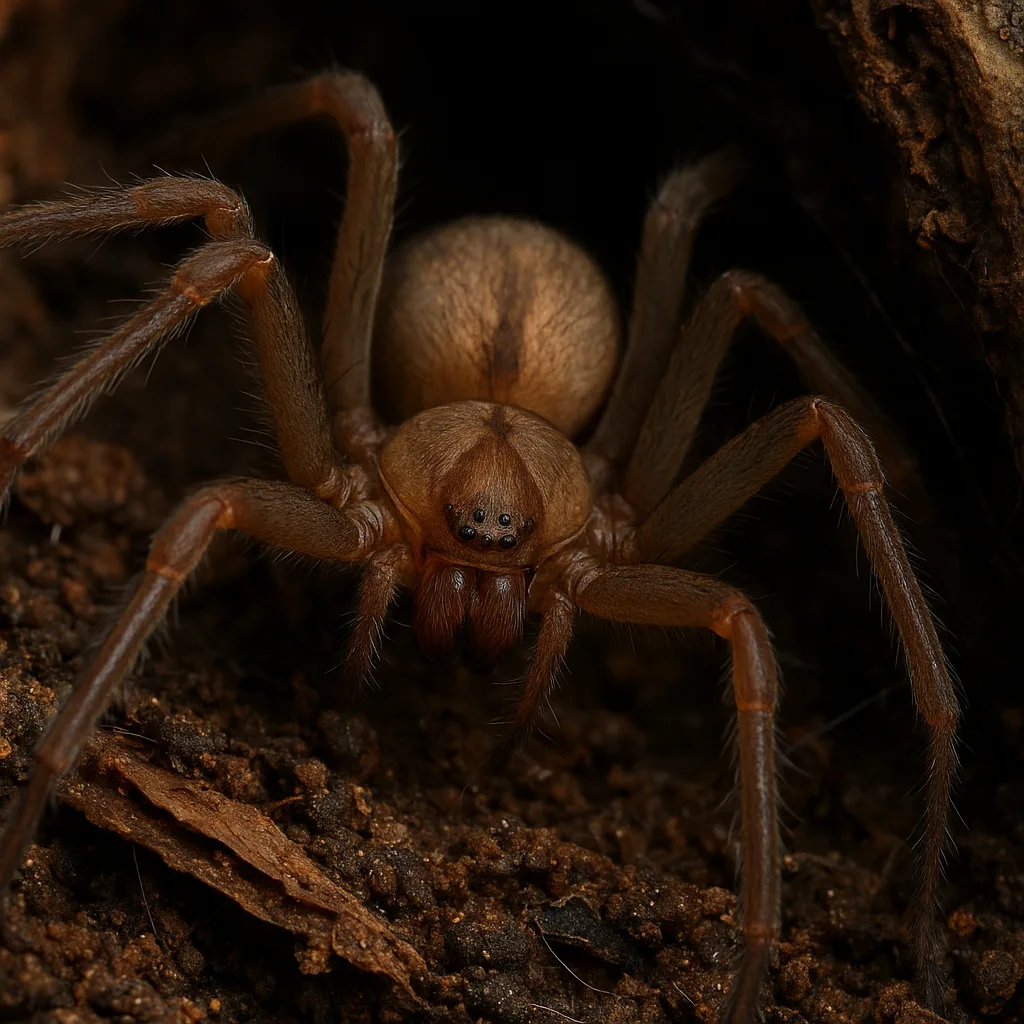
- Typical outcome: localized pain, redness, and sometimes a slowly enlarging lesion.
- Serious outcome: necrotic ulceration occurs in an estimated small percentage of confirmed bites.
- Death: historically rare; modern documented deaths are exceptionally uncommon and usually involve complications or vulnerable patients.
Brown recluse biology and venom
Understanding the spider and its venom helps explain risk.
Species and basic biology
The brown recluse is Loxosceles reclusa, one of several Loxosceles species worldwide. Adults have a body length of roughly 6–20 mm (1/4"–3/4") with a legspan up to ~25 mm. They are reclusive, nocturnal hunters that do not build capture webs but may produce silk retreats.
Venom composition and how it harms tissue
Brown recluse venom contains enzymes including sphingomyelinase D, which can damage cell membranes, break down tissue, and initiate inflammatory and coagulation cascades. The effect can be:
- Local dermonecrosis — a slow-developing lesion with central skin death (eschar) in some bites.
- Systemic loxoscelism — a rare condition featuring fever, hemolysis (red cell destruction), renal impairment, or coagulopathy.
Clinical outcomes and statistics
Precise numbers vary by study and by how many suspected bites are actually confirmed. Important points:
For more on this topic, see our guide on Spotting a Brown Recluse: Expert ID Guide.
- Most suspected brown recluse bites are minor and heal without major scarring.
- A minority (estimates vary—often cited in single-digit percentages) progress to significant necrosis requiring wound care or surgery.
- Systemic loxoscelism is rare; death from a brown recluse bite in the United States in modern medical literature is very rare, particularly with timely medical care.
Identifying a brown recluse: practical visual cues
People often misidentify many harmless house spiders as brown recluses. Correct visual ID reduces unnecessary worry. Use clear photos and tools like Orvik to help confirm identity.
- Color: Uniform light tan to medium brown; some specimens can be darker or slightly grayish.
- Size: Body length 6–20 mm (0.25"–0.75"); legs long but not extremely slender like cellar spiders.
- Fiddle or violin mark: A darker mark on the dorsal cephalothorax shaped like a violin or fiddle with the neck pointing backward toward the abdomen. This is a useful clue but not definitive—many lookalikes have similar markings.
- Eye pattern: Brown recluses have six eyes arranged in three dyads (pairs) in a semicircle: 2-2-2. Most spiders have eight eyes.
- Legs and texture: Legs are relatively smooth (no obvious long spines) and uniformly colored; body texture is somewhat velvety.
- Webs and posture: They are not web hunters; you may find them in silk retreats (folds of fabric, cardboard) during the day and active at night.
Practical ID checklist (for photos or specimens):
- Is the spider 6–20 mm body length?
- Is there a faint violin-shaped mark on the cephalothorax?
- Does it have six eyes (2-2-2) rather than eight?
- Are the legs uniformly colored and lacking long spines?
Where brown recluses live and when you're most at risk
Geography, habitat, and seasonal behavior determine risk of encounters.
You may also find our article on Spotting Bed Bugs: A Clear Visual Guide helpful.
Geographic distribution
- Native range: central and southeastern United States. States with established populations include Missouri, Arkansas, Oklahoma, Kansas, Texas, Louisiana, Mississippi, Alabama, Tennessee, Kentucky, Indiana, Illinois, Ohio, and parts of Georgia and the Carolinas.
- Outside the core range: isolated or transported populations occur (e.g., Loxosceles rufescens is more common in parts of Europe and California), but many reported sightings far outside the range are misidentifications.
Habitat and seasonal behavior
- Preferred habitats: dry, sheltered locations—indoor (attics, basements, closets, behind pictures, inside shoes) and outdoor (woodpiles, under logs, rock crevices, sheds).
- Seasonal activity: more active and visible in warm months (late spring through early fall); in colder months they move indoors and hide in undisturbed areas.
- Daily pattern: nocturnal and shy; bites usually occur when spiders are accidentally pressed against skin (inside shoes, clothing, or bedding) or startled.
How dangerous is a brown recluse bite: symptoms, timeline, and treatment
Knowing the typical timeline and appropriate responses is what most searchers want to learn.
Typical timeline and symptoms
- Immediate: many bites are painless or produce only mild stinging. Initial redness and minor swelling possible.
- 6–24 hours: pain may increase; redness can spread and a blister or pale center may form.
- 24–72 hours: in bites that progress, a firm, painful area with darker center (eschar) can develop. Necrosis, if it occurs, often progresses over days to weeks, sometimes leaving a chronic ulcer.
- Systemic signs (rare): fever, chills, nausea, malaise, hemolysis (pale skin, dark urine), low blood pressure—seek immediate medical care.
First aid: immediate steps
- Move to a safe area and, if possible, photograph the spider for identification (clear, close-up shots help).
- Clean the wound with soap and water; apply a cool compress to reduce swelling.
- Keep the affected limb immobilized and lower than the heart to reduce spread of venom.
- Avoid tourniquets, cutting the wound, or attempting to suck out venom.
- Save the spider if it can be safely captured in a sealed container—this can aid medical diagnosis and ID (use gloves and caution).
When to get medical care
- Any sign of systemic illness: fever, weakness, rapid heart rate, dark urine, or difficulty breathing—call emergency services or go to the ER.
- Rapidly expanding redness, severe pain, or development of necrotic-looking skin—see a physician promptly.
- If you are a young child, elderly, pregnant, immunocompromised, or have significant comorbidities—seek medical evaluation sooner.
Medical treatments and what to expect
Treatment is largely supportive and depends on severity:
- Wound care: cleaning, dressing changes, and sometimes debridement if necrosis develops.
- Pain management: NSAIDs or prescription analgesics as needed.
- Antibiotics: prescribed only for confirmed secondary bacterial infection; not routinely recommended for all recluse bites.
- Hospital-level care: intravenous fluids, blood transfusion, or renal support in rare cases of hemolysis or organ dysfunction.
- Experimental/limited therapies: antivenom exists for some Loxosceles species but is not widely available in many regions; medications like dapsone were used historically but carry risks and are not standard.
Comparisons: How to tell the brown recluse from lookalikes
Because misidentification is common, comparing lookalikes clarifies risk.
Looking beyond this category? Check out How to Identify Any Rock in the Field.
Brown recluse vs wolf spider
- Eyes: Wolf spiders have eight eyes in three rows; recluses have six (2-2-2).
- Body shape: Wolf spiders are more robust with longer legs and often visible patterning on the abdomen.
- Behavior: Wolf spiders are active hunters often seen in daylight; recluses hide in retreats.
Brown recluse vs common house spider (Parasteatoda, Steatoda)
- House spiders have more rounded abdomens and often web in corners; recluses are not web-building hunters.
- House spiders usually have eight eyes.
Brown recluse vs hobo spider (Eratigena agrestis)
- Hobo spiders are larger, have distinct striping on the abdomen, and an eight-eyed pattern.
- Hobo spiders are common in the Pacific Northwest and often misblamed for necrotic bites, but ID differences are clear with close observation or image-based tools like Orvik.
Prevention, safety, and pest control
Most brown recluse encounters can be prevented with simple measures—these reduce both bites and unnecessary fear.
Related reading: When a Spider Bite Is Serious: Clear Signs to Watch For.
- Declutter storage areas, attics, and basements; store boxes off the floor and in sealed plastic containers.
- Seal cracks and gaps around doors, windows, and foundations to limit spider entry.
- Shake out clothing, towels, and shoes stored in undisturbed areas before use—especially if they’ve been sitting for days.
- Use mattress encasements and inspect bedding if sleeping in infested areas.
- Use sticky traps along baseboards to monitor spider activity; vacuum or remove spiders instead of handling them directly.
- If there is a significant infestation, consult a licensed pest control professional for targeted treatment and habitat modification.
Using visual ID tools like Orvik
Accurate identification is crucial. Misidentification fuels panic, unnecessary medical visits, and misguided treatments. Visual-identification apps such as Orvik can be very useful when used correctly.
- Take clear, close-up photos of the dorsal view of the spider (one that shows the cephalothorax and abdomen) and a shot of the eyes if possible.
- Upload images to Orvik to get an AI-assisted ID; the app compares visual features to verified reference images and can help distinguish recluses from lookalikes.
- Use Orvik as part of a broader approach: combine app ID with location (is your home inside the known geographic range?), behavior, and eye/leg details for best results.
Remember: an app is a tool, not a substitute for medical advice. If you have a suspicious bite or systemic symptoms, seek medical care regardless of ID results.
Conclusion: The real risk
So, is a brown recluse deadly? For most people, no. The majority of brown recluse bites are minor and heal with conservative care. A small percentage produce significant necrosis or systemic illness, and deaths are extremely rare in modern medical practice. The best approach is practical: learn to identify the spider (use Orvik for photos), take sensible prevention steps in at-risk areas, and seek prompt medical evaluation for evolving wounds or systemic symptoms. Accurate identification and timely care greatly reduce the already low risk associated with these spiders.
Frequently Asked Questions
- How often do brown recluse bites lead to necrosis?
- Only a minority of confirmed bites progress to necrotic ulcers; estimates vary but are generally in the single-digit percentage range.
- Can a brown recluse bite kill you?
- Fatalities are extremely rare. With modern medical care, death from a brown recluse bite is highly unlikely.
- How can I tell if a bite is from a brown recluse?
- Look for a slowly developing lesion with a pale center and surrounding redness. Photograph the spider and use tools like Orvik for ID; see a clinician if you’re unsure.
- Should I use antibiotics or home remedies for a suspected bite?
- Do not use antibiotics unless there is clear evidence of bacterial infection. Avoid cutting, burning, or sucking the wound. Seek medical advice for appropriate treatment.
- What first aid should I do after a suspected bite?
- Clean the area with soap and water, apply a cool compress, immobilize and elevate the limb, photograph the spider if possible, and seek medical evaluation if symptoms worsen.
- Are brown recluses found everywhere in the U.S.?
- No. They are native to central and southeastern U.S. Many reports outside that range are misidentifications.
- How can Orvik help me if I find a spider?
- Orvik analyzes clear photos and offers AI-assisted identifications to help distinguish brown recluses from harmless lookalikes, aiding your response.