
What defines an insect?
When someone asks "what are insects?" they are usually looking for a clear, field-ready definition that separates insects from other small animals. Insects are a class of animals in the phylum Arthropoda, defined by a suite of anatomical and life-history features that make them the most diverse group of animals on Earth.
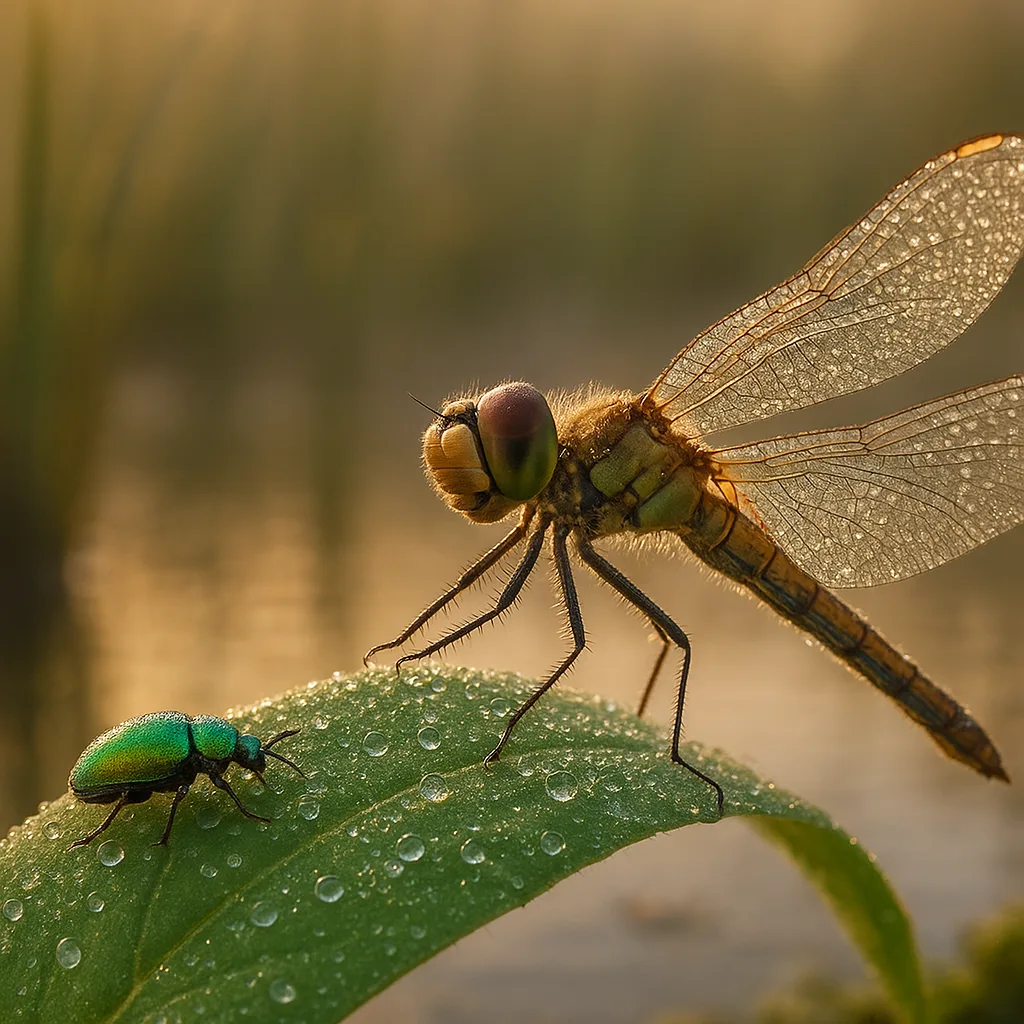
Key anatomical features
- Three body segments: head, thorax, and abdomen. This segmentation is one of the easiest field cues.
- Six legs: three pairs attached to the thorax (6 legs distinguishes insects from spiders and centipedes).
- Exoskeleton of chitin: a hard outer cuticle that provides protection and muscle attachment.
- One pair of antennae: sensory organs on the head used for smell, touch, and sometimes hearing.
- Often two pairs of wings: most adult insects have two pairs of wings (Diptera, true flies, have one pair plus halteres).
- Compound eyes: made of many facets (ommatidia) giving wide-angle vision.
Why insects are so successful
- Rapid reproduction and short generation times (many species can produce multiple generations per year).
- Small body size, which makes them energetically efficient and able to exploit many microhabitats.
- Flight in many groups, allowing dispersal, mate finding, and escape from predators.
- Co-evolution with plants (pollination, herbivory) and other animals, producing a huge diversity of ecological niches.
Major insect groups and representative species
Entomologists divide insects into orders. Below are some of the large, familiar orders with practical identification cues and a few representative species.
Beetles — Coleoptera
- Traits: two pairs of wings; forewings (elytra) hardened into shell-like covers that meet in a straight line down the back.
- Examples: Harmonia axyridis (Asian lady beetle), Titanus giganteus (Titan beetle).
- ID tip: look for the rigid, often glossy elytra and chewing mouthparts at the front of the head.
Flies — Diptera
- Traits: a single pair of functional wings and a pair of halteres (small balancing organs).
- Examples: Anopheles spp. (malaria mosquitoes), house fly (Musca domestica).
- ID tip: observe flight behavior and only one pair of wings; many have piercing or sponging mouthparts.
Bees, wasps, ants — Hymenoptera
- Traits: two pairs of wings (when present), constricted waist in many wasps and ants, chewing or chewing-lapping mouthparts.
- Examples: honey bee (Apis mellifera), paper wasps (Polistes), fire ants (Solenopsis).
- ID tip: look for slender petiole (wasps/ants) and branched hairs on bees used for pollen carrying.
Butterflies and moths — Lepidoptera
- Traits: two pairs of broad wings covered in scales; adults typically have a coiled proboscis for sipping nectar.
- Examples: monarch butterfly (Danaus plexippus), luna moth (Actias luna).
- ID tip: check wing resting position (butterflies often fold wings up; many moths hold wings flat or tent-like).
Other important orders
- Orthoptera: grasshoppers and crickets, large hind legs for jumping.
- Hemiptera: true bugs like stink bugs and leafhoppers with piercing-sucking mouthparts.
- Odonata: dragonflies and damselflies—long bodies, two pairs of equal wings, excellent aerial predators.
Size extremes: what is the biggest bug in the world?
"Biggest" can mean longest, heaviest, or greatest wingspan. Here are record holders across those measures.
- Longest insect (by body length): The long-horned stick insects of the genus Phobaeticus and Phryganistria can reach 56–64 cm (22–25 in) in total length including extended legs; body length is shorter (around 20–36 cm).
- Largest by weight: Giant New Zealand wetas (Deinacrida spp.) can weigh up to 71 g (2.5 oz) for females in extreme cases; adult wetas are bulky, cricket-like insects.
- Largest beetle (length): Titan beetle (Titanus giganteus) from the Amazon can reach 16–17 cm (6.3–6.7 in).
- Largest wingspan: The moth Thysania agrippina (white witch moth) has recorded wingspans up to ~30 cm (11–12 in).
Field identification tips for large insects
- Body shape: look for elongated stick-like bodies (stick insects) versus robust, rounded bodies (wetas, beetles).
- Leg thickness: heavy-bodied species have thick femora and visible segments; slender long-horned insects have spindly legs often with tiny spines.
- Habitat: large stick insects usually hide on twigs and foliage; giant wetas are nocturnal and often found under logs or in crevices on New Zealand vegetation.
Danger and toxicity: what is the deadliest insect in the world?
If "deadliest" means causing the most human fatalities, mosquitoes win by a wide margin. If "deadliest" refers to venom potency, other species appear. Here’s a clear breakdown.
For more on this topic, see our guide on Identify Insects from Photos Like a Field Naturalist.
Deadliest by disease transmission
- Mosquitoes (family Culicidae): vectors of malaria (Anopheles spp.), dengue and Zika (Aedes spp.), yellow fever, chikungunya. Malaria alone has historically caused hundreds of thousands of deaths annually; even in recent years, malaria-related deaths exceed 350,000 per year in high-burden regions.
- Tsetse flies (Glossina): transmit Trypanosoma parasites causing African trypanosomiasis (sleeping sickness) in sub-Saharan Africa.
- Triatomine bugs (kissing bugs): family Reduviidae, subfamily Triatominae transmit Trypanosoma cruzi (Chagas disease) in the Americas.
Deadliest by venom or sting (painful or medically significant)
- Bullet ant (Paraponera clavata): delivers one of the most painful stings known—extremely painful but rarely fatal to healthy adults.
- Some ants and wasps: multiple stings from species like the Africanized honeybee or certain fire ants (Solenopsis) can be dangerous, especially to allergic individuals (anaphylaxis).
- Centipedes and some arachnids: not insects, but often conflated; their bites can be medically relevant—remember to visually distinguish them from insects.
Practical safety and avoidance tips
- Avoid standing water and use repellents (DEET, picaridin, or oil of lemon eucalyptus) to lower mosquito bites.
- Wear long sleeves and treat clothing with permethrin in high-risk areas for vector-borne diseases.
- If stung and symptoms include swelling beyond the sting site, difficulty breathing, dizziness, or throat tightness, seek emergency medical care (possible anaphylaxis).
- For bites or suspected vector-borne infection (fever after travel), consult a healthcare provider promptly and mention recent insect exposure and travel history.
How to identify insects in the field
Practical identification focuses on a few reliable visual cues, behavior, and habitat. For quick matching, an app like Orvik can scan photos and suggest species, but learning the basics improves accuracy and safety.
Quick ID checklist
- Count the legs: 6 legs = insect; 8 legs = likely arachnid (spider, mite).
- Body segments: clearly see head, thorax, abdomen?
- Wings: none, one pair, two pairs? Look for elytra (beetles) or scaled wings (moths/butterflies).
- Antennae: shape—filiform (threadlike), clubbed, elbowed (ants), or feathery (some moths) are diagnostic.
- Mouthparts: chewing (grasshoppers, beetles), piercing-sucking (mosquitoes, true bugs), siphoning (butterflies).
Using color, shape, and texture
- Color patterns: high-contrast spots or stripes often indicate warning coloration (aposematism) or mimicry (e.g., hoverflies mimicking bees).
- Texture and hair: bees often have branched hairs for pollen; many moths appear fuzzy, while beetles are smooth and shiny.
- Size measurements: estimate in millimeters or centimeters. Record measurements where possible—length of body vs wingspan is diagnostic for many species.
Behavior and habitat clues
- Active in daylight vs nocturnal (moths vs butterflies).
- On flowers (pollinators), tree trunks (bark beetles), water surfaces (water striders), or leaf undersides (aphids).
- Seasonality—many temperate insects appear in spring/summer, some overwinter as eggs or pupae.
Insect vs arachnid: How to tell them apart
- Legs: insects 6, arachnids 8.
- Body segments: insects 3, arachnids 2 (cephalothorax + abdomen).
- Antennae: present in insects, absent in arachnids (they have pedipalps instead).
Orvik can aid field identification by comparing your photo to verified reference images and providing likely species matches and distribution data. Use app suggestions as a starting point, then verify with the checklist above.
You may also find our article on Field Guide to Identifying Insects helpful.
Habitats, geographic distribution, and seasonal behavior
Insects occupy nearly every habitat on Earth—tropical rainforests house the highest diversity, but deserts, freshwater systems, tundra margins, and urban environments host specialized communities.
Habitat examples
- Tropical forests: highest species richness—many specialized beetles, ants, and moths.
- Freshwater margins: dragonflies, damselflies, water beetles, and mosquitoes breed in standing or flowing water.
- Grasslands and agricultural areas: grasshoppers, pollinators, and numerous pest species.
- Urban areas: adapted species like cockroaches, house flies, and some ants thrive near humans.
Seasonal behavior
- Diapause: many temperate insects enter a dormant state (egg, larva, pupa or adult) to survive winter.
- Migration: monarch butterflies (Danaus plexippus) travel up to 4,000 km (2,500 miles) between breeding and overwintering grounds.
- Emergence events: periodical cicadas (Magicicada) emerge in synchronized broods every 13 or 17 years in North America.
Ecological roles and services
Insects are central to ecosystems and human economies. Understanding their roles helps frame why they matter beyond nuisance or fear.
Looking beyond this category? Check out Mastering Visual ID: Your Photo Identifier Guide.
Related reading: Identify Any Insect from a Photo — Field-Proven Tips.
- Pollination: bees, some flies, butterflies, and beetles pollinate fruit, vegetable, and wild plant species—honey bees alone contribute billions of dollars in crop pollination services annually.
- Decomposition: carrion beetles, dung beetles, and detritivores recycle nutrients back into soil.
- Food web support: insects are prey for birds, amphibians, reptiles, and mammals; insect declines ripple through ecosystems.
- Natural pest control: predatory beetles, lacewings, and parasitoid wasps control pest populations biologically.
Human interactions: pest status, control, and safety
Many insects are beneficial, but some are pests or public health threats. Manage interactions with care and science-based methods.
Pest management basics
- Integrated Pest Management (IPM): emphasizes cultural, biological, mechanical, and chemical controls only when needed.
- Non-chemical controls: exclusion (screens), sanitation, traps, and habitat modification are first-line defenses.
- Responsible pesticide use: follow label directions, protect pollinators by avoiding broad-spectrum applications during bloom, and target treatments precisely.
First aid and safety
- For stings: remove visible stinger, clean the area, apply cold compresses and oral antihistamines for itching; seek emergency care for signs of anaphylaxis.
- For suspected vector-borne disease: seek medical attention if fever, rash, muscle pain, or unusual symptoms occur after a bite.
- Children, elderly, and immunocompromised individuals have higher risk from insect-borne infections—take extra precautions.
Orvik helps by identifying suspicious species and showing whether a photographed insect is a known vector or mostly harmless—this can shape decisions about seeking medical care or applying control measures.
Frequently Asked Questions
- How many insect species are there?
- About 1 million insect species have been described; total estimates vary—commonly 2 to 5+ million—because many tropical species remain undocumented.
- What is the biggest bug in the world?
- By length, stick insects (genera like Phobaeticus) can measure up to ~56–64 cm including legs; by weight, giant New Zealand wetas (<em>Deinacrida</em>) can exceed 70 g; Titan beetle reaches ~16–17 cm in body length.
- What is the deadliest insect?
- Mosquitoes are the deadliest overall because they transmit malaria, dengue, Zika, and other diseases that cause the most human deaths globally.
- How do I tell an insect from a spider?
- Insects have three body segments and six legs; spiders (arachnids) have two body segments and eight legs, and they lack antennae.
- Can Orvik identify insects from a photo?
- Yes—Orvik uses image recognition and distribution data to suggest likely species matches and give contextual information about identification and risk.
- What should I do after an insect sting?
- Remove visible stinger, clean the area, apply cold compresses, and use oral antihistamines for itching. Seek emergency care for breathing difficulty, swelling of the face/throat, or dizziness (possible anaphylaxis).
- Are most insects beneficial?
- Yes—many insects pollinate plants, decompose organic matter, and control pests naturally. Only a minority are harmful to human health or crops.