
What are bed bugs?
Bed bugs are small, blood-feeding insects in the family Cimicidae. The two species most commonly associated with human dwellings are Cimex lectularius (the common bed bug) and Cimex hemipterus (the tropical bed bug). They are obligate hematophages — they require blood meals to grow and reproduce. Understanding what bed bugs are biologically helps explain their appearance, behavior, and why infestations spread.
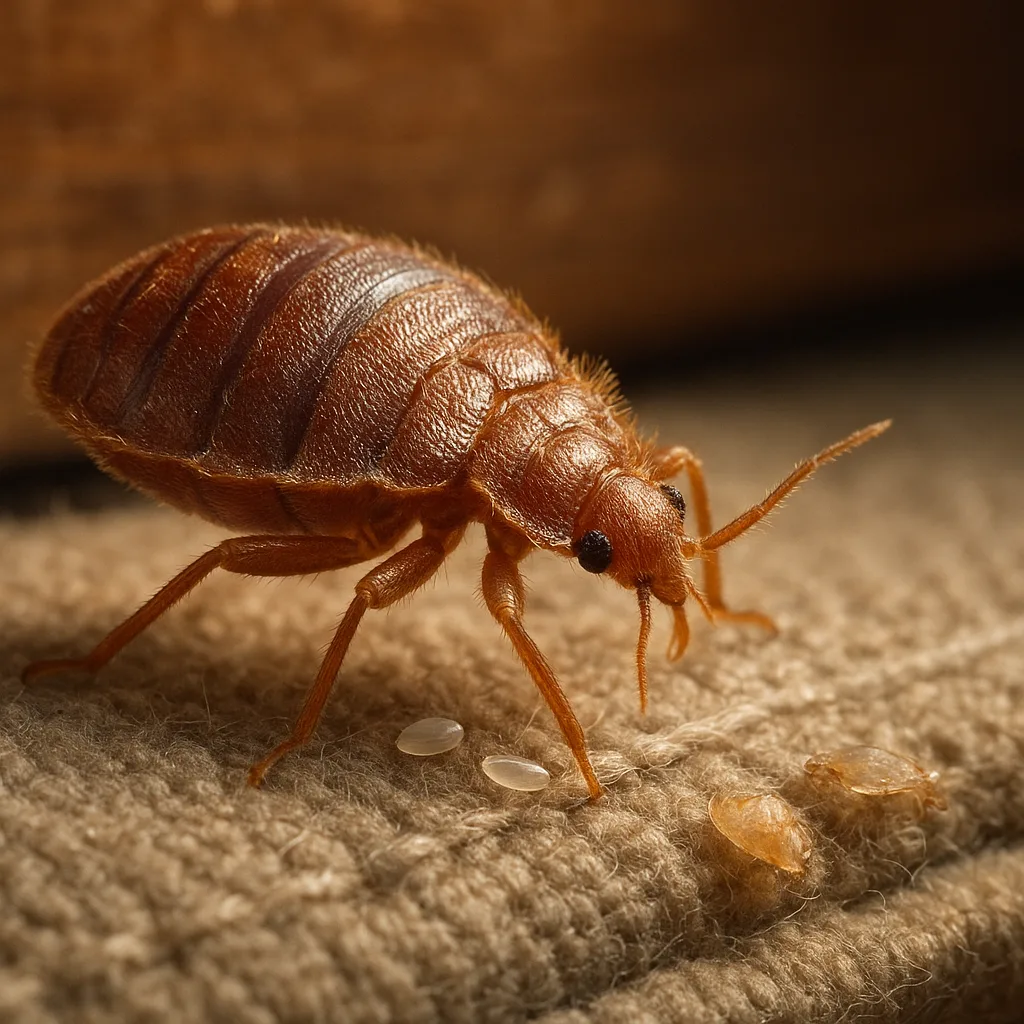
Species, range, and distribution
- Cimex lectularius — found across temperate regions worldwide (North America, Europe, much of Asia).
- Cimex hemipterus — favors tropical and subtropical regions but can occur indoors in temperate zones.
- Bed bugs are now common in urban areas worldwide due to increased travel and insecticide resistance; they are not limited by socioeconomic status.
Life cycle and numbers
Bed bugs undergo incomplete metamorphosis: egg → nymph (five instars) → adult. A few key numbers:
- Eggs: about 1 mm long, pearly white, sticky and glued to surfaces; each female lays 200–500 eggs in her lifetime.
- Nymphs: newly hatched nymphs are ~1.5 mm long and translucent or straw-colored; they darken after feeding and with each molt.
- Adults: typically 4–7 mm long, about the size and shape of an apple seed.
- Longevity: adults can live several months up to a year (under cool conditions they can survive longer without feeding).
What do bed bugs look like?
This section gives practical, measurable visual cues so you can identify bed bugs reliably.
Adults: size, color, and shape
- Size: 4–7 mm long (roughly 3/16" to 1/4").
- Color: Unfed adults are a mahogany to reddish-brown. After feeding they become swollen and bright red to dark red.
- Shape: Oval, flattened dorsoventrally when unfed; after a blood meal the body becomes elongated and ballooned. Wing pads are present but nonfunctional; bed bugs are flightless.
- Texture and features: Smooth, glossy exoskeleton with visible segmentation across the abdomen. Adults have a small head with a short, beak-like proboscis for piercing skin and extracting blood.
Nymphs and eggs
- Newly hatched nymphs: ~1.5 mm, translucent to straw-colored; difficult to spot without a magnifier.
- Older nymphs: Increase in size with each molt and darken; final instar approaches adult size but remains lighter in color until after feeding.
- Eggs: 0.6–1 mm long, pearly-white, and often clustered in protected crevices or seam lines.
Practical visual cues
When checking for bed bugs, look for:
- Live insects matching the size and shape above.
- Rusty or dark fecal spots — small, concentrated dot clusters often along seams and crevices.
- Discarded exoskeletons (cast skins) — translucent, hollow shells shaped like bed bugs.
- Blood stains on sheets from crushed bugs or bites.
- A sweet, musty odor in heavy infestations (produced by alarm and aggregation pheromones).
Where bed bugs hide and what brings bed bugs
Knowing typical harborages and pathways of introduction helps you focus inspections and prevent spread.
For more on this topic, see our guide on Spotting Stink Bugs: Key Identification Traits.
Typical harborages
- Mattress seams, piping, and tufts — the most characteristic location.
- Box springs, bed frames, headboards, and wooden bed slats.
- Upholstered furniture, especially seams and under cushions.
- Cracks in baseboards, electrical outlets, picture frames, and loose wallpaper.
- Luggage, clothing piles, and secondhand furniture.
What brings bed bugs into a home or room?
- Travel — bed bugs commonly hitchhike in suitcases, backpacks, and clothing after stays in infested hotels or transit.
- Used furniture or mattresses — especially if not inspected or treated beforehand.
- Visitors or neighbors — in multiunit housing bed bugs can move between units along wall voids, pipes, or through secondhand items.
- Public spaces — theaters, public transit, offices, and laundromats can be sources of transfer.
Signs on beds and skin: what do bed bugs look like on a bed and on skin?
Searchers often want to know: what do bed bugs look like on a mattress or what do bed bugs look like on my skin? Here’s what to look for.
What to look for on beds
- Fecal spots: dark brown or black pinpricks along seams, mattress tags, and headboards.
- Blood spots: small rust-colored stains from crushed bugs or bitten sleepers.
- Eggs and shells: white eggs and translucent shed skins in seams or folds.
- Live bugs: adults or nymphs may be visible at night or when peeling back bedding.
What bed bug bites look like on skin
Bed bug bites are an indirect sign — you rarely see a bug on skin while it feeds because they feed briefly (3–10 minutes) and then retreat. Bite appearance varies:
- Red, raised, itchy welts; often with a central punctum (tiny dot) where the mouthparts pierced the skin.
- Linear or clustered patterns — the so-called "breakfast, lunch, dinner" pattern where several bites appear in a row as the bug moves along the skin during feeding.
- Timing: bites often appear overnight and may take hours to develop into visible redness.
- Individual reaction varies — some people show little or no reaction; others develop large, itchy papules or even blisters if highly sensitive.
Important: Other insects and skin conditions can mimic bed bug bites. Use visual evidence from the bed (spots, shells, live bugs) plus bite patterns when making a determination.
You may also find our article on Spotting the Queen Bee: A Field Guide helpful.
How to identify bed bugs: tools, tips, and comparisons
Accurate identification matters because treatments differ by pest. Use a systematic approach.
Tools and techniques
- Flashlight: a bright handheld light highlights small dark spots and live insects hiding in seams.
- Magnifier or macro lens: 10x–30x magnification reveals the characteristic oval shape and segmentation.
- Disposable gloves: for safe handling of infested items. Avoid crushing bugs on bedding which can create more blood stains.
- Orvik app: take clear photos with a phone and use Orvik’s AI-powered visual identification to compare suspect insects with reference images for a rapid, evidence-based triage.
- Interceptors and monitors: bed leg interceptors trap bugs moving to/from beds so you can confirm activity.
X vs Y: How to tell bed bugs apart from lookalikes
- Bed bug vs tick: Ticks are rounder and have eight legs (adults) and a rounder body without the flattened apple-seed shape. Ticks also attach and remain feeding for days; bed bugs feed briefly and leave.
- Bed bug vs flea: Fleas are smaller (1.5–3.3 mm), laterally flattened, and jump; bed bugs are broader, unable to jump, and move more slowly.
- Bed bug vs carpet beetle: Carpet beetles are often rounder, may have patterned coloration, and are not blood feeders. Damage patterns differ (textile damage vs bites).
- Bed bug vs bat/swallow bug: Bat and swallow bugs (related to bed bugs) look similar; location and host history (presence of bats or birds) help distinguish them.
How to kill bed bugs: effective treatments and safety warnings
Many homeowners ask "what kills bed bugs permanently?" The honest answer: there is no single guaranteed one-time fix unless the entire infestation and reintroduction risk are eliminated. Effective, lasting control relies on thorough, evidence-based methods and follow-up.
Most effective lethal methods
- Whole-room heat treatment: professional heat treatments raise room temperatures to 50–60 °C (122–140 °F) for several hours, killing all life stages (eggs included) when applied correctly.
- Laundering: wash bedding and clothes at ≥60 °C (140 °F) or tumble dry on high for 30 minutes; this kills bugs on textiles.
- Steam: high-temperature steam (≥100 °C) applied slowly to seams and crevices can kill bed bugs on contact.
- Desiccant dusts: silica gel or diatomaceous earth abrades and desiccates insects and can provide long-term residual control in voids (use labeled products).
- Professional insecticides: targeted sprays (neonicotinoids, pyrroles, and non-pyrethroid chemistries) applied by licensed professionals. Note: resistance to pyrethroids is widespread.
Cold treatment
- Freezing items at −18 °C (0 °F) for at least 4 days can kill bed bugs if the cold penetrates the entire item. Commercial freezers or controlled freezing services are most reliable.
What kills bed bugs permanently?
Permanent elimination means removing all life stages and preventing reinfestation. That typically requires:
You might also be interested in Mastering Visual ID: Your Photo Identifier Guide.
- A comprehensive initial treatment (professional heat or combined chemical + mechanical approaches).
- Follow-up inspections and targeted follow-up treatments at 2 and 4 weeks to kill hatched nymphs.
- Ongoing prevention: mattress encasements, interceptors, and caution with secondhand items and travel.
One-off consumer "do it yourself" methods without follow-up rarely produce permanent results. DIY overuse of household pesticides or unapproved fumigants can be dangerous and ineffective.
Related reading: When a Spider Bite Is Serious: Clear Signs to Watch For.
Safety and toxicity warnings
- Always follow label directions for pesticides; use products approved for bed bug control and consider hiring a licensed pest management professional.
- Do not use flammable products, homemade fumigants, or excessive insecticide amounts — these can cause fires, poisonings, and structural contamination.
- Bug bombs (total-release foggers) are generally ineffective against bed bugs and can increase insecticide exposure in homes.
- If you or pets experience adverse symptoms after pesticide use, seek medical attention and contact your local poison control center.
What to do if you have bed bugs: step-by-step action plan
If you suspect bed bugs, work methodically. Panicking and tossing furniture can worsen spread and complicate control.
Immediate steps (first 24–72 hours)
- Confirm identification — use clear photos and tools like the Orvik AI visual ID to compare suspected insects with reference images.
- Reduce spread — isolate bedding and place potentially infested clothing in sealed plastic bags while transporting to the washer.
- Wash and dry textiles on high heat (≥60 °C / 140 °F) for at least 30 minutes.
- Vacuum mattress seams, bed frames, and nearby carpets; empty vacuum outdoors immediately into a sealed bag.
- Place bed legs in interception devices or seal bed legs inside cups of mineral oil to prevent bugs from climbing.
Medium-term steps (within 1–2 weeks)
- Contact a licensed pest management professional for an inspection and treatment estimate. Professionals provide options — heat, fumigation, targeted insecticides, or integrated approaches.
- Use mattress and box-spring encasements rated for bed bugs to trap existing bugs and deny new harborage.
- Declutter to reduce hiding spots, but avoid moving infested items from the property where they could spread to others.
Long-term prevention
- Inspect secondhand furniture thoroughly before bringing it into your home.
- Use luggage racks and inspect hotel beds and furniture when traveling; keep luggage off floors and beds.
- Maintain monitoring devices like interceptors and check them monthly.
- Inform building management immediately in multiunit housing to coordinate building-level control.
Prevention: reduce risk and avoid reinfestation
Prevention requires both behavioral changes and physical barriers.
Practical preventive measures
- When traveling: keep suitcases elevated, inspect the mattress seams, and launder clothing on return as a precaution.
- Encase mattresses and box springs with certified bed bug encasements to eliminate typical hiding spaces.
- Install bed leg interceptors to detect and block bugs traveling to beds.
- Be cautious with used furniture — inspect seams, remove drawers, and use an iron or steamer on surfaces before bringing items indoors.
- Communicate: if you live in apartments, notify property managers early to prevent spread between units.
Conclusion
When people ask "what do bed bugs look like," they want clear, usable signs they can apply at home: small (4–7 mm) reddish-brown oval insects, tiny white eggs, and translucent shed skins. Look for fecal spots, blood stains, and the characteristic apple-seed silhouette. Confirm with close-up photos and tools like the Orvik app for AI-assisted identification, then act with an evidence-based plan: isolate and launder fabrics, vacuum and steam, and engage a licensed pest professional for suspected infestations. Combining physical measures (heat, encasements, interceptors) with chemical or professional services and follow-up inspections gives the best chance of permanent control while minimizing health risks from improper pesticide use.
Frequently Asked Questions
- How big are bed bugs?
- Adult bed bugs are about 4–7 mm long (roughly the size of an apple seed). Newly hatched nymphs are about 1.5 mm and nearly transparent.
- What do bed bug bites look like on skin?
- Bites are usually red, itchy welts often appearing in a line or cluster. Reactions vary—some show no reaction while others get large, itchy bumps.
- Can I kill bed bugs by myself?
- Small, early infestations can sometimes be managed with careful laundering, vacuuming, steam, and encasements. For larger infestations professional heat treatment or integrated pest management is recommended.
- Does washing bedding kill bed bugs?
- Yes—washing and tumble-drying at high heat (≥60 °C / 140 °F) for 30 minutes kills all life stages on textiles.
- What permanently kills bed bugs?
- Permanent elimination requires thorough treatment of all life stages and preventing reintroduction. Whole-room professional heat treatments or a well-executed integrated program with follow-ups offer the best chance of lasting control.
- How do bed bugs get into homes?
- They hitchhike on luggage, clothing, used furniture, and from neighboring apartments or hotel rooms. Travel and secondhand items are common sources.
- Are bed bugs dangerous to my health?
- Bed bugs are not known to transmit disease to humans, but bites can cause itching, allergic reactions, sleep loss, and secondary infections from scratching. Improper pesticide use can pose additional health risks.
- How can the Orvik app help?
- Orvik’s AI-powered visual identification can analyze photos of suspected insects or signs and compare them to reference images, helping you quickly decide whether you likely have bed bugs and what next steps to take.