
What are stink bugs?
Stink bugs are shield-shaped insects in the order Hemiptera and family Pentatomidae (and closely related families sometimes called "shield bugs"). Adults typically measure 8–20 mm long and carry scent glands that release a pungent, oily odor when disturbed. Common species include the brown marmorated stink bug (Halyomorpha halys), the green shield bug/green stink bug (Nezara viridula), and native phytophagous species in many regions. Some unrelated beetles, such as darkling beetles (Eleodes spp.), are colloquially called "stink beetles" because they also emit odors — but they are distinct in biology and diet.
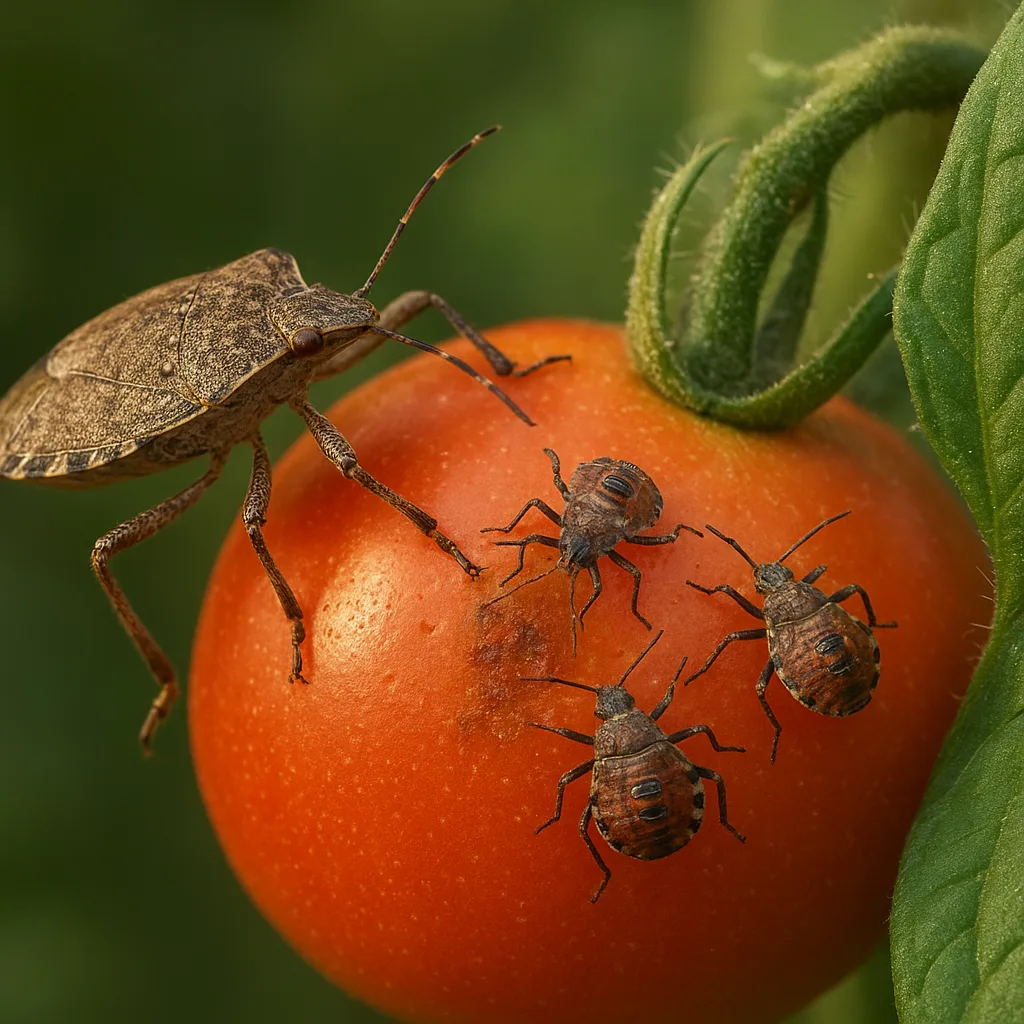
- Taxonomy: Order Hemiptera; family Pentatomidae (true stink bugs, often called shield bugs).
- Size: Adults commonly 8–20 mm (0.3–0.8 in); nymphs vary by instar from ~2 mm to adult size.
- Defense: Abdominal scent glands produce volatile compounds (aldehydes, esters) causing the characteristic smell.
What do stink bugs eat?
Stink bugs are primarily sap-sucking insects. Most species are phytophagous (plant feeders), using their piercing-sucking mouthparts (a beak called a rostrum) to extract juices from fruit, seeds, stems, leaves, and developing reproductive tissues. A minority of species are predatory, feeding on other insects.
Typical plant diet
- Fruits: apples, peaches, pears, grapes, tomatoes, citrus — feeding often causes pitting, dimpling, or cat-facing.
- Vegetables: peppers, soybeans, corn, beans, okra — damage reduces marketability and yield.
- Seeds & nuts: developing seeds or pods of soy, cotton bolls, and nuts (e.g., pecans).
- Ornamentals and field crops: sunflowers, sorghum, wheat (some species), and many garden plants.
Differences by species
- Brown marmorated stink bug (Halyomorpha halys): Highly polyphagous — recorded feeding on >100 plant species including tree fruit, row crops, and ornamentals.
- Green stink bug (Nezara viridula): Prefers legumes and seeds but will attack vegetables and fruit.
- Predatory stink bugs (e.g., Podisus maculiventris): Eat caterpillars and beetle larvae; valuable in biological control.
For people searching "what do stink bugs eat," the practical answer is: mostly plant juices from fruits, seeds, and tender tissues. That explains why they are common pests in orchards, vegetable gardens, and field crops.
Identification: visual cues and practical tips
Accurate identification matters for management. Visual cues include shape, color, size, antennae, and the scutellum (the triangular plate on the back).
General visual cues
- Shape: Distinctive shield or pentagonal body; broad across the shoulders and tapering to a rounded rear.
- Scutellum: Large triangular plate often covering much of the back in adults.
- Wings: Hemelytra (front wings) leathery at base and membranous at tips; wings lie flat over the back.
- Size: Adults typically 8–20 mm; brown marmorated adults ~12–17 mm long.
Key species ID tips
- Brown marmorated stink bug (Halyomorpha halys): Mottled brown/grey, white banding on antennae and alternating light/dark banding on edge of abdomen visible from below.
- Green stink bug (Nezara viridula): Bright green adult, sometimes with reddish or yellowish markings; nymphs are red or black in early instars.
- Predatory species: Often more elongated, with piercing rostrum used on prey; look for behavioral clues (active hunting).
Nymphs vs adults
- Nymphs lack fully developed wings; early instars are small (2–4 mm) and often brightly colored.
- Later instars resemble adults but are wingless; feeding damage can be caused by both nymphs and adults.
For field identification by sight, apps like Orvik can be particularly helpful: photograph the insect, and the AI compares patterns, size, and color to identify likely species and suggest local distribution data.
For more on this topic, see our guide on Ladybug Diets: A Field Guide to What They Eat.
Habitat, geographic distribution, and seasonal behavior
Stink bugs inhabit diverse ecosystems where host plants occur. Their behavior is strongly seasonal, especially in temperate regions.
- Habitats: Orchards, gardens, crop fields, hedgerows, woodlots, and urban landscapes. They also enter homes and buildings to overwinter.
- Distribution: Species-specific. Halyomorpha halys is native to Eastern Asia (China, Korea, Japan) and invasive across North America and Europe since the late 20th century. Nezara viridula has a near-global distribution in warm regions.
- Seasonality: Active spring through fall. Adults and nymphs feed during warm months; many species seek sheltered cracks in fall to overwinter as adults.
Overwintering and indoor nuisance
In autumn, some species aggregate in large numbers in homes, attics, barns, and wall voids. They do not reproduce indoors but can be a nuisance due to odors and occasional staining when crushed. Sealing entry points in late summer and early fall reduces overwintering incursions.
Damage, risks, and safety warnings
Stink bug feeding damages plant tissues and reduces marketability. There are also human safety considerations.
You may also find our article on Spotting Stink Bugs: Key Identification Traits helpful.
- Crop damage: Piercing-sucking feeding creates localized necrosis, depressions (pitting), discoloration, aborted seeds, and distorted fruit. For example, a small cluster of Halyomorpha halys feeding can cause 5–30% yield loss in susceptible fruit crops when populations are high.
- Household nuisance: Aggregations in walls and attics can number in the thousands, causing odor and staining on fabrics and walls if crushed.
- Allergic reactions: Rarely, handling can cause skin irritation or respiratory allergic reactions in sensitive individuals.
Safety & toxicity notes for control
- Do not crush stink bugs against skin or garments to avoid staining and release of odor; use a vacuum with a cloth bag or seal them in a container.
- If using insecticides, follow label directions. Pyrethroid sprays (e.g., bifenthrin, lambda-cyhalothrin) are commonly labeled for perimeter treatments, but misuse risks non-target harm and resistance.
- Avoid broad-spectrum spraying during bloom to protect pollinators. Wear gloves and eye protection when handling concentrated products.
How to deter and repel stink bugs (non-chemical and cultural methods)
Integrated pest management emphasizes prevention and non-chemical deterrence where possible.
- Exclusion: Seal gaps around windows, doors, eaves, and utilities with silicone or foam. Use weather stripping and fine mesh screens.
- Sanitation: Remove weeds and harboring vegetation near structures and orchards during late summer to reduce aggregation sites.
- Physical barriers: Row covers for small crops and young trees protect fruit and seedlings during peak stink bug activity.
- Trap crops: Planting preferred hosts (e.g., sunflower, buckwheat, or sorghum depending on region) can divert stink bugs away from high-value plants; monitor and remove trap-crop populations.
- Light management: Reduce outdoor lighting at night in late summer/fall; lights attract wandering adults seeking overwintering sites.
Household repellents and DIY tips people ask about:
- Essential oils (mint, clove, garlic): Anecdotal repellency in short-term tests; not reliable as stand-alone control in heavy infestations.
- Diatomaceous earth around garden perimeters: May deter crawling individuals but ineffective against flying adults and can lose efficacy when wet.
- Vacuuming: Effective for removing indoor aggregations; empty vacuum contents in sealed bag outdoors to prevent escape and odor residue indoors.
Orvik's visual ID can help you confirm whether a household pest is a stink bug species and provide tailored timing to implement exclusion and deterrence measures.
You might also be interested in How to ID a Bird from a Photo.
What kills stink bugs: chemical, biological, and trapping options
When populations threaten crop yield or cause large indoor infestations, targeted control may be needed. Use integrated approaches to minimize environmental impact.
Related reading: Stop Earwigs: Practical Control and Identification.
Chemical controls
- Contact insecticides: Pyrethroids (bifenthrin, permethrin, lambda-cyhalothrin) provide quick knockdown on contact but may have limited residual effect on mobile adults and can harm beneficial insects.
- Systemic options: Some crops allow neonicotinoid seed treatments or systemic sprays that reduce plant damage by making sap less palatable; use with caution due to pollinator risk.
- Botanical products: Insecticidal soaps and neem oil can reduce nymph populations when applied directly but require thorough coverage.
Biological controls
- Egg parasitoids: Trissolcus japonicus (samurai wasp) is an effective natural enemy of brown marmorated stink bug eggs and is being studied and released in some regions.
- Generalist predators: Birds, spiders, assassin bugs, and predatory stink bugs reduce populations naturally.
- Entomopathogenic fungi: Metarhizium and Beauveria strains can infect and kill stink bugs under favorable conditions (warm, humid).
Trapping and mechanical control
- Light traps and pheromone traps: Pheromone lures (aggregation pheromones for Halyomorpha halys) attract adults into traps; useful for monitoring and reducing local numbers when used at scale.
- Hand-picking and knocking into containers: Feasible for small gardens; place insects in soapy water to kill humanely.
Effectiveness depends on species, timing, and life stage. For growers, monitoring with traps and using thresholds (e.g., number per trap per week) helps decide when to act. For homeowners, exclusion and vacuuming are often the safest first steps.
Comparisons: Stink bugs vs stink beetles and other lookalikes
Many people confuse stink bugs with other shield-shaped insects or smelly beetles. Accurate comparison helps choose the right control.
Stink bugs (Pentatomidae) vs stink beetles (Eleodes and others)
- Order: Stink bugs are Hemiptera (true bugs) with piercing-sucking mouthparts; stink beetles are Coleoptera (beetles) with chewing mouthparts.
- Shape and movement: Stink bugs have a flat, shield-shaped dorsum and fly readily; stink beetles often have a more elongated, hard-bodied beetle shape and typically walk and can feign death.
- Diet: Stink bugs mainly suck plant sap (some predatory exceptions). Stink beetles (e.g., Eleodes) are detritivores eating decaying plant material or fungi.
Stink bugs vs lady beetles vs leaf-footed bugs
- Lady beetles (Coccinellidae) are rounded, domed beetles that are beneficial predators on aphids — different in silhouette and beneficial to gardens.
- Leaf-footed bugs (Coreidae) are similar in being sap-suckers but often have elongated bodies and leaf-like expansions on the hind tibia.
- Key ID: Look at antennae banding, scutellum size, body width, and wing venation; consult Orvik for image-based identification to resolve tricky cases.
Conclusion
If you searched "what do stink bugs eat," the essential takeaway is that most stink bugs feed on plant sap from fruits, seeds, and tender tissues, causing cosmetic and yield damage across many crops and gardens. Identification (size, shape, color, and antennae banding) and seasonal timing matter for effective management. Use exclusion, trapping, and targeted controls as part of an integrated plan, and consider tools like Orvik for fast, image-based species identification to guide precise action.
Frequently Asked Questions
- Do stink bugs bite people?
- Stink bugs do not typically bite humans. They have piercing-sucking mouthparts adapted to plants. Rarely they may attempt to probe skin, but they do not feed on blood and bites are extremely uncommon.
- Will crushing a stink bug get rid of the smell?
- Crushing releases the insect's defensive odor and will make the smell worse. Instead, trap and remove them in a sealed container or vacuum them and dispose of the bag outdoors.
- What attracts stink bugs to homes in the fall?
- Warm, sheltered structures with sunny, south- or west-facing walls attract overwintering adults. Light at night, exposed insulation gaps, and untreated vents or cracks are common entry points.
- Are stink bugs harmful to pets or children?
- The odor and potential to stain fabrics are the main concerns. If ingested, they are not known to be highly toxic but may cause minor gastrointestinal upset. Keep pets from eating large numbers and remove indoor aggregations promptly.
- Can natural predators control stink bugs?
- Predators like birds, spiders, assassin bugs, and parasitoid wasps can reduce numbers, and releases of specialized egg parasitoids (e.g., Trissolcus japonicus for brown marmorated stink bug) are showing promise. Biological control usually reduces pressure but rarely eliminates populations entirely.
- How effective are DIY sprays and essential oils?
- Some essential oils (mint, clove, garlic) may temporarily repel individuals but are rarely effective for heavy infestations. Use them as part of an integrated approach rather than a sole control method.
- Should I use pesticides on fruit trees to control stink bugs?
- Pesticides can reduce heavy populations but must be timed correctly (targeting nymphal stages often has better results) and used according to label instructions to avoid harming pollinators and beneficial insects.