
Introduction: What people really mean by “what type of spider is this”
When someone types "what type of spider is this" into a search engine, they usually want three things: (1) a quick, reliable identification or at least a likely family; (2) an assessment of risk — is it dangerous; and (3) practical steps: how to document the spider, safely remove it if needed, or even name it if it will be kept as a pet. This guide gives field-tested visual cues, ranges, scientific names, habitat notes, safety warnings, and comparison points to answer that question confidently.
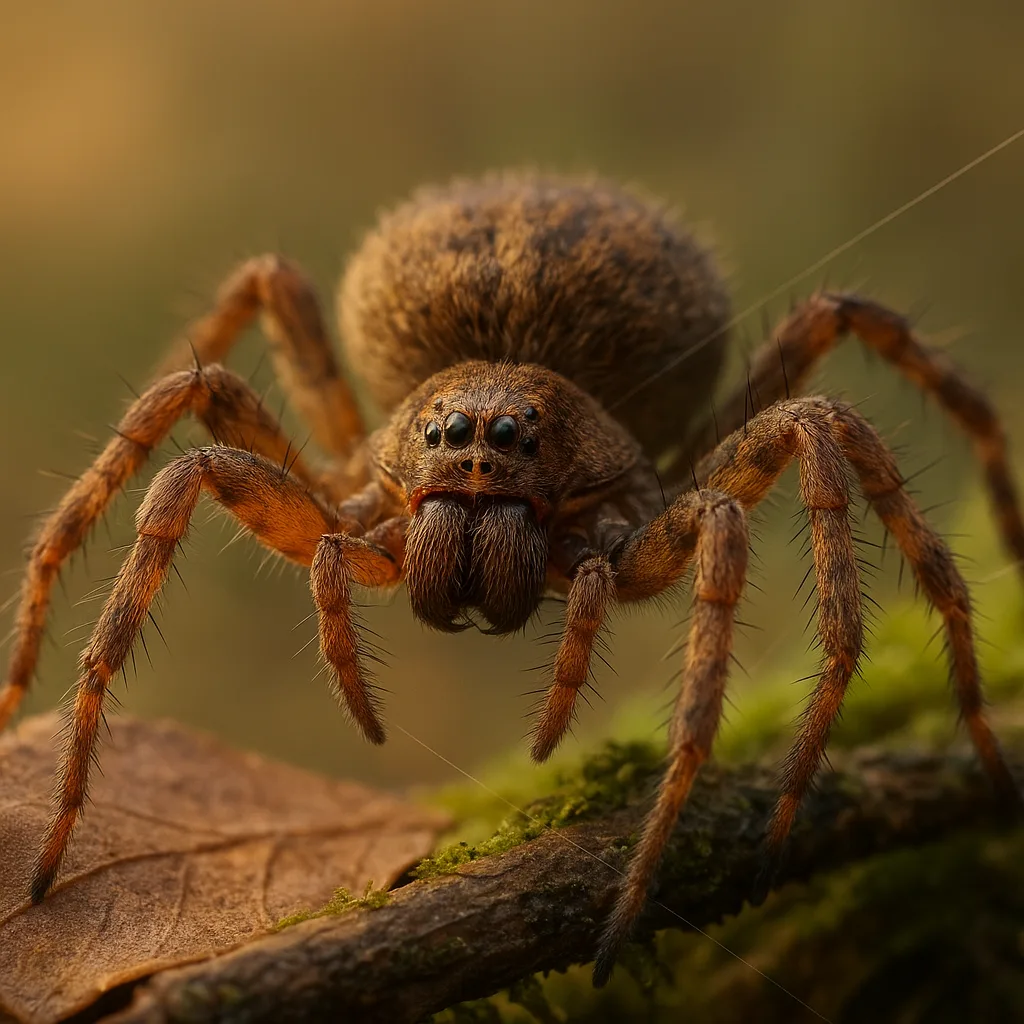
Quick visual ID checklist: 10 things to note
Before seeking help from an expert or an app like Orvik, collect these details. They dramatically increase identification accuracy.
- Size: measure body length (not legspan) in millimeters or centimeters.
- Legspan: estimate from tip to tip if legs are extended.
- Body shape: elongated, bulbous abdomen, flattened, or robust.
- Color and pattern: stripes, spots, dorsal markings, or uniform color.
- Eye arrangement: clustered forward-facing vs arranged in rows (if visible).
- Web type or absence of web: orb, sheet, funnel, cobweb, or none.
- Habitat: inside basement, attic, garden vegetation, or under rocks.
- Behavior: does it run fast, jump, hang upside down, or sit in web center?
- Spinnerets: long and visible or short/hidden (helps separate funnelers from others).
- Time of year: many spiders have seasonal peaks—late summer to early fall in temperate zones.
Common house and garden spiders: identification, size, and scientific names
Many identifications fall into a handful of common groups. Below are the most frequently encountered genera and families, with typical sizes, markings, habitats, and seasonality.
House spider (Parasteatoda tepidariorum, Family Theridiidae)
- Body length: 4–8 mm (females larger).
- Appearance: rounded abdomen often with irregular light and dark patches; brown to reddish-brown.
- Web: irregular tangled cobwebs in corners, eaves, basements.
- Range: cosmopolitan in human structures; common in North America, Europe.
Cellar spider or daddy longlegs (Pholcus phalangioides, Family Pholcidae)
- Body length: 2–10 mm; very long thin legs (legspan up to 50 mm or more).
- Appearance: small cylindrical body, translucent pale legs, delicate.
- Web: loose, irregular webs in cellars, garages, and attics.
Wolf spiders (Family Lycosidae)
- Body length: 6–35 mm; robust, hairy bodies.
- Appearance: often mottled brown with longitudinal stripes; distinct eye arrangement with large front median eyes.
- Behavior: ground-hunters, do not build capture webs; fast runners.
- Habitat: leaf litter, grass, exposed ground—also enter homes.
Jumping spiders (Family Salticidae)
- Body length: 3–15 mm; compact with short legs.
- Appearance: big anterior median eyes, often colorful or iridescent; stout body.
- Behavior: active hunters that stalk and pounce; often seen on walls and foliage during daylight.
Orb-weavers (Family Araneidae, e.g., Araneus diadematus)
- Body length: 5–30 mm depending on species.
- Appearance: rounded abdomen often with clear bands or cross patterns (Araneus diadematus has a white cross).
- Web: classic wheel-shaped orb webs in gardens and woodlands.
Funnel-web and funnel weaver spiders (Families Agelenidae and Hexathelidae for Australian funnel-webs)
- Agelenidae (house funnel weavers, e.g., Tegenaria): body 6–18 mm; long legs; sheet with funnel retreat.
- Atrax and Hadronyche (Australian funnel-webs, Family Hexathelidae): body 10–30 mm; robust, glossy dark carapace; highly venomous — see safety section.
- Ask: "how big is a funnel web spider?" — sizes vary widely: typical house funnel weavers have bodies 6–18 mm, legspans to ~7–10 cm; Australian funnel-webs can have bodies up to 30 mm and legspans 7–12 cm.
Field identification: practical steps and photographic tips
Good photos and measurements are the key to an accurate ID. Use these steps before submitting a picture to Orvik or an expert forum.
For more on this topic, see our guide on Spotting Carpenter Ants: A Practical Field Guide.
- Note scale: place a ruler or coin near the spider for scale in photos.
- Take multiple angles: dorsal (top), lateral (side), and a close-up of the face if possible to show eyes and chelicerae.
- Show the web, retreat, or immediate habitat in a wider photo.
- Record behavior: still, darting, weaving, or hanging suspended.
- Measure body length (exclude legs) and estimate legspan separately.
Terminology to know:
- Cephalothorax: fused head and thorax where legs attach.
- Abdomen: posterior bulbous segment often bearing patterns.
- Spinnerets: silk-extruding organs at the abdomen tip—long, visible spinnerets suggest some funnel weavers.
- Pedipalps: small appendages near the face; in males they appear enlarged or bulbous.
Venom, risk, and first aid: which spiders are dangerous?
Most spiders are harmless to humans; their bites cause localized pain or mild swelling at most. However, a small subset can cause significant medical issues. Here are the groups to know and clear safety advice.
Notable medically significant spiders
- Black widows (Genus Latrodectus): females 6–13 mm body length, glossy black with red hourglass marking on the underside of the abdomen. Neurotoxic venom can cause latrodectism — muscle pain, cramps, sweating. Death is rare with modern care.
- Brown recluses (Loxosceles reclusa, in parts of the U.S.): body 6–20 mm, light to medium brown with a violin-shaped marking. Their venom can cause necrotic lesions in rare cases.
- Australian funnel-webs (Atrax, Hadronyche): robust spiders with bodies 10–30 mm; potentially life-threatening venom. Antivenom exists and rapid medical attention is needed.
First aid steps for spider bites
- Clean the wound with soap and water.
- Apply a cold pack to reduce swelling and pain, but don’t apply ice directly to skin.
- Keep the bitten limb immobilized and lower than the heart if possible.
- Capture or photograph the spider safely for identification, but do not delay seeking care if symptoms are severe.
- Seek medical attention immediately for severe symptoms: breathing difficulty, intense pain, spreading ulceration, or systemic signs like vomiting or sweating.
Important: many remote necrotic wounds attributed to spiders are actually from bacterial infections such as MRSA. Accurate species ID helps guide treatment.
You may also find our article on Reading Larvae: A Practical Field Guide helpful.
Comparison guide: how to tell common lookalikes apart
Many misidentifications occur with spiders that share color or size. Below are focused comparisons people ask about.
Funnel web (Agelenidae) vs Wolf spider (Lycosidae)
- Webs: funnel weavers build sheet webs with a funnel retreat; wolf spiders do not build capture webs.
- Body shape: funnel weavers often have elongated abdomens and long spinnerets; wolf spiders are stockier and hairy.
- Eyes: wolf spiders have a distinctive large pair of anterior median eyes; funnel weavers have more uniform eye sizes.
Jumping spider (Salticidae) vs Wolf spider
- Eyes: jumping spiders have very large front-facing eyes, appearing 'cute' and binocular; wolves have a large top-row forward eye pair but less pronounced.
- Behavior: jumpers visibly stalk and leap; wolves run and chase prey.
- Legs: jumpers have short, stout legs; wolves have longer, stronger legs for sprinting.
Brown recluse (Loxosceles) vs Lookalikes
- Violin mark: many spiders have vague dorsal marks; true recluses have a distinct violin-shaped marking and six eyes arranged in three dyads (most spiders have eight eyes).
- Habitat and range: know your local distribution—brown recluses are native to parts of the central and southern U.S.; many alleged sighting areas have no recluses.
- Size and color: recluses are 6–20 mm, uniformly brown tones; check eye pattern and behavior for confirmation.
Naming and caring for pet spiders: picking a name and knowing the species
If your spider is a pet — or you’re considering keeping one — choosing a good common name and knowing the scientific name are important. The scientific name provides precise identity; the common name helps with everyday conversation.
How to choose a name for a pet spider
- Consider species traits: fast movers may suit names like "Dash"; orb-weavers that build big webs may suit "Weaver" or "Artemis".
- Use size or color cues: "Ruby" for a red-toned female, "Shadow" for dark species.
- Short and memorable: choose a 1–2 syllable name for ease of use.
Scientific names and why they matter
- Binomial nomenclature: species are named with Genus species, e.g., Latrodectus mactans (southern black widow).
- Use scientific names when seeking husbandry, venom, or breeding information. Common names can vary regionally.
- Gender and maturity: many pet hobbyists track sex (males often smaller with swollen pedipalps) and molt ages in days or weeks for care regimens.
Using apps and AI for spider ID: how Orvik helps and best practices
AI-powered tools like Orvik can accelerate identification, but they work best when you supply high-quality input. Here’s how to get the most reliable result.
You might also be interested in Basalt in the Field: A Practical Guide.
Tips for submitting images to Orvik or other ID systems
- Multiple views: include dorsal, ventral (if possible), and close-ups of the face and abdomen.
- Lighting: use natural light and avoid harsh shadows; flash can wash out patterns.
- Scale: include a ruler or coin to show size; this helps separate similar species by dimension.
- Context: show the web or immediate surroundings—web type often identifies family.
Orvik uses image recognition plus context to suggest likely species and scientific names. Use Orvik alongside field notes for best results: the app is fast for a first pass and useful when you need a quick answer to "what spider is this" or "what type of spider is this" while in the field.
Related reading: Identify Spiders with AI: Field Guide.
Seasonality and geographic distribution: when and where you'll see certain spiders
Knowing when and where a spider is likely to appear helps narrow identification. Here are general patterns with specific examples.
- Temperate North America: many orb-weavers peak in late summer to early fall; wolf spiders are active spring through fall, often appearing indoors in autumn.
- Australia: funnel-web spiders (Atrax, Hadronyche) are primarily east coast species; peak activity often correlates with warm, humid conditions.
- Tropical regions: greater diversity year-round; many species remain active in wet seasons.
Conclusion: From photo to confident ID
When you ask "what type of spider is this," the best outcome combines a careful photo, a few measurements, habitat notes, and a quick check against known local species. Use the ID checklist, behavioral clues, and comparison points in this guide, and then validate with a tool like Orvik or a local arachnologist. Remember: most spiders are harmless and beneficial predators. If you suspect a dangerous spider, follow the first aid steps above and seek medical help promptly.
Frequently Asked Questions
- How big is a funnel web spider?
- Sizes vary. House funnel weavers (Agelenidae) have bodies 6–18 mm and legspans up to about 7–10 cm. Australian funnel-webs (Atrax, Hadronyche) can have bodies to 30 mm and legspans 7–12 cm.
- What spider is this if it has a violin mark?
- A violin-shaped dorsal marking suggests a Loxosceles (brown recluse group), but confirm with eye arrangement (six eyes in three pairs) and local range because many spiders mimic this pattern.
- Can I keep a wild-caught spider as a pet?
- Yes for many non-venomous species with proper housing, temperature, humidity, and diet. Avoid keeping venomous or legally protected species without permits and experience.
- How do I safely capture a spider for identification?
- Use a clear container and a stiff piece of paper to trap the spider, photograph from multiple angles with a scale, then either release outside or keep secure if needed for study.
- Are big spiders dangerous?
- Not necessarily. Venom potency isn’t directly tied to size. Many large spiders like wolf spiders are harmless; conversely, some small spiders (certain recluses or widows) can be medically significant.
- How accurate are AI tools like Orvik for identification?
- AI is very helpful for rapid ID when you provide clear images, scale, and habitat notes. Use apps like Orvik for a first opinion, then confirm with experts for dangerous species.