
Why gardeners and land managers want an app to identify weeds
When you search for an "app to identify weeds," you’re usually asking for three things: speed, accuracy, and practical next steps. A single unidentified plant can mean lost seedlings, allergen exposure, or legal obligations (in the case of invasive species such as Japanese knotweed). Modern weed-ID apps use machine learning and large image libraries to give near-instant answers from a photo. That saves time and helps you act correctly—whether that means removing a noxious invader, tolerating a beneficial volunteer, or seeking professional control.
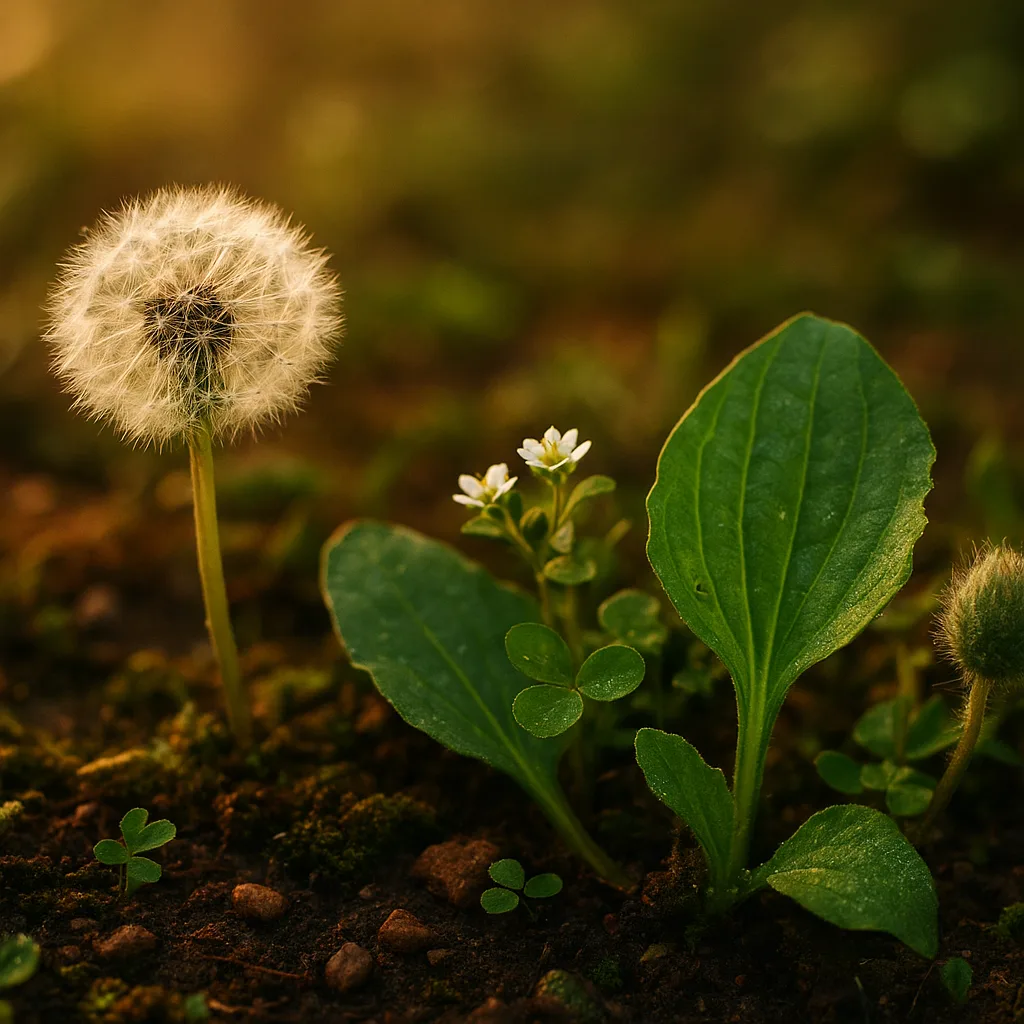
- Speed: identify a plant in under a minute from a phone photo
- Accuracy: scientific names (e.g., Taraxacum officinale) and confidence scores
- Action: control recommendations, toxicity warnings, and distribution data
How weed-identification apps work (and what they can’t do)
Apps that identify weeds by photo rely on three core components: image processing, a trained algorithm (often convolutional neural networks), and a reference database of labeled specimens. Understanding those pieces helps you interpret results and use the apps wisely.
Key technical components
- Image analysis: Algorithms extract features such as leaf shape, venation, flower color, and texture from photos.
- Model training: Machine learning models are trained on thousands to millions of labelled images to recognize species-level patterns.
- Reference libraries: Databases link visual patterns to scientific names, distribution data, and common synonyms.
Limitations to expect
- Young plants and seedlings often lack diagnostic features—identifications are less certain.
- Similar species (cryptic species) may be confused without magnified detail of flowers or seeds.
- Lighting, angle, and background can lower accuracy; multiple photos from different angles help.
Practical photo tips to improve identification
Quality input yields quality output. When using any app to identify weeds and plants, follow these simple photographic rules.
- Multiple views: Photograph leaves (both sides if possible), stem, flowers, seedheads, and overall habit.
- Scale: Include a ruler or common object (coin, pen) so the app or a human expert can judge size—many weeds range from 5 cm seedlings to 2 m vines.
- Lighting: Avoid deep shadow or overexposure; diffuse light on an overcast day is ideal.
- Close-ups and context: A 10–30 cm close-up of diagnostic features plus a 1–2 m shot of the whole plant is best.
- Repeat images: Take photos across seasons if identification is uncertain—flowers in spring vs seeds in autumn often settle disagreements.
Identification guide: common weeds and visual cues
Below are field-ready identification notes for frequent garden and lawn weeds. Each entry includes visual cues, size ranges, habitat, and seasonal behavior.
For more on this topic, see our guide on Identify Plants Fast: Field-Proven Photo ID Guide.
Dandelion (Taraxacum officinale)
- Leaves: Basal rosette, deeply toothed lobes, 5–30 cm long, smooth texture.
- Flowers/seedheads: Single yellow flower head per scape (flower stalk), 2–5 cm across; white parachute seedhead in summer.
- Habitat and season: Lawns, disturbed soil, full sun; flowers mainly spring–early summer, often reblooming in fall.
- Distinctive cues: Hollow, leafless scape with milky latex when broken.
Broadleaf plantain (Plantago major)
- Leaves: Low rosette with oval leaves, 2–20 cm long, parallel veins (5–7 veins) visible.
- Flowers: Dense spike of tiny greenish flowers on 5–30 cm stalks in summer.
- Habitat: Compacted soil, footpaths, lawns; tolerates shade and drought.
- Distinctive cues: Thick, rubbery leaves with a smooth margin; seed capsules tiny and numerous.
Crabgrass (Digitaria sanguinalis)
- Leaves and habit: Prostrate annual grass forming mats; leaves 5–30 mm wide, hairline hairs on collar.
- Flowers/seedheads: Finger-like seedheads (2–6 spikes) 1–4 cm long; seeds mature in mid-to-late summer.
- Habitat: Warm-season lawns, bare patches, heavy compaction.
- Timing: Germinates in spring after soil temps exceed ~15–18°C (60–65°F).
Japanese knotweed (Fallopia japonica)
- Size: Stems 1–3 m tall; hollow bamboo-like stems with red speckles.
- Leaves: Triangular-ovate, 6–14 cm long, coarsely toothed base.
- Flowers: Small white panicles in late summer (Aug–Sep).
- Distribution: Widespread temperate regions; aggressive invasive along waterways and disturbed ground.
- Safety/legal notes: Often subject to local control regulations—do not transport cut stems without advice.
Poison ivy (Toxicodendron radicans) — safety first
- Leaves: Compound leaflets in threes—"Leaves of three, let it be"—leaflets 3–12 cm long; margin smooth or slightly toothed.
- Vines/habit: Climbing vine with hairy roots or a low shrub; red stems in spring.
- Season: Leaves green in summer, turning red/orange in fall.
- Toxicity: Contains urushiol oil—can cause severe contact dermatitis in sensitive people. Avoid touching; use gloves and wash clothing after exposure.
App comparisons: Orvik and other top tools
Not every app serves the same purpose. Some are built for citizen science, others for gardeners wanting quick control advice. Below is a practical comparison focused on weed identification.
Key apps to consider
- Orvik: An AI-powered visual identification app designed to ID plants and weeds from photos, returning scientific names, confidence scores, and management notes. Useful for gardeners and land managers who need fast, actionable IDs.
- iNaturalist: Community-driven with expert validation; excellent for rare or ambiguous species but can take longer for confirmations.
- PlantNet: Free, research-backed app that focuses on wild plants; strong in biodiversity regions but sometimes weaker for cultivated weeds.
- Seek (by iNaturalist): Good for beginners; gamified IDs and offline packs for education and fieldwork.
- PictureThis / PlantSnap: Commercial apps with polished UIs and gardening tips; accuracy varies and may require subscriptions for advanced features.
- Google Lens: Fast general object recognition that can sometimes correctly ID common weeds but lacks botanical depth and scientific verification.
Orvik vs others: practical differences
- Speed: Orvik and Google Lens are fast—results in seconds. Community apps like iNaturalist may take longer for expert confirmation.
- Accuracy: AI models (Orvik, PlantNet) are excellent on common species; human-confirmed platforms (iNaturalist) are best for edge cases.
- Cost: PlantNet and Seek are free. Orvik offers a free tier but advanced features may require subscription—check the app store listing for current plans.
- Data: If you need distribution maps and regulatory status (e.g., for Japanese knotweed), choose apps that link to regional databases or export observations to local authorities.
Using Orvik effectively in the field
Orvik is designed to be a practical tool for quick weed and plant identification. Here are field-tested tips to get reliable results from Orvik and similar AI apps.
You may also find our article on Identify Weeds Fast: Field Guide & App Tips helpful.
- Take multiple photos: Use Orvik’s multi-photo submission to include close-ups of leaves, flowers, stem, and an overall habit shot.
- Note the habitat: Add location context (roadside, wetland, lawn) if the app supports notes—habitat helps disambiguate look-alikes.
- Review confidence scores and suggestions: If Orvik gives a low confidence, retake photos or compare the top 3 suggestions manually.
- Use offline packs when remote: If you’re working in the field without connectivity, check whether Orvik or your chosen app offers offline identification modules.
Safety, toxicity, and handling weeds
Identification apps can flag toxic species, but you still need safe handling protocols. Misidentification can be dangerous with plants that cause rashes, choking hazards, or poisonous berries.
General safety rules
- Wear gloves and eye protection when handling unknown plants, especially vines and sap-bearing species.
- Do not burn poisonous plants like poison ivy—urushiol can become airborne and cause severe respiratory distress.
- Keep pets and children away from plants flagged as toxic; many weeds contain alkaloids or glycosides (e.g., jimsonweed, Datura stramonium).
- When in doubt, consult local extension services or a certified arborist for high-risk removals.
Examples of toxic weeds to recognize
- Poison ivy (Toxicodendron radicans): Contact dermatitis from urushiol oil.
- Giant hogweed (Heracleum mantegazzianum): Phototoxic sap causing severe burns; stems 2–5 m tall with umbrella-shaped white flower clusters.
- Jimsonweed (Datura stramonium): Contains tropane alkaloids; large white trumpet flowers and spiky seedpods—potentially fatal if ingested.
Garden management: when to remove, when to tolerate
Not every weed requires eradication. A thoughtful approach balances ecosystem services, aesthetics, and labor.
You might also be interested in Photo Guide: Recognize Snakes in the Wild.
Related reading: Identify Any Plant from a Photo: Practical Field Guide.
Decision checklist
- Is it invasive or legally controlled? Species like Japanese knotweed often require mandatory control.
- Is it a safety risk? Toxic berries or allergenic pollen suggest removal.
- Does it compete with desired plants? Crowding, shading, or root competition are reasons to act.
- Does it provide benefits? Some weeds (e.g., dandelions) provide early nectar for bees—consider tolerance in lawn mosaics.
Seasonal control tips
- Spring: Pull seedlings when soil is moist for easier root removal; target broadleaf weeds before they flower.
- Summer: Spot-treat aggressive perennials after flowering when they translocate energy to roots (e.g., late summer herbicide applications are most effective for some species).
- Autumn: Remove seedheads to prevent winter dispersal; perennial control can be effective as plants store reserves in roots.
X vs Y: How to tell look-alikes apart
Some weeds are frequently confused. Use these direct comparisons and specific visual cues to separate them in the field or with your app.
Dandelion (Taraxacum officinale) vs Sowthistle (Sonchus spp.)
- Leaves: Dandelion leaves form a basal rosette with distinct lobes that point backwards toward the stem base; sowthistle has leaves that clasp the stem and are often spiny-toothed.
- Flowers: Both have yellow composite flowers, but sowthistle often has multiple flower heads on branched stems while dandelion has one head per scape.
- Stems: Sowthistle stems can be branched and contain milky sap; dandelion stems are smooth and hollow.
Broadleaf dock (Rumex obtusifolius) vs Plantain (Plantago major)
- Leaf veins: Dock leaves have netted venation and a prominent midrib; plantain has parallel veins (5–7 strong veins).
- Flower/seed structures: Dock produces long panicles of papery seeds in summer; plantain forms dense spikelets.
- Tactile: Dock leaves often feel flimsier and larger (10–40 cm), while plantain leaves are thicker and more rubbery.
Conclusion
When someone searches for an "app to identify weeds," they want a fast, reliable way to know what’s growing in their space and what to do about it. Combining good photographic technique, an AI tool such as Orvik, and a basic field guide will resolve most identifications. Use apps for initial IDs, confirm with multiple photos or community platforms for rare species, and always follow safety guidance for toxic plants. With practice you’ll quickly separate harmless volunteers from problematic invaders and make informed management decisions.
FAQ
- How accurate are weed ID apps? Accuracy varies by species and photo quality. For common, well-documented weeds, modern AI apps (including Orvik) often exceed 85–90% accuracy; rarer species or seedlings can be much lower.
- Are there free apps to identify weeds and plants? Yes—PlantNet and Seek are free and effective. Orvik and other apps usually offer free tiers with optional subscriptions for advanced features.
- Can an app identify plants from just a leaf? Sometimes. Leaves provide key venation and margin clues, but flowers, seeds, and overall habit often make identifications definitive.
- Is it safe to remove poisonous weeds on my own? Small amounts of poison ivy or common toxic plants can be removed with proper PPE (gloves, long sleeves). For large infestations or species like giant hogweed, hire professionals.
- Do apps store my location data? Many apps log observations with location for mapping and research; check the privacy settings if you want to disable geotagging.
- Can an app replace an expert? Apps are excellent first steps and catch most common weeds, but for legal, agricultural, or ecological decisions (noxious weed declarations, quarantine) consult local extension agents or botanists.
- What if the app gives multiple suggestions? Compare the top 2–3 suggestions: look at leaf shape, flower color, and habitat. Retake photos focusing on diagnostic parts and consider posting to an expert community (iNaturalist) for confirmation.
- Which months are best for identifying weeds? Spring through early autumn (April–September in temperate zones) provides the most diagnostic features—flowers and seedheads—though leaves and habit can allow winter IDs for some species.
Frequently Asked Questions
- How accurate are apps that identify weeds by photo?
- Accuracy depends on species and photo quality. For common weeds, AI apps often reach 80–95% accuracy, but seedlings and cryptic species can be misidentified. Multiple photos improve results.
- Are there free apps to identify plants and weeds?
- Yes. PlantNet and Seek are free and reliable. Orvik and others typically offer free tiers with paid upgrades for additional features.
- Can I trust an app to tell if a plant is poisonous?
- Apps can flag likely toxic species, but always follow safety precautions—wear gloves and avoid burning toxic plants. For high-risk species, consult a local expert.
- What is the best way to photograph a plant for identification?
- Take multiple photos: close-ups of leaves (both sides), flowers, seeds, stem, and a full-plant photo for scale. Include a ruler or coin for size and use diffused lighting.
- How does Orvik compare to community platforms like iNaturalist?
- Orvik uses AI for fast, actionable IDs and is optimized for quick garden use. iNaturalist relies on community confirmations and can be more accurate for rare or ambiguous species but may take longer.
- Can weed ID apps work offline?
- Some apps offer offline packs or cached models. Check app settings; offline capability is useful in remote fieldwork.
- What should I do if an app identifies an invasive weed like Japanese knotweed?
- Confirm the ID with multiple photos or an expert, then follow local regulations—many areas require professional removal and proper disposal to prevent spread.