
What botanists mean by "bamboo latin name"
Bamboo is not a single species but a subfamily, Bambusoideae, inside the grass family Poaceae. When people search for the bamboo latin name they usually want the scientific or botanical name of a specific bamboo species or genus, the formal two-part binomial used by botanists (for example Phyllostachys edulis). Understanding the Latin name helps with accurate identification, cultivation advice, legal permits for trade, and knowing which species are edible or invasive.
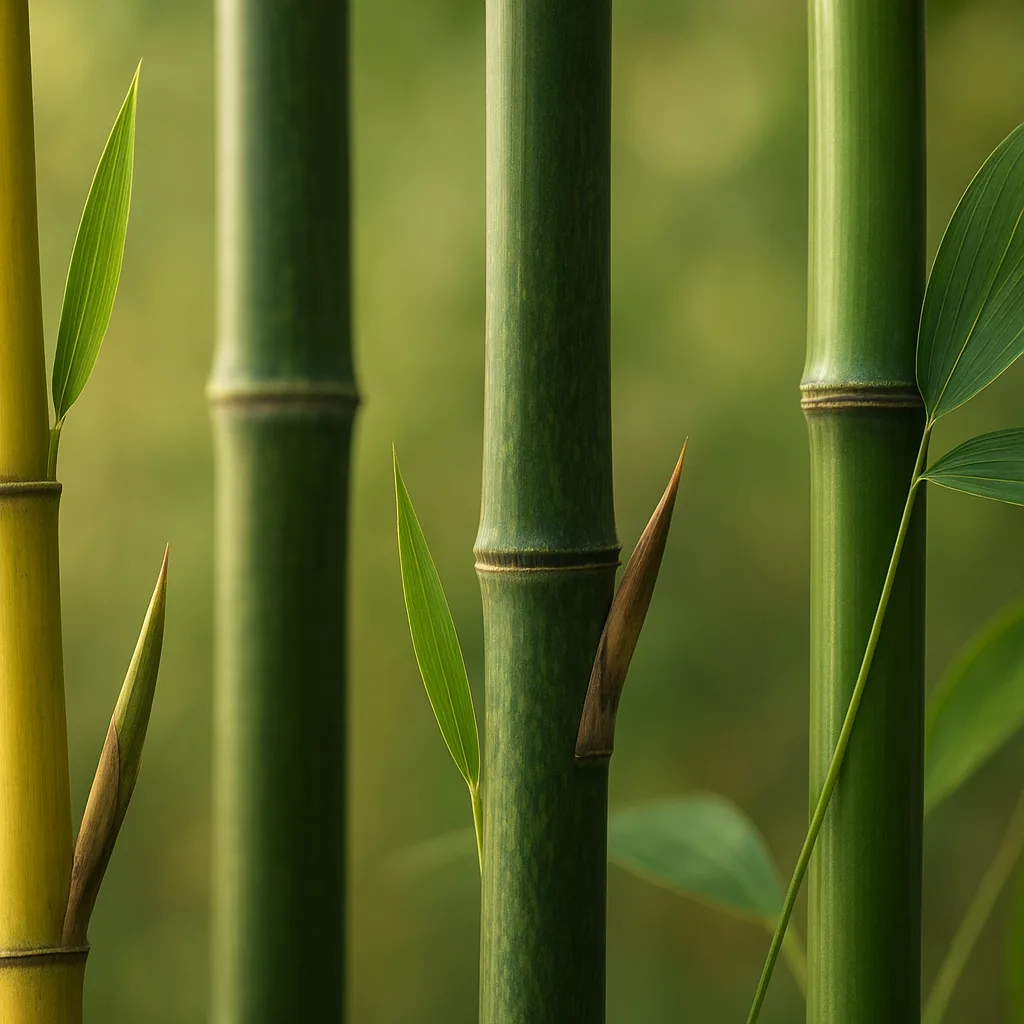
Taxonomy at a glance
- Family: Poaceae (the grass family)
- Subfamily: Bambusoideae
- Tribes and genera: e.g., Bambuseae (tropical clumping bamboos) and Arundinarieae (temperate woody bamboos like Phyllostachys)
- Naming format: Genus species Author, e.g., Phyllostachys edulis (Carreño) or Bambusa vulgaris Schrad.
Why Latin names matter
- One plant, many common names: regional names can obscure identity.
- Scientific names reduce ambiguity for horticulture, research and conservation.
- Latin names reflect relationships: species in the same genus often share growth habits.
Key bamboo genera and their Latin names
Below are common genera and representative Latin names you will encounter. Each entry includes typical mature height, culm diameter, and a short identification note.
- Phyllostachys (e.g., Phyllostachys edulis, Phyllostachys aurea, Phyllostachys nigra)
- Height: 6 to 28 m (20 to 92 ft)
- Culm diameter: 2 to 25 cm
- Note: Running rhizomes (leptomorph), often temperate, conspicuous nodes with swollen internodes on some species.
- Bambusa (e.g., Bambusa vulgaris, Bambusa oldhamii)
- Height: 8 to 20 m (26 to 65 ft)
- Culm diameter: 3 to 12 cm
- Note: Clumping (pachymorph) tropical to subtropical bamboos; thicker culms and terminal leaf sheaths.
- Dendrocalamus (e.g., Dendrocalamus giganteus)
- Height: 15 to 30+ m (50 to 100+ ft)
- Culm diameter: 10 to 30 cm
- Note: Giant tropical species used for timber; large, hollow culms and tall internodes.
- Guadua (e.g., Guadua angustifolia)
- Height: 10 to 30 m
- Culm diameter: 8 to 25 cm
- Note: Neotropical giant bamboo, very strong and used in construction in South America.
- Chusquea
- Height: 1 to 20 m
- Note: South American genus with some solid culm species and dense clumping forms.
- Sasa, Pleioblastus
- Height: 0.5 to 3 m (groundcover and dwarf bamboos)
- Note: Small-leaved, often used as ornamental groundcover in temperate gardens.
Practical field identification: visual cues and measurements
Identifying a bamboo to genus or species requires close attention to culms, branches, leaves, sheaths and underground rhizomes. Use measurements and visual cues to narrow possibilities.
Culm (stem) features
- Color and texture: Culms may be green, yellow, black-striped or mottled. Phyllostachys nigra develops nearly black culms; Bambusa vulgaris often appears bright yellow.
- Diameter and internode length: Measure the culm diameter at 1 m above ground and count internodes. Diameters range from 0.5 cm in small bamboos to over 30 cm in giants; internodes often 5 to 50 cm long.
- Node morphology: Look for swollen nodes, ringed sheaths, and the presence of aerial roots at nodes in some species.
Branching, leaves and sheaths
- Branching pattern: Some species have a single dominant branch at each node (Phyllostachys), others exhibit many branches forming a clump (Bambusa).
- Leaf size and shape: Leaves vary from 2 cm long in Sasa to 30 cm in Bambusa oldhamii; leaf texture is papery to leathery.
- Culm sheaths: Persistent sheaths that remain attached are common in woody tropical bamboos; shed sheaths are common in temperate species.
Rhizomes and growth habit
- Running rhizomes (leptomorph): long, slender, send shoots meters away. Typical of Phyllostachys and some Pleioblastus. If new shoots appear in a wide area, you likely have a running bamboo.
- Clumping rhizomes (pachymorph): short, thick, new culms form tightly to the parent. Typical of Bambusa and Dendrocalamus.
Shoots and flowering
- Shoot color and internode sheaths: Young shoots often dark purple or black in some Phyllostachys species; note sheath color and hairiness.
- Flowering rhythm: Many woody bamboos flower gregariously at long intervals, 20 to 120 years. Flowering can precede dieback of the stand.
Practical tip: Photograph a culm segment including a node, the leaf sheath, the base of the culm, and a close-up of leaves. Apps like Orvik can analyze these photos and suggest likely Latin names by comparing key morphological features.
For more on this topic, see our guide on Understanding Pine Trees: Latin Names Explained.
Habitat, geographic distribution, and seasonal behavior
Bamboo species occupy a wide range of climates from tropical lowlands to montane cloud forests and cool temperate zones. Habitat and seasonal behavior are excellent clues to identity.
- Tropical lowlands: Bambusa, Dendrocalamus, and Guadua thrive in humid, warm zones with annual rainfall often exceeding 1,500 mm.
- Subtropical and warm temperate: Phyllostachys and Pleioblastus tolerate winter frosts down to -20 C in some species.
- Montane forests: Chusquea and some Asian species are common at 1,000 to 3,000 m elevation.
Seasonal growth patterns
- Rapid shoot emergence: Many bamboos produce new shoots in a concentrated season of 4 to 12 weeks. Some Phyllostachys shoots can grow 30 to 90 cm per day under ideal conditions.
- Leaf retention: Most bamboos are evergreen in tropical climates; some temperate species may show slight leaf drop in late winter.
- Flowering and seed set: Irregular and often synchronous across large areas for a species; seeds may be scarce for decades between events.
Bamboo uses, cultivation, and related botanical name queries
Bamboo is valued for construction, crafts, edible shoots and ornamental planting. When people search botanical names they often do so across many garden plants. Below are quick botanical name clarifications that are frequently sought alongside bamboo.
You may also find our article on Which Marigold Is Which? Clear Botanical IDs helpful.
- Begonia scientific name / begonia botanical name: Begonia is the genus. Popular species and groups include Begonia rex, Begonia cucullata and Begonia x semperflorens-cultorum (wax begonias). Use species names to match leaf patterns and flower form.
- Bougainvillea scientific name / botanical name of bougainvillea / bougainvillea common name: Bougainvillea spectabilis and Bougainvillea glabra are common species. Common names include paperflower or paper bush. Flowers are actually small; the colorful bracts are modified leaves.
- Botanical name of okra: Abelmoschus esculentus, formerly placed in Hibiscus. Flowers look hibiscus-like; pods are the edible part.
- Bilva botanical name: Bilva or bael is Aegle marmelos, a small tree of the Rutaceae, native to India. The fruit is used in traditional medicines.
Cultivation tips with Latin names in mind
- Match species to climate: choose Phyllostachys for cold-hardy needs or Bambusa for warm, sheltered gardens.
- Containment for runners: install a 60 to 90 cm deep root barrier or plant in heavy-walled containers to control running species.
- Shoots for eating: Phyllostachys edulis (Moso) and Bambusa oldhamii produce edible shoots but must be boiled to remove bitter or toxic compounds in some species.
Safety, toxicity, and ecological impacts
Bamboo is generally safe for humans when handled and prepared properly, but there are important cautions for hobbyists, gardeners and land managers.
- Edible shoots: Many species yield edible bamboo shoots, notably Phyllostachys edulis (Moso). Raw shoots in some species contain cyanogenic glycosides and should be boiled for at least 20 minutes, changing water, to reduce toxins.
- Physical hazards: Young culm sheaths and recent cuts can be sharp. Fibrous silica in culm walls can abrade tools and skin.
- Allergies and irritation: Handling leaves and dust from dried culms can irritate skin or respiratory tract in sensitive people.
- Invasiveness: Running bamboos like Phyllostachys can spread aggressively and displace native vegetation. Consult local invasive species lists before planting.
Environmental considerations
- Habitat value: Dense stands can provide cover for wildlife but may reduce understory plant diversity.
- Soil and water impacts: Certain large bamboo species transpire a lot of water; planting near water sources or in riparian zones requires caution.
- Control methods: Mechanical removal, repeated cutting, or herbicide application are used for eradication; persistence of rhizomes can make removal challenging.
Comparisons: How to tell bamboo from similar plants
Gardeners and naturalists commonly confuse bamboo with reeds, canes and palms. Here are direct comparisons with tips to tell them apart in the field.
You might also be interested in Mastering Visual ID: Your Photo Identifier Guide.
Bamboo vs reed (Phragmites) and other tall grasses
- Bamboo: Woody culms with distinct nodes, solid sheath scars, and branching at nodes; culms persist as woody stems.
- Reed (Phragmites): Hollow, often weaker stems without hard woody culms, panicle inflorescences at the stem tips; no woody branch nodes.
Bamboo vs sugarcane and Arundo (giant cane)
- Sugarcane (Saccharum officinarum): Internodes juicy and sweet, used for sugar; nodes less pronounced and leaves are broader.
- Arundo donax: Cane with tall reed-like stems, large feathery inflorescences; culms are not as woody and strong as many bamboo species.
Bamboo vs palm stems
- Palms: Trunk is a single, non-segmented column with leaf scars but no discrete nodes producing branches at each node. Palms do not produce rhizomes like bamboo.
- Bamboo: Segmented culms with nodes and often lateral branching; new shoots arise from rhizomes rather than central meristem like palms.
Field tip: if you can see segmented nodes that repeat at regular intervals along a hollow or partially hollow woody culm, you almost certainly have a bamboo.
Related reading: Which plant is the true money plant?.
Using Orvik and other tools to confirm the Latin name
After you gather the diagnostic images and measurements described above, use digital tools wisely. Orvik is an AI-powered visual identification app that compares your photos against large reference databases and morphological keys to suggest probable bamboo species and their Latin names. It is particularly helpful when you are uncertain between visually similar species such as Phyllostachys aurea versus Phyllostachys bissetii.
- What to photograph for Orvik or any ID tool:
- Culm section including a node and internode
- Close-up of branching and leaf clusters
- Base of the plant to show rhizome or clump form
- How Orvik helps: it flags genus-level features, suggests Latin names and lists similar species to check against; use its suggestions alongside field notes.
- Verification: after an app ID, consult a regional flora, herbarium specimen, or bamboo expert to confirm species, especially for legal or commercial uses.
Conclusion
When someone searches for the bamboo latin name they are seeking precision: which genus and species of bamboo they have encountered and what that implies for growth, use, and management. Knowing the difference between Phyllostachys, Bambusa, Dendrocalamus and others gives you insight into habit, size, and whether a stand will run or clump. Use detailed photographs, measurements and seasonality clues, and tools like Orvik to narrow the identification to a reliable Latin name. Finally, attend to safety and invasive potential before planting or harvesting bamboo.
Frequently Asked Questions
- What is the Latin name for common garden bamboo?
- There is no single Latin name for all bamboos. Common genera used in gardens include Phyllostachys (running bamboos) and Bambusa (clumping bamboos). Species examples: Phyllostachys aurea, Bambusa vulgaris.
- How can I tell if my bamboo is a running or clumping species?
- Check the rhizomes and shoot pattern: running bamboos (leptomorph) send slender rhizomes and shoots may appear meters from the clump; clumping bamboos (pachymorph) produce thick short rhizomes and new culms close to the parent.
- Is all bamboo edible and safe to eat?
- Not all bamboo shoots are safe raw. Many edible species such as Phyllostachys edulis yield shoots that must be boiled to remove bitter or toxic compounds. Confirm species and preparation methods before eating.
- Can I identify bamboo species with just a photo?
- High-quality photos of culm nodes, branching, leaves and the base can often allow genus-level and sometimes species-level ID. Tools like Orvik speed up this process, but verification by an expert or regional flora is recommended for certainty.
- What is the bamboo that gets black culms called?
- Black bamboo is commonly Phyllostachys nigra. Its culms typically darken to nearly black with age and sun exposure.
- How tall can bamboo grow and which Latin name corresponds to giant bamboo?
- Giant species like Dendrocalamus giganteus and Guadua angustifolia can exceed 20 to 30 m in height with culm diameters of 10 to 30 cm.
- Why do bamboo species flower so infrequently?
- Many woody bamboos have long, synchronized flowering cycles (20 to over 100 years). The causes are evolutionary and not fully understood; flowering often leads to mass seed set and sometimes dieback of the stand.