
1. What is the botanical name of chrysanthemum?
When people ask for the "botanical name of chrysanthemum," they usually want the scientific identity behind the familiar garden flowers called "mums." The name depends on context:
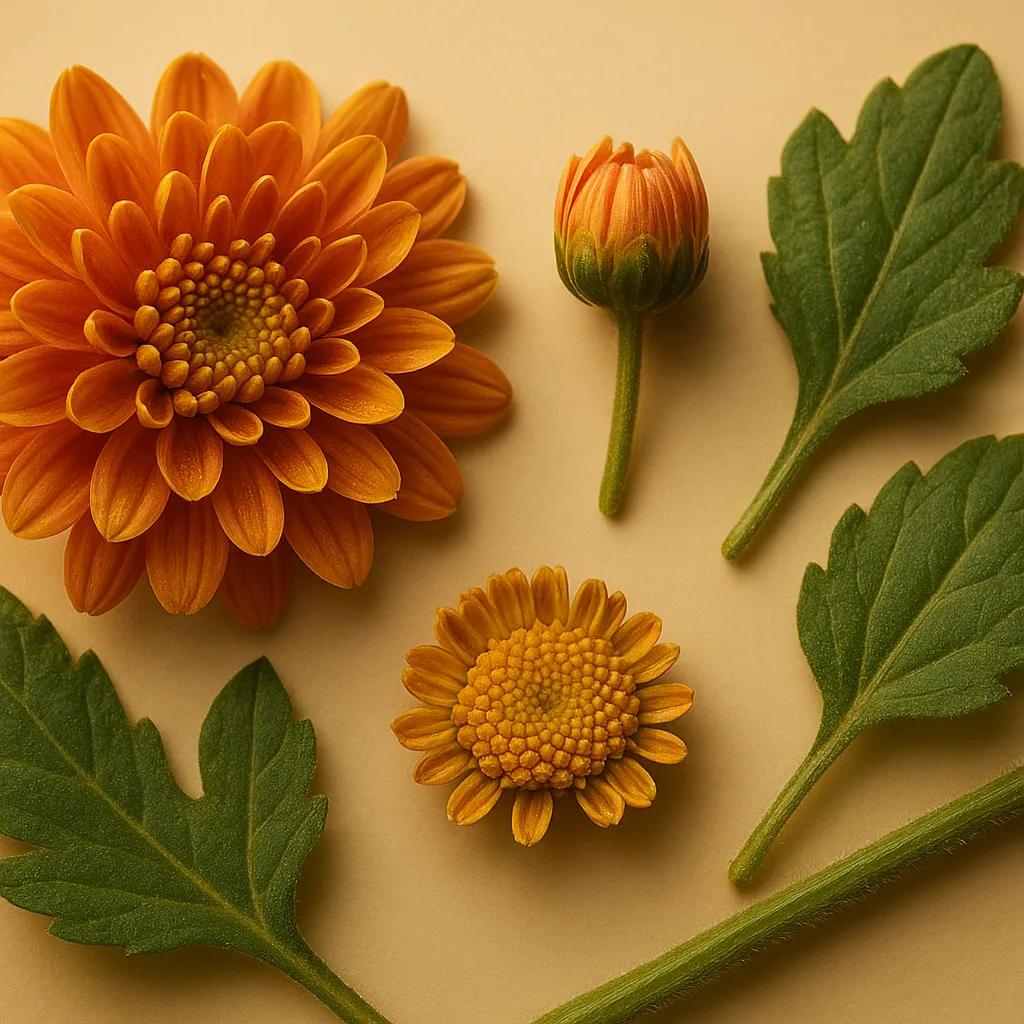
- Genus: Chrysanthemum L., family Asteraceae (the daisy family).
- Common garden chrysanthemum: Chrysanthemum × morifolium (syn. C. morifolium), often written with a hybrid sign because modern garden plants descend from multiple Asian species.
- Wild species: Examples include Chrysanthemum indicum and other regional species native to East Asia and Eurasia.
Taxonomy has been complex: some species historically placed in Chrysanthemum have been reclassified to genera such as Dendranthema or Argyranthemum, and the Shasta daisy was moved to Leucanthemum. For practical identification and horticulture, however, the horticultural "mum" is usually referred to as Chrysanthemum × morifolium.
2. Names you’ll encounter: scientific, Latin and common
Here’s a short glossary to clear confusion. Gardeners and botanists sometimes use different names depending on whether they emphasise horticulture or strict botanical nomenclature.
- Chrysanthemum (genus) — the botanical genus name (Latinized name used worldwide).
- Chrysanthemum × morifolium — the botanical/scientific name most often applied to florist’s and garden mums.
- Chrysanthemum morifolium common names — florist’s chrysanthemum, garden mum, hardy mum, disbud mum, spray mum.
- Chrysanthemum common name — mum or chrysanthemum (used interchangeably).
Understanding these names answers the typical searcher's intent: they want to know the formal scientific identity (Latin name) of the plant they and others call a chrysanthemum, and how that name maps to the plants they see in gardens and floral shops.
3. How to identify a chrysanthemum: practical visual cues
Identification is best done with several features in combination: flower structure, leaves, growth habit, scent, and bloom time. Use clear photos and a ruler for measurements when possible — apps like Orvik can speed ID by analysing images and matching features to known taxa.
Flower characteristics
- Composite head: Chrysanthemums are members of Asteraceae; what looks like a single flower is a head (capitulum) made of many florets (ray and disc florets).
- Head diameter: Range from 2 cm (button mums) to 20+ cm (large exhibition varieties); common florist mums are 5–12 cm across.
- Petal arrangement: Ray florets (what look like petals) are usually arranged in multiple rows, sometimes forming quill, spoon, or reflexed shapes; centre discs can be visible or filled with small florets.
- Colors: White, yellow, gold, pink, red, purple, bronze, and bi-colors are common. Natural yellow shades and white are most typical in wild species.
Leaves and stems
- Leaf shape: Alternate, often pinnatifid or lobed with coarse teeth; 2–8 cm long typically, sometimes larger in vigorous cultivars.
- Texture and scent: Leaves are rough to the touch, slightly hairy, and aromatic when crushed — a distinctive herbaceous/chrysanthemum scent.
- Stem habit: Bushy, branching stems; height varies from 15 cm (dwarf types) to 150 cm for tall garden varieties.
Seasonality
- Bloom time: Most garden mums bloom in late summer to autumn (August–November in temperate regions), although greenhouse-grown florist mums can be forced to flower at other times.
- Photoperiod sensitivity: Many chrysanthemums are short-day plants — flowering is triggered by long nights in late summer/fall.
4. Habitat, geographic distribution and ecology
Chrysanthemums have an East Asian origin but are now cultivated worldwide. Understanding native range helps with wild plant identification and conservation.
For more on this topic, see our guide on Field Guide to Flower Names.
Native range and wild habitats
- Primary origin: China and Japan are the main centers of diversity for wild Chrysanthemum species.
- Habitat: Wild species favour open grasslands, scrubby slopes, forest margins and disturbed sites at low to moderate elevations.
- Elevation: Many species are found from near sea level to 2,000 m depending on the local climate and species.
Global cultivation and naturalization
- Cultivation: Grown worldwide in temperate and subtropical gardens, commercial cut-flower production, and as pot plants.
- Naturalization: Some species have naturalised beyond their native range, occasionally appearing as roadside or field weeds.
5. Chrysanthemum vs similar garden plants: how to tell them apart
Searchers who type "botanical name of chrysanthemum" often compare mums with plants that look superficially similar or share seasonal niches. Below are direct, practical comparisons.
Chrysanthemum vs Daffodil (Narcissus)
- Family: Chrysanthemum is in Asteraceae; daffodils are in Amaryllidaceae.
- Growth form: Chrysanthemums are herbaceous perennials or tender perennials/annuals with branched stems; daffodils are bulbous spring perennials with a basal rosette of strap-like leaves.
- Flowers: Daffodils have a trumpet-shaped corona surrounded by six tepals, usually solitary per stem; mums have composite heads made of many small florets.
- Season: Daffodils bloom in spring (March–May); mums bloom in late summer–autumn.
Chrysanthemum vs Amaryllis (and Hippeastrum)
- Amaryllis (Amaryllis belladonna) is a true Amaryllid native to South Africa; large showy, trumpet-like flowers appear from bulbs in late summer/early autumn.
- Hippeastrum is the bulb often sold as "amaryllis" in winter — it has fewer, larger, trumpet-shaped flowers on leafless scapes.
- How to differentiate: Bulb vs bush: amaryllis/Hippeastrum arise from a single bulb with 1–4 large flowers per scape; chrysanthemums are multi-stemmed shrubs with many small composite heads.
Chrysanthemum vs Camellia
- Camellia (Camellia japonica, C. sasanqua) are evergreen shrubs in family Theaceae with glossy, leathery leaves and solitary rose-like flowers in winter to spring.
- How to differentiate: Woody shrub vs herbaceous plant; camellia leaves are thick and evergreen, chrysanthemum leaves are herbaceous and seasonally die back after frost.
Chrysanthemum vs Dahlia
- Both are in the Asteraceae and produce showy heads, but dahlias (genus Dahlia) come from tuberous roots and typically have a different foliage pattern (opposite leaves) and larger, often geometric flower forms.
- Use leaf arrangement and root type (tuber vs fibrous roots) to tell them apart.
6. Cultivation, uses and horticultural types
Chrysanthemums are among the most bred ornamental plants. Understanding types and cultivation helps you place an identified plant into horticultural context.
Major horticultural categories
- Garden mums (hardy mums) — bushy perennials grown in borders; typically pruned and pinched for compact habit.
- Florist mums — greenhouse-grown for cut flowers and potted displays; often large-headed or spray types.
- Exhibition mums — bred for flower shows; enormous, perfectly formed blooms up to 20–30 cm across in elite cultivars.
- Button and pompon mums — small, compact flowerheads 2–5 cm in diameter used in mass planting and arrangements.
Basic cultivation tips
- Light: Full sun for best flowering (at least 6 hours direct sun daily).
- Soil: Well-drained, loamy soil with pH 6.0–7.5; avoid waterlogged sites.
- Water: Regular watering during growth; reduce after bloom to avoid crown rot.
- Feeding: Balanced fertilizer during growth; stop high-nitrogen feeds six weeks before expected bloom to encourage flowers rather than foliage.
- Pinching: Pinch shoot tips in spring/early summer to encourage branching and denser flower displays; stop pinching about 10–12 weeks before bloom.
7. Safety and toxicity
Safety is an important part of correct plant identification. Chrysanthemums are useful ornamentals but have chemical properties that matter for people, pets, and wildlife.
Toxic compounds and effects
- Pyrethrins and sesquiterpene lactones: Some chrysanthemum species, especially Chrysanthemum cinerariifolium, produce pyrethrins — natural insecticidal compounds used commercially as "pyrethrum."
- Pet and livestock toxicity: Chrysanthemums are toxic to dogs, cats and horses. Ingestion can cause drooling, vomiting, diarrhea, incoordination and dermatitis. Seek veterinary advice if ingestion occurs.
- Human contact: Handling can cause allergic contact dermatitis in sensitized individuals; inhalation of pollen may provoke hay-fever-like symptoms in sensitive people.
Always label plants used in household arrangements and keep cut flowers out of reach of pets. Orvik can help by quickly confirming a chrysanthemum ID from a photo and showing common toxicity notes for that taxon.
8. Why the botanical name matters — and how to use it
When someone types "botanical name of chrysanthemum" they want clarity for identification, plant care, or to understand medicinal/cultural uses. The botanical (Latin) name links a plant to authoritative references, herbarium specimens, and reliable cultivation instructions.
You may also find our article on Understanding Lily Identity: Names & Science helpful.
- Precision: "Mum" could mean dozens of cultivars and several species; "Chrysanthemum × morifolium" points you to the specific horticultural group with defined care needs.
- Research: Scientific names unlock academic literature, pest/disease guides, and safety data that common names can’t reliably provide.
- Identification tools: Use apps like Orvik to photograph a plant, get likely botanical names, and review seasonality and toxicity notes instantly — valuable for gardeners, florists and field naturalists.
FAQ
Q: What is the chrysanthemum scientific name?
A: The genus is Chrysanthemum; the widely cultivated garden mum is most often listed as Chrysanthemum × morifolium (or C. morifolium).
Q: Is "chrysanthemum" the Latin name?
A: Yes. "Chrysanthemum" is the Latinized genus name used in scientific nomenclature; specific cultivar or species names complete the full botanical name (e.g., Chrysanthemum indicum).
Q: What is the daffodil scientific name?
A: Daffodils belong to the genus Narcissus (family Amaryllidaceae), for example Narcissus pseudonarcissus is the wild daffodil species.
You might also be interested in Mastering Coin Identification: From Minted Metal to Crypto Names
.
Q: What is the amaryllis scientific name?
A: True amaryllis is Amaryllis belladonna. Many bulbs sold as "amaryllis" are actually Hippeastrum species or hybrids.
Related reading: Understanding Pine Trees: Latin Names Explained.
Q: What is the camellia scientific name?
A: Common camellias include Camellia japonica and Camellia sasanqua, in the family Theaceae.
Q: Are chrysanthemums toxic to pets?
A: Yes. Chrysanthemums can cause vomiting, diarrhea, drooling and incoordination in pets. Keep flowers away from animals and consult a vet if ingestion is suspected.
Q: What are common names for Chrysanthemum morifolium?
A: Common names include florist’s chrysanthemum, garden mum, hardy mum, pompon mum and spray mum depending on form and use.
Conclusion
In short, the botanical name of chrysanthemum depends on what you’re looking at: the genus is Chrysanthemum, and the familiar florist/garden plant is typically Chrysanthemum × morifolium. Visual identification rests on composite flower heads, lobed aromatic leaves, and autumnal bloom timing. Whether you’re a gardener, florist, or field naturalist, precise names lead to better care and safer use — and tools such as Orvik make photographic identification and verification fast and reliable.
Frequently Asked Questions
- What is the chrysanthemum scientific name?
- The genus is Chrysanthemum; the common garden/flowering mum is typically Chrysanthemum × morifolium (often written C. morifolium).
- Is 'chrysanthemum' the Latin name?
- 'Chrysanthemum' is the Latinized genus (scientific) name. Full botanical names include the genus and species (or hybrid) epithet, like Chrysanthemum × morifolium.
- What is the daffodil scientific name?
- Daffodils are in the genus Narcissus. A common wild species is Narcissus pseudonarcissus.
- What is the amaryllis scientific name?
- True amaryllis is Amaryllis belladonna. Many bulbs sold as 'amaryllis' are actually Hippeastrum species or hybrids.
- What is the camellia scientific name?
- Common camellias are Camellia japonica and Camellia sasanqua, among other species in the genus Camellia (family Theaceae).
- Are chrysanthemums toxic to pets?
- Yes. Chrysanthemums can cause vomiting, diarrhea, drooling and incoordination in dogs, cats and horses. Seek veterinary care if ingestion occurs.
- What are common names for Chrysanthemum morifolium?
- Common names include florist’s chrysanthemum, garden mum, hardy mum, spray mum, button mum and pompon mum depending on form.