
Introduction: What people mean by 'botanical name of mint'
When someone searches for the botanical name of mint they are usually looking for the scientific genus and the names of common species used in cooking, medicine, and horticulture. Botanically, 'mint' refers to plants in the genus Mentha (family Lamiaceae), a group of aromatic perennial herbs that includes spearmint, peppermint, field mint and many hybrids. This article explains the formal names, key species and hybrids, practical visual identification cues, habitat and seasonal behavior, safety notes, and how to tell mint apart from similar plants such as tulsi (holy basil) or woody conifers like Thuja.
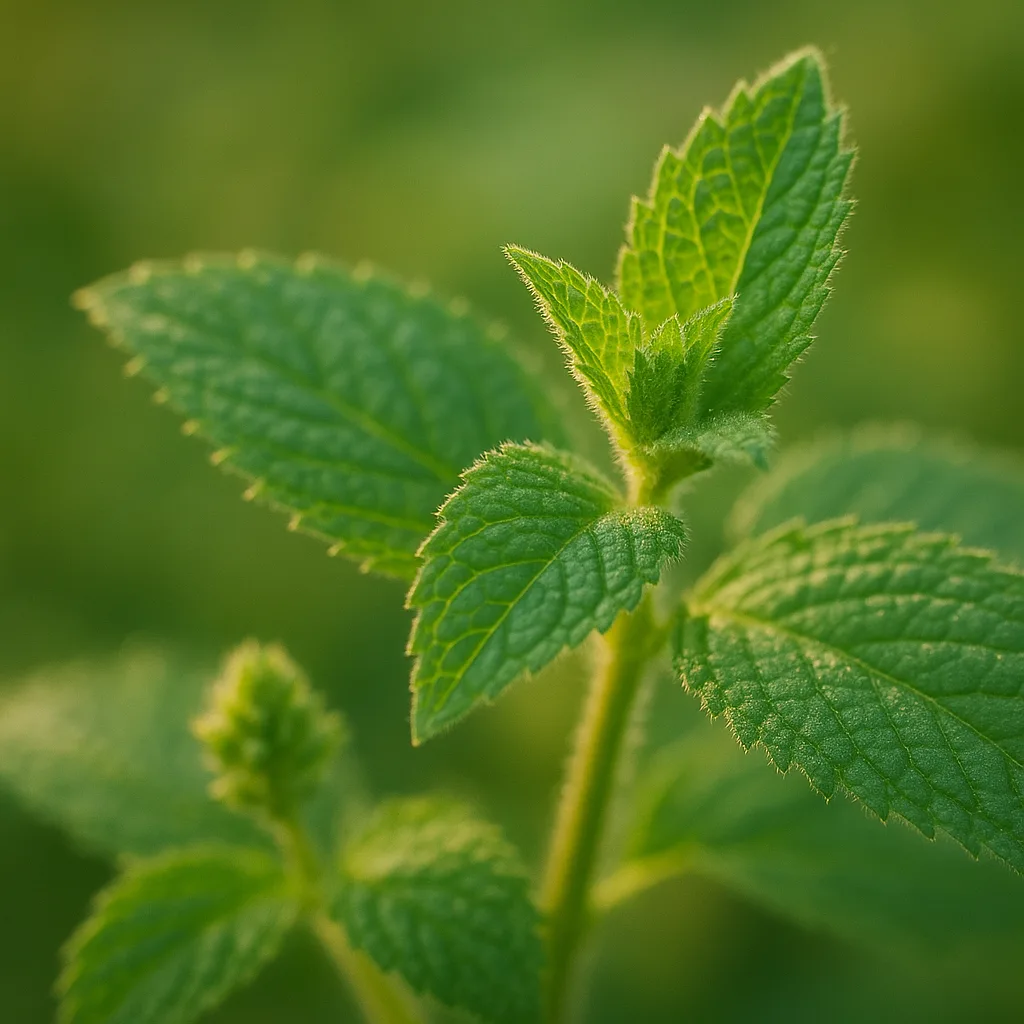
- Primary botanical genus: Mentha
- Common species: Mentha spicata, Mentha × piperita, Mentha arvensis, Mentha longifolia
- Related searches often include tulsi (Ocimum tenuiflorum) and Thuja occidentalis
Mentha taxonomy: botanical names and common species
Mint is taxonomically placed in the Lamiaceae family. The genus Mentha is complex: many species hybridize freely and cultivars have been selected for flavor, aroma and leaf form. Below are the names you are most likely to encounter.
- Mentha spicata — common or spearmint. Leaves 2–6 cm long; spear-shaped; menthol-poor, sweeter aroma.
- Mentha × piperita — peppermint. A natural hybrid between M. aquatica and M. spicata; strong menthol scent; leaves 2–4 cm.
- Mentha arvensis — field mint or Japanese mint. Often higher pulegone/menthol; used for oil production.
- Mentha longifolia — horse mint or woolly mint. Leaves often 4–8 cm, gray-green with fuzzy hairs.
- Mentha × gracilis — Scotch spearmint hybrid used commercially.
- Numerous cultivars and local varieties: e.g., 'Chocolate' mint, 'Apple' mint (often M. suaveolens hybrids)
Scientific naming conventions
Botanical names use Latin binomials. Hybrids get a multiplication sign '×' before the epithet when recognized as hybrid taxa (for example, Mentha × piperita). Synonyms are common; older literature sometimes uses different epithets. For precise identification in the field, combine morphological features with habitat and, when needed, microscopic or chemical analysis.
Practical identification: visual cues and measurements
Mint identification relies on a suite of visual and tactile cues. Below are reliable features to examine in daylight with a hand lens or a phone camera—ideal for use with Orvik or other identification tools.
For more on this topic, see our guide on Understanding Lily Identity: Names & Science.
- Stem shape: Square stems (four-angled) are typical of Lamiaceae. Measure diameter: stems are usually 1–6 mm across.
- Leaf arrangement: Opposite leaves, decussate pairs. Leaf lengths vary by species: 1–8 cm is common.
- Leaf shape and texture: Spearmint leaves are lanceolate to ovate with a rounded tip; peppermint leaves tend to be narrower and sometimes slightly toothed; M. longifolia shows distinctive tomentose (fuzzy) surfaces.
- Color: Fresh mint foliage ranges from bright green (RHS Color Chart approximate 137A) to gray-green in woolly mints. New growth can show purple or red tinges on stems in some cultivars.
- Aroma: Crush a leaf gently—mint aroma is immediate. Peppermint yields a strong cooling menthol scent; spearmint smells sweeter with a carvon-dominant profile.
- Inflorescence: Spike-like clusters or verticillasters of tubular two-lipped flowers, typically 3–6 mm long. Flower colors: white, pink, lilac or purple.
- Vegetative spread: Most mints spread by runners (stolons) or rhizomes. Expect colonies several meters across over a few years if unchecked.
Quick field checklist
- Check stem cross-section (square = Lamiaceae).
- Note leaf pairing and measure leaf size (cm).
- Smell crushed leaf for menthol vs sweeter notes.
- Examine hairiness: woolly vs smooth leaf surfaces.
- Observe flower structure and color if present (May–September in many regions).
Habitat, geographic distribution and seasonal behavior
Mint species are cosmopolitan across temperate and subtropical regions but have centers of diversity in Europe, Asia and North Africa. They are frequently naturalized outside their native ranges.
- Typical habitats: moist banks, river margins, damp meadows, gardens, ditch sides, waste ground and cultivated beds.
- Soil and light: Prefers moist, well-drained soils with moderate fertility; tolerates partial shade; full sun yields more compact growth and stronger oils.
- USDA hardiness: Many Mentha species are hardy in USDA zones 4–9; some forms survive zone 3 with winter die-back to ground.
- Seasonal growth: Perennial; active vegetative growth from spring (April–May) through fall (September–October). Flowering commonly occurs from late spring to late summer depending on species and latitude.
- Propagation: By seed (variable), stem cuttings, stolons and rhizomes. Expect spread of 0.5–2.0 meters per season under ideal conditions.
Uses, safety and toxicity
Mint has culinary, medicinal and aromatic uses worldwide, but not all mints are safe in large doses. Knowing botanical names helps avoid harmful substitutions.
- Culinary: Spearmint (Mentha spicata) and peppermint (Mentha × piperita) are widely used fresh or dried in teas, sauces, desserts and savory dishes. Typical culinary leaf size for fresh use: 2–4 cm.
- Aromatic and commercial oils: Peppermint oil is commonly distilled; menthol content can be 40% or more in high-quality oils. Field mint (M. arvensis) is used for large-scale oil production in India and Japan.
- Medicinal uses: Peppermint oil (standardized to 0.2% menthol per capsule in clinical trials) is used for irritable bowel syndrome symptoms and digestive discomfort under guidance.
Toxicity warnings
- Pennyroyal confusion: Mentha pulegium (pennyroyal) and related herbs contain pulegone, which is hepatotoxic and can be fatal in concentrated oil. Small culinary use is traditional, but ingestion of pennyroyal oil or concentrated extracts is dangerous.
- Peppermint oil side effects: In high doses can cause heartburn, allergic reactions or exacerbate gastroesophageal reflux. Avoid concentrated essential oils internally unless under professional supervision.
- Livestock and pets: Some mint oils are toxic to animals in concentrated quantities; always keep essential oils out of reach of pets and livestock.
Compare and contrast: Mint vs Tulsi, mint vs other lookalikes, and Thuja explained
Search queries related to the botanical name of mint frequently include tulsi and thuja. Here are clear comparisons to help you tell these plants apart in the field.
You may also find our article on Maple Leaf ID: Recognizing Acer Species in the Field helpful.
Mint vs Tulsi (Holy Basil)
Many people confuse mint with tulsi because both are aromatic herbs used in teas and traditional medicine. Tulsi belongs to the genus Ocimum, not Mentha.
- Tulsi botanical name: Ocimum tenuiflorum (synonym Ocimum sanctum).
- Tulsi English name: Holy basil, or simply tulsi.
- Visual differences:
- Leaves of tulsi are typically single (not always strongly opposite pairs like mint), and are often more ovate with a smooth or lightly toothed margin and a glossy surface.
- Tulsi stems are round to slightly square but not as prominently 4-angled as mint stems.
- Tulsi has a clove-like, peppery aroma rather than the menthol/menthone chemistry of mint.
- Use case: Tulsi is revered in Ayurveda and often used as a calming tea; Mentha is used for flavor and digestive support with different active compounds.
Mint vs Lemon balm and other Lamiaceae
- Lemon balm (Melissa officinalis) has a lemon scent and rounder, softer leaves (3–7 cm); surface is less toothed than many mint species.
- Thyme, rosemary are woody perennials with markedly different habit and needle or tiny leaves; their stems are woody and do not form the spreading runners typical of mint.
Thuja: why Thuja appears in related searches
Some users also search for Thuja names. Thuja is an evergreen conifer not related to mint but commonly asked about in garden identification queries.
You might also be interested in How to ID a Bird from a Photo.
- Thuja scientific name: The genus is Thuja. A commonly referenced species is Thuja occidentalis.
- Common names: Eastern arborvitae, northern white cedar.
- Visual differences from mint:
- Thuja is a woody coniferous shrub/tree with scale-like leaves on flattened sprays; no opposite paired broad leaves or square stems.
- Grows 2–20 m tall depending on species/cultivar, not a low herbaceous perennial.
Using Orvik and field tools to confirm identification
Photographic AI tools like Orvik are especially useful with plants that hybridize frequently, like Mentha. Orvik helps by matching leaf shape, venation, color, and flower structure from images, but you should combine app results with manual checks listed earlier.
Related reading: Understanding Hibiscus: Names, ID & Key Species.
- Take multiple photos: top and underside of a leaf, stem cross-section, whole plant habit, and flowers if present.
- Note context: moist stream banks or dry garden bed, sun exposure, and nearby plants; Orvik uses this metadata.
- Cross-check app suggestions with identifying features: square stem, opposite leaves, aroma test, and presence of stolons.
Orvik is valuable when species-level identification is needed in the field and when visual differences are subtle. For critical uses (medicinal extraction, oil production) combine Orvik’s suggestions with reference to herbarium specimens or a local botanist because Mentha hybrids are numerous and chemical profiles vary.
Practical tips for gardeners, foragers and educators
- To prevent unwanted spread, plant mint in containers or root barriers; stolons can travel 30–60 cm or more per season.
- Harvesting: pick leaves before plants fully flower for best flavor and oil concentration (often late spring to early summer).
- Seed identification is less useful for Mentha because many cultivars are propagated vegetatively; use morphological and aromatic checks instead.
- Label species with botanical names in community gardens to avoid confusion (e.g., ‘Mentha spicata — spearmint’).
Conclusion
The botanical name of mint is Mentha, a genus that includes many species and hybrids such as Mentha spicata (spearmint) and Mentha × piperita (peppermint). Accurate identification uses a combination of features: square stems, opposite leaves, aromatic profile, leaf size and texture, floral structure and habitat. Tools like Orvik can speed up field identification, but for chemical uses or toxic species beware of lookalikes such as pennyroyal. For related queries, remember that tulsi is Ocimum tenuiflorum (holy basil) and Thuja occidentalis is an unrelated conifer commonly called eastern arborvitae.
Frequently Asked Questions
- What is the botanical name of mint?
- The botanical genus is Mentha. Common species include Mentha spicata (spearmint), Mentha × piperita (peppermint), Mentha arvensis (field mint) and Mentha longifolia.
- What is the botanical name of tulsi (holy basil)?
- Tulsi is Ocimum tenuiflorum, also historically cited as Ocimum sanctum. Its English name is holy basil.
- Is Thuja related to mint?
- No. Thuja is a genus of coniferous trees; Thuja occidentalis (eastern arborvitae) is a woody evergreen and is not related to herbaceous Mentha species.
- How can I tell peppermint from spearmint in the field?
- Check aroma and leaf form: peppermint (Mentha × piperita) has a strong menthol scent and often narrower leaves; spearmint (Mentha spicata) smells sweeter and has broader, spear-shaped leaves. Also check hairiness and growth habit.
- Are any mints toxic?
- Yes. Pennyroyal (Mentha pulegium) contains pulegone and can be hepatotoxic, especially in concentrated oil form. Avoid internal use of unfamiliar mint oils.
- Can an app like Orvik identify mint species accurately?
- Orvik and similar visual ID tools are useful and can be accurate with good photos of leaves, stems and flowers, but for chemical or medicinal purposes, verification by an expert is recommended.
- When do mint plants typically flower?
- Most mint species flower from late spring to late summer (May–August in temperate zones), though timing varies with species and local climate.