
Why use a cactus identification app?
When you spot a spiny stem in the field or an unfamiliar plant on a windowsill, the questions are immediate: what species is it, is it toxic, how should I care for it? A cactus identification app turns those questions into answers by combining image recognition, taxonomy databases and practical care guidance. For hobbyists, conservationists and gardeners, the right app speeds identification from hours of research to seconds.
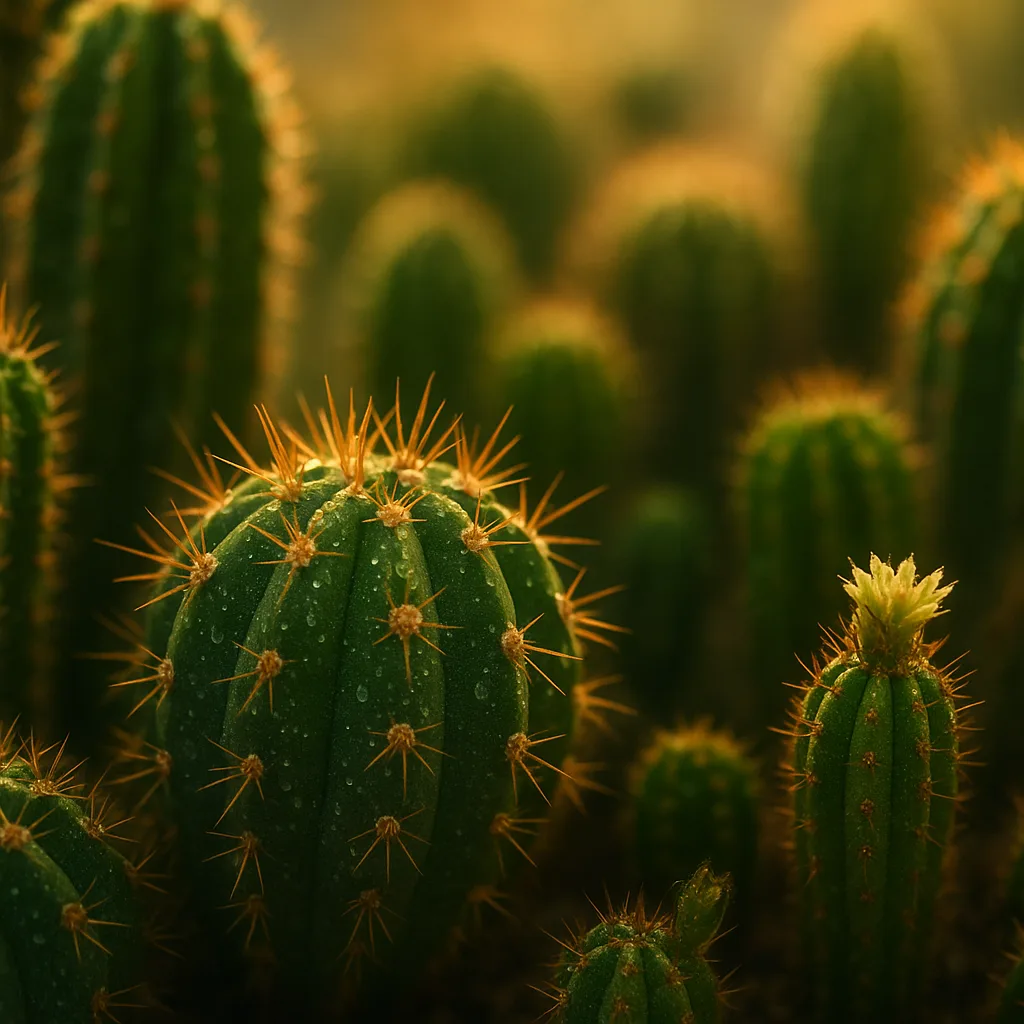
- Instant visual ID from a photo or series of photos
- Species-level names (e.g., Carnegiea gigantea, Echinocereus triglochidiatus)
- Contextual info: native range, habitat, flowering season
- Care, toxicity and conservation notes
How AI visual identification works
Modern cactus and succulent identification apps use convolutional neural networks (CNNs) trained on millions of labeled images. They learn visual features—shape, color, texture, and patterning—that correlate with taxonomic groups. A robust system also integrates metadata (GPS, date, user notes) and reference herbarium records.
Key components of an AI ID pipeline
- Image preprocessing: cropping, scale normalization and color correction to reduce noise.
- Feature extraction: CNN layers detect edges (ribs, tubercles), spots (areoles, areolar hair) and color gradients.
- Classification: the model returns ranked suggestions with confidence scores (e.g., 92% Echinopsis schickendantzii).
- Cross-referencing: matches against botanical databases (GBIF, IPNI) and curated collections.
Apps like Orvik leverage these systems to provide rapid IDs and contextual plant data. They pair machine predictions with curated descriptions so users can verify identifications.
Practical visual cues to identify cacti
Identifying cacti requires attention to a consistent set of morphological features. Below are practical cues—many measurable—that help distinguish genera and species.
For more on this topic, see our guide on Identify Plants Quickly Outdoors.
Stems and growth form
- Columnar: tall, cylindrical stems, e.g., Saguaro (Carnegiea gigantea) reaching 12–18 m in mature specimens.
- Globose or ball: spherical stems 2–50 cm diameter, common in Gymnocalycium, Ferocactus.
- Clumping or offsetting: multiple heads forming mats, typical of Mammillaria.
- Jointed pads: flattened pads 5–30 cm long indicate Opuntia (prickly pears).
Ribs, tubercles and areoles
- Ribs: vertical ridges; count ribs (e.g., Ferocactus often 20–40 ribs).
- Tubercles: cone-shaped bumps; Mammillaria have prominent tubercles rather than ribs.
- Areoles: small, cushion-like structures that produce spines, flowers or glochids—areoles are diagnostic for Cactaceae.
Spines, glochids and epidermis
- Spine types: radial vs central spines; count and measure—central spines often longer (e.g., 5–10 cm in some Ferocactus).
- Glochids: tiny barbed hairs in Opuntia subgenus; cause skin irritation.
- Stem surface: glaucous (blue-grey waxy bloom) vs bright green; presence of felted hairs or wool (Cephalocereus).
Flowers and fruit
- Flower position: apex-only (e.g., columnar Cereus) vs along tubercles (e.g., Mammillaria).
- Flower size and color: measure diameter—small 1–3 cm to large 15–20 cm across (Echinopsis hybrids).
- Fruit: berry-like, color (red, yellow), presence of spines or areolar remnants.
Habitat, range, and seasonal behavior
Location and time of year are powerful clues for identification. Most cacti are New World natives, but succulents overall have a broader distribution.
- Geographic distribution: Cactaceae are native to the Americas—from Patagonia (e.g., Echinopsis) to northern Canada in isolated rare populations. Notable centers include northern Mexico and the Andes.
- Habitat: desert flats, rocky slopes, coastal scrub, cloud forests (e.g., epiphytic Rhipsalis in tropical rainforests).
- Seasonal behavior: many cacti grow in spring/summer with dormancy in winter; flowering often peaks in spring or early summer depending on altitude and rainfall.
Examples with seasonal notes
- Carnegiea gigantea (Saguaro): blooms May–June; columnar; native Sonoran Desert; can live >150 years.
- Echinocereus triglochidiatus: spring flowers, low clumping stems 10–30 cm high; common in Rocky Mountain foothills.
- Mammillaria bocasana: dense white hairs, spring clusters of small pink flowers; commonly cultivated.
Practical tips for using a cactus or succulent identification app
Users searching for "succulent identification app" or "identify succulent app" want quick, reliable results—often with care advice. Here’s how to get the best ID from any app, including Orvik.
Photo and data best practices
- Take multiple photos: whole-plant habit, close-up of areoles, spines, flowers and fruit.
- Include scale: a coin or ruler helps estimate spine length and stem diameter.
- Capture habitat: rocky ground, potted substrate, elevation cues help narrow possibilities.
- Use natural light and avoid extreme backlighting; 2–3 photos from different angles are ideal.
- Provide metadata: approximate location, date, and whether it’s cultivated or wild.
How to interpret app results
- Check the confidence score—high confidence (>85%) is usually reliable at genus level; species-level IDs can be lower.
- Cross-reference morphological traits in the app's description (flower position, number of ribs, tubercles).
- Consider similar species and read habitat notes to confirm a match.
- When in doubt, consult a regional field guide or a botanist for verification of rare or protected species.
Comparisons: How to tell lookalikes apart
Many identification errors arise from confusing similar-looking taxa. Below are focused comparisons to help you distinguish common lookalikes.
You may also find our article on Are Cacti Poisonous? A Field Guide helpful.
Cactus vs Succulent
- Cactus: belong to family Cactaceae, have areoles (small cushion structures) that produce spines, flowers and new stems; mostly native to the Americas.
- Succulent (non-cactus): includes many families (Crassulaceae, Euphorbiaceae, Asphodelaceae). They store water in leaves or stems but lack true areoles.
- Quick test: look for areoles—if present, it’s a cactus. If the plant has leaves (Aloe, Sedum) or milky sap (some Euphorbia), it’s a non-cactus succulent.
Euphorbia vs Cactus
- Euphorbia (family Euphorbiaceae) often mimic cacti (e.g., Euphorbia ingens) but exude a toxic, milky latex; flowers (cyathia) are structurally different from cactus blossoms.
- Cactus lack milky sap and have areoles; cactus flowers are typically showy with many petals and stamens.
Opuntia vs Cylindropuntia
- Opuntia (prickly pears): flattened pads (cladodes) and glochids—small barbed bristles in areoles.
- Cylindropuntia (chollas): cylindrical joints and more robust detachable spine segments that can cling to skin or fur.
Ferocactus vs Echinocactus
- Ferocactus: usually larger central spines (up to 10 cm), stout ribs, barrel-shaped 30–150 cm tall.
- Echinocactus: often densely ribbed, shorter spines, sometimes mistaken for Ferocactus—compare rib number and flower placement.
Choosing the right app: features to look for
Searching for "succulent identification app free" or "free succulent identification app" surfaces many options. Here’s what matters when choosing an app—whether free or paid.
- Accuracy and database size: larger species libraries and regional data improve ID quality.
- AI confidence scores: helps you gauge reliability; look for apps that explain why a match was suggested.
- Photo-guided workflows: prompts that ask for close-ups of areoles, flowers and habitat will yield better results.
- Offline mode: allows field IDs without cellular service.
- Care and toxicity info: immediate guidance on watering, light and whether the plant is poisonous or dangerous to pets.
- Community verification: option to get confirmation from botanists or experienced gardeners.
Orvik combines AI-powered recognition with contextual plant profiles that make it a useful tool for both casual users and serious collectors. For those searching for "app for identifying succulents" or "app to identify succulents," check whether the app supports both cactus and non-cactus succulents and offers comparison features.
You might also be interested in Spotting Bed Bugs: A Clear Visual Guide.
Safety, toxicity and legal considerations
Identification isn’t just academic—mistakes can cause skin injury, allergenic reactions or legal issues when wild plants are protected.
Related reading: Quick Plant ID with Visual Apps.
- Glochids and spines: Opuntia glochids are tiny, barbed hairs that embed in skin and cause irritation; use tweezers and adhesive tape for removal.
- Poisonous plants: many Euphorbia species have caustic latex; ingestion or eye contact requires immediate washing and medical advice.
- Pets and children: some cacti have toxic alkaloids or dangerous spines—think ahead when placing plants in homes with pets.
- Legal protection: certain cacti, like Lophophora williamsii (peyote), are legally protected or regulated—never remove wild plants without permits.
First-aid basics
- For spine or glochid exposure: remove visible spines with gloves, use tweezers, then adhesive tape to lift glochids.
- For sap exposure (Euphorbia): wash skin with soap and water; rinse eyes with water and seek medical care if irritation persists.
- If ingestion occurs: call your local poison control center immediately and provide species info if known.
Case studies: real-world ID workflow
Here are brief scenarios showing how an app helps make a confident identification.
Case 1 — Desert roadside columnar cactus
- Photos: full habit (showing height and branching), close-up of areoles and flower (if present).
- App result: high confidence for Carnegiea gigantea based on columnar growth, prominent areoles, white nocturnal flowers in May–June, and Sonoran Desert GPS coordinates.
- Follow-up: conservation note—these are long-lived and should not be transplanted from the wild.
Case 2 — Potted succulent with fuzzy tubercles
- Photos: close-up of tubercles and flower; note scale (1.5 cm tubercles).
- App result: suggestion of Mammillaria bocasana vs Mammillaria hahniana; check flower color and tubercle density to decide.
- Follow-up: care tips—bright light, infrequent deep watering, protect from frost.
Conclusion
People searching for a "cactus identification app" or an "app for identifying succulents" want reliable, fast, and actionable answers. The best apps pair AI image recognition with botanical context—morphology, habitat, seasonal cues and safety advice—to produce IDs you can trust. Use good photos, note habitat and cross-check AI suggestions with morphological traits. Orvik is an example of an AI-powered visual identification app that streamlines this workflow, offering rapid suggestions and supporting information to help you confirm identifications and care for your plants responsibly.
Frequently Asked Questions
- What is the most accurate way to identify a cactus with an app?
- Take multiple photos showing whole-plant habit, close-ups of areoles, spines and flowers, include a scale object and location data; use an app that provides confidence scores and cross-references botanical databases.
- Can apps distinguish between cacti and lookalike succulents like Euphorbia?
- Yes—apps trained on diverse image datasets can flag key differences (areoles vs absence, milky sap in Euphorbia). However, verify by checking for areoles and sap, and consider expert confirmation for ambiguous cases.
- Are there free succulent identification apps?
- Many apps offer free tiers with basic ID features; full functionality (regional guides, offline mode, expert verification) may require a subscription. Check each app’s current pricing and features before committing.
- How do I remove glochids or spines safely?
- Wear thick gloves, use tweezers for large spines, and apply adhesive tape repeatedly to lift tiny glochids. Wash the area after removal and seek medical care if infection or severe irritation occurs.
- Can AI apps identify cultivars and hybrids?
- Cultivars and hybrids are more difficult because they can vary widely; some apps recognize common cultivars but confidence scores may be lower. Supplement AI results with morphological checks and nursery records.
- Is it legal to collect wild cacti identified by an app?
- Not necessarily. Many cacti are protected or regulated. Always check local laws and obtain permits before removing wild plants.
- How can I improve the accuracy of my app-based ID?
- Provide well-lit, focused photos from multiple angles, include flowers and a scale, add precise GPS location and date, and review the app’s suggested distinguishing features to confirm the match.