
What is Dieffenbachia?
Dieffenbachia (family Araceae) is a group of popular tropical houseplants prized for large, variegated leaves and easy indoor growth. Common species and cultivars include Dieffenbachia seguine, Dieffenbachia maculata, and many hybrid cultivars often sold as "dumb cane." Plants typically reach 0.5–2.0 meters (1.5–6.5 feet) tall depending on variety and growing conditions.
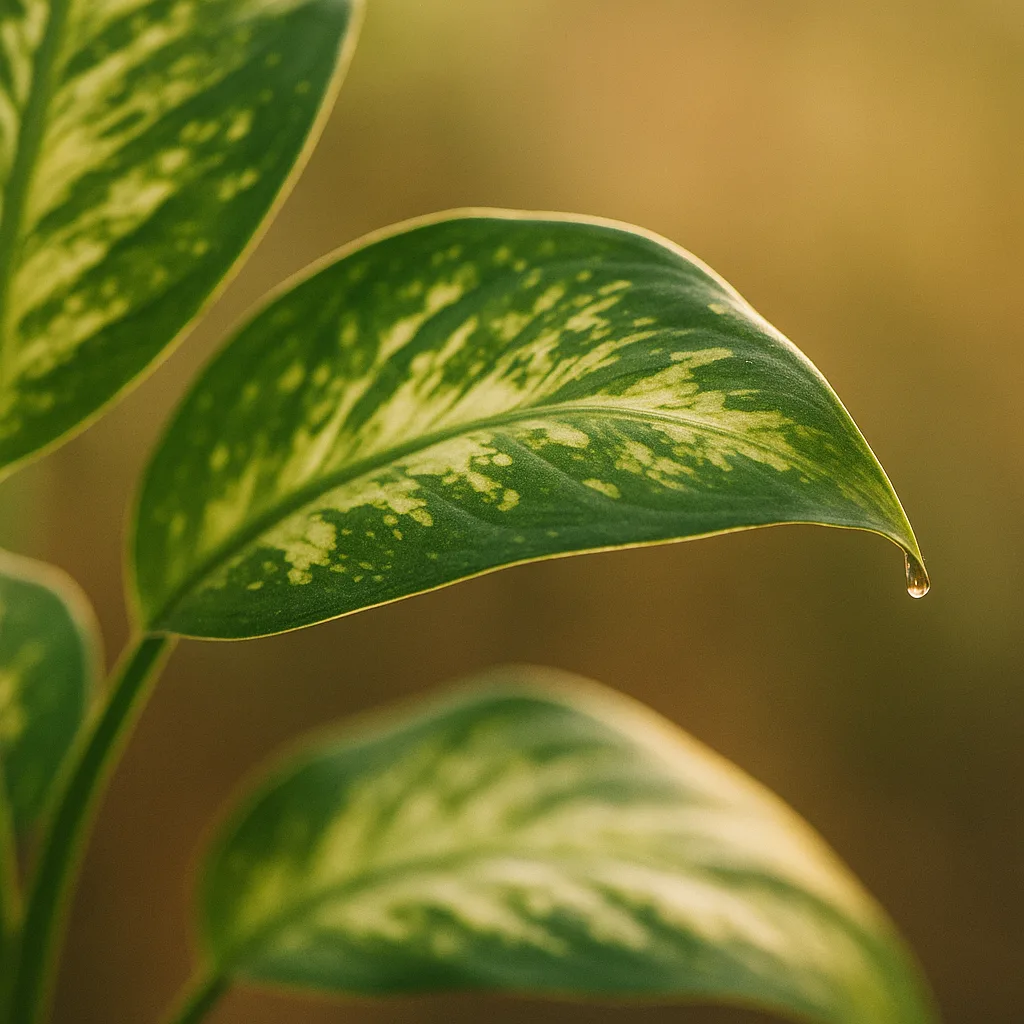
Taxonomy and common names
- Scientific family: Araceae (aroid family)
- Common names: dieffenbachia, dumb cane, leopard lily
- Typical species: Dieffenbachia seguine, D. picta, D. amoena (hybrids are common)
Typical appearance
- Leaves: large, ovate to elliptical, 15–50 cm (6–20 in) long; often variegated with cream, yellow, or pale green patches
- Stems: succulent, cane-like, green to pale brown; older stems may be 1–3 cm diameter
- Texture: glossy, leathery leaves with prominent midribs and smooth margins
- Flowers: small spadix/spathe typical of Araceae; rarely seen indoors
Why dieffenbachia is poisonous
The most important thing a curious owner wants to know when they search "dieffenbachia is poisonous" is what makes it harmful and how severe the risk is. Dieffenbachia's toxicity is well-documented and centers on needle-like calcium oxalate crystals (raphides) plus proteolytic (protein-degrading) enzymes in the sap and tissues.
Toxic components and mechanism
- Calcium oxalate raphides: microscopic, needle-shaped crystals embedded in plant cells; when chewed they physically penetrate mucous membranes causing intense pain and swelling.
- Proteolytic enzymes and other irritants: these compounds increase local inflammation and can exacerbate tissue injury.
- Combined effect: immediate burning, swelling of lips/tongue/throat, drooling, difficulty swallowing; in severe cases airway compromise may occur.
How severe is it?
- Children and pets are at greatest risk due to smaller body size and tendency to chew plants.
- Symptoms are usually acute and self-limited but can require emergency care if airway swelling or respiratory distress occurs.
- Fatalities from Dieffenbachia are extremely rare in modern clinical records; the main risk is airway obstruction rather than systemic poisoning.
Identification: How to recognize a poisonous Dieffenbachia
Knowing exactly what dieffenbachia looks like is essential for rapid response and prevention. Below are practical visual cues and measurements you can use to identify dieffenbachia in the home, garden center, or wild.
For more on this topic, see our guide on Foxglove: Poisonous Plant Facts Every Forager Needs.
Key visual cues
- Leaf pattern: large variegated leaves with irregular cream or yellow blotches centered or along the midrib. Patterns are often marbled or speckled rather than uniform.
- Leaf size and shape: leaves generally 15–50 cm long, 6–20 cm wide; shape ovate to elliptical with a pointed tip.
- Stem structure: stems form cane-like upright stalks; new growth emerges from leaf axils; old stalks are fibrous and segmented.
- Texture: thick, leathery leaves with a glossy surface; veins are visible and the midrib is often lighter-colored.
Useful measurements and field tips
- Measure leaf length and width (cm): Dieffenbachia leaves are noticeably larger than many other common houseplants.
- Check variegation pattern closely: look for a central or mid-leaf light patch surrounded by darker green margins.
- Smell and sap: crushing a small piece (use gloves) releases a faint, non-distinct odor and viscous sap; avoid direct skin contact.
- Use a plant ID tool: apps like Orvik can help confirm species by analyzing leaf shape, variegation, and vein structure from photos.
Habitat, geographic distribution, and seasonal behavior
Understanding where dieffenbachia naturally occurs and how it behaves seasonally helps explain typical exposures and best care practices for cultivated plants.
Native habitat and distribution
- Native range: tropical and subtropical regions of Central and South America and the Caribbean.
- Habitat: understory of lowland rainforests and secondary forests where it grows in dappled shade with high humidity and consistently warm temperatures.
- Global cultivation: widely grown worldwide as an indoor ornamental in temperate regions; escapes are occasionally found in tropical climates.
Seasonal behavior and indoor growth
- Growth cycle: active growth in warm, humid months; slows in cooler months when temperatures drop below ~15 °C (60 °F).
- Flowering: rarely flowers indoors; in natural conditions it produces an aroid-type inflorescence (spathe and spadix).
- Care implications: less watering and lower temperatures in winter reduce sap flow and growth, but toxicity of tissues remains year-round.
Safety, first aid, and pet risks
When the question "is a dieffenbachia plant poisonous" is asked, people want to know immediate actions to take after contact or ingestion. Below are clear, step-by-step guidelines.
You may also find our article on Lily of the Valley and Dogs: ID, Risks, Care helpful.
First aid for humans
- If plant material is in the mouth: do not induce vomiting. Rinse mouth thoroughly with water and spit out debris.
- If swallowed and the person is coughing or has difficulty breathing: seek emergency medical help immediately (call local emergency services).
- If breathing is normal but there is pain, swelling, or drooling: contact poison control and seek medical evaluation—antihistamines and pain relief may be used; airway monitoring is essential.
- If sap contacts eyes or skin: flush the area with copious water for at least 15 minutes. If eye irritation or vision changes persist, get urgent ophthalmic care.
First aid for pets
- Dogs and cats: chewing leaves leads to oral irritation, drooling, pawing at the mouth, vomiting, and difficulty swallowing. Call your veterinarian immediately.
- Bring a photo of the plant or use an ID app like Orvik to confirm the species for the vet—this helps guide treatment.
- Treatment at the clinic may include oral rinses, anti-inflammatories, and supportive care. Airway compromise will require urgent intervention.
When to call emergency services
- Any signs of breathing difficulty, stridor, or rapidly progressing swelling around the face or neck.
- Ingestion of a large amount, especially in young children or small pets.
- Eye exposure with persistent pain or visual disturbance.
Comparisons: Dieffenbachia vs. similar plants (amaryllis, angel trumpet, hyacinth, zamioculcas)
People searching about Dieffenbachia often confuse it with other common indoor or garden plants. Below are visual and toxicity contrasts to help you tell them apart quickly.
Dieffenbachia vs Zamioculcas (ZZ plant)
- Leaf structure: Dieffenbachia has single large leaves arising from a stem; Zamioculcas zamiifolia has pinnate leaves with multiple glossy leaflets on each petiole.
- Texture and shine: ZZ leaflets are very glossy and waxy; Dieffenbachia leaves are larger and slightly leathery.
- Toxicity: both are poisonous. Dieffenbachia causes immediate intense oral pain from raphides; ZZ plant contains calcium oxalate and other toxins causing irritation and gastroenteritis if ingested.
Dieffenbachia vs Amaryllis (Hippeastrum)
- Growth form: Amaryllis (Hippeastrum) is bulbous with strap-like leaves and showy tube-shaped flowers on tall scapes; Dieffenbachia is leafy, cane-like, without showy bulb flowers indoors.
- Toxicity: Amaryllis bulbs contain alkaloids (lycorine) that cause vomiting and diarrhea; less immediate oral burning than Dieffenbachia but still toxic if ingested, especially bulbs.
- Identification tip: amaryllis bulbs are obvious and the flowers are large (10–20 cm across), often red, white, or pink.
Dieffenbachia vs Hyacinth
- Growth form: Hyacinths are spring-flowering bulbs with dense flower spikes and narrow leaves; not variegated or cane-like like Dieffenbachia.
- Toxicity: hyacinth bulbs are poisonous (contain alkaloids and other irritants) and can cause gastrointestinal distress; toxicity is mostly from bulbs.
- Visual cue: hyacinth flowers are fragrant, densely packed bells; leaves are narrow and strap-like, unlike the large variegated Dieffenbachia leaves.
Dieffenbachia vs Angel's Trumpet (Brugmansia)
- Growth form and flowers: Angel's trumpet is a woody shrub or small tree producing very large, pendulous trumpet-shaped flowers 15–30 cm long—very distinct from Dieffenbachia.
- Toxicity: Brugmansia species contain tropane alkaloids (scopolamine, atropine) that cause severe systemic anticholinergic poisoning if ingested; hallucinations and life-threatening symptoms can occur.
- Touch risk: touching angel's trumpet sap may irritate skin in sensitive people, but serious poisoning requires ingestion or mucous membrane exposure. For Dieffenbachia, mechanical injury from raphides causes immediate local pain even without deep ingestion.
- Key difference: Angel's trumpet is far more dangerous systemically when ingested; Dieffenbachia is intensely irritating locally and can threaten the airway.
Preventing accidents: care, handling, and disposal
Prevention is the most effective safety strategy. Below are practical steps for plant owners, growers, and families with pets or children.
Looking beyond this category? Check out Inside the Acai Berry: Nature’s Amazonian Purple Fruit.
Related reading: Are Cacti Poisonous? A Field Guide.
Care and placement
- Position plants out of reach: place dieffenbachia on high shelves, hanging baskets, or rooms children and pets cannot access.
- Label plants: clearly label toxic plants so caregivers and house cleaners are aware of the hazard.
- Consider alternatives: if you have small children or curious pets, choose non-toxic plants such as spider plant (Chlorophytum), Boston fern (Nephrolepis), or areca palm (Dypsis lutescens).
Handling and maintenance
- Wear gloves, long sleeves, and eye protection when pruning or repotting to avoid sap contact.
- Dispose of clippings in sealed bags to prevent pets and wildlife from nibbling on scraps.
- Clean tools and surfaces that contact sap with warm soapy water immediately.
Using Orvik and digital tools for plant identification
When you find an unfamiliar plant and worry "is dieffenbachia plant poisonous?" using a reliable identification tool speeds up correct action. Orvik is an AI-powered visual ID app that helps confirm species from photos and offers context about toxicity and care.
How to use Orvik safely
- Take clear photos of the whole plant and close-ups of leaves, stems, and any flowers—multiple angles help the AI make an accurate ID.
- Compare the Orvik result with visual traits listed above: leaf size, variegation pattern, and stem form.
- If Orvik identifies a plant as Dieffenbachia or another toxic species, follow the first-aid and prevention steps immediately.
Why digital ID helps
- Quick confirmation removes uncertainty and speeds appropriate medical or veterinary care.
- Apps like Orvik store identification history, which is useful for plant collections and caretakers keeping records.
- Visual AI reduces errors compared with guessing from memory or online photos and helps you act confidently.
Conclusion
Yes—dieffenbachia is poisonous. The plant's calcium oxalate crystals and associated enzymes cause immediate, painful irritation of the mouth and throat, and can lead to airway problems if not treated. Children and pets are especially at risk. Identification using visual cues (large variegated leaves, cane-like stems) and tools such as Orvik can confirm the plant quickly so you can take appropriate first-aid and prevention steps. With careful placement, protective handling, and awareness, you can enjoy Dieffenbachia's dramatic foliage while minimizing risk to people and animals.
Frequently Asked Questions
- Is a Dieffenbachia plant poisonous to touch?
- Skin contact with Dieffenbachia sap can cause mild irritation in some people. The primary hazard is from raphides if plant tissue is chewed or sap contacts mucous membranes. Wear gloves when handling.
- What happens if a child or pet eats Dieffenbachia?
- Ingestion causes immediate burning, swelling of lips/tongue/throat, drooling, and difficulty swallowing. Seek medical or veterinary care promptly; airway monitoring is critical.
- Is Amaryllis poisonous?
- Yes. Amaryllis (Hippeastrum) bulbs contain alkaloids such as lycorine that cause nausea, vomiting, and diarrhea if ingested, especially in children and pets.
- Is Angel's Trumpet poisonous to touch or ingest?
- Angel's trumpet (Brugmansia) contains tropane alkaloids that are highly toxic if ingested; touching the sap may cause skin irritation, but serious poisoning usually requires ingestion or mucous membrane exposure.
- Is Hyacinth poisonous?
- Hyacinth bulbs are poisonous and can cause gastrointestinal upset if swallowed. The toxin risk is mainly in the bulbs rather than foliage or flowers.
- Is Zamioculcas (ZZ plant) poisonous?
- Yes. ZZ plant contains calcium oxalate crystals and other compounds that can cause oral irritation, drooling, and vomiting if chewed by pets or children.
- How can I quickly identify if a plant is Dieffenbachia?
- Look for large variegated leaves 15–50 cm long with cream or yellow blotches, cane-like stems, and a glossy leathery texture. Use an AI ID app like Orvik for fast confirmation.
- What is the first aid if Dieffenbachia sap gets in the eyes?
- Rinse the eye with copious lukewarm water for at least 15 minutes and seek immediate medical or ophthalmic attention. Calcium oxalate crystals can injure the cornea.