
If you've ever paused with a phone in hand and asked, "what flower is that?" you're not alone. Whether you want to identify flowers from pictures for gardening, safety, study, or simple curiosity, reliable identification comes from combining clear photos, botanical knowledge, and contextual clues. This field guide-style article gives expert, practical techniques for identify flowers using pictures, with steps you can apply immediately. It also explains how AI tools like Orvik can speed verification without replacing careful observation.
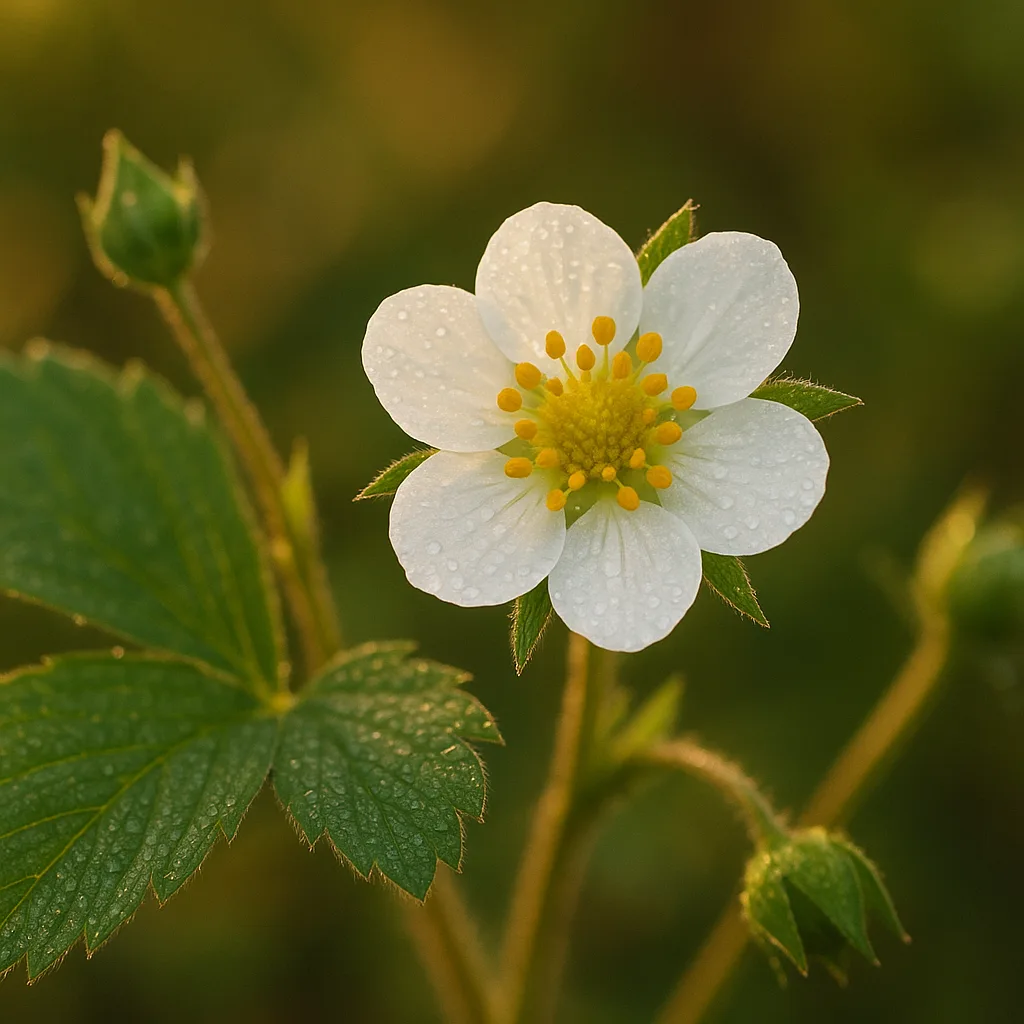
1. Why people search to identify flowers
Search queries such as "flowers identify pictures", "identify a flower by picture", or "identify flowers by photo" reflect several user intents. Most commonly people want to:
- Know the common or scientific name (nomenclature).
- Assess edibility or toxicity (safety).
- Record biodiversity for citizen science or gardening.
- Learn seasonal and habitat information for planting or foraging.
- Differentiate lookalikes that may be poisonous or invasive.
When someone googles "identify flowers" they usually expect a quick name plus enough details—size, color, leaves, season, range—to confirm the match. This article addresses those expectations and gives best-practice steps for identification from images.
2. The basics: what to photograph for best identification
High-quality photos are the foundation of accurate ID. Capture these elements when you photograph a flower for later identification or to feed into an app like Orvik.
Essential photo angles
- Close-up of the flower face (showing petal arrangement and reproductive parts).
- Side profile (shows how petals attach, shape of corolla and calyx).
- Leaves and leaf arrangement (alternate, opposite, whorled) — include a ruler or coin for scale.
- Whole plant habit (height, branching, clump vs. single stalk).
- Fruit or seedheads if present (important for late-season IDs).
Photographing tips
- Shoot in natural light—avoid harsh midday sun; early morning or late afternoon is best.
- Keep the background uncluttered to highlight details—use portrait mode sparingly.
- Include scale: a coin (~2.4 cm), a credit card (8.5 cm × 5.4 cm), or a ruler.
- Take multiple images: close-up + context + habitat.
3. Visual cues to identify flowers (color, shape, size, texture)
Botanists use several consistent visual cue categories. Pay attention to these; they often allow narrowing to genus or species.
For more on this topic, see our guide on Field Guide to Identifying Flowers with AI Tools.
Color and pattern
- Base petal color: primary (e.g., white, yellow, red, violet).
- Secondary markings: stripes, spots, nectar guides (often UV-visible to pollinators).
- Color change with age: some flowers (e.g., Lantana camara) shift color as they age.
Size and scale
- Flower diameter: tiny (<1 cm), small (1–3 cm), medium (3–7 cm), large (>7 cm). For example, common daisy (Bellis perennis) ~1–2 cm; sunflower (Helianthus annuus) heads can exceed 30 cm.
- Inflorescence type: solitary bloom, cluster, spike, raceme, umbel, capitulum (composite heads as in Asteraceae).
Shape and symmetry
- Radial (actinomorphic) symmetry: star-shaped, e.g., buttercup (Ranunculus) or hibiscus (Hibiscus rosa-sinensis) with multiple radial petals.
- Bilateral (zygomorphic) symmetry: snapdragon (Antirrhinum majus), orchid species, pea family (Fabaceae).
- Tubular, bell-shaped, trumpet-shaped, or flat; note whether petals are fused (sympetalous) or free.
Texture and surface features
- Glossy vs. velvety petals; presence of hairs (indumentum) on stems/leaves.
- Glandular or sticky surfaces (e.g., some Salvia have sticky calyces).
- Fringed or ruffled petal margins (e.g., Dianthus spp.).
4. Leaves, stems and reproductive parts: why they matter
Leaves and stems are often the most reliable diagnostic characters—sometimes the flowers alone are ambiguous.
Leaf characters
- Arrangement: alternate, opposite, or whorled — for example, maple viburnum (Viburnum acerifolium) has opposite leaves.
- Shape and margins: lanceolate, ovate, serrated, lobed (e.g., oakleaf hydrangea Hydrangea quercifolia has deeply lobed leaves).
- Size and venation: parallel veins (typical in monocots like lilies) vs. reticulate venation (dicots).
Stem and attachment
- Presence of hairs or prickles (rose hips and stems with prickles, Rubus spp.).
- Stem color or markings (poison hemlock Conium maculatum has purple blotches).
- Basal rosette vs. cauline leaves (are leaves primarily at plant base or along stem?).
Reproductive structures
- Number of stamens and pistils, exposed vs. hidden nectar guides (useful for specialists).
- Type of fruit: capsule, berry, achene (e.g., sunflower seeds are achenes), follicle.
5. Common species you can identify from photos (with examples)
Below are practical ID profiles for frequently photographed flowers. Note scientific names and key visual markers.
Common daisy (Bellis perennis)
- Size: 1–3 cm diameter; white ray florets with yellow disc center.
- Leaves: small basal rosette, spoon-shaped, 2–6 cm long.
- Habitat: lawns, meadows across temperate Europe and introduced worldwide.
Sunflower (Helianthus annuus)
- Size: flower heads commonly 10–30+ cm; ray florets yellow, disc brown to green.
- Leaves: large, rough, opposite on lower nodes then alternate; heart-shaped to ovate, 10–30 cm long.
- Habitat: cultivated, roadsides, open fields across Americas and worldwide.
Foxglove (Digitalis purpurea)
- Size: tubular, bell-shaped flowers 3–5 cm long, spotted throat; tall spike up to 2 m.
- Toxicity: contains cardiac glycosides (extremely poisonous if ingested); handle with care.
- Habitat: woodland edges, disturbed soils in Europe and naturalized elsewhere.
Queen Anne's lace (Daucus carota) vs. Poison hemlock (Conium maculatum)
- Daucus carota: central dark floret sometimes present, hairy stems, carrot-scented roots, leaves finely divided.
- Conium maculatum: smooth hollow stem with purple blotches, lacks the hairy stem, overall larger umbels and glabrous leaves.
6. X vs Y: How to tell lookalikes apart
Many identification errors come from confusing lookalikes. Below are several high-impact comparisons with concrete visual cues.
You may also find our article on Deadly Blooms: A Field Guide to Toxic Flowers helpful.
Shasta Daisy (Leucanthemum × superbum) vs. Oxeye Daisy (Leucanthemum vulgare)
- Shasta: larger heads (5–10 cm), cultivated hybrid, fewer flowers per plant but larger petals; leaves often glossy and toothed.
- Oxeye: smaller heads (2–4 cm), wildflower, many stems, more densely packed in meadows.
Aster (Symphyotrichum) vs. Chrysanthemum (Chrysanthemum spp.)
- Aster: usually late-season bloom, smaller heads (1–3 cm), ray florets narrow; native asters have a distinct central disc color.
- Chrysanthemum: often larger, fuller heads with many rowed petals; cultivated varieties show diverse forms (pompon, spider, etc.).
Bluebell (Hyacinthoides non-scripta) vs. Spanish Bluebell (Hyacinthoides hispanica)
- H. non-scripta: nodding, bell-shaped flowers on one side of a drooping stem; deep blue-violet, narrow leaves 10–30 cm long.
- H. hispanica: more open bells on all sides of erect stems, paler blue to white varieties common; broader leaves.
7. Habitat, geography and seasonality: the ecological context
Flowers don’t exist in isolation—knowing habitat, geographic range and phenology can confirm an ID.
Habitat cues
- Wetland species: cattails (Typha), marsh marigold (Caltha palustris) — stems and roots in saturated soil.
- Dry, rocky slopes: many succulents and Mediterranean shrubs with small, thick leaves (e.g., Sedum spp.).
- Forest understory: spring ephemerals like trilliums (Trillium spp.) and bluebells that bloom before canopy closure.
Geographic distribution (examples)
- Eastern North America: many asters (Symphyotrichum), trilliums, Erythronium (dog's-tooth violet).
- Mediterranean climates: Lavandula (lavender), Cistus (rockrose), many aromatic shrubs.
- Tropical regions: large, showy flowers such as Hibiscus, many orchids, and Heliconia species.
Seasonality and phenology
- Spring ephemerals bloom early (March–May in temperate zones) and die back by summer; leaves and seedheads are key for ID later.
- Summer bloomers: lilies (Lilium spp.), many Rosaceae members, and daylilies (Hemerocallis) from June to August.
- Fall-blooming species: many asters and goldenrods (Solidago spp.).
8. Safety, toxicity and legal notes
Identification isn’t just academic—errors can be dangerous. Below are commonly misidentified toxic plants and safety practices.
Looking beyond this category? Check out Goji Berries: A Field Guide to the Red Superfruit.
Common toxic species and warnings
- Oleander (Nerium oleander): all parts extremely toxic; contains cardiac glycosides — fatal if ingested by humans or animals.
- Foxglove (Digitalis purpurea): cardiac glycosides, can cause arrhythmias; avoid ingestion and contact with mucous membranes.
- Monkshood (Aconitum napellus): highly toxic alkaloids; handle with gloves, do not ingest.
- Poison hemlock (Conium maculatum): lethal if ingested; do not attempt to taste suspect plants for ID.
Safe identification practices
- Never taste unknown plants. Smelling is safer but avoid inhaling pollen if you have allergies.
- Use gloves when handling suspicious species—some toxins absorb through skin.
- If foraging for food, cross-check three independent identification features (flower, leaf, fruit) and consult local expert guides.
- Report invasive species sightings to local conservation authorities; photos with habitat context are especially useful.
9. Digital tools and best workflow: using photos and AI
AI visual-identification tools have become reliable first steps in identifying flowers from images. They accelerate the process but work best when combined with human verification.
Related reading: Field Guide to Flower Names.
Best workflow for identify flower from image
- Capture multiple high-quality photos (flower face, side, leaves, whole plant, habitat).
- Run the images through an AI tool (for example, Orvik) to obtain candidate names and confidence scores.
- Compare AI suggestions with field guides or regional floras—check three diagnostic traits (petal count/shape, leaf arrangement, habitat/season).
- When in doubt, seek corroboration from a botanist, local extension service, or verified community IDs (iNaturalist, herbarium records).
Orvik's image-first identification engine is helpful for quick suggestions and narrowing possibilities; always verify critical uses such as foraging, medicinal use, or control of invasives.
Limitations of photo-only ID
- Closely related species may require microscopic features (pollen shape, hair types) or dissection to confirm.
- Seasonal variations: botanical keys may rely on fruiting structures absent in bloom-only photos.
- Hybrid cultivars in gardens can confuse AI and field guides—cultivar names often require provenance or nursery records.
10. Practical examples: step-by-step identification case
Here is a short walkthrough showing how you would identify an unknown wildflower from a photo set.
- Photo 1 shows a 4 cm diameter white flower with 5 free petals and a yellow center; tubular base suggesting a fused calyx. Photo 2 shows alternate, lanceolate leaves with serrated margins, 6–8 cm long. Photo 3 shows habitat: roadside meadow in temperate eastern North America in June.
- AI tool (Orvik) proposes: Campanula species, Phlox paniculata, or wild geranium (Geranium maculatum). Confidence highest for Phlox based on corolla tube and petal notches.
- Check distinguishing traits: Phlox has a tubular corolla with five lobes that are fused at the base; geranium has five separate petals and characteristic palmately lobed leaves; Campanula often has bell-shaped corollas hanging or open bells.
- Conclusion: image and leaf match Phlox paniculata (garden phlox) — corroborate with habitat (often in disturbed moist soils) and flowering season (June–August).
Conclusion
Identifying flowers from photos is a skill that combines good photographic technique, attention to specific visual cues (color, size, shape, leaves), and ecological context (habitat, season, geography). Use AI tools like Orvik to narrow possibilities quickly, but always confirm identifications—especially when safety or ecological management is involved—by checking multiple traits and consulting authoritative references. With practice, your eye will become faster at spotting the diagnostic details that separate lookalikes and reveal a plant's true identity.
Frequently Asked Questions
- Can I identify any flower from a single photo?
- A single clear photo of the flower face can often give a good preliminary ID, but accurate identification usually requires images of leaves, stems, and habitat. Some species need fruit or microscopic characters for confirmation.
- What are the best phone camera practices for flower ID?
- Use natural light, include scale (coin or ruler), take close-ups and side profiles, capture leaves and the whole plant, and take multiple shots from different angles.
- Are AI tools like Orvik reliable for identifying flowers?
- AI tools are reliable for narrowing candidates and spotting common species quickly, but they can be confused by hybrids, cultivars, or damaged specimens. Always verify with field traits or an expert for critical uses.
- How can I tell poisonous lookalikes apart safely?
- Do not taste or handle unknown plants. Compare stem features (spots, hairs), leaf arrangement, smell, and seed/fruit structure. If in doubt, consult a regional guide or local extension service.
- Which plant parts are most diagnostic for identification?
- Reproductive parts (flowers, fruit, seeds), leaf arrangement and morphology, and stem characteristics are most diagnostic. Combining these increases confidence in an ID.
- Can seasonal timing help narrow identifications?
- Yes. Knowing whether a plant blooms in spring, summer, or fall and matching that to your sighting greatly reduces possible species—phenology is a powerful filter.
- What should I do if an app gives multiple possible matches?
- Compare each suggestion against three key traits (flower structure, leaf type, habitat). Use reliable floras or expert communities to confirm the best match.