
Quick answer: Is a bleeding heart plant poisonous?
Short answer: Yes—bleeding heart plants (most commonly Lamprocapnos spectabilis, formerly Dicentra spectabilis, and related Dicentra species) contain toxic alkaloids and compounds that can cause gastrointestinal upset, dizziness, and sometimes skin irritation. Poisoning is usually mild with small accidental exposures, but deliberate ingestion or large amounts can be more serious.
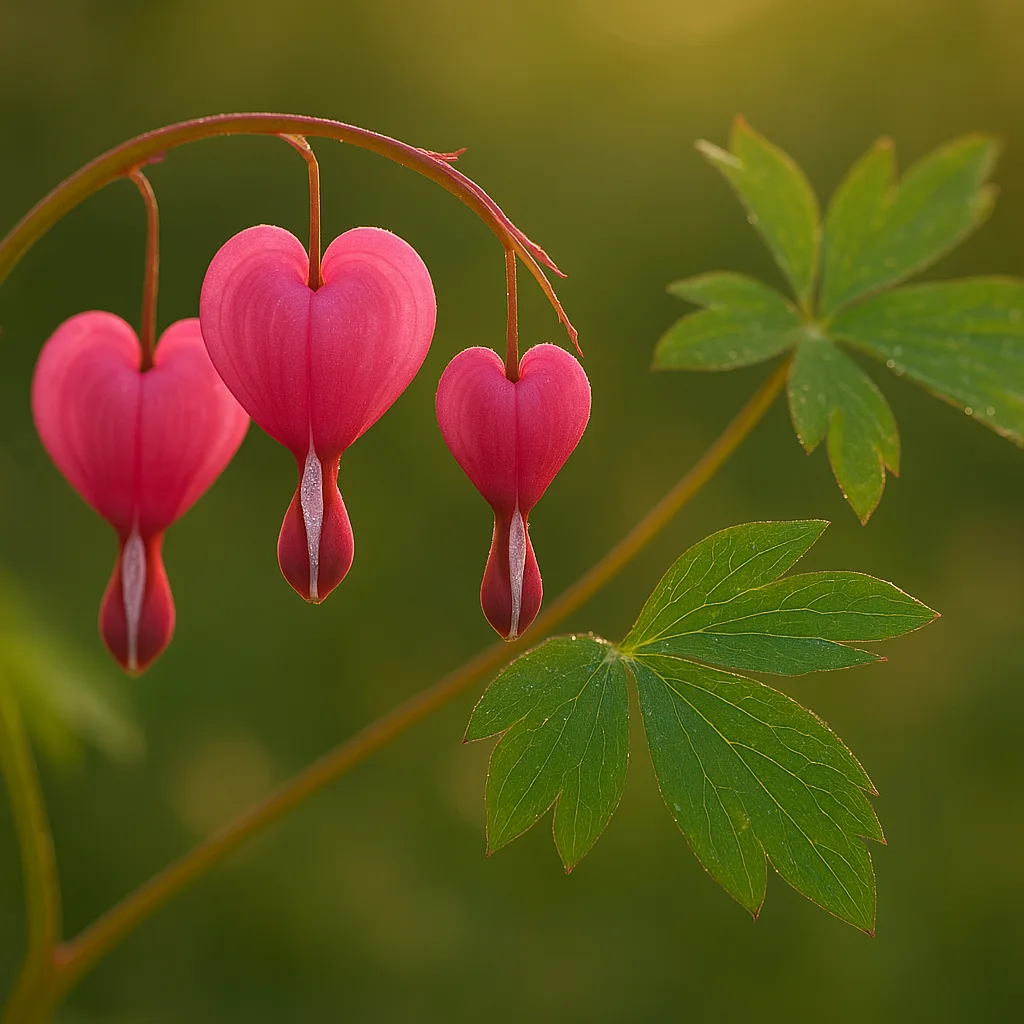
- Common names: bleeding heart, lady-in-a-bath, Dutchman’s breeches (for some Dicentra species)
- Scientific names: Lamprocapnos spectabilis, Dicentra formosa, Dicentra eximia
- Typical garden height: 60–90 cm (24–36 in)
- Bloom time: spring to early summer (usually April–June in temperate zones)
The science: what makes bleeding heart plants toxic
Bleeding heart plants belong to a group historically placed in the Fumariaceae and now often treated within Papaveraceae. The plants contain various alkaloids and related compounds—bitter-tasting molecules that interfere with digestion and can affect the nervous system in higher doses. Exact chemical profiles vary by species and cultivar, but the toxicological class is generally described as isoquinoline and other alkaloid derivatives.
What these compounds do
- Cause gastrointestinal irritation: nausea, vomiting, abdominal pain, diarrhea
- Cause dizziness or lightheadedness at moderate doses
- Potentially provoke contact dermatitis from the sap in sensitive people
There are few reported fatalities from bleeding heart ingestion in humans because the plants taste unpleasant and are not commonly consumed as food. Nevertheless, any deliberate ingestion or ingestion by small children or animals should be treated seriously.
Identification: how to recognize a bleeding heart plant
Being able to identify a plant quickly helps assess risk. Here are specific, field-ready visual cues.
Overall form and size
- Growth habit: herbaceous perennial with clumping, arching stems
- Height: typically 60–90 cm (24–36 in) when flowering; foliage often remains lower
- Spread: each clump can spread 30–60 cm (12–24 in) across
Leaves
- Compound, fern-like leaves: pinnate to bipinnate with rounded or toothed leaflets
- Leaflet size: usually 2–6 cm (0.8–2.4 in) across
- Texture: soft, smooth, slightly glaucous (matte green with a faint bluish tint) in many cultivars
Flowers (most diagnostic)
- Distinctive pendulous, heart-shaped flowers on arching stalks
- Flower size: about 2–3 cm (0.8–1.2 in) across for the outer heart-shaped petal; overall bloom length may be 3–4 cm
- Colors: classic pink outer “heart” with a white inner teardrop; white, red, or bi-colored cultivars exist
- Arrangement: racemes of 5–15 flowers per stem
Seasonality and habitat
- Bloom season: spring to early summer (zones dependent—often April to June)
- Light preferences: partial to full shade; prefers cool, moist, well-drained soil
- Hardiness: Lamprocapnos spectabilis is typically hardy USDA zones 3–9; Dicentra formosa tolerates milder climates
- Native range: species originate from eastern Asia (Japan, Korea, China, Siberia) or western North America (some Dicentra spp.)
Using a visual ID tool like Orvik—take a close photo of leaves and the distinctive heart-shaped flowers—can speed identification and reduce uncertainty before handling.
For more on this topic, see our guide on Milkweed and Toxicity: What You Need to Know.
Symptoms and risks to humans and pets
Readers searching "is a bleeding heart plant poisonous" often want to know: how bad is it if someone (or a pet) eats some, or if they touch the sap? Below is a practical, evidence-based breakdown.
Typical symptoms after ingestion
- Mild exposure: burning or numbness in the mouth, drooling, nausea, abdominal cramping, vomiting, diarrhea
- Moderate exposure: increased dizziness, headache, confusion, significant vomiting and dehydration
- Severe exposure (rare): pronounced neurological signs—dizziness, fainting—or protracted vomiting requiring medical supportive care
Dermal exposure
- Handling the plant may cause skin redness or an itchy rash in sensitive individuals
- Symptoms: localized contact dermatitis, sometimes exacerbated by broken skin
Pets and livestock
- Dogs and cats: likely signs include drooling, vomiting, diarrhea, lethargy; small animals like rabbits may be more sensitive
- Horses and cattle: usually avoid the plant, but ingestion can cause similar gastrointestinal and nervous signs; quantity matters
If ingestion is suspected, remove any remaining plant material, rinse the mouth with water, and call poison control (US: 1-800-222-1222) or your local emergency number. For pets, contact your veterinarian or an animal poison hotline immediately. Taking a photo using Orvik and showing it to the clinician can be very helpful for rapid identification.
Safety and handling: practical gardening tips
Bleeding heart is an attractive garden plant—here are realistic steps to enjoy it while reducing risk.
- Wear gloves when cutting back foliage or dividing clumps. The sap can irritate sensitive skin.
- Wash hands thoroughly after handling, especially before eating or touching your face.
- Locate plants away from high-traffic child play areas or pet feeding zones.
- Label plants clearly in mixed beds so visitors know not to consume parts of the plant.
- Remove fallen seeds or decaying foliage promptly to reduce accidental ingestion by pets.
When disposing of trimmings, bag and place in green waste if your municipality accepts plant debris. Avoid composting large quantities in an area accessible to pets or children until thoroughly broken down.
You may also find our article on Mistletoe: What to Know About Its Toxicity helpful.
Comparison: bleeding heart vs other commonly confused poisonous ornamentals
People often search related queries like "is an elephant ear plant poisonous" or "is lantana plant poisonous." Below are side-by-side comparisons to help you tell these plants apart and understand relative risks.
Bleeding heart vs Elephant ear (Colocasia, Alocasia)
- Appearance: Elephant ears have very large (20–90 cm/8–35 in) arrow-shaped leaves, typically a single large blade per petiole vs the finely divided leaves and pendant heart-shaped flowers of bleeding heart.
- Toxicity: Elephant ear (Colocasia/Alocasia) contains calcium oxalate crystals that cause immediate intense oral and throat pain, swelling, and drooling. Symptoms are usually acute and dramatic but rarely fatal.
- How to tell apart: Size and leaf shape are the quickest cues—elephant ear leaves are huge, entire blades; bleeding heart has smaller, compound, ferny foliage.
Bleeding heart vs Lantana (Lantana camara)
- Appearance: Lantana is a woody shrub or subshrub with clusters ( umbels ) of small, tubular flowers in multicolored clusters (red, orange, yellow, pink). Leaves are rough, opposite, and ovate.
- Toxicity: Lantana contains pentacyclic triterpenoids; in livestock and some sensitive species, it causes liver damage and photosensitization. In humans, ingestion can cause vomiting and weakness; birds often tolerate the berries.
- How to tell apart: Flower form is distinct: bleeding heart has large pendant heart-shaped flowers on arching stems; lantana has tight clusters of small tubular flowers.
Bleeding heart vs Angel trumpet (Brugmansia)
- Appearance: Angel trumpet shrubs/tree-like plants with huge, pendulous, trumpet-shaped flowers 20–40 cm (8–16 in) long, usually solitary per stem; foliage is large and simple.
- Toxicity: Angel trumpet contains potent tropane alkaloids (atropine, scopolamine, hyoscyamine). Even small amounts can produce severe anticholinergic poisoning—hallucinations, rapid heart rate, dilated pupils, dry mouth, seizures—and can be life-threatening.
- How to tell apart: Flower shape and size; angel trumpet flowers are long trumpets, bleeding heart flowers are small heart-shaped pendants.
Bleeding heart vs Trumpet vine / Trumpet creeper (Campsis radicans)
- Appearance: Trumpet vine is a vigorous woody climber with clusters of narrow, tubular orange to red trumpet-shaped flowers 5–7 cm (2–3 in) long.
- Toxicity: Trumpet vine is not considered highly toxic, but can cause dermatitis in sensitive people and mild GI upset if ingested.
- How to tell apart: Growth habit (woody vine vs herbaceous perennial) and flower morphology are diagnostic.
Bleeding heart vs ZZ plant (Zamioculcas zamiifolia)
- Appearance: ZZ plant is an indoor houseplant with glossy, pinnate leaves on thick succulent stems. No showy flowers; overall succulent texture and waxy leaf surface.
- Toxicity: ZZ contains calcium oxalate crystals and is considered toxic to humans and pets if ingested (mouth/throat irritation, vomiting).
- How to tell apart: Texture and context: ZZ has thick, shiny leaves and is commonly potted indoors; bleeding heart is herbaceous and produces distinctive heart-shaped flowers in spring.
These comparisons show that many garden ornamentals are toxic to varying degrees. Bleeding heart is generally less acutely dangerous than angel trumpet but can still cause significant discomfort and illness in people and animals.
When to get medical or veterinary help
Not every nibble requires emergency care, but use the following practical guide.
You might also be interested in How to Identify Any Rock in the Field.
- Seek immediate medical attention if you observe: seizures, difficulty breathing, loss of consciousness, severe or persistent vomiting, signs of dehydration, or severe confusion.
- Call poison control (US: 1-800-222-1222) for guidance on human exposures.
- For pets, call your veterinarian or an emergency veterinary helpline. Note the animal’s size, number of chewed leaves, and time since ingestion.
- Bring a sample or clear photographs—Orvik can generate an ID from photos that you can show to professionals, which speeds diagnosis and treatment recommendations.
If symptoms are mild (brief mouth irritation or small amounts chewed), monitor closely for 24 hours and contact a clinician if symptoms worsen.
Related reading: Oleander Poisoning: What You Need to Know.
Practical identification workflow using Orvik
When you find an unknown plant in your yard or when a child/pet has been exposed, speed matters. Orvik can help:
- Photograph distinctive features: whole plant, leaves (close-up of leaflet), flowers (side and frontal views), and stem.
- Upload to Orvik for a photographic ID—include notes about location (shade/sun), soil moisture, and time of year.
- Share the Orvik identification result with your clinician or veterinarian—this reduces time spent guessing and leads to faster, targeted treatment.
Orvik's visual ID can be especially useful when you only have a fragment of the plant: even a single flower or leaflet often provides enough visual cues for a reliable match to Lamprocapnos or other taxa.
Conclusion
Is a bleeding heart plant poisonous? Yes—bleeding heart plants contain alkaloids that can cause gastrointestinal upset, dizziness, and sometimes skin irritation. They are rarely fatal, but caution is wise: keep plants out of reach of children and pets, wear gloves when handling, and seek help if ingestion leads to worrying symptoms. For rapid identification and peace of mind, use tools like Orvik to photograph the plant and share the result with healthcare or veterinary professionals.
Frequently Asked Questions
- How poisonous is a bleeding heart plant to children?
- Small accidental tastes usually cause mild mouth irritation, nausea, or vomiting. Larger ingestions can lead to more severe GI symptoms and dizziness. Call Poison Control (US: 1-800-222-1222) for guidance.
- Can bleeding heart kill a pet?
- While fatalities are uncommon, ingestion by small animals or large amounts by dogs or livestock can cause significant illness. Contact your veterinarian promptly.
- Does bleeding heart cause skin blisters or rashes?
- The sap can cause contact dermatitis in sensitive people—redness, itching, or blistering in rare cases. Wearing gloves prevents most reactions.
- Are all Dicentra species equally toxic?
- Toxicity varies by species and concentration of alkaloids, but all Dicentra/Lamprocapnos species are considered potentially toxic and should be treated with the same precautions.
- How can I tell a bleeding heart from a non-toxic garden plant?
- Look for the signature heart-shaped pendant flowers and finely divided leaves. When in doubt, photograph the plant and use Orvik to confirm the species.
- Will cooking or drying remove the toxins?
- Do not attempt to eat or process bleeding heart—cooking or drying is not a safe way to neutralize alkaloids. Treat the plant as inedible.
- What should I bring to the ER or vet if someone ate part of the plant?
- Bring a sample of the plant or a clear photo, note the time and amount ingested, and share any ID from Orvik. This information helps clinicians choose appropriate supportive care.
- Is bleeding heart invasive or likely to spread in my garden?
- Bleeding heart spreads slowly by rhizomes and seed in favorable conditions. It is not typically invasive like some ornamentals but can naturalize in shaded, moist beds.