
Overview: Is a chinaberry tree poisonous?
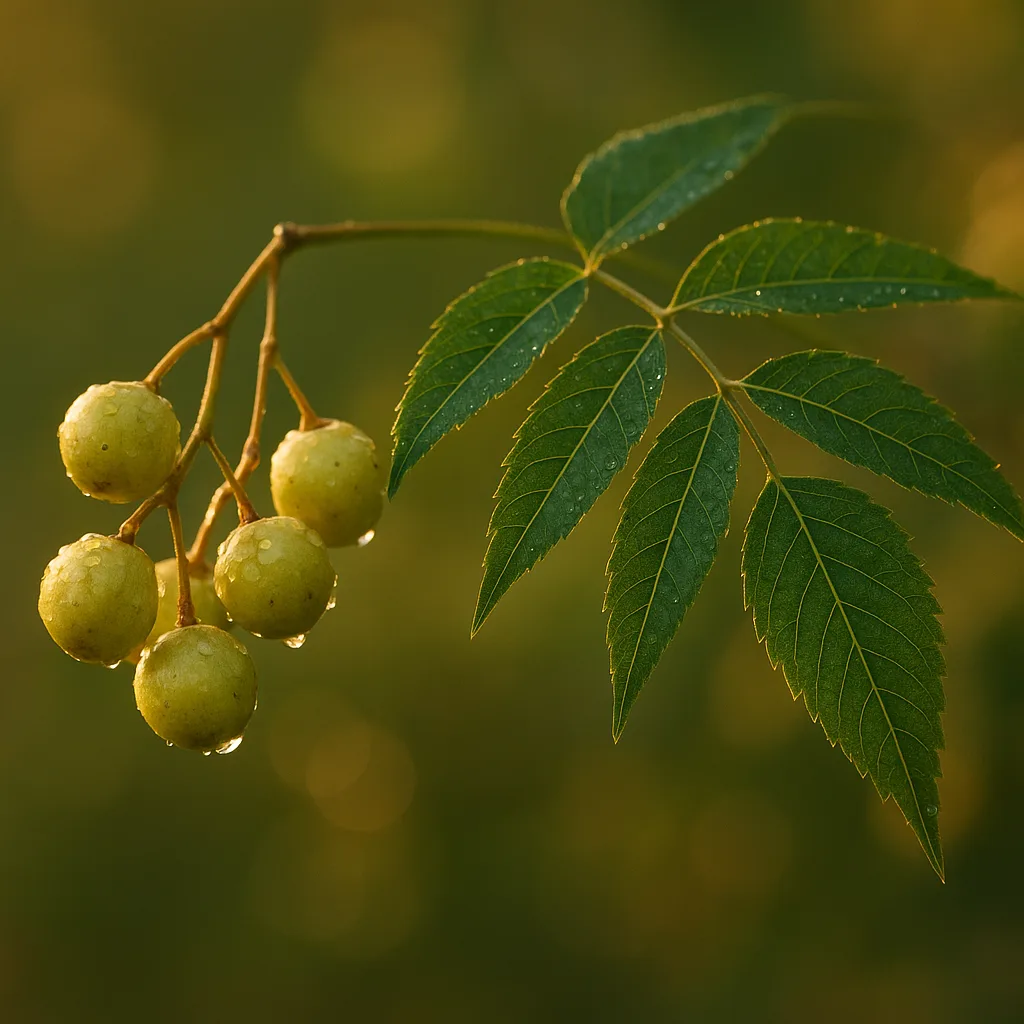
The short answer: YesMelia azedarach, family Meliaceae) contains compounds that are toxic to humans, pets and livestock. Fruits (berries), leaves and seeds contain tetranortriterpenoid compounds—often called meliatoxins—that can cause gastrointestinal and neurological symptoms when swallowed. Severity ranges from mild stomach upset to serious neurological signs, depending on dose and the size of the person or animal exposed.
What people searching this question really want to know
- How dangerous are chinaberry berries and leaves to children and pets?
- How to identify a chinaberry tree quickly in the yard?
- How does chinaberry toxicity compare to other common poisonous plants (yew, barberry, burning bush)?
- What immediate safety steps should be taken if someone or a pet ingests parts of the tree?
Throughout this article you will find identification tips, habitat and seasonal notes, comparisons to other garden plants, and practical safety advice. If you use an identification app like Orvik, photograph the leaves and fruit to confirm whether the tree on your property is indeed chinaberry.
Identification: How to recognize a chinaberry tree
Accurate identification matters because many garden trees have look‑alike fruits. Use a combination of traits—leaf structure, flower and fruit appearance, bark texture and tree size—to confirm Melia azedarach.
Key visual characteristics
- Leaves: Pinnate (compound) leaves 20–50 cm (8–20 in) long with 5–17 lanceolate to oblong leaflets; each leaflet 3–8 cm (1.2–3 in) long, margins often serrated or wavy, color medium green. Leaves alternate along the stem.
- Flowers: Fragrant, pale lilac to white flowers with purple spots about 1 cm across, produced in terminal panicles in spring (often April–May in temperate climates).
- Fruit (berries): Round, fleshy drupes 8–12 mm (about 0.3–0.5 in) in diameter, ripening from pale yellow to bright orange; often persistent in clusters into fall and winter.
- Size and form: Small to medium deciduous tree typically 6–12 m (20–40 ft) tall in cultivation, occasionally taller in native ranges; crown irregular and open.
- Bark: Grayish, smooth in young trees becoming rough and fissured with age.
Quick field checks (fast ID)
- Look for compound leaves (multiple leaflets on a single stem)—that rules out many single‑leaf species.
- Observe spring clusters of lilac or white spotted flowers—this flowering habit is diagnostic.
- In late summer/fall check for yellow/orange round berries in clusters—berries are a common reason people ask about toxicity.
- Use Orvik or a similar plant ID tool: take close photos of a leaflet (front and back), the flower cluster, and the fruit cluster to get a reliable match.
Chemistry and mechanisms: What makes chinaberry toxic?
The toxic constituents of chinaberry are primarily tetranortriterpenoids—a class of complex limonoid compounds often referred to generally as meliatoxins or azedarachins in older literature. These compounds affect the gastrointestinal tract and the nervous system.
How the toxins act
- Gastrointestinal irritants: ingestion commonly causes vomiting, diarrhea and abdominal pain.
- Neurotoxic effects: high doses or small-body victims (children, small dogs, livestock like goats) can develop ataxia, drowsiness, tremors, seizures and in severe cases respiratory depression.
- Species variability: sensitivity varies—ruminants, horses and small pets may be more or less susceptible depending on dose and part ingested (berries are often the most palatable and thus most commonly implicated).
Because the chemistry of plant toxins can be complex and research literature uses several compound names, gardeners and pet owners should treat all parts of the plant as potentially hazardous.
Risk assessment: Humans, children, pets and livestock
Risk depends on the amount ingested and the size/age of the victim. Small children and pets are at higher risk because less material is required to produce significant symptoms.
For more on this topic, see our guide on Virginia Creeper: Safety, ID & Toxicity.
Practical risk scenarios
- Children: The attractive, colorful berries may be picked and eaten. Even a small handful can cause vomiting and drowsiness; larger intakes increase risk of neurological effects.
- Dogs and cats: Dogs are commonly affected—eating a cluster of berries can lead to gastrointestinal upset and lethargy; smaller dogs are more vulnerable. Cats may be less likely to eat fruit but can be poisoned by chewing leaves.
- Livestock: Horses, goats and cattle have been reported to become ill after consuming foliage or fruit; quantities required vary by species and body weight.
Safety note: If ingestion is suspected, do not wait for severe symptoms. Contact local poison control (in the U.S. call 1‑800‑222‑1222) or a veterinarian promptly for guidance. Keep a sample or a photo of the plant to help responders—an app like Orvik can produce an ID that speeds triage.
Comparison: Chinaberry vs. other poisonous garden plants
People searching for “is a chinaberry tree poisonous” often also encounter or confuse other common ornamental shrubs and trees. Below are clear, practical comparisons to help you tell plants apart and understand relative danger.
Chinaberry (Melia azedarach) vs English yew (Taxus baccata)
- Appearance: Chinaberry—compound leaves, clusters of yellow/orange berries. English yew—flat, single needles 2–3 cm long, and red fleshy arils surrounding the seed in late autumn.
- Toxicity: Both are poisonous. Taxus contains taxine alkaloids that are acutely cardiotoxic; ingestion of small amounts of yew foliage can cause sudden cardiac arrest. Chinaberry toxins are gastro‑ and neurotoxic; fatalities are less common but possible with sufficient dose.
- Which is more immediately dangerous? English yew poses a higher immediate cardiac risk—treatment is urgent. Chinaberry often causes vomiting first, then neurologic signs with larger doses.
Chinaberry vs Barberry (Berberis spp.)
- Appearance: Barberry shrubs have simple, small oblong leaves, often spines on stems, and elongated red berries (aggregates) rather than round drupes. Chinaberry is a small tree with compound leaves and round yellow/orange fruit.
- Toxicity: Barberry contains berberine and related alkaloids. The berries are tart and used culinarily in some cultures; toxicity is generally low unless large amounts of bark/roots are consumed, and pregnant women are advised to avoid concentrated extracts. Chinaberry is generally more hazardous, especially its berries and seeds.
Chinaberry vs Burning bush (Euonymus alatus and Euonymus spp.)
- Appearance: Burning bush is a deciduous shrub with simple opposite leaves and distinctive corky “wings” on older stems (Euonymus alatus). It produces capsule-style fruits that split to reveal orange seeds in fall. Chinaberry lacks corky wings, has compound leaves and round berries.
- Toxicity: Euonymus fruits and seeds are considered toxic; ingestion can cause nausea, vomiting and in severe cases cardiac or neurological effects. Both plants are therefore best treated as hazardous to children and pets.
Habitat, geographic range and seasonal behavior
Melia azedarach is native to South and Southeast Asia and northern Australia. It has been widely introduced and naturalized in warm temperate and subtropical regions worldwide.
You may also find our article on Wisteria: Toxicity, ID, and Safe Handling helpful.
Distribution and habitat preferences
- Native range: India, China, Indonesia, and northern Australia.
- Introduced and naturalized: Southern United States (Texas, Florida, California, southeastern states), Mediterranean climates, South Africa, parts of South America.
- Habitat: Disturbed sites, roadsides, riparian edges, urban landscapes, and open woodlands. Tolerates a range of soils but prefers well-drained sites and full sun to partial shade.
Seasonal timeline
- Spring: Flowering—panicles of fragrant lilac/white blooms attract bees and insects.
- Summer: Fruit sets and ripens; green berries turn yellow and then orange.
- Fall/Winter: Fruit often persists in clusters; birds may disperse seeds. Leaves are deciduous and fall in winter in temperate zones.
Because berries often persist into cooler months, the risk to curious children and pets can extend beyond summer.
Management and safe removal: Practical steps for homeowners
If you have a chinaberry tree in a yard with small children or pets, consider management options that reduce risk while complying with local regulations (in some places chinaberry is considered invasive and regulated).
Choices and procedures
- Leave in place but manage: Regularly remove fruit as it ripens (rake and dispose of clusters), and prune lower branches to reduce access for children and pets.
- Containment: Install fencing or barriers to keep small children and pets away from the tree if fruiting is heavy.
- Removal: For full removal, hire a certified arborist: tree removal reduces long-term seed dispersal and removes a recurring hazard. Use professional services for large trees to avoid safety risks.
- Disposal: Do not compost berries or cuttings where seeds can survive—bag them and dispose according to local green‑waste rules, or burn if local law allows. Wear gloves when handling fresh cuttings to avoid skin irritation and accidental ingestion.
When pruning or removing a chinaberry, wear gloves and eye protection. Keep children and pets away during cleanup. If you are unsure whether the tree on your property is chinaberry, use Orvik to confirm identity before taking action—Orvik’s visual ID can speed decisions about removal and disposal.
Safety and first steps if ingestion occurs
This section provides general safety guidance—do not substitute it for professional medical or veterinary advice.
Looking beyond this category? Check out Mastering Coin Identification: A Field Guide.
Immediate actions
- If you suspect someone has swallowed berries or leaves, remove any remaining material from the mouth.
- Keep the person calm and sitting upright; do not induce vomiting unless instructed by a poison control center or clinician.
- For pets, note exactly what part of the plant and roughly how much was consumed; take a photo or save a sample of the berry/leaf to help the veterinarian identify the plant.
- Contact your local poison control (in the U.S. call 1‑800‑222‑1222) or an animal poison hotline/veterinarian. Have age/weight information ready and, if possible, identify the plant (a quick Orvik ID helps when callers are unsure).
Seek emergency care if the person or animal shows severe symptoms: persistent vomiting, seizures, erratic breathing, collapse or sustained unresponsiveness.
Related reading: Mistletoe: What to Know About Its Toxicity.
Using plant ID tools and apps (like Orvik) effectively
Modern visual ID tools can be very helpful when you need to know whether a tree is chinaberry quickly. Orvik is one such AI-powered app that uses photographs of leaves, flowers and fruit to produce likely matches and reference information.
How to get the best results with an ID app
- Photograph multiple features: a close-up of a single leaflet (front and back), a shot of the entire compound leaf, the flower panicle if present, and a close-up of a fruit cluster.
- Take pictures in good light (diffused daylight minimizes glare). Include a common object (coin, ruler) for scale if possible.
- Use Orvik or a similar app to cross‑check results; compare the app’s suggestions to authoritative field guides or local extension services, especially when managing a toxic plant.
Orvik can be particularly useful for distinguishing chinaberry from look‑alike plants with simple leaves by pointing out the compound leaf structure and characteristic fruit clusters.
Conclusion
In summary, a chinaberry tree (Melia azedarach) is poisonous: its berries, seeds and leaves contain tetranortriterpenoid compounds that can cause gastrointestinal and neurological signs in humans and animals. The severity depends on dose and the size of the victim. Identification is straightforward when you look for compound leaves, lilac‑spotted flowers and yellow/orange round berries. For safety, remove fallen fruit, supervise children and pets, and consider removal if the tree poses a recurring hazard. Use tools like Orvik to confirm identification quickly and contact poison control or a veterinarian immediately if ingestion is suspected.
Frequently Asked Questions
- Is a chinaberry tree poisonous to dogs?
- Yes. Dogs that eat chinaberry berries or leaves can develop vomiting, diarrhea and lethargy; smaller dogs are at greater risk. Contact your veterinarian promptly if ingestion is suspected.
- How poisonous is yew compared to chinaberry?
- Yews (Taxus spp., including English yew) contain taxine alkaloids that are acutely cardiotoxic and can cause sudden death even in small doses. Chinaberry causes gastrointestinal and neurologic symptoms; both are dangerous but yew is often more rapidly life‑threatening.
- Is barberry poisonous?
- Barberry (Berberis spp.) contains berberine; its berries are tart and used in food in some cultures and are not highly toxic in small amounts. However, concentrated extracts (root/bark) can be toxic and are not recommended in pregnancy.
- Is burning bush toxic?
- Yes. Euonymus (burning bush) fruits and seeds are considered toxic and can cause nausea, vomiting and other symptoms if ingested, especially by children and pets.
- Can chinaberry poisoning be fatal?
- Fatalities are uncommon but have been reported, particularly in small children and livestock after consuming large quantities. Seek medical or veterinary care if significant ingestion or severe symptoms occur.
- Which parts of the chinaberry tree are poisonous?
- Berries, seeds, leaves and bark contain toxic tetranortriterpenoids (meliatoxins). Berries are often implicated due to their palatability and bright color.
- How can I tell a chinaberry from similar plants?
- Chinaberry has pinnate compound leaves (5–17 leaflets), fragrant lilac‑spotted flower clusters in spring, and round yellow/orange berries 8–12 mm in diameter. Use multiple features and a plant ID app like Orvik for confirmation.