
Quick answer: Is a Dracaena plant poisonous to cats?
Short answer: yes. Many commonly kept Dracaena species (often sold as dragon trees or corn plants) are considered toxic to cats. Ingestion of leaves or stems can cause gastrointestinal and neurologic signs. If you search "is a dracaena plant poisonous to cats," you’re likely trying to know how dangerous it is, how to recognize the plant, and what to do if your cat chews a leaf. This guide gives field-tested identification tips, symptom timelines, prevention strategies and first-aid steps.
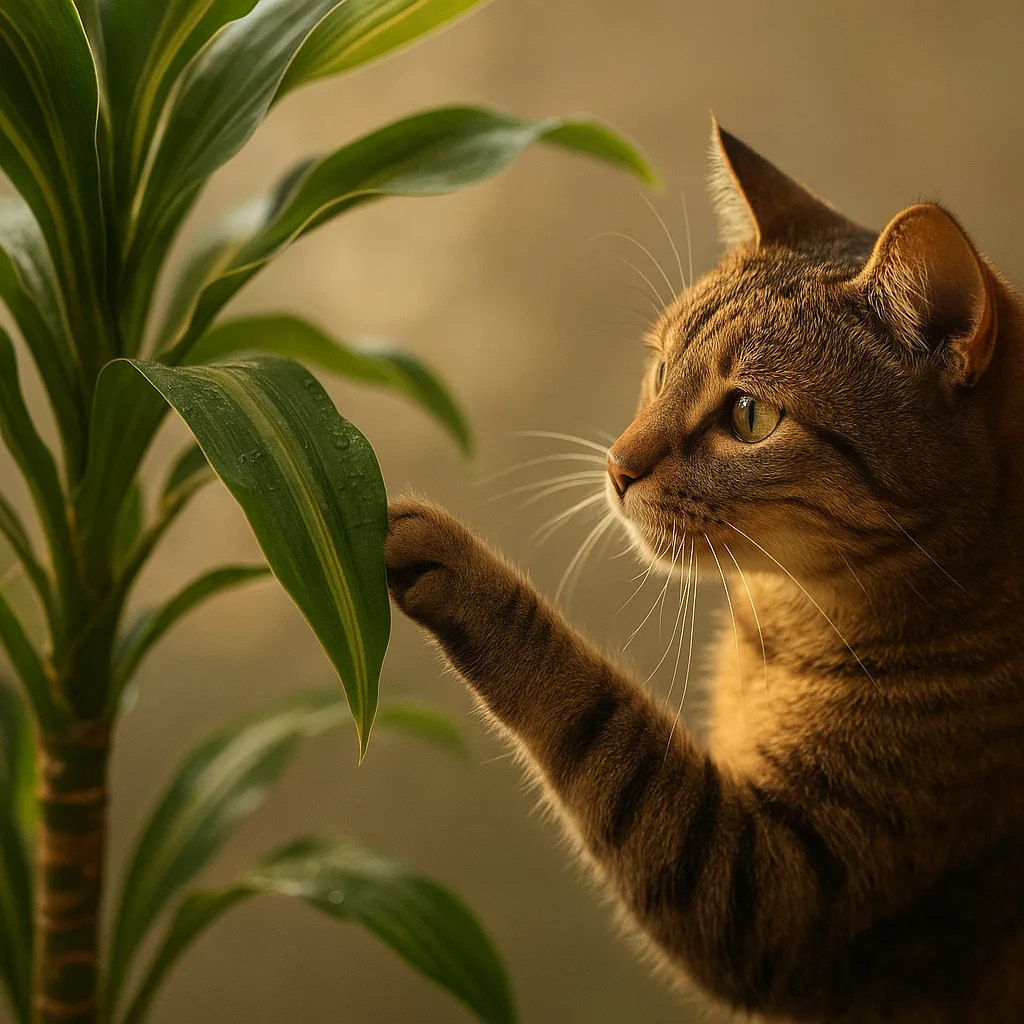
- Main risk: gastrointestinal distress (vomiting, drooling) and sometimes more severe signs.
- Common species in homes: Dracaena marginata, D. fragrans, D. deremensis — all reported as toxic to cats.
- If your cat nibbles a dracaena, call your veterinarian or an animal poison control line promptly.
Why Dracaena is toxic: the science and common symptoms
Understanding why dracaena harms cats helps you decide how urgently to act. The plants contain steroidal saponins (a class of glycosides) and other compounds that irritate the mouth and digestive tract and can affect cardiac and neurologic systems in sensitive animals.
Toxic compounds and mechanism
- Primary compounds: steroidal saponins and related glycosides — these cause mucous membrane irritation and gastrointestinal upset.
- Route: toxicity follows oral ingestion of leaves, stems, or sap; even small chews may cause symptoms.
- Species variation: concentration varies among Dracaena species and cultivars; younger leaves and inner shoots can be higher in sap content.
Typical symptoms and timeline
Signs tend to appear within minutes to a few hours after ingestion and can last from hours to days depending on amount eaten and veterinary intervention.
- Immediate to 2 hours: drooling (ptyalism), pawing at mouth, oral irritation, small amounts of blood-tinged saliva.
- 1–6 hours: vomiting (often repeated), retching, anorexia (refusal to eat), abdominal pain.
- Up to 24 hours: lethargy, weakness, dilated pupils, incoordination (ataxia), increased respiration or heart rate in severe cases.
- Rare/Severe: dehydration from prolonged vomiting, electrolyte imbalance; neurologic signs usually resolve with treatment but can be serious if delayed.
Identifying Dracaena: visual ID and common species
People asking "is the dracaena plant poisonous to cats" often need to know whether the plant at home or a friend’s house is actually a Dracaena. Visual identification helps you assess risk quickly. Use clear visual cues and, if needed, an identification app such as Orvik to confirm species.
Key visual cues
- Growth form: cane-like, woody stems with rosettes of long, strap-shaped leaves arising from the top of vertical stems.
- Leaves: typically 20–60 cm (8–24 in) long; margins can be smooth or colored (red, cream, yellow); texture is leathery to glossy.
- Height: indoor specimens commonly 0.5–3 m (1.5–10 ft) tall depending on species, pot size and pruning.
- Flowers: small, tubular white to greenish flowers on branched clusters; many houseplants rarely bloom indoors.
Common species and how to tell them apart
- Dracaena marginata (Madagascar dragon tree): thin, arching leaves 30–40 cm long and 1–2 cm wide, often edged or striped with red, pink or cream. Stems are slender; multiple stems often braided in cultivated plants.
- Dracaena fragrans (corn plant): broader leaves 20–50 cm long and 2–6 cm wide, usually green with a yellow or cream midstripe in the variegated cultivar 'Massangeana'. Outdoor specimens can reach 4–6 m tall; indoors typically 1.5–3 m.
- Dracaena deremensis: similar to D. fragrans but typically narrower leaves and distinct variegation patterns (e.g., 'Janet Craig', 'Warneckei').
If you aren’t certain, photograph the whole plant, a close-up of the leaf margin and the stem, and use Orvik to confirm species — apps can speed identification and reduce risk.
For more on this topic, see our guide on Pothos and Dogs: What Every Owner Should Know.
Habitat, geographic distribution and seasonal behavior
Dracaena species are native to tropical and subtropical regions and have been widely cultivated as indoor and landscape plants. Knowing their natural habitat explains why they thrive in homes and how they behave seasonally.
- Native range: Africa (including Madagascar), southern Asia and parts of the Canary Islands and Macaronesia for different species.
- Global cultivation: grown worldwide as indoor houseplants and in warm climates as landscape specimens (USDA zones roughly 10–12 outdoors).
- Light and seasonality: prefer bright, indirect light; growth slows in winter under shorter photoperiods and cooler temps (optimal 18–24°C / 65–75°F).
- Water: moderate water needs — tolerate brief drought; overwatering indoors can cause root rot but is unrelated to toxic effects.
In many temperate homes, dracaena is evergreen and shows little seasonal leaf drop; occasionally older lower leaves yellow and drop during normal growth cycles.
Risks to pets and practical prevention strategies (including comparisons with hibiscus & spathiphyllum)
Many cat owners want concrete ways to reduce risk without giving up houseplants. Below are prevention tactics plus quick comparisons answering "is hibiscus poisonous to cats" and "is spathiphyllum poisonous to cats" so you can choose safer companions.
You may also find our article on Anthurium & Dogs: What Owners Need to Know helpful.
Practical prevention
- Placement: keep dracaena out of reach — high shelves, hanging baskets, or rooms closed to pets.
- Barriers: decorative plant cages, plant stands with narrow ledges, or double barriers deter casual chewing.
- Cat-friendly alternatives: provide cat grass (oat, wheatgrass), catnip, or silver vine to redirect chewing behavior.
- Training & enrichment: increase play, puzzle feeders, and vertical cat furniture to reduce plant interest due to boredom.
- Labeling & ID: Use Orvik or similar tools to tag plants with species and toxicity notes so household members and visitors know the risk.
Comparisons: Dracaena vs Hibiscus vs Spathiphyllum (peace lily)
- Is hibiscus poisonous to cats? Most common hibiscus species (Hibiscus rosa-sinensis and hardy hibiscus cultivars) are considered non-toxic to cats. They can cause mild stomach upset if ingested (vomiting or diarrhea) but are not classified as poisonous. That said, pesticides or fertilizers on the plant can be harmful, so rinse store-bought plants and monitor any ingestion.
- Is spathiphyllum (peace lily) poisonous to cats? Yes. Spathiphyllum contains insoluble calcium oxalate crystals that cause immediate, intense oral irritation — drooling, pawing at the mouth, swelling, and vomiting. Symptoms appear quickly and are painful but usually treatable with veterinary care.
- Visual ID differences:
- Dracaena: cane-like woody stems with strap leaves; no large single showy flowers.
- Hibiscus: woody or shrub-like with broad, lobed or oval leaves and large, showy single flowers (3–6 in/7–15 cm wide), often trumpet-shaped.
- Spathiphyllum: glossy, lance-shaped leaves and distinctive white spathes (not true petals) surrounding a spike (spath) — floral structure looks like a white hood or sail.
What to do if your cat eats Dracaena: first aid and veterinary care
Timely action reduces complications. If your cat eats any dracaena tissue, treat the situation as potentially serious and follow the steps below.
- Remove the plant material from the cat’s mouth and the area to prevent continued access.
- Note how much and which part was eaten (leaf tip, large chunk, sap exposure) and how long ago it occurred.
- Call your veterinarian or an animal poison-control line (such as the ASPCA Poison Control Center) for immediate guidance. Keep contact info handy.
- If instructed, monitor at home for mild symptoms (drooling, one episode of vomiting). Keep fresh water available and restrict food until advised by a vet.
- Bring the plant or clear photos to the clinic to aid diagnosis — Orvik can help produce identification images if you used it earlier.
Veterinary treatments you may see
- Decontamination: oral rinses, emetics (only under veterinary guidance), or activated charcoal in some cases.
- Supportive care: subcutaneous or intravenous fluids to correct dehydration and electrolytes.
- Medications: anti-nausea drugs (maropitant), gastroprotectants, and sometimes sedatives if severe agitation occurs.
- Monitoring: observation for 12–48 hours for recurrent vomiting, neurologic signs, or cardiac irregularities.
Prognosis is generally good with prompt veterinary care for most cases; severe outcomes are rare but possible if treatment is delayed or a large amount is eaten.
You might also be interested in Mastering Visual ID: Your Photo Identifier Guide.
Using Orvik and other tools to identify plants and reduce risk
Apps like Orvik turn a smartphone photo into a fast, reliable ID — especially helpful when visitors bring plants, you buy an unlabeled specimen, or you find an unknown control in a garden center. A verified ID lets you assess toxicity and take targeted action.
Related reading: Know Your Weeds: Identify Lawn & Yard Invaders.
- How to use: take clear photos of overall plant habit, leaf close-ups, stem/wood texture and any flowers. Orvik uses visual recognition to suggest species and often provides common names and toxicity notes.
- Benefits: rapid confirmation reduces guesswork; you can then move a plant, label it, or choose a pet-safe alternative.
- Best practices: keep a small binder or spreadsheet with photos, species name, and toxicity notes for all houseplants so caregivers and pet sitters know the risks.
Orvik is particularly useful when dealing with lookalike houseplants — for example, some Cordyline species resemble Dracaena but may differ in toxicity profiles; visual ID prevents dangerous assumptions.
Conclusion: balancing greenery and pet safety
If you’ve wondered "is a dracaena plant poisonous to cats," the answer is clear — yes, and ingestion can cause unpleasant and potentially serious symptoms. Identification and prevention are your best tools: learn the visual cues of Dracaena, keep risky species out of reach, and use resources like Orvik to verify plants quickly. For peace of mind, choose non-toxic alternatives like many hibiscus varieties (noting pesticides) or create dedicated cat-safe plant zones with grasses and herbs.
When in doubt, act quickly: remove plant material, contact your vet or poison control, and bring photos or the plant itself. Prompt care keeps most cats safe and healthy while letting you enjoy houseplants responsibly.
Frequently Asked Questions
- Is dracaena toxic to cats or just dogs?
- Dracaena is toxic to both cats and dogs. Both species can develop vomiting, drooling and, in some cases, neurologic signs after ingestion.
- How much dracaena will make a cat sick?
- There’s no single toxic dose; even small bites can cause oral irritation and vomiting. Severity depends on the amount eaten, plant part, and the individual pet—consult a vet promptly.
- Is hibiscus poisonous to cats?
- Common hibiscus (Hibiscus rosa-sinensis and many hardy hibiscus) is generally considered non-toxic to cats, though ingestion may cause mild GI upset; watch for pesticides or fertilizers.
- Is a spathiphyllum (peace lily) poisonous to cats?
- Yes. Peace lilies contain calcium oxalate crystals that cause immediate oral irritation, drooling, pawing at the mouth, and vomiting; veterinary care is often recommended.
- What should I do if my cat ate a dracaena leaf?
- Remove remaining plant, note how much was eaten, and call your veterinarian or poison control. Monitor for drooling, vomiting or lethargy and follow professional guidance for treatment.
- Can I induce vomiting at home if my cat ate dracaena?
- Do not induce vomiting unless instructed by a veterinarian. Self-administered emetics can be dangerous; call a vet or poison control for specific advice.
- How can I identify if my plant is a dracaena?
- Look for cane-like stems with rosettes of long, strap-shaped leaves (20–60 cm long). Variegation, red margins (in D. marginata) or a yellow midstripe (in D. fragrans 'Massangeana') are common. Use Orvik to confirm from photos.