
1. Quick answer: is foxglove toxic?
Yes. Foxglove (primarily Digitalis purpurea and related species) contains potent cardiac glycosides that can be toxic to humans, cats, dogs and livestock. The plant’s attractive tubular flowers and spotted throats hide chemicals—most notably digoxin-like compounds—that affect the heart and nervous system. Understanding identification, exposure risks and first-aid measures is critical if you or a pet encounter the plant.
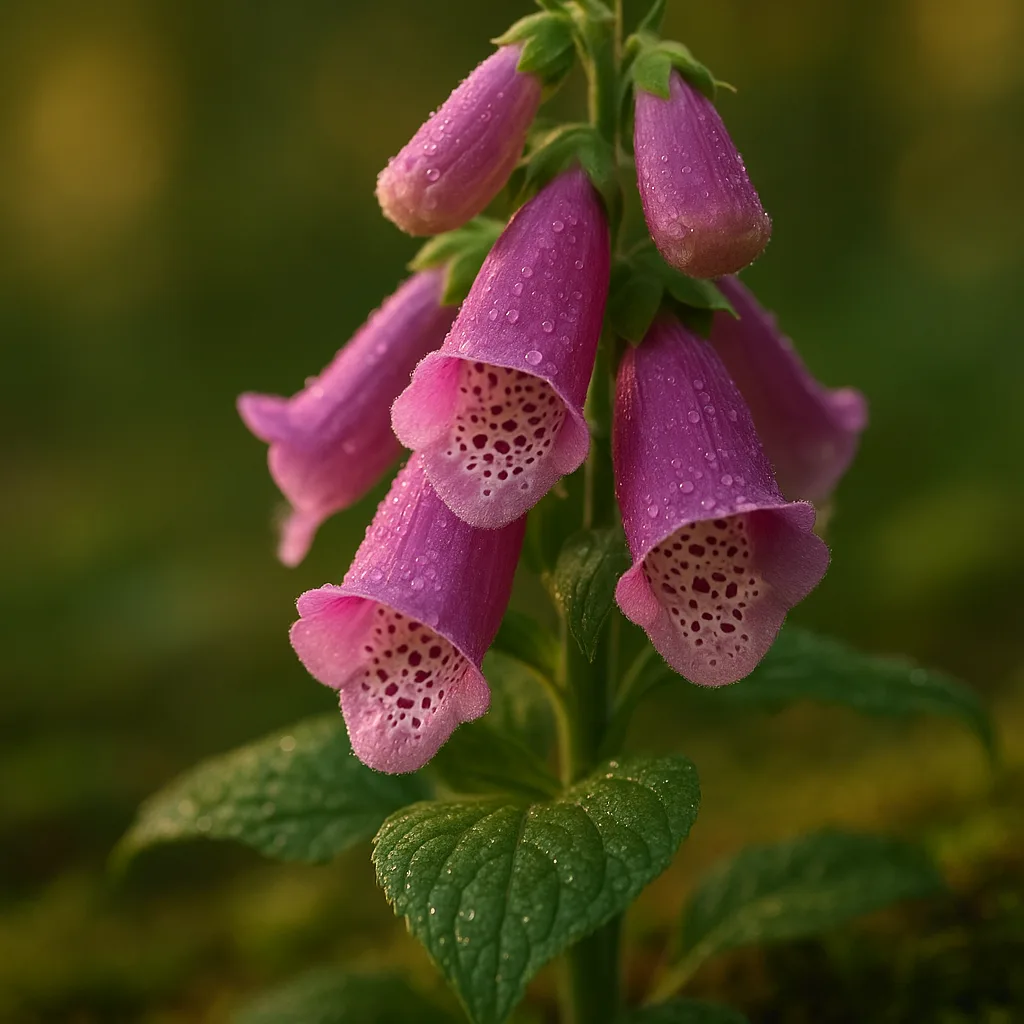
2. What is foxglove? Species and toxic compounds
Foxglove is the common name for plants in the genus Digitalis, especially Digitalis purpurea (common foxglove). Other species and hybrids include D. lanata, D. grandiflora and cultivated varieties. These species are grown for their tall flower spikes and bell-shaped blooms.
Toxic compounds
- Cardiac glycosides: digitoxin, digoxin-like substances and other cardenolides.
- Primary mechanism: inhibition of the Na+/K+-ATPase pump in cardiac myocytes, causing changes in intracellular sodium and calcium that can provoke arrhythmias.
- Concentration varies by species, part of plant (leaves > flowers > seeds are variable), season and growing conditions.
Why those compounds matter
- They are the basis for prescription drugs (e.g., digoxin) but the plant’s crude mixture is unpredictable and dangerous.
- Small amounts can alter heart rate, rhythm and blood electrolyte levels; large amounts can be fatal.
3. How is foxglove poisonous? Mechanism and clinical signs
When cardiac glycosides from foxglove are absorbed (oral ingestion is most common), they inhibit the Na+/K+-ATPase pump. This biochemical action triggers a cascade that raises intracellular calcium in heart cells and disrupts electric conduction—leading to bradycardia, arrhythmias and potentially fatal cardiac events.
Common signs and symptoms
- Gastrointestinal: nausea, vomiting, abdominal pain, diarrhea.
- Cardiac: slow heart rate (bradycardia), palpitations, irregular pulse, cardiac arrhythmias.
- Neurological: dizziness, confusion, weakness, fainting.
- Visual: blurred vision, color disturbances (e.g., xanthopsia—yellow vision), halo vision in severe cases.
- Electrolyte disturbances: hyperkalemia (high potassium) in severe poisoning.
Onset and severity
- Symptoms can begin within 30 minutes to several hours after ingestion, depending on dose and whether food was present in the stomach.
- Severity ranges from mild GI upset to life-threatening arrhythmias; children and small pets are at higher risk from small amounts.
- Toxicity is unpredictable: plant parts, age of plant and individual sensitivity matter.
4. How toxic is foxglove: dose, risk and documented cases
There is no single “safe” threshold because glycoside concentration varies. Historical and clinical reports indicate that even a small number of leaves—or petals from some cultivars—have produced symptoms in children and domestic animals. Medical sources commonly note that ingestion of parts of the plant can cause significant toxicity.
For more on this topic, see our guide on Which plant is the true money plant?.
Practical risk points
- A single leaf can be enough to cause symptoms in a small child or cat in some documented cases.
- For adults, a few grams of dried leaf or multiple fresh leaves can cause systemic effects; again, concentrations vary.
- Livestock (cattle, sheep, goats) that graze on large quantities of foxglove can develop severe poisoning and death.
Medical treatment overview
- Emergency care: call emergency services/poison control immediately if significant ingestion is suspected.
- Decontamination: activated charcoal can be given in the first hour(s) in a clinical setting to limit absorption.
- Monitoring: continuous ECG, electrolyte checks (especially potassium), and supportive care.
- Specific antidote: digoxin-specific antibody fragments (Digibind, DigiFab) are used in severe cases; they neutralize circulating cardiac glycosides.
5. Identification: how to visually recognize foxglove
Accurate identification is the first step to staying safe. Orvik and other image-identification tools can help confirm a sighting, but field knowledge is invaluable. Below are visual cues to identify foxglove reliably.
Key visual cues
- Flower spike: tall terminal spike 60–180 cm (2–6 ft) in Digitalis purpurea; flowers arranged along one side of the stem (a raceme).
- Blossoms: tubular, bell-shaped, pendulous; typically 3–5 cm long; colors include purple, pink, white, yellow and spotted interiors.
- Spots: many foxglove species have characteristic darker spots inside the throat of the bell—these spots often have a lighter halo and guide pollinators.
- Leaves: basal rosette of oblong to lance-shaped leaves 10–30 cm long; leaves hairy (pubescent), rough texture, pronounced veins.
- Stem: erect, hairy, often with alternate leaves up the stalk; one plant can produce multiple flower spikes in favorable conditions.
- Seeds: small, flat, brown, held in capsules that split open when ripe.
Visual comparison checklist
- Are the flowers tubular and hanging like small bells? (foxglove: yes)
- Do the flowers have distinctive spots inside? (common in foxglove)
- Are leaves fuzzy and in a basal rosette? (typical of foxglove)
- Is the plant producing tall spikes rather than compact clusters? (foxglove often tall)
Tip: Use Orvik’s image ID if uncertain—take a clear photo of the leaf texture and the interior of the flower throat. Orvik can point out diagnostic features like spotting and flower orientation to help you decide if it’s a Digitalis species.
6. Habitat, geographic distribution and seasonal behavior
Understanding where and when foxglove grows helps predict encounters and manage risk.
You may also find our article on Mastering Plant ID with Plantsnap helpful.
Habitat
- Foxglove thrives in well-drained soils, forest edges, hedgerows, meadows, and disturbed sites such as roadsides and clearings.
- It prefers partial shade to full sun depending on local climate; in cool climates, it often flourishes in sun with adequate moisture.
- Typical soils: loamy to sandy with moderate fertility.
Geographic distribution
- Native to Europe and western Asia; Naturalized widely across North America, New Zealand and parts of Australia.
- Common in temperate zones; many cultivated varieties are grown worldwide.
Seasonal behavior
- Biennial or short-lived perennial: many foxgloves form a basal rosette in year one and flower in year two (classic biennial pattern), though some varieties bloom the first year.
- Flowering time: typically late spring to mid-summer (May–July in temperate Northern Hemisphere), with seed set thereafter.
- Self-seeding: prolific seed production means foxglove can spread locally if seed pods are not removed.
7. Risks to humans and pets (is foxglove poisonous to cats/humans?) and first aid
Many people who search “is foxglove toxic” want to know immediate practical risk: is it dangerous to my child or cat? The short answer: yes—treat exposure seriously.
Humans
- Children are at higher risk because smaller body mass magnifies dose effects; even tasting a leaf can cause symptoms.
- Adults may tolerate small accidental exposures with mild symptoms, but larger amounts can cause serious cardiac disturbances.
- If ingestion is suspected: call your local poison control center or emergency services. Do not induce vomiting unless instructed by a professional.
Cats, dogs and other pets
- Cats and dogs can be poisoned by nibbling leaves or flowers. Small animals (cats, small dogs) are particularly vulnerable.
- Signs in pets: drooling, vomiting, diarrhea, weakness, collapse, irregular heartbeat, seizures.
- If exposure occurs, contact a veterinarian or animal poison control (e.g., ASPCA Animal Poison Control Center in the U.S.). Bring a photo or the plant sample; Orvik can help identify the plant from photos before you travel to a clinic.
First aid steps
- Remove the person/pet from the area and prevent further exposure.
- If skin contact: wash thoroughly with soap and water. For eye contact: rinse eyes with clean water for at least 10–15 minutes.
- For ingestion: call emergency services or poison control immediately. Follow professional advice about activated charcoal or transport to emergency care.
- Bring a sample or clear photo (Orvik can assist) to the hospital/vet for identification; this speeds diagnosis and treatment decisions.
8. Foxglove vs similar plants: how to tell them apart
Many gardeners confuse foxglove with other tubular flowers. Clear differences help avoid misidentification—important when toxicity is a concern.
You might also be interested in How to ID a Bird from a Photo.
Foxglove vs Monkshood (Aconitum)
- Flowers: Monkshood (Aconitum) has helmet-shaped, hooded flowers; foxglove bell shapes hang and show spotted throats.
- Toxicity: both are highly poisonous, but monkshood contains aconitine (a potent neurotoxin) vs foxglove’s cardiac glycosides—both need urgent care if ingested.
- Leaves: monkshood leaves are usually deeply lobed; foxglove leaves are oblong and fuzzy.
Foxglove vs Snapdragons (Antirrhinum)
- Snapdragon flowers are typically smaller, more horizontal and have a “mouth” that snaps shut—foxglove flowers are larger, pendulous bells arranged on a one-sided spike.
- Snapdragons are non-toxic ornamental plants; confusion is possible at a glance, so inspect leaf texture and flower arrangement.
Foxglove vs Moss Rose (Portulaca grandiflora) — is moss rose poisonous to humans?
- Moss rose (Portulaca grandiflora) is a low-growing succulent with single or double flat flowers; leaves are fleshy and cylindrical. It looks nothing like foxglove spikes.
- Toxicity: moss rose is generally considered non-toxic to humans and is listed as non-toxic to cats and dogs by many sources (including the ASPCA for typical Portulaca species). Ingesting large amounts of any plant can cause mild GI upset, but Portulaca grandiflora is not considered a poisonous substitute for foxglove.
- Important: Never assume a plant is safe without identification—use Orvik to compare photos if you’re unsure.
9. Gardening guidance: safe planting, disposal and legal notes
Foxglove is popular for cottage gardens and wildlife-friendly plantings, but safety-minded gardeners should follow precautions to reduce accidental exposures.
Related reading: Poisonous Houseplant Guide: Dieffenbachia Risks.
Practical safety tips
- Plant placement: keep foxglove away from play areas and fences where children or pets roam unsupervised.
- Education: teach older children not to taste plants and to alert adults if they find unknown blooms.
- Protective handling: wear gloves when pruning or deadheading to avoid skin contact and carrying sap to eyes or mouth.
- Seed control: remove and dispose of seed pods before they open to limit self-seeding and spread.
- Disposal: burn (where legal), compost in a hot commercial compost system, or double-bag and place in municipal green waste—avoid tossing in piles where children or wildlife can reach them.
When to call professionals
- If large numbers of foxglove plants appear on your property or public land, consult local extension services for removal guidance.
- For poisoning incidents, always call poison control or emergency services rather than attempting home remedies.
Orvik can help homeowners and gardeners quickly confirm plant identity before handling; a clear image of the flower throat and leaves speeds accurate ID and reduces unnecessary alarm.
Conclusion
Is foxglove toxic? Yes—foxglove contains powerful cardiac glycosides that can cause gastrointestinal upset, visual disturbances, dangerous heart rhythm problems and even death in severe cases. Identification skills, safe gardening practices and quick action after exposure make a real difference. Use resources like Orvik to identify plants from photos, and if ingestion is suspected, seek professional medical or veterinary help immediately. With respect and caution, foxglove remains a beautiful but potentially hazardous garden resident.
Frequently Asked Questions
- Is foxglove poisonous to humans?
- Yes. Foxglove contains cardiac glycosides that can cause nausea, vomiting, visual changes, and dangerous heart rhythm disturbances; severe ingestion can be fatal.
- Is foxglove poisonous to cats and dogs?
- Yes. Cats and dogs are susceptible; even small amounts can cause vomiting, weakness, irregular heartbeat and collapse. Contact your vet or animal poison control immediately.
- How much foxglove is toxic?
- There’s no single safe threshold because toxin levels vary. Small amounts (a few leaves) have caused symptoms in children and pets; treat any ingestion as potentially serious.
- What should I do if someone swallows foxglove?
- Call emergency services or your local poison control center immediately. Do not induce vomiting unless instructed. Bring a photo or plant sample to the hospital for identification.
- Is moss rose poisonous to humans?
- No. Moss rose (Portulaca grandiflora) is generally considered non-toxic to humans and pets; it is a low-growing succulent that looks very different from foxglove.
- How can I tell foxglove apart from similar flowers?
- Foxglove has tall spikes of pendulous, tubular bell-shaped flowers often with darker spots inside the throat and fuzzy basal leaves. Use Orvik or close-up photos of leaves and the flower throat to confirm.
- Can foxglove poisoning be treated?
- Yes. In hospitals, treatment includes monitoring, electrolyte management and, in severe cases, digoxin-specific Fab antibody fragments (Digibind/DigiFab) to neutralize toxins.