
1. Quick answer: Is lily of the valley deadly?
Short answer: yes — Lily of the valley (Convallaria majalis) contains potent cardiac glycosides and can be dangerous or even deadly if enough plant material is ingested. The level of risk depends on the amount eaten, the age and size of the person or animal, and whether medical care is received promptly. Most cases involve gastrointestinal upset and irregular heart rhythms; severe poisoning has caused fatalities in children, elderly adults, and livestock.
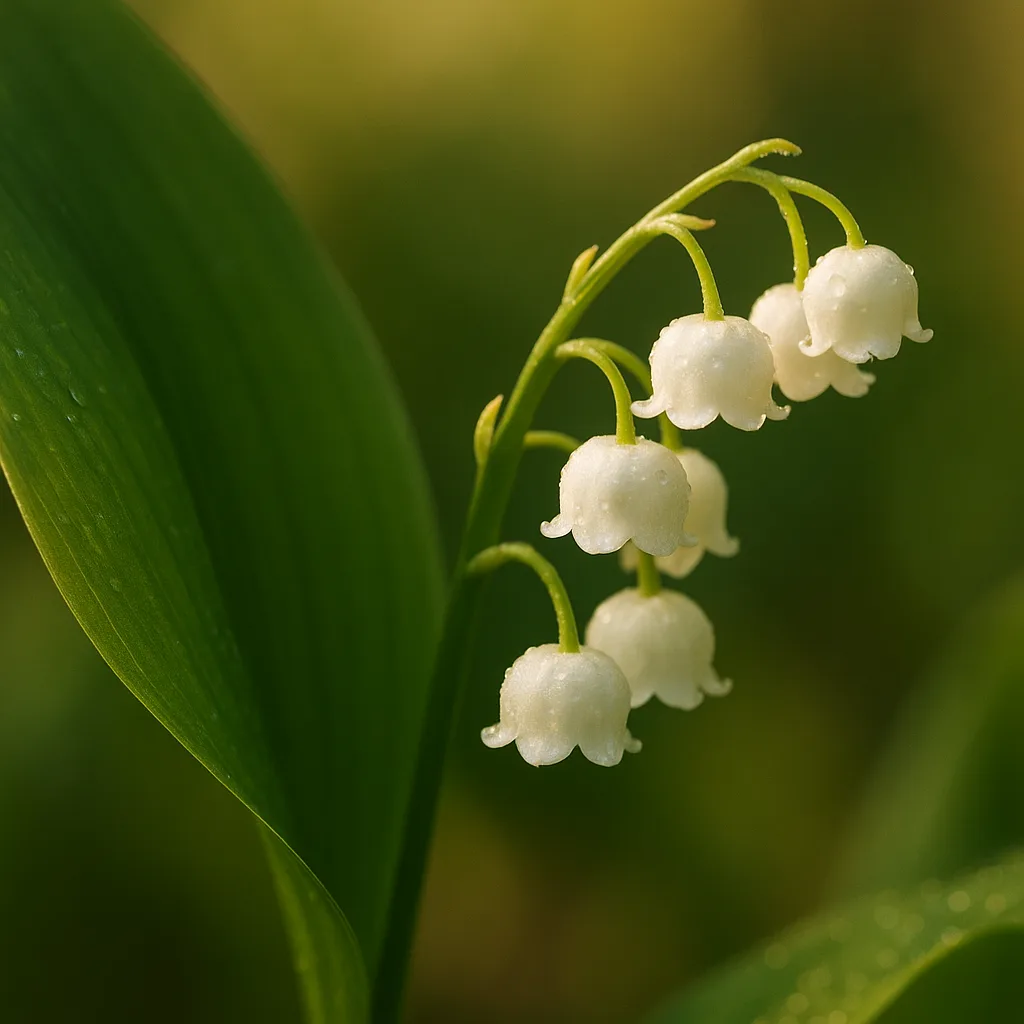
- Scientific name: Convallaria majalis
- Primary toxins: cardiac glycosides (e.g., convallatoxin)
- Habitats: shady woodlands, gardens, temperate regions of Europe, Asia, and North America
2. Identification: how to recognize Lily of the Valley in the field
People asking "is the lily of the valley poisonous" usually want to know if the plant they see in their garden is dangerous. Accurate visual ID is the first step. Here are concrete field cues.
Key visual features
- Overall height: typically 15–30 cm (6–12 inches) from soil to flower tips.
- Leaves: two to three basal, elliptical to lanceolate leaves, 10–25 cm long, 4–10 cm wide, smooth texture, glossy dark green.
- Flowers: nodding, bell-shaped, white (rarely pale pink), about 5–8 mm across, arranged on a single-sided raceme of 5–15 bells per stem.
- Stems: slender flowering stalks rising between the leaves, often 10–20 cm above the base.
- Fruits: round, orange to red berries, 6–8 mm in diameter that persist into late summer.
Seasonal timing and phenology
- Bloom period: typically April through June in temperate northern-hemisphere climates.
- Berry ripening: summer months (June–August), when bright red/orange berries appear.
- Dormancy: foliage dies back in late summer to autumn, with dormant rhizomes overwintering.
Practical tip: if you suspect a plant is lily of the valley, use clear close-up photos of leaves, flowers, and berries and compare them. Tools like Orvik can accelerate ID by matching your photos against botanical references and alerting you to toxic species.
3. Where it grows: habitat, distribution, and ecology
Understanding where Convallaria majalis thrives helps predict exposure risk and offers ecological context.
Range and distribution
- Native range: Europe and parts of western and eastern Asia.
- Introduced and naturalized: widely in North America (northeastern and Pacific regions, and scattered elsewhere), often in gardens and shaded woodlands.
- USDA hardiness: generally hardy in zones 2–9, tolerating cold winters and shade.
Typical habitats
- Shaded deciduous woods and forest edges
- Moist, well-drained soils rich in humus
- Garden beds, under shrubs, and naturalized lawn patches
Convallaria spreads by creeping rhizomes, forming dense colonies. That colonial habit increases exposure risk to pets and children in yards.
4. Toxicity explained: what makes lily of the valley poisonous?
Lily of the valley contains a group of chemicals called cardiac glycosides. These substances interfere with heart muscle cell ion transport and can cause serious cardiac effects.
For more on this topic, see our guide on Lily of the Valley and Dogs: ID, Risks, Care.
Toxic compounds and their action
- Main toxins: convallatoxin, convallamarin, and related cardiac glycosides.
- Mechanism: inhibition of the sodium-potassium ATPase pump in cardiac myocytes, increasing intracellular calcium and altering electrical conduction.
- Result: slowed or irregular heartbeat (arrhythmias), changes in blood pressure, and in high doses potential cardiac failure.
How poisonous is lily of the valley?
Severity depends on dose and victim size. There is no single universally agreed lethal dose because concentrations vary by plant part, age, and growth conditions, but the practical facts are:
- All parts are toxic: leaves, flowers, and berries contain cardiac glycosides.
- Children and small pets are at higher risk from surprisingly small amounts — a few berries or a mouthful of crushed leaves can cause symptoms.
- Adults typically need to ingest more plant material for life‑threatening effects, but concentrated extracts or large chewed amounts can be dangerous.
Medical literature includes cases where ingestion of several leaves or a handful of berries produced severe symptoms. Because of that variability, treat any intentional or accidental ingestion seriously.
5. Symptoms, diagnosis, and first aid
Knowing what to watch for and how to act can save lives. Symptoms usually appear within 30 minutes to a few hours after ingestion.
You may also find our article on Understanding Lily Identity: Names & Science helpful.
Common signs and symptoms
- Gastrointestinal: nausea, vomiting, abdominal pain, diarrhea.
- Cardiac: slow heart rate (bradycardia), palpitations, arrhythmias, dizziness, fainting.
- Neurologic: headache, confusion, visual disturbances (blurred vision), weakness.
When to seek medical help
- If anyone — child, adult, or pet — swallows any part of the plant, seek medical evaluation promptly.
- Call local emergency services or a poison control center immediately; in the U.S. call 1-800-222-1222.
- Bring a photo or a sample of the plant (if safe) to aid identification and treatment.
First-aid steps
- Do not induce vomiting unless instructed by Poison Control or a clinician.
- If the person is conscious and not vomiting, rinse mouth and give small sips of water.
- Monitor breathing and heart rate; be ready to administer CPR if cardiac arrest occurs and you are trained.
- For pets, contact your veterinarian or an animal poison hotline immediately (e.g., ASPCA Animal Poison Control: +1-888-426-4435, fees may apply).
Hospital treatment may include activated charcoal, IV fluids, anti-arrhythmic medications, and cardiac monitoring. Specific antidotes for cardiac glycoside poisoning (e.g., digoxin-specific Fab fragments) may be used in severe cases, at clinician discretion.
6. Pets, livestock, and wildlife: special risks
Lily of the valley is dangerous to domestic animals and can be hazardous for grazing livestock if they access large patches or cut plant material.
Pets (dogs and cats)
- Signs in pets mirror humans: vomiting, drooling, abdominal pain, irregular heartbeat, lethargy, collapse.
- Even small dogs and curious cats that chew leaves or berries can develop serious signs quickly.
- Immediate veterinary care improves outcomes; bring a sample or photo for identification.
Livestock and horses
- Cattle and horses are susceptible — ingestion of several kilograms of plant material over a short period can cause major problems.
- Because Convallaria can form dense colonies in pastures or field margins, livestock exposure typically occurs when hay or forage is contaminated.
- Producers should inspect hay and pastures for colonies and remove contaminated forage.
Wildlife
- Wild deer and small mammals often avoid it, but accidental ingestion can occur.
- Birds sometimes eat the berries; toxicity varies by species.
7. Comparison: Lily of the Valley vs similar plants (periwinkle, larkspur, others)
Many gardeners and foragers confuse visually similar woodland plants. Below are direct comparisons with common look‑alikes and the related toxicity questions people ask: "is larkspur poisonous" and "is periwinkle poisonous."
Convallaria majalis vs Vinca minor (Periwinkle)
- Leaves: Periwinkle leaves (Vinca minor) are opposite on the stem, elliptic, evergreen, 2–4 cm long and leathery; lily of the valley has basal leaves in a cluster, much larger (10–25 cm).
- Flowers: Periwinkle flowers are open, five-lobed and usually purple/blue; lily of the valley has pendant, bell-shaped white flowers.
- Toxicity: Both are toxic. Periwinkle contains alkaloids (vinca alkaloids) that can cause GI upset and neurologic signs; Vinca minor is considered mildly to moderately toxic to people and pets, whereas Convallaria is often more dangerous due to cardiac glycosides.
Convallaria majalis vs Delphinium spp. (Larkspur)
- Appearance: Larkspur (Delphinium) has tall spikes of showy, deeply lobed flowers (blue, purple, white) and palmately divided leaves; lily of the valley is low and has bell-shaped flowers and broad basal leaves.
- Toxicity: Larkspur contains diterpenoid alkaloids (e.g., methyllycaconitine) that are highly toxic, especially to cattle. Question "how poisonous is larkspur" — it's a significant livestock poison, capable of causing neuromuscular paralysis and death if enough is eaten.
- Risk summary: Both plants are poisonous, but their toxicity profiles differ — Convallaria primarily causes cardiac effects, while Delphinium primarily causes neuromuscular and respiratory impairment in livestock.
Other lookalikes
- Solomon's seal (Polygonatum spp.) has arching stems and tubular hanging flowers but alternate leaves on the stem — flowers are not small white bells along a single raceme like lily of the valley.
- False lily-of-the-valley (Maianthemum dilatatum) has similar-looking leaves and small clusters of starry flowers but differs in flower shape and arrangement.
When in doubt, photograph key features (leaf arrangement, flower shape, fruit color) and use Orvik to cross-check identifications. Correct ID informs the right medical or veterinary response.
You might also be interested in Mastering Coin Identification: A Field Guide.
8. Prevention, safe handling, and disposal
Reduce risk by combining education, garden planning, and safe removal where necessary.
Related reading: Peace Lily Poisoning: What to Know.
Prevention steps
- Teach children never to eat wild berries or unknown plants.
- Supervise pets outdoors in areas with known colonies of Convallaria.
- Consider replacing dense stands near play areas with non-toxic groundcovers if risk is high.
Safe handling and removal
- Wear gloves when handling or pulling plants (avoid skin contact with sap if you have sensitive skin).
- Remove entire rhizomes to prevent regrowth; small patches can be dug out by the root mass.
- Dispose of plant material in sealed bags — do not compost where children, pets, or livestock may access it.
Using technology for safer decisions
- Use plant-ID apps like Orvik to confirm the species before taking action.
- Orvik can also provide region-specific notes and flag toxic species, helping you prioritize removal or containment.
Gardeners who value lily of the valley for its fragrance should weigh aesthetic benefits against safety concerns and consider planting it away from high-traffic areas.
9. Legal and medicinal notes
Although Convallaria contains cardiac glycosides similar to digitalis (from foxglove), the plant is not a safe home remedy. Historically it has been used in folk medicine in carefully prepared doses, but self-medication is dangerous.
- Do not use lily of the valley for medicinal purposes without supervision from a qualified clinician.
- Disposal and removal are typically a homeowner responsibility; no special legal restrictions typically apply, but check local invasive species rules — in some regions it can be considered invasive.
Conclusion
Lily of the valley (Convallaria majalis) is indeed poisonous: all parts of the plant contain cardiac glycosides capable of causing gastrointestinal upset, cardiac arrhythmias, and in severe cases death. Children, pets, and livestock are especially vulnerable. Identification by leaves, small white bell flowers, and red berries helps determine risk; use tools like Orvik for rapid visual ID. If ingestion is suspected, seek medical or veterinary help immediately and bring a photo or sample for accurate diagnosis. With awareness and sensible handling, you can enjoy gardens safely while minimizing the risk posed by this fragrant but potent woodland plant.
Frequently Asked Questions
- Is lily of the valley toxic to touch?
- Skin contact rarely causes severe effects, though sensitive individuals may experience irritation. The primary risk is ingestion of leaves, flowers, or berries.
- How poisonous is lily of the valley to children?
- Children are more vulnerable; ingestion of a few berries or leaves can cause vomiting, slow or irregular heartbeat, dizziness, and in severe cases life-threatening cardiac effects. Seek medical help right away.
- Is larkspur poisonous?
- Yes. Larkspur (Delphinium spp.) contains diterpenoid alkaloids that can be highly toxic, especially to livestock, causing neuromuscular paralysis and potentially fatal respiratory failure.
- Is periwinkle poisonous?
- Periwinkle (Vinca spp.) contains alkaloids and is considered mildly to moderately toxic. Ingestion can cause gastrointestinal upset and, in larger amounts, neurologic symptoms.
- What should I do if my pet eats lily of the valley?
- Contact your veterinarian or an animal poison hotline immediately. Bring a photo or sample if possible and monitor for vomiting, weakness, drooling, and irregular heartbeat.
- Can cooking or drying remove the poison?
- No. The cardiac glycosides in lily of the valley are heat-stable and remain toxic after cooking or drying.
- How can I be sure a plant is lily of the valley?
- Look for basal glossy leaves 10–25 cm long, nodding white bell-shaped flowers on a single raceme, and red-orange berries. Photograph key features and use an ID tool like Orvik for confirmation.