
Quick answer: Is oleander poisonous?
Yes. Nerium oleander, commonly called oleander, is a highly toxic evergreen shrub. All parts of the plant contain cardiac glycosides such as oleandrin that can interfere with heart function. Ingestion of leaves, flowers, sap, or tea made from the plant can cause serious illness or death in humans and animals. Touching the intact leaves is unlikely to be fatal, but sap can irritate skin, and smoke from burning material is hazardous.
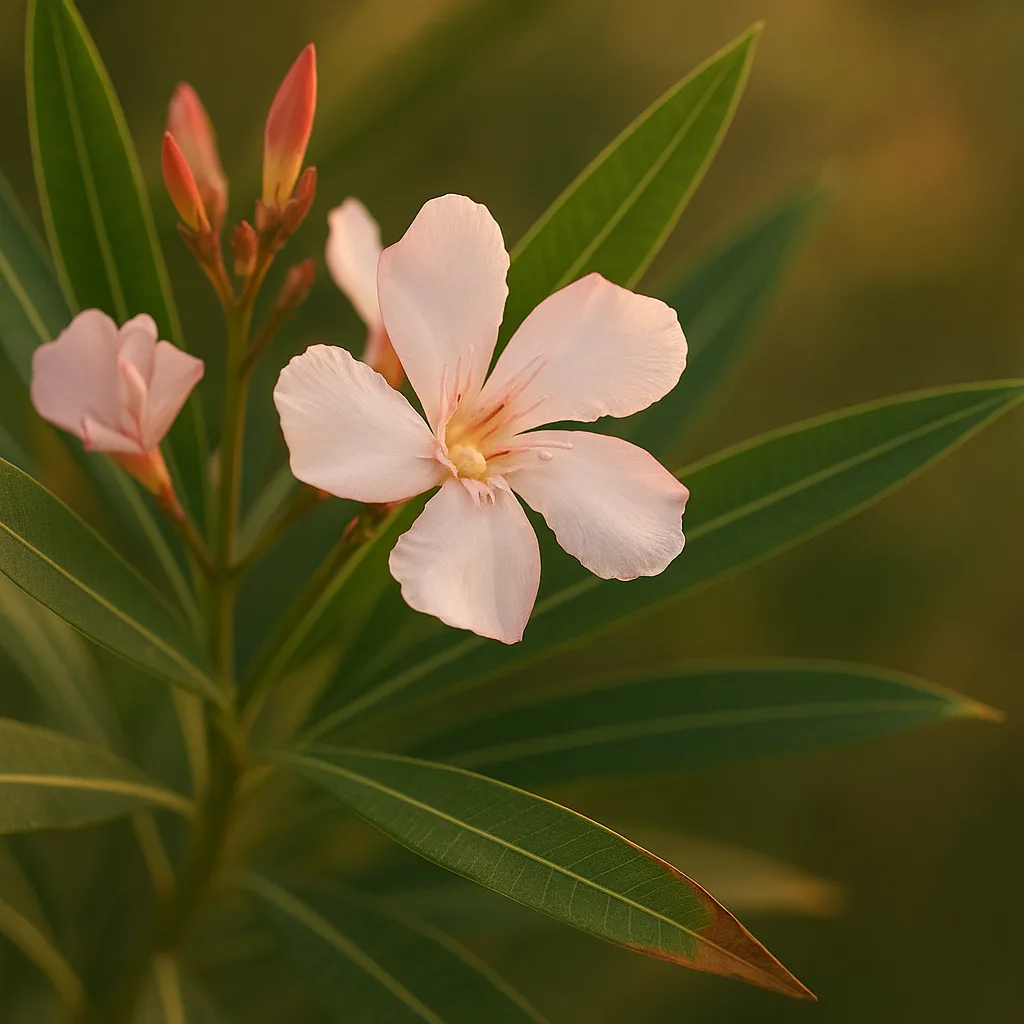
- Primary toxin class: cardiac glycosides (oleandrin, neriin, digitoxigenin)
- Immediate risk: gastrointestinal and cardiac symptoms within hours
- High-risk groups: children, pets, livestock, people consuming homemade extracts or honey)
What is oleander? Botany and natural history
Oleander (Nerium oleander) is an evergreen shrub or small tree native to the Mediterranean basin and parts of southwest Asia. It is widely cultivated around the world as an ornamental for hedges, windbreaks, and drought-tolerant landscaping.
Scientific and common names
- Scientific name: Nerium oleander L.
- Common names: oleander, rosebay (in some regions), laurier-rose
Physical description and measurements
- Height: typically 1.5 to 6 meters (5 to 20 feet) depending on cultivar and conditions
- Leaves: leathery, lanceolate leaves often in whorls of three; 7 to 21 cm long and 1.5 to 3 cm wide; glossy dark green
- Flowers: clustered terminal inflorescences (corymbs) with tubular corollas 2 to 5 cm across; colors include white, pink, red, salmon, and yellow
- Fruit: paired slender follicles 7 to 10 cm long that split open to release silky-haired seeds
Distribution and habitat
- Native range: Mediterranean region, parts of southwest Asia
- Naturalized/cultivated: widely in the United States (California, Florida, Texas and the Southeast), Australia, India, southern Africa, and other warm regions
- Habitat: coastal scrub, rocky hillsides and cultivated gardens; tolerant of poor soils, drought, and salt spray
- USDA hardiness zones: typically zones 8-10 for reliable outdoor growth
How is oleander poisonous? Mechanism and toxic compounds
Oleander's toxicity comes from cardiac glycosides, chemical compounds that bind and inhibit the sodium-potassium ATPase (Na+/K+-ATPase) pump in cell membranes. This disruption affects the electrical activity of heart muscle and other tissues.
Key toxic compounds
- Oleandrin: the most studied and clinically relevant compound
- Oleandrigenin and related glycosides
Physiological mechanism, in brief
- Inhibition of Na+/K+-ATPase increases intracellular sodium.
- Higher sodium alters the sodium-calcium exchanger, raising intracellular calcium.
- Elevated calcium increases cardiac contractility and can cause arrhythmias, conduction blocks, and bradycardia.
Clinical signs and timeline
- Early (minutes to a few hours): nausea, vomiting, abdominal pain, drooling
- Within hours: diarrhea, dizziness, headache
- Cardiac signs (variable timing): slow or irregular heartbeat, palpitations, fainting, conduction disturbances
- Neurologic: confusion, visual disturbances, seizures in severe cases
- Electrolyte changes: hyperkalemia is common and worsens prognosis
Is oleander poisonous to humans and is it poisonous to touch?
Yes, oleander is poisonous to humans if ingested. Dermal exposure is less likely to cause life-threatening effects, but the sap can cause skin irritation or dermatitis and may lead to systemic absorption if there are cuts or prolonged contact. Smoking, burning, or making extracts from oleander is particularly dangerous because concentrated toxins can be inhaled or ingested.
For more on this topic, see our guide on Peace Lily Poisoning: What to Know.
Practical safety points
- Ingestion: dangerous—seek emergency care immediately
- Skin contact: wash with soap and water; wear gloves when handling
- Eye contact: flush with water and seek medical attention
- Burning: do not burn oleander; inhaled smoke can cause poisoning
Identification: How to recognize oleander in the landscape
People researching 'is oleander plant poisonous' usually want to know whether a shrub in their yard is oleander and whether it poses a risk. Identification is the first and most practical step. Visual cues are the easiest way to confirm the plant in situ; apps like Orvik can speed identification by matching photos to species-level results, which is especially useful for gardeners, parents, and pet owners.
Key visual identifiers
- Leaves: long, narrow, leathery, often in whorls of three; margins entire and midrib prominent
- Flowers: showy clusters at branch tips; five-lobed tubular corolla with range of colors—white, pink, red, salmon, yellow
- Growth habit: dense multi-stemmed shrub or small tree with smooth gray bark
- Seeds/fruit: paired pods (follicles) that release downy, hairy seeds when ripe
Seasonal behavior and phenology
- Bloom season: typically spring through summer; in warm climates flowering can occur year-round
- Evergreen: retains leaves through winter in mild climates
- Pruning response: tolerates heavy pruning and resprouts readily
Tips for taking a good ID photo (useful for Orvik)
- Capture close-ups of leaves showing the arrangement and length
- Photograph flower clusters from multiple angles and include a close-up of a single flower
- Include a shot of the whole plant for growth habit context
- Take a photo of the fruit or seed pods if present
Oleander vs Lantana: How to tell them apart
Many homeowners confuse various ornamental shrubs. Lantana (Lantana camara), often grown in landscapes, is also considered toxic in certain contexts, so distinguishing it from oleander is important.
Quick comparison
- Family and form: Oleander (Apocynaceae) is a larger evergreen shrub or small tree. Lantana (Verbenaceae) is a smaller, sprawling to upright subshrub.
- Leaves: Oleander leaves are leathery, narrow, and smooth. Lantana leaves are rough-textured, coarsely toothed, and aromatic when crushed.
- Flowers: Oleander has larger tubular flowers in clusters; lantana has flat-topped clusters (umbels) of many tiny tubular flowers that change color as they age (e.g., yellow to orange to red).
- Toxicity type: Oleander contains cardiac glycosides that directly affect the heart. Lantana contains lantadenes that mainly affect the liver and can cause photosensitivity in livestock after chronic ingestion.
Is lantana poisonous to humans and animals?
- To humans: ingestion typically causes nausea, vomiting, and diarrhea; severe liver damage is rare but possible if large quantities are consumed.
- To livestock: lantana is a well-known cause of hepatotoxicity and photosensitization in cattle, sheep, and horses when eaten in quantity.
- To pets: dogs and cats may develop gastrointestinal upset; large ingestions should prompt veterinary attention.
First aid and medical treatment
If you suspect oleander exposure, time is critical. The following are practical first-aid guidelines; they are not a substitute for professional medical care.
You may also find our article on Milkweed and Toxicity: What You Need to Know helpful.
Immediate actions for humans
- If ingestion is suspected, call your local emergency number or poison control center immediately. In the United States, call 1-800-222-1222 for Poison Control.
- Do not induce vomiting unless a medical professional advises it.
- If the person is conscious and able to swallow, rinsing the mouth and drinking a small amount of water may be advised until help arrives.
- Collect a sample of the plant (leaf, flower) and bring it to the hospital or photograph it for identification with tools such as Orvik.
- Medical treatment may include activated charcoal, cardiac monitoring, management of electrolyte disturbances, and in severe cases, digoxin-specific antibody fragments (Digibind) though cross-reactivity varies.
First aid for skin or eye contact
- Skin: wash immediately with soap and water. Remove contaminated clothing. Seek care for persistent rash or if systemic symptoms appear.
- Eyes: flush with clean water for 15 minutes and seek ophthalmic evaluation.
- Smoke inhalation: relocate to fresh air immediately and seek emergency help for respiratory or systemic signs.
Pets and livestock
- Pets: call your veterinarian or an animal poison control hotline. Monitor for drooling, vomiting, weakness, irregular heartbeat.
- Livestock: remove access to the plant and contact a large-animal vet. Even small amounts can be dangerous depending on the animal's size and the plant material consumed.
Prevention and safe landscaping practices
If you are concerned about 'is oleander plant poisonous', consider practical steps to reduce risk in yards, parks, and public spaces.
Practical prevention steps
- Consider replacing oleander with non-toxic alternatives in areas frequented by children and pets
- If you keep oleander, plant it away from play areas, entryways, and pet runs
- Label or mark plants that are toxic so family members and guests are aware
- Wear gloves and eye protection when pruning; avoid burning plant debris
- Secure fallen leaves and pruneings so curious animals or children cannot access them
Safe disposal
- Bag clippings and dispose according to local green-waste regulations
- Do not compost large amounts of oleander where animals might graze on the compost heap
- Never burn oleander; toxic smoke can be inhaled by humans and animals
Uses, folklore, and legal notes
Despite its toxicity, oleander has long been used as an ornamental because of its tolerance to drought, ease of growth, and long flowering period. Historically, extracts were used in folk remedies for heart conditions but the narrow therapeutic index and risk of fatal poisoning make such uses unsafe.
You might also be interested in How to Identify Any Rock in the Field.
- Ornamental use: hedges, screens, coastal plantings, container gardening in warm climates
- Folk medicine: occasional historical uses for heart conditions or external remedies; medically unsafe without strict control
- Regulation: some regions restrict planting near schools or parks, but legal status varies
Note: there is ongoing scientific research into oleandrin for experimental therapeutic uses, but these are investigational and the compound remains dangerous outside controlled medical settings.
Related reading: Bleeding Heart Toxicity: What You Need to Know.
How Orvik can help
When you find an unfamiliar shrub and wonder 'is oleander plant poisonous', a quick photo-based identification expedites risk assessment. Orvik uses AI-powered visual identification to match your image to plant species and provide immediate context on toxicity and safety recommendations. For gardeners, parents, and pet owners, Orvik can help prioritize which plants require caution and which do not.
- Snap a clear photo of the leaves and flowers for rapid ID
- Use Orvik to compare lookalikes, such as oleander vs other flowering shrubs
- Combine app results with local poison control or veterinary advice in emergencies
Conclusion
In short, oleander is definitely poisonous. The plant contains cardiac glycosides that can cause serious and sometimes fatal cardiac and gastrointestinal effects if ingested. Skin contact is less likely to be lethal but can cause irritation, and burning the plant is especially hazardous. If you suspect exposure, act quickly: document the plant, seek professional medical or veterinary care, and use identification tools such as Orvik to confirm the species. With careful landscaping and awareness, you can enjoy the ornamental value of oleander while minimizing risks to family and animals.
Frequently Asked Questions
- Is oleander toxic to humans?
- Yes. All parts of oleander contain cardiac glycosides which can cause nausea, vomiting, arrhythmias, and can be fatal if ingested in sufficient amounts.
- Can touching oleander poison you?
- Touching intact leaves rarely causes systemic poisoning, but the sap can irritate skin or eyes. Wash exposed skin and seek medical care for severe reactions.
- Can burning oleander be dangerous?
- Yes. Burning oleander can produce toxic smoke that can be inhaled and lead to poisoning. Do not burn prunings; dispose of them safely.
- Is lantana poisonous and how does it compare to oleander?
- Lantana is also toxic, but with different effects. Lantana contains lantadenes that primarily cause liver damage and photosensitivity in livestock; oleander has potent cardiac toxins. Both can cause gastrointestinal upset in humans.
- What should I do if someone eats oleander?
- Call emergency services or your local poison control center immediately. Do not induce vomiting unless instructed by a professional. Bring a plant sample or photo for identification.
- Are there safe plants to use instead of oleander?
- Yes. Consider non-toxic shrubs like Hibiscus species, some native shrub roses, or dwarf conifers depending on climate. Choose plants suited to local conditions and low toxicity for homes with children or pets.
- Can I use an app to identify a suspicious plant quickly?
- Yes. Photo-ID apps like Orvik can help rapidly identify plants and flag toxic species, but always confirm with a professional or poison control in emergencies.