
Overview: What is wolfsbane?
Wolfsbane is the common name applied to plants in the genus Aconitum, a group of perennial herbaceous plants in the buttercup family (Ranunculaceae). Species frequently encountered include Aconitum napellus (European monkshood), A. lycoctonum, and Asian species such as A. carmichaelii and A. japonicum. These plants are well known for their striking helmet-shaped flowers and potent alkaloid toxins, primarily aconitine and related compounds.
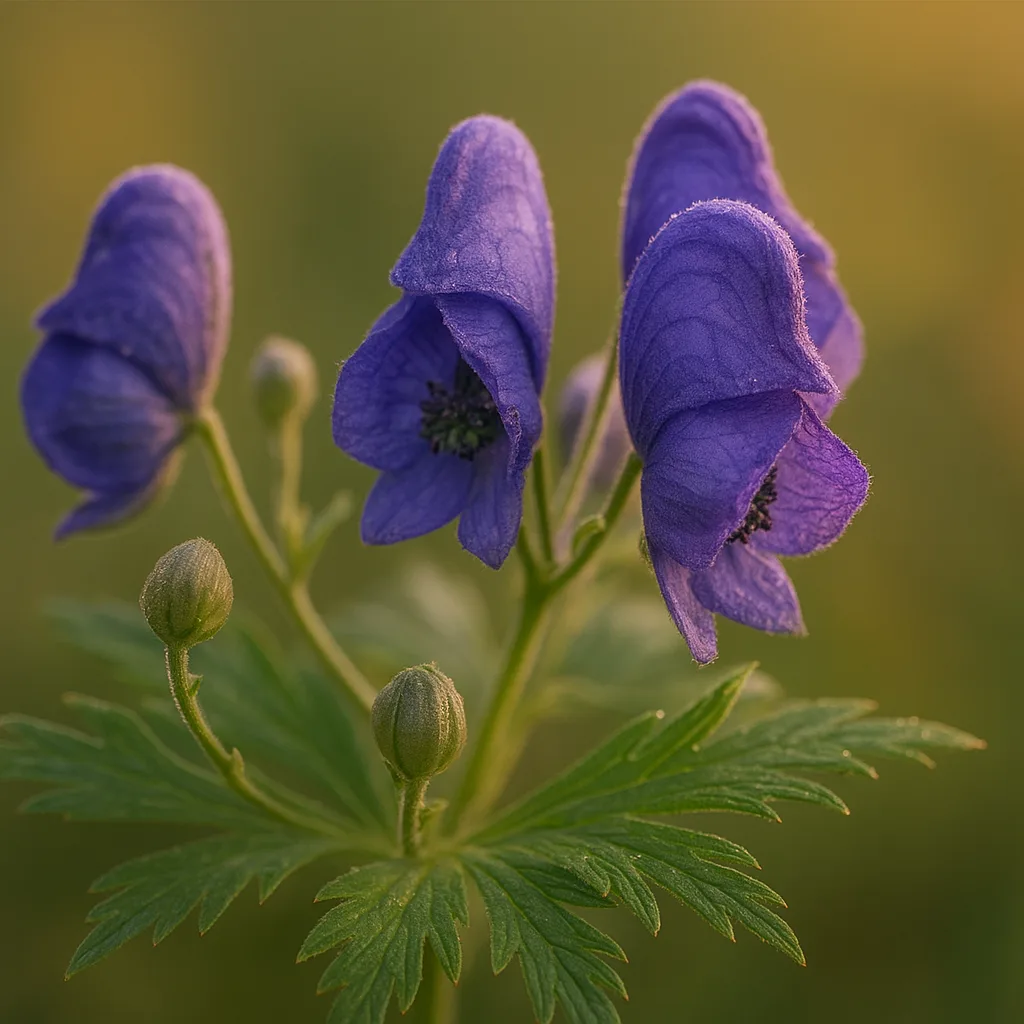
- Common names: wolfsbane, monkshood, aconite
- Family: Ranunculaceae
- Key toxin: aconitine (a neurotoxin and cardiotoxin)
- Habit: perennial, often 60–120 cm tall
Identification: How to recognize wolfsbane in the field
If you want to know whether wolfsbane is poisonous, the first step is being able to identify it reliably. Visual cues are distinctive but can vary by species.
Vegetative features
- Leaves: alternately arranged, palmately divided into 5–7 lobes; lobes are toothed and often glossy. Leaf size commonly 5–15 cm across.
- Stem: erect, unbranched to sparsely branched, usually smooth; stems range from 60 cm to over 1.2 m tall depending on the species.
- Roots: thick, tuberous or fibrous rootstocks; traditional medicinal/poison preparations often use the root.
Flower characteristics (key ID feature)
- Shape: strongly zygomorphic (bilaterally symmetrical) with an upper sepal forming a helmet or “hood” (the characteristic monk's hood).
- Color: most famous species have deep blue to violet flowers (e.g., A. napellus), but others are yellow, creamy white, or pale purple.
- Size: individual flowers often 2–4 cm across; showy spikes of flowers 10–30 cm long.
- Arrangement: racemes or spikes; many flowers clustered along the upper stem.
Practical field tips
- Season: blooms typically in mid to late summer (July–September in temperate zones), though this varies by latitude and species.
- Look for: helmet-shaped flower silhouette from a distance; palmately divided leaves at base; tall, stately spikes in woodland edges or moist meadows.
- Use Orvik: take close-up photos of the flower hood and leaves—Orvik’s identification tool can help distinguish Aconitum from look-alikes.
Toxicity: Why wolfsbane is poisonous and how dangerous it is
Yes—wolfsbane is poisonous. The primary toxic alkaloid is aconitine, along with mesaconitine, hypaconitine and related diterpenoid alkaloids. These compounds act on voltage-gated sodium channels in nerves and heart muscle, causing prolonged activation that disrupts electrical conduction.
- Mechanism: aconitine binds to Na+ channels, causing persistent depolarization, leading to neurological symptoms and life-threatening cardiac arrhythmias.
- Onset: symptoms often begin within minutes to a few hours after exposure (fast after ingestion; topical contact can be rapid in some cases).
- Potency: purified aconitine is extremely potent—cases report that a few milligrams may be lethal. Plant material concentration varies widely by species, season and plant part (roots tend to be richest in alkaloids).
Typical symptoms and timeline
- Early (minutes to 2 hours): tingling, numbness or burning in mouth and face; nausea, vomiting, abdominal pain, diarrhea.
- Intermediate (1–6 hours): weakness, dizziness, sweating; marked bradycardia (slow pulse) or tachycardia and hypotension (low blood pressure).
- Severe (hours): life-threatening ventricular arrhythmias, respiratory paralysis, coma and potentially death.
Children and pets are particularly vulnerable because small amounts represent a higher dose per kilogram of body weight.
For more on this topic, see our guide on Deadly Blooms: A Field Guide to Toxic Flowers.
First aid and medical treatment
If you suspect wolfsbane poisoning, treat it as a medical emergency. Immediate action improves outcomes.
- Call emergency services immediately (for example, 911 or your local emergency number).
- If ingestion is recent (within ~1 hour) and the person is awake and alert, emergency responders may consider activated charcoal; do not induce vomiting unless instructed by a poison control center or clinician.
- Monitor vital signs: heart rate, blood pressure, breathing. Cardiac monitoring is essential due to arrhythmia risk.
Hospital care
- Primary treatments are supportive: IV fluids, airway support, respiratory assistance (mechanical ventilation if needed).
- Arrhythmias: treated with antiarrhythmic drugs and advanced cardiac life support protocols. Atropine may be used for bradycardia.
- There is no simple antidote for aconitine; management focuses on symptomatic and cardiac support, electrolyte correction, and monitoring.
Notify your local poison control center and bring any plant material or photos (Orvik screenshots can be helpful) to aid clinicians in identification.
Wolfsbane vs common look-alikes: How to tell them apart
People searching "is wolfsbane poisonous" often want to know whether a plant in their garden or on a hike is dangerous. Below are comparisons with several plants you may confuse with wolfsbane or are commonly asked about.
You may also find our article on Wisteria: Toxicity, ID, and Safe Handling helpful.
Wolfsbane vs dandelion (Taraxacum officinale)
- Appearance: dandelion is a low rosette with bright yellow composite flowers and hollow stems; wolfsbane has tall spikes of helmet-shaped flowers.
- Toxicity: dandelion is edible and non-poisonous in normal use (though some people are allergic).
Wolfsbane vs burdock (Arctium)
- Appearance: burdock has large heart-shaped leaves and burrs (seed heads that cling to fur); flowers are thistle-like, purple-brown. No helmet-shaped flowers.
- Toxicity: burdock root is edible when cooked; generally not considered highly poisonous but can cause dermatitis in sensitive people.
Wolfsbane vs Japanese knotweed (Reynoutria japonica)
- Appearance: Japanese knotweed is a bamboo-like hollow-stemmed plant with alternate, triangular leaves and clusters of small white-pink flowers. Very different from wolfsbane’s hooded flowers.
- Toxicity: knotweed is not generally considered poisonous to humans (young shoots are edible), but it is an invasive species with management concerns.
Wolfsbane vs butterfly weed (Asclepias tuberosa) — pet concern
- Appearance: butterfly weed has clusters of bright orange, flat-faced flowers and narrow lanceolate leaves. Distinct from wolfsbane’s helmet shape.
- Pets: butterfly weed contains cardiac glycosides (cardenolides) and is toxic to dogs and other animals if eaten. Both plants are hazards to pets but act via different toxins.
Wolfsbane vs hogweed (Heracleum mantegazzianum)
- Appearance: hogweed is a giant umbellifer with umbrella-like clusters of white flowers and hollow, ridged stems often with purple blotches. Leaves are huge and jagged. Not helmet-shaped.
- Hazard: hogweed’s sap causes severe photodermatitis (blistering when exposed to sunlight) — different mechanism from wolfsbane’s systemic toxicity.
Wolfsbane vs horse nettle and lungwort
- Horse nettle (Solanum carolinense): spiny, nightshade-family plant with small tomato-like fruits; contains solanine and can cause gastrointestinal upset in humans and animals.
- Lungwort (Pulmonaria): low-growing spring wildflower with spotted leaves and tubular flowers; generally regarded as non-toxic or only mildly irritating.
- Visual cue: neither horse nettle nor lungwort have the tall helmeted flowers of Aconitum.
If you’re unsure which plant you’ve found, use a plant ID tool like Orvik to upload multiple photos (flower close-up, leaf shape, overall habit) to reduce misidentification risk.
Habitat, geographic distribution, and seasonal behavior
Aconitum species are native to temperate regions of the Northern Hemisphere—Europe, Asia and parts of North America (native species and closely related taxa). They are often associated with cooler, moist habitats.
- Typical habitats: mountain meadows, shaded woodland margins, damp stream banks, and garden borders where moisture and partial shade are available.
- Range: European species like A. napellus are common in central and western Europe; A. carmichaelii and others are native to East Asia. Several species are cultivated in gardens worldwide.
- Seasonality: leaves emerge in spring; most species flower in mid to late summer and set seed in early autumn. Roots store alkaloids year-round, but concentrations can vary seasonally.
Handling, prevention, and pet safety
Because of rapid absorption and high toxicity, take precautions when you find or handle wolfsbane.
You might also be interested in Spotting Toxic Berries in the Wild.
- Personal safety: wear gloves (nitrile or heavy gardening gloves), long sleeves and wash skin thoroughly after contact. Avoid touching face or mucous membranes when handling the plant.
- Pets: keep dogs, cats, and livestock away from wolfsbane. Ingestion—even of small amounts—can cause severe signs; seek veterinary care immediately if exposure is suspected.
- Gardeners: consider removing wolfsbane if children or pets frequent the area; removal should use gloves and tools to avoid skin contact. Dispose of plant material in sealed bags—do not compost where animals might access it.
Practical removal tips
- Wear protective clothing and gloves; avoid hand-pulling if roots are thick—use a spade.
- Bag and seal plant material; do not burn (toxins may persist and create hazards to handlers).
- Consider professional removal if plants are extensive or located near public pathways.
Orvik can assist by confirming identification before you attempt removal; uploading photos and location data helps the app flag toxic species and offer tailored safety tips.
Related reading: Mistletoe: What to Know About Its Toxicity.
Uses, history and legal aspects
Wolfsbane has a long and sometimes dark history. Traditionally used in small, controlled doses in folk medicines and as a rodenticide or arrow poison, it is now understood to be too dangerous for unsupervised medicinal use.
- Traditional uses: topical poultices, internal preparations in historical pharmacopoeias—now obsolete or restricted due to safety concerns.
- Modern medicine: aconitine is studied pharmacologically but is not used therapeutically because of its narrow therapeutic index and unpredictable toxicity.
- Legal/regulatory: some jurisdictions regulate trade or use of concentrated aconite preparations; check local rules if handling extracts or commercial products.
Conclusion: Key takeaways
- Is wolfsbane poisonous? Yes—it contains potent alkaloids (especially aconitine) that can cause rapid and severe neurological and cardiac poisoning.
- Identification: look for tall spikes of helmet-shaped flowers and palmately divided leaves; photograph multiple features and use Orvik for confirmation.
- Safety: treat exposure as an emergency, avoid skin contact, and keep pets and children away. There is no simple antidote—hospital supportive care is critical.
When you encounter an unfamiliar plant and worry about toxicity, accurate identification is the first step—tools like Orvik can help you determine whether the plant is Aconitum and provide immediate guidance on safe handling and next steps.
Frequently Asked Questions
- Is wolfsbane poisonous to touch?
- Yes. Skin contact with wolfsbane can cause numbness or tingling and, in some cases, systemic symptoms because aconitine can be absorbed through the skin. Wear gloves and wash exposed skin promptly.
- How quickly do symptoms appear after wolfsbane ingestion?
- Symptoms often begin within minutes to a few hours after ingestion—early signs include numbness, tingling, nausea and vomiting, progressing to cardiac arrhythmias and respiratory problems.
- Can dogs or other pets be poisoned by wolfsbane?
- Yes. Pets are especially vulnerable due to smaller body size; ingestion can lead to severe toxicity and requires immediate veterinary care.
- Is wolfsbane the same as monkshood?
- Yes. 'Monkshood' is a common name for several <em>Aconitum</em> species, named for the helmet-shaped upper sepal that resembles a monk’s hood.
- How is wolfsbane poisoning treated?
- There is no single antidote. Treatment is supportive and may include activated charcoal (if early), cardiac monitoring, antiarrhythmics, atropine for bradycardia, IV fluids and respiratory support.
- Is dandelion poisonous like wolfsbane?
- No. Dandelion (<em>Taraxacum officinale</em>) is commonly edible and not poisonous like wolfsbane, though some people may have allergies.
- How do I tell wolfsbane apart from hogweed or burdock?
- Wolfsbane has tall spikes of helmet-shaped flowers and palmately divided leaves. Hogweed is an umbellifer with umbrella-like white flower clusters and very large leaves; burdock has large heart-shaped basal leaves and burr seed heads.
- Can Orvik help identify wolfsbane from a photo?
- Yes. Orvik’s visual identification can analyze close-up photos of flowers and leaves to help confirm whether a plant is <em>Aconitum</em> and suggest safety steps if it is toxic.