
Why people search for "leaf names" — and what they really want
When someone types "leaf names" into a search bar they are usually trying to move from a visual cue to a plant identity: what is this leaf, is it poisonous, is it a good houseplant, or how do I replace it in the landscape? The goal is practical identification — matching shape, size, texture, pattern, and habitat to a common or scientific name. This guide gives field-tested visual cues, measurements, habitat notes, seasonal behavior, and safety warnings so you can reliably identify leaves in the garden, forest or living room.
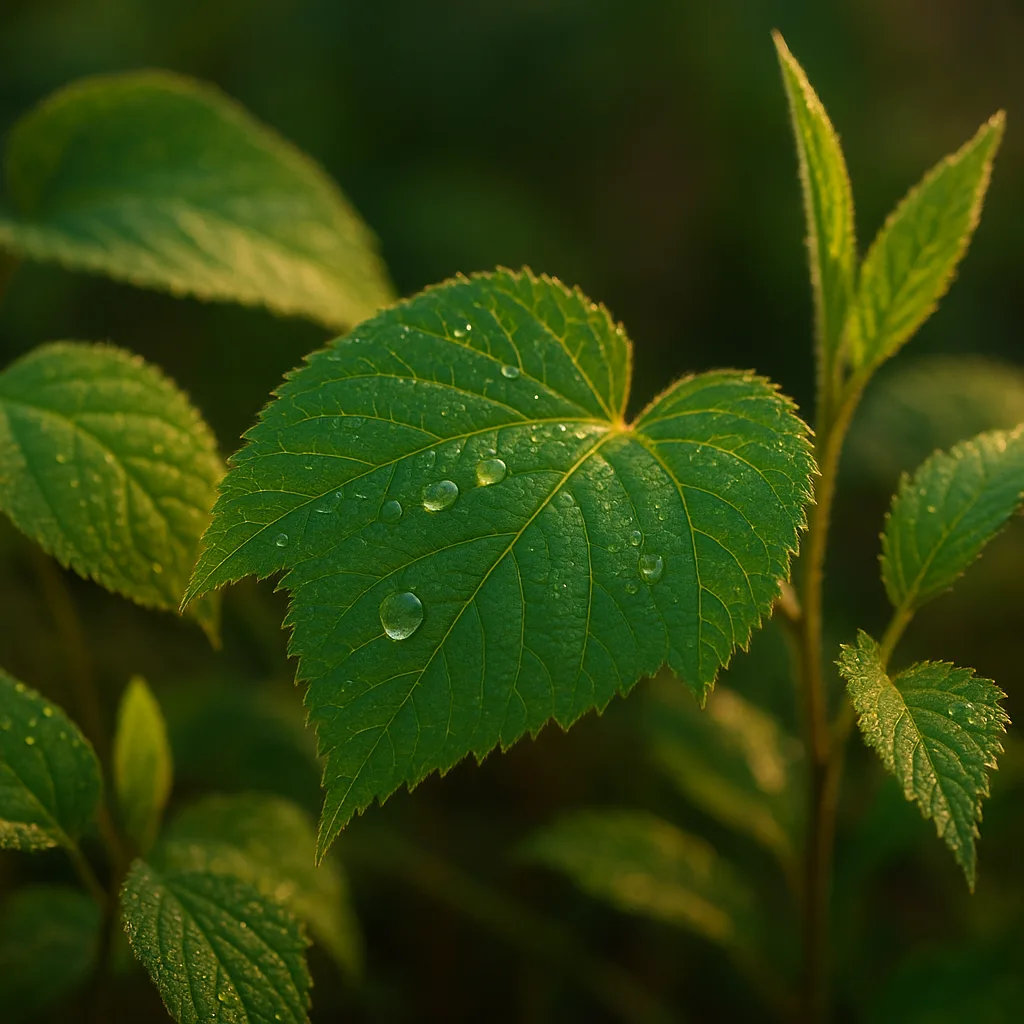
Key leaf features for accurate identification
Leaves are structured information. Focus on these six features first; they narrow identification dramatically.
- Shape — ovate, lanceolate, cordate (heart-shaped), palmate, pinnate, peltate (shield-like).
- Margin — entire (smooth), serrate (saw-toothed), crenate (rounded teeth), lobed.
- Venation — pinnate (single midrib with lateral veins), palmate (ribs spreading from one point), parallel (grasses), reticulate.
- Size — measure leaf blade length and width in cm; big-leaf species may exceed 30 cm or even 1 m.
- Texture and surface — glossy, matte, velvety (pubescent), succulent, leathery (coriaceous).
- Arrangement — alternate, opposite, whorled, basal rosette.
Practical tip: carry a small ruler or use your phone to photograph a leaf beside a coin for scale when using tools like Orvik to identify species from images.
Common foliage plants names and how to recognize them
This section covers popular plants people most often try to name when they see a leaf. Scientific names are included to avoid confusion.
Monstera and split-leaf types
- Monstera deliciosa — large, glossy, fenestrated leaves 25–90 cm long; fenestrations (holes) and deep lobes on mature leaves; pinnate-like venation; tropical understory native to Central America.
- Thaumatophyllum bipinnatifidum (formerly Philodendron selloum) — large deeply lobed leaves up to 80 cm wide, not fenestrated but highly lobed; thicker petiole; native to South America.
Rubber and fig relatives
- Ficus elastica (rubber plant) — large, leathery, elliptic leaves 15–30 cm long, deep glossy green or variegated; mid-rib prominent; indoor specimen native to southeast Asia.
- Ficus lyrata (fiddle-leaf fig) — fiddle-shaped leaves 20–45 cm long with obvious lobing toward the base; leathery surface.
Calathea, Maranta and prayer plants (patterned foliage)
- Stromanthe/Calathea/Maranta species — leaves 10–30 cm long with striking painted patterns (bands, herringbone, purple undersides); thin, soft texture; fold at night (nyctinasty); native to tropical Americas.
Heuchera, Begonia and red-leaf ornamentals
- Heuchera spp. (coral bells) — basal rosette of lobed leaves 3–10 cm across, often burgundy or red; used in temperate garden borders.
- Begonia rex — large asymmetric leaves 10–25 cm with metallic or red patterns and pronounced textured surfaces.
Hosta and shade-loving big-leaf perennials
- Hosta spp. — thick, often corrugated leaves 10–60 cm long; broad ovate to cordate shapes; notable for variegation; hardy in temperate zones.
Heart-shaped leaves: names and how to tell them apart
Searches like "heart shaped leaf name" or "heart shaped leaves plant name" are extremely common. Heart-shaped (cordate) leaves appear in unrelated genera; the subtle details separate them.
Common heart-shaped leaf plants
- Philodendron scandens (heartleaf philodendron) — small-to-medium cordate leaves 6–12 cm long, soft, glossy, thin; vines with petiole usually clasping nodes; common indoor climber.
- Epipremnum aureum (pothos) — sometimes heart-shaped but more waxy and thicker than philodendron; variegation common (gold or white); juvenile leaves are heart-shaped, mature leaves may develop lobes in high light.
- Hoya kerrii (sweetheart Hoya) — succulent, thick heart-shaped leaves 2–3 cm (pet plant varieties) up to 6–8 cm in outdoor specimens; opposite leaf pairs on a vine; leaves retain shape year-round.
- Anthurium andraeanum — glossy, cordate to lanceolate leaves 15–40 cm long; often mistaken for philodendron but has thicker petiole base and flowers with a spadix.
Philodendron vs. Pothos: how to tell them apart
- Texture: Philodendron scandens has softer, more matte leaves; pothos has a slightly waxier finish.
- Veins: Philodendron has less pronounced variegation veins; variegated pothos shows distinct patches of yellow/cream.
- Petiole and node: Pothos petiole often includes a sheathing base and aerial roots at nodes; philodendron nodes are more rounded.
- Leaf maturation: In high light some pothos develop fenestrations and lobes; philodendron tends to keep a heart shape unless it is a species that naturally fenestrates.
Big leaf plants names and measurements
Big-leaf plants are striking in the landscape and easy to identify by scale. Size thresholds are useful: medium 20–60 cm, large 60–150 cm, giant >150 cm.
For more on this topic, see our guide on A Field Guide to Naming Trees
.
Notable big-leaf species
- Gunnera manicata — leaves up to 2 m across in ideal, wet conditions; rough textured with a toothed margin; native to South America and widely cultivated in temperate wetlands.
- Alocasia macrorrhiza — elephant ear leaves 60–120 cm long, arrowhead-shaped, prominent veins; tropical Asia.
- Colocasia esculenta (taro) — peltate to sagittate leaves 30–90 cm long with a glossy surface; petiole emerges near the center of the leaf blade.
- Fatsia japonica — palmate leaves 20–50 cm across with 7–9 lobes; evergreen in mild climates; common in Japanese-style gardens.
Identification tips: note the petiole insertion (peltate vs basal), presence of lobes, and whether leaf surface repels water (hydrophobic wax) or holds droplets.
Red leaf plants and seasonal color changes
When someone searches "red leaf plant name" they may mean plants with permanent red foliage or those that turn red in autumn. Two different causes: constitutive pigments (anthocyanins) vs seasonal chlorophyll breakdown.
True red foliage species
- Acer palmatum 'Atropurpureum' (Japanese maple) — young leaves reddish to purple all season; leaf size 4–12 cm and palmately lobed.
- Heuchera spp. 'Palace Purple' — rosette leaves 5–10 cm, deep burgundy year-round in sun.
- Alternanthera ficoidea — low-growing tropical with bright red foliage 3–8 cm leaves; used as bedding plant.
- Cordyline terminalis (Ti plant) — lanceolate red or burgundy leaves 30–90 cm long; tropical landscaping.
Autumn red coloration
- Many temperate deciduous trees (Acer spp., Quercus rubra juvenile, Betula) produce red or orange in fall as chlorophyll degrades and anthocyanins form.
- Tip: fall-red leaves often have thinner blades and are seasonal — look at branch habit and whether leaves drop.
Safety note: many red-leaf ornamentals (e.g., Heuchera) are non-toxic to humans but may be mildly toxic to pets. Plants in the Araceae family (Philodendron, Dieffenbachia, Caladium) are toxic due to calcium oxalate crystals; keep away from pets and children.
You may also find our article on Mastering Oak Leaves: Identify Trees in the Field helpful.
Where leaves grow: habitat, distribution and seasonal behavior
Knowing where you found a leaf immediately narrows possibilities. Ask: forest understory, riparian edge, open field, roadside, potted houseplant, or greenhouse?
Habitat cues to consider
- Forest understory — expect thinner, larger leaves adapted to lower light (e.g., Monstera, Calathea).
- Open, sunny sites — thicker, smaller, often pubescent or waxy leaves to limit water loss (e.g., Heuchera, Alternanthera).
- Riparian or wet soils — peltate or very large leaves for quick water movement and shading (Gunnera, Colocasia).
- Urban pots and buildings — variegated leaves are common due to selective breeding (variegated Ficus, Pothos, Calathea varieties).
Geographic distribution: many popular indoor foliage plants originated in tropical Americas (Monstera, Philodendron), southeast Asia (Ficus), or Africa (Aeschynanthus). Garden plants like hostas, heucheras, and maples have temperate origins and display seasonal rhythms like dormancy and fall color.
Identification workflow: practical steps and using Orvik
Whether you are a gardener, hiker, or curious homeowner, follow a consistent workflow to move from observation to confident ID.
- Photograph multiple angles: top surface, underside, petiole base, whole plant for habit.
- Measure leaf length and width (cm) and note arrangement on stem: alternate, opposite, or basal rosette.
- Observe margin, venation, texture, and any scent when crushed.
- Note habitat and location (latitude/region) and season (flowering, fruiting, leaf-out).
- Use image-ID tools like Orvik to cross-check: upload clear photos with scale and habitat notes for AI-assisted suggestions, then verify against floras or trusted databases.
Orvik is particularly useful for quick field IDs from photos and can help separate lookalikes by pointing out subtle distinctions in venation or margin. Always confirm AI suggestions by checking a botanical description or local flora when accuracy is important.
You might also be interested in Goji Berries: A Field Guide to the Red Superfruit.
Comparison: lookalikes and how to separate them
Here are common confusions and the simplest visual cues to resolve them.
Related reading: How to Identify Maple Leaves in the Field.
Monstera deliciosa vs. Thaumatophyllum bipinnatifidum
- Monstera has fenestrations (holes) and petioles often with aerial roots; leaf split patterns appear as the leaf matures.
- Thaumatophyllum has deep lobes but rarely forms true holes; lobes are more regular and the leaf margin is more crenate.
Philodendron scandens vs. Epipremnum aureum (pothos)
- Philodendron: matte, thinner leaves; more delicate vine habit.
- Pothos: waxy leaves, common variegation; thicker petiole base and persistent sheathing at nodes.
Hosta vs. Ligularia (in shade gardens)
- Hosta: wide, rounded or heart-shaped leaves, petiole attached at base; often variegated.
- Ligularia: leaves often more orbicular with longer petiole and serrated margins; blooms tall yellow/orange flowers in summer.
Safety and toxicity: what leaf names tell you about risk
Many plants with attractive leaves are also mildly or seriously toxic. Two families deserve attention:
- Araceae (Philodendron, Dieffenbachia, Caladium, Colocasia) — contain calcium oxalate crystals that cause oral irritation, swelling, and digestive upset. Even small children or pets can be harmed by chewing leaves.
- Apocynaceae (Nerium oleander, some ornamental periwinkles) — many have cardiac glycosides; leaves are toxic if ingested.
Practical guidance: if you have pets or young children, avoid placing toxic-leaved plants within reach. Use authoritative databases like the ASPCA toxic plant list and cross-check identifications with Orvik or a local extension office.
Conclusion
Identifying leaf names is a practical skill that combines careful observation, measurement, habitat context, and comparison. From tiny heart-shaped leaves of Hoya kerrii to the giant blades of Gunnera manicata, the clues are in the shape, margin, venation, texture, and where the plant grows. Use the workflow above and tools like Orvik to speed ID, then confirm with botanical references when necessary. With practice you will move from uncertainty to confident identification and safer, more informed plant care.
Frequently Asked Questions
- How can I tell a heart-shaped leaf apart from a lobed leaf?
- Cordate (heart-shaped) leaves have a basal sinus forming the heart outline with a smooth margin; lobed leaves show indentations cutting toward the midrib that create multiple rounded or pointed lobes.
- What is a reliable size to call a plant a "big-leaf" species?
- Leaves over about 60 cm long are generally classed as large; over 150 cm are often called giant. Context matters—30 cm may be large in temperate gardens but small in tropical understories.
- Are red leaves always a sign of toxicity?
- No. Red leaves are usually due to pigments (anthocyanins) or seasonal chlorophyll loss. Toxicity is species-dependent; check authoritative toxic plant lists if ingestion is a concern.
- How accurate are AI tools like Orvik for identifying leaves?
- AI tools are useful for narrowing possibilities when given clear images with scale and habitat notes. They speed identification but should be verified against a flora or expert for critical decisions.
- What measurements should I record when identifying a leaf?
- Record leaf blade length and width (cm), petiole length, margin type, venation pattern, and arrangement on the stem (alternate/opposite/whorled). These data greatly reduce candidate species.
- Can two unrelated plants have identical leaf shapes?
- Yes. Convergent evolution can produce similar leaf forms across families (e.g., heart-shaped leaves in multiple genera). Use texture, venation, and habitat to distinguish them.
- What are the best field tools for leaf identification?
- A small ruler, 10x hand lens, camera for multiple-angle photos, an image-ID tool like Orvik for quick suggestions, and a regional field guide or flora for verification.