
Overview: What is a poisonous flower?
Many plants produce toxins as chemical defenses against herbivores, insects and disease. When those toxins are concentrated in flowers, seeds, bulbs or sap, the plant is commonly described as poisonous. For people searching for "names of poisonous flowers," the real intent is usually practical: they want to know which species are hazardous, how to recognize them, where they grow and what to do if someone — or a pet — is exposed.
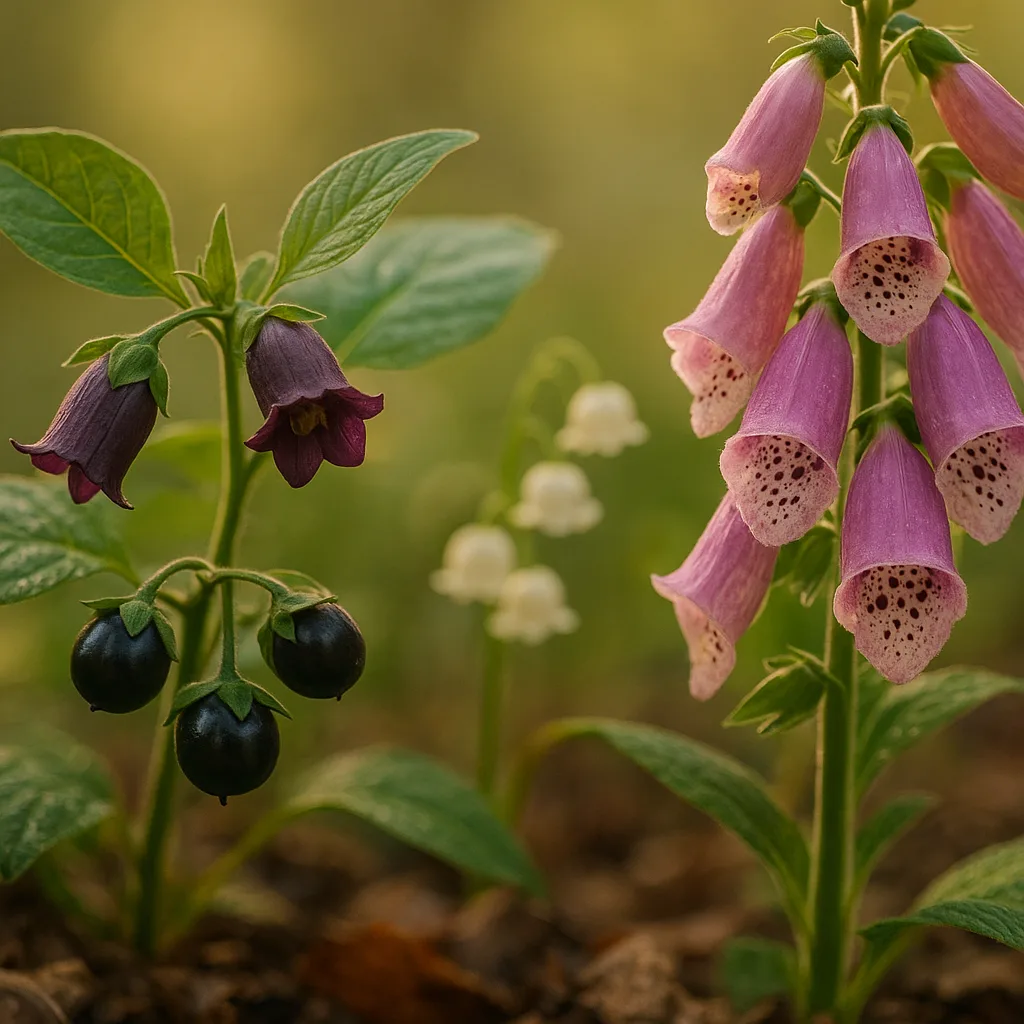
- Poisonous plant: any plant that contains chemicals capable of causing illness, injury or death when touched or ingested.
- Toxic parts: flowers, leaves, stems, bulbs, seeds and sap can all carry toxins; in many species bulbs and seeds are the most concentrated.
- Risk factors: age (children are more vulnerable), body weight, route of exposure (ingestion, dermal contact, inhalation) and amount.
Most dangerous names of poisonous flowers (key species)
Below are some of the best-known and most hazardous flowering plants encountered in gardens, roadsides and wild habitats. Each entry includes the scientific name, a short description, visual identification clues, distribution and a toxicity note.
Aconitum (Monkshood / Aconite)
- Scientific name: Aconitum napellus and related species
- Appearance: Spike of hood-shaped (helmet-like) flowers, deep blue to purple or yellow; individual flowers ~2–3 cm across; plants 50–150 cm tall.
- Habitat & distribution: Cool, moist mountain meadows and wood margins across Europe, Asia and North America (as ornamentals).
- Toxicity: Contains aconitine and related alkaloids. Skin contact with crushed leaves can produce numbness and cardiac signs; ingestion can be fatal. Treat as a high-risk species.
Nerium oleander (Oleander)
- Scientific name: Nerium oleander
- Appearance: Evergreen shrub 2–6 m tall; clusters of funnel-shaped flowers 2.5–5 cm across in white, pink, red; long, leathery lanceolate leaves 10–25 cm.
- Habitat & distribution: Native to the Mediterranean and widely planted worldwide in warm climates and urban landscaping.
- Toxicity: All parts contain cardiac glycosides (oleandrin). Even small doses can cause severe cardiac arrhythmias. Many reported poisonings worldwide.
Ricinus communis (Castor bean)
- Scientific name: Ricinus communis
- Appearance: Tall shrub or small tree 1–4 m; large palmate leaves 15–45 cm; clusters of spiny seed pods with glossy, mottled seeds ~5–10 mm.
- Habitat & distribution: Native to Africa and the Middle East; cultivated worldwide for ornamental and industrial uses.
- Toxicity: Seeds contain ricin, a very potent toxin. A few chewed seeds can be life-threatening, especially to children. Handle seed pods with care.
Atropa belladonna (Deadly nightshade)
- Scientific name: Atropa belladonna
- Appearance: Herbaceous perennial 50–150 cm tall; bell-shaped purple flowers ~2–3 cm; shiny black berries 1–1.5 cm diameter.
- Habitat & distribution: Shade and woodland edges in Europe, parts of Asia and introduced areas.
- Toxicity: Contains tropane alkaloids (atropine, scopolamine). Berries are deceptively attractive and can cause severe anticholinergic poisoning if eaten.
Digitalis purpurea (Foxglove)
- Scientific name: Digitalis purpurea
- Appearance: Tall spikes to 1–2 m with tubular, bell-shaped flowers 3–5 cm, usually purple but also pink, white or yellow; basal rosette of hairy leaves 20–60 cm long.
- Habitat & distribution: Woodland clearings, hedgerows and gardens in Europe, widely cultivated worldwide.
- Toxicity: Contains cardiac glycosides (digitoxin-like compounds). Small amounts can produce nausea, vision changes and life-threatening cardiac arrhythmias.
Colchicum autumnale (Autumn crocus / Meadow saffron)
- Scientific name: Colchicum autumnale
- Appearance: Cup-shaped purple-pink flowers 3–6 cm across emerging in autumn from corms; no leaves at flowering time (leaves appear later).
- Habitat & distribution: Damp meadows and grasslands in Europe; used as an ornamental.
- Toxicity: Contains colchicine, a mitotic inhibitor. Ingestion can cause severe gastrointestinal distress, multi-organ failure and death in high doses.
Cicuta virosa (Water hemlock)
- Scientific name: Cicuta virosa and related species
- Appearance: Tall perennial to 1.5 m; umbels of white flowers (Umbelliferae/Apiaceae) 2–4 mm; hollow stems with purple streaks; compound pinnate leaves 15–40 cm.
- Habitat & distribution: Wet meadows, stream margins and marshes in temperate regions of the Northern Hemisphere.
- Toxicity: One of North America and Europe’s most toxic plants — contains cicutoxin. Rapid onset of violent seizures and can be fatal.
Blue flowers that are poisonous
Blue flowers are often prized in gardens, but several blue or blue-purple species are toxic. Here are common examples and how to recognize them.
- Aconitum (Monkshood): Deep blue to purple, hooded flowers; highly toxic if touched or ingested.
- Delphinium (Larkspur): Tall spikes of intense blue or cobalt flowers, 3–5 cm across; contains diterpenoid alkaloids toxic to livestock and humans.
- Hyacinthoides non-scripta (English bluebell): Nodding, bell-shaped blue flowers along a 10–30 cm raceme; bulbs are poisonous (containing glycosides).
Delphinium vs Monkshood: how to tell a blue danger
- Flower shape: Delphinium flowers have a distinct spur at the back of each flower, while Aconitum flowers form a hooded "helmet."
- Leaf shape: Delphinium leaves are palmate with narrow lobes; Aconitum leaves are deeply divided but different in texture.
- Habitat & season: Both bloom in late spring to early summer; monkshood favors cooler mountain sites while delphiniums are common in cultivated beds.
Beautiful but deadly: common ornamental flowers that are poisonous
Gardeners and florists often encounter striking plants that are toxic. Knowing the specific names of poisonous flowers helps avoid accidents.
For more on this topic, see our guide on How to Identify Flowers in the Field.
- Narcissus / Daffodil: Yes — bulbs contain lycorine and other alkaloids. Ingestion causes nausea, vomiting and diarrhea; bulbs are more toxic than the petals.
- Convallaria majalis (Lily of the Valley): Small white bell flowers; all parts contain cardiac glycosides and can cause serious heart effects.
- Rhododendron & Azalea: Contain grayanotoxins; even small amounts of nectar or leaves can cause dizziness, hypotension and vomiting.
- Brugmansia / Datura (Angel's trumpet): Large pendulous trumpets or erect trumpets, respectively; contain potent anticholinergic alkaloids and can cause hallucinations and coma.
Is daffodil poisonous?
Yes. Daffodils (Narcissus spp.) contain lycorine and other alkaloids concentrated in the bulbs. Ingestion can cause immediate gastrointestinal upset, and large amounts may produce heart rhythm disturbances. Children and pets are particularly at risk if bulbs are chewed.
Is the black bat flower poisonous?
The black bat flower (Tacca chantrieri) is an exotic, dramatic plant with bat-like black bracts. There is limited evidence that it is highly poisonous to humans. It is not commonly listed among the most toxic ornamentals; however, as with many tropical ornamentals, ingestion could cause mild gastrointestinal upset or allergic reactions. Until specific toxicology is available, treat it as potentially irritating: avoid ingestion, and keep away from children and pets. If you use Orvik to identify an unfamiliar exotic, it will flag species with documented toxicity so you can take precautions.
You may also find our article on Field Guide to Identifying Flowers with AI Tools helpful.
How to identify poisonous flowers in the field: practical tips
Identification combines flower morphology, leaf arrangement, growth habit and habitat. These practical visual cues help you recognize dangerous species quickly.
- Flower shape & size: Note whether flowers are tubular, bell-shaped, spurred, or in umbels. Measure approximate diameter (cm) and length (cm) when possible.
- Color & pattern: Bright, glossy berries (e.g., belladonna) or contrasting throat markings (foxglove) often indicate concentrated toxins to deter animals.
- Leaves: Single vs compound leaves, margin shape (serrated, entire), and leaf length (cm) are diagnostic.
- Stem & sap: Is sap milky or clear? Sticky or watery? Some toxic species have irritant sap.
- Bulbs & seeds: Bulbs (daffodil, allium relatives) are often toxic. Note seed pod morphology (spiny pods of castor bean, smooth berries of nightshade).
- Habitat clues: Wet meadow vs dry scrub vs woodland edges narrows down likely species.
Tools: Using Orvik for field identification
- Snap a clear photo of the flower, leaves and whole plant. Orvik's visual ID can help match the plant to documented species and flag toxicity information.
- Cite the habitat and season when you upload — many apps, including Orvik, weigh location and bloom time in identification accuracy.
- When in doubt, err on the side of caution: do not touch or taste an unidentified plant.
Quick ID: common visual markers
- Bell-shaped, waxy white bells in spring with red berries later — think Atropa or Convallaria.
- Spike of tubular bells with spotted throats — likely Digitalis (foxglove).
- Large trumpet flowers with hanging habit — Brugmansia (angel's trumpet) — treat as toxic and hallucinogenic.
- Dense clusters of small, star-shaped flowers with spiny seed pods afterward — check for Ricinus (castor).
Comparison: How to tell similar species apart
People often confuse toxic and non-toxic lookalikes. These direct comparisons help you distinguish dangerous plants in the field.
Looking beyond this category? Check out Goji Berries: A Field Guide to the Red Superfruit.
Monkshood (Aconitum) vs Delphinium
- Monkshood: Hooded, helmet-shaped upper sepal forming a "monk's hood"; leaves more rounded and deeply lobed; prefers cooler, moist sites.
- Delphinium: Spurred flowers with a distinct backward projection; leaves palmately divided with narrow lobes; many garden cultivars produce taller, more open spikes.
Daffodil (Narcissus) vs Tulip
- Daffodil: Central trumpet (corona) surrounded by six tepals; bulbs are toxic (lycorine); leaves strap-like 1–2 cm wide.
- Tulip: Cup-shaped flowers without a distinct corona; bulbs less toxic (can still cause GI upset but typically milder).
Oleander vs Other Shrub Flowers
- Oleander’s long leathery leaves (10–25 cm) in whorls of three, plus dense clusters of five-petaled funnel flowers, are distinctive. If in a warm climate and shrub-like, assume oleander until proven otherwise.
Safety, first aid and prevention
Knowledge of names of poisonous flowers is useful only if paired with practical safety steps. Below are immediate actions and prevention measures for household and outdoor encounters.
Related reading: Field Guide to Flower Names.
What to do if exposed
- If the plant was ingested, keep calm and call your local poison control center or emergency services immediately. Have a photo or the plant sample ready (Orvik can help identify the species by image).
- Do not induce vomiting unless instructed by medical professionals.
- If sap contacted skin, rinse thoroughly with soap and water. Remove contaminated clothing.
- If eye exposure occurred, flush eyes with clean water for 15–20 minutes and seek medical attention.
- For pets, contact a veterinarian promptly and bring a photo or sample of the plant.
Prevention and safe handling
- Label and segregate known toxic plants in home gardens from edible crops.
- Wear gloves when pruning, handling bulbs or cutting stems.
- Educate children about "do not eat" rules for any wild or garden plant. Supervise curious toddlers around bulbs and berries.
- Dispose of cuttings and seed pods away from compost used for edible gardens; many toxins persist after cutting.
Seasonality, habitats and geographic notes
Understanding when and where toxic flowers appear helps with seasonal risk management and accurate identification.
- Spring bloomers: Foxglove, bluebells, daffodils — high exposure risk during spring garden work and hikes.
- Summer bloomers: Oleander, delphinium, many rhododendrons and azaleas.
- Autumn bloomers: Colchicum (autumn crocus) blooms in fall — bulbs and leaves may be mistaken for safe bulbs in autumn gardening.
- Wetland specialists: Water hemlock and some hellebore species prefer marshy ground — avoid picking water-edge plants for bouquets.
Geographic tips
- Check local flora guides: many toxic species are region-specific (e.g., Cicuta in temperate wetlands vs Ricinus in warmer zones).
- Orvik’s geolocation-aware identification can refine matches by giving likely local species based on your coordinates.
Conclusion
When people search for "names of poisonous flowers," they are looking for clear, usable information: which plants are dangerous, how to spot them, where they grow and how to stay safe. This guide highlights the most important species you are likely to encounter and gives practical visual cues, habitat notes and safety steps. If you ever find an unfamiliar flower, take a clear photo of the whole plant and close-ups of flowers, leaves and seed pods and use a tool like Orvik to confirm identification and get safety guidance. When in doubt, treat unknown plants as potentially poisonous and avoid contact.
Frequently Asked Questions
- What is the most poisonous flower in the world?
- There is no single definitive "most poisonous" flower—risk depends on toxin potency, concentration and exposure route. Castor bean (Ricinus communis) seeds contain ricin and are extremely dangerous; monkshood (Aconitum) contains potent aconitine and can be toxic by skin contact; oleander (Nerium oleander) is widely toxic and responsible for many fatalities. The "most poisonous" often depends on context.
- Is daffodil poisonous to people and pets?
- Yes. Daffodil (Narcissus spp.) bulbs contain alkaloids such as lycorine and can cause nausea, vomiting and diarrhea if ingested. Large amounts may cause more severe effects. Keep bulbs away from children and pets, and wear gloves when handling.
- Is the black bat flower poisonous?
- The black bat flower (Tacca chantrieri) is not commonly listed among highly toxic plants; documented cases of severe poisoning are rare. However, because exotic plants can still cause gastrointestinal upset or allergic reactions, avoid ingestion and keep them away from pets and children.
- Which blue flowers are poisonous?
- Several blue or blue-purple flowers are toxic, including monkshood (Aconitum), delphinium (larkspur) and English bluebell (Hyacinthoides non-scripta). Visual identification—flower shape, leaf form and habitat—helps distinguish them.
- What should I do if someone eats a poisonous flower?
- Call your local poison control center or emergency services immediately. Provide information about the plant (photo, sample, amount eaten) and follow instructions. Do not induce vomiting unless directed by a professional. For pets, contact your veterinarian right away.
- How can I safely identify plants in the field?
- Take clear photos of the flower, leaves and whole plant, note habitat and season, and use a reliable visual ID tool such as Orvik to match species. Learn key visual markers—flower shape, leaf arrangement, seed pod type—and when in doubt, avoid touching or ingesting.
- Are all parts of a poisonous flower toxic?
- Not always, but many toxic species concentrate poisons in certain parts: bulbs and seeds are often most dangerous, but leaves, flowers, stems and sap can also be toxic or irritating. For safety, treat the entire plant as potentially toxic unless authoritative sources say otherwise.