
When someone searches for "tree names" they usually want more than a list: they want to identify a living tree in the field, understand its scientific name, learn what family it belongs to, and know any seasonal or safety issues. This comprehensive guide approaches tree names like a naturalist — combining taxonomy, visual ID cues, habitat and geography, and practical tips you can use now. Use it alongside tools such as Orvik, which can speed identification with AI-powered visual recognition.
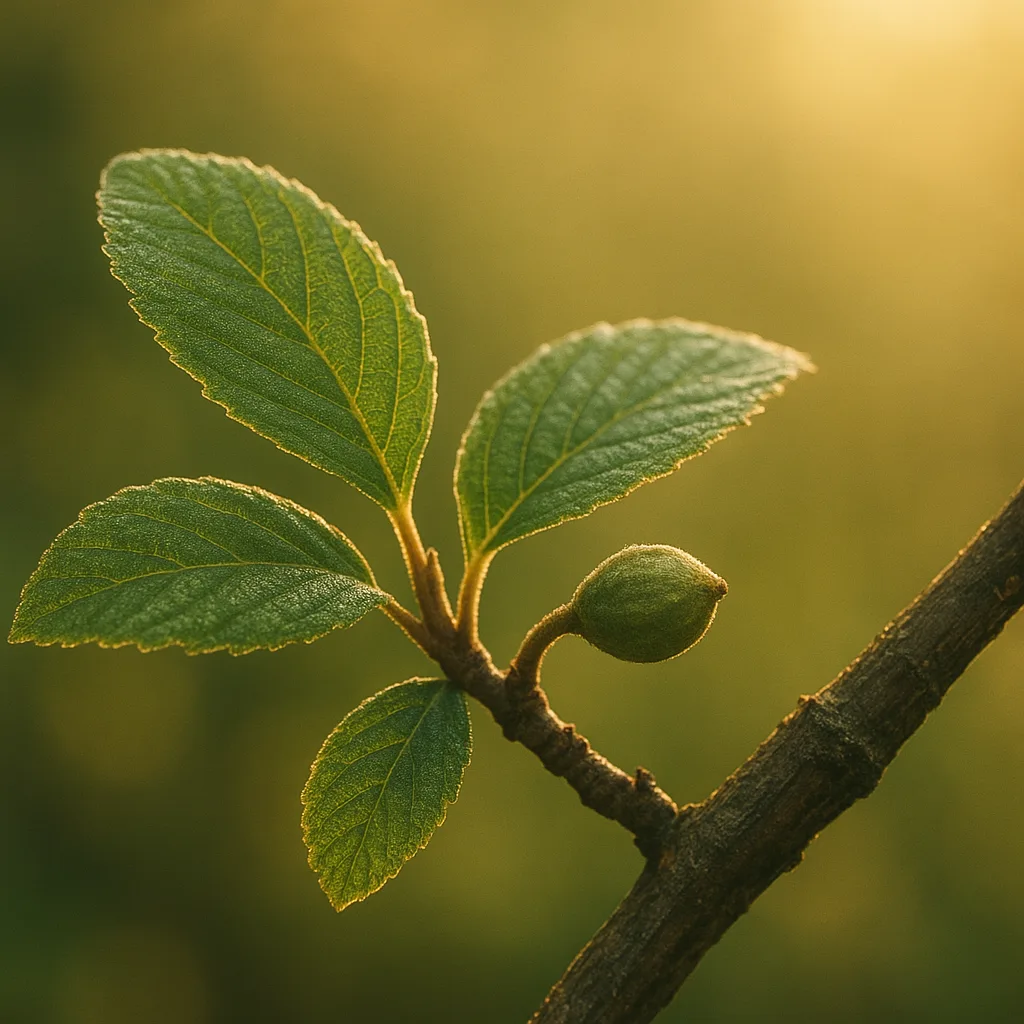
Why names matter: common names vs scientific names
Names shape how we communicate about trees. A single common name can refer to multiple species, while a scientific name pinpoints a species worldwide. The scientific name for a tree follows binomial nomenclature — a two-part format: Genus species (for example, Quercus robur for English oak).
- Precision: Scientific names (e.g., Acer saccharum) reduce ambiguity; there are ~1,200 species in the genus Acer (maples) globally.
- Classification: Family names (like Fagaceae or Pinaceae) tell you evolutionary relationships and often shared traits such as leaf type or fruit form.
- Practical uses: For forestry, horticulture, medicine and safety, a correct scientific name is essential — for example, Nerium oleander (oleander) is highly toxic.
How a scientific name is structured
- Genus: Capitalized; groups closely related species (e.g., Betula = birches).
- Specific epithet: Lowercase; identifies the species (e.g., Betula pendula = silver birch).
- Authority and hybrids: Sometimes names include the author or an "×" for hybrids (e.g., Platanus × acerifolia).
How to identify trees: practical visual cues
Identification is about systematic observation. To identify tree names reliably, check five visible characters: leaves, bark, fruit/flowers, overall form, and habitat. Here are field-tested cues with measurable details.
Leaves
- Type: simple (single blade) vs compound (several leaflets). Example: Aesculus hippocastanum (horse chestnut) has palmate compound leaves with 5–7 leaflets, each 10–20 cm long.
- Shape: ovate, lanceolate, cordate, linear. Maple leaves are typically 5-lobed and 8–20 cm across.
- Margin: serrated, entire, lobed. Oak species like Quercus robur have lobed margins with rounded or pointed sinuses.
- Venation: pinnate vs palmate. Palmate venation (several main veins radiating from a point) is typical of Acer (maples).
Bark
- Texture: smooth, fissured, peeling. Young beech (Fagus sylvatica) bark is smooth and grey; mature bark often becomes fissured in oaks.
- Color and pattern: cinnamon-brown peeling bark signals paperbark maple (Acer griseum) or Arbutus species.
- Thickness: conifers like pines have thicker, resinous bark compared to thin-barked birches.
Flowers, fruit and seeds
- Taste the timing: spring-flowering magnolias bloom before leaves; cherries (Prunus) flower early spring and then produce 1–2 cm drupes.
- Fruit form: acorns (oaks), samaras (maples), cones (pines), nuts (hazelnut Corylus avellana).
- Color and arrangement: clusters, spikes, panicles — e.g., lilac-like panicles in some Syringa.
Form, height and branching
- Height ranges: small ornamental trees 3–8 m (e.g., crabapple Malus), canopy trees 20–40+ m (e.g., Quercus oaks).
- Branching pattern: opposite (maples, ashes) vs alternate (oaks, cherries) leaf arrangement helps separate families.
- Crown shape: columnar (some poplars), rounded (many oaks), pyramidal (young spruces).
Habitat and distribution
- Note soil moisture: willows (genus Salix) prefer riparian, waterlogged soils; jack pine (Pinus banksiana) tolerates sandy, acidic soils.
- Geography: check native ranges — e.g., Sequoia sempervirens (coastal redwood) is native to a ~750 km coastal strip in northern California and southern Oregon.
- Altitude: some species are montane (e.g., European silver fir Abies alba up to 1,600 m in the Alps), others lowland.
Tip: photograph a whole tree, a close-up of bark, a leaf, and any fruit or flowers. When in doubt, upload images to Orvik for a rapid initial ID — then verify using botanical keys.
Major tree families and what their names tell you
Families group genera that share traits. Recognizing a family can quickly narrow down tree names.
For more on this topic, see our guide on Naming Leaves: A Field Guide.
- Fagaceae (Beech family): Includes Quercus (oaks, ~600 species), Fagus (beeches), Castanea (chestnuts). Distinctive: simple alternate leaves, nut fruit (acorns, chestnuts).
- Pinaceae (Pine family): Pinus, Abies, Picea. Needles and cones; many are evergreen and resinous.
- Rosaceae (Rose family): Fruit-bearing trees like Prunus (cherries), Malus (apples). Flowers often five-petaled.
- Sapindaceae: Includes maples (Acer) and soapberries; characteristic samara seeds in maples.
- Betulaceae: Birch family (Betula, Alnus), small to medium trees with catkins and thin bark.
Family-based ID tips
- If you see needles in bundles (2–5), think Pinus (pines); if needles are single and attached to short pegs, consider Picea (spruces).
- Simple alternate leaves with acorn-like nuts strongly point to Fagaceae (oaks, chestnuts).
- Opposite leaves (two at a node) commonly mean maples (Acer) or ashes (Fraxinus).
Flowering trees: common names and identification
Flowering trees are prized in landscapes for seasonal display. Below are widely planted and native flowering trees to know.
- Magnolia (Magnolia spp.): Large, often fragrant flowers 10–30 cm across; bloom early spring before leaves on many species (e.g., Magnolia × soulangeana).
- Cherry / Sakura (Prunus serrulata): Pink to white blossoms in early spring, 1–2 cm petals, forming showy clusters.
- Redbud (Cercis siliquastrum): Pea-like pink flowers that appear on bare branches in early spring.
- Crape myrtle (Lagerstroemia indica): Summer-blooming panicles of pink, lavender or white flowers; smooth mottled bark.
Identification tips for flowering trees
- Note bloom timing: spring vs summer vs fall — helps narrow species dramatically.
- Flower shape: bell, tubular, star-shaped, or pea-like — each maps to different families.
- Fragrance: magnolia and hawthorn may be scented; fragrance can help in field ID.
Japanese tree names and cultural context
Japanese common names are widely used in horticulture and cultural contexts. Knowing these names alongside scientific names helps when traveling, reading historical texts, or selecting plants for gardens.
- Sakura (桜) — Prunus serrulata: The iconic cherry blossom; small tree, 4–12 m tall, flowers in early spring with a 7–10 day peak bloom.
- Icho / Ginkgo (イチョウ) — Ginkgo biloba: Fan-shaped leaves, brilliant yellow in autumn, dioecious (male/female trees), females produce malodorous fruit.
- Sugi (杉) — Cryptomeria japonica: Tall conifer used in Japanese cedar forests; can reach 50 m with a straight trunk.
- Keyaki (欅) — Zelkova serrata: Elm-like leaves, vase-shaped crown, valued for timber and city planting.
- Matsu (松) — Pinus thunbergii and others: Distinctive two-needle or five-needle pines used in bonsai and landscape.
When translating local names, be aware that one Japanese name can refer to multiple species or cultivars. Use the scientific name for precision. For rapid on-site translation and identification, tools like Orvik can recognize leaves and flowers and provide likely scientific names.
You may also find our article on Mastering Oak Leaves: Identify Trees in the Field helpful.
Common tree names list: 30 widely encountered trees
Below is a practical list of common tree names with their scientific names and a one-line ID cue. This addresses the common search intent: a quick, authoritative reference.
- English oak — Quercus robur: lobed leaves, acorns, large spreading crown.
- Silver birch — Betula pendula: white peeling bark, triangular leaves with serrated edges.
- Sugar maple — Acer saccharum: 5-lobed leaves, brilliant fall color, paired samaras.
- Norway spruce — Picea abies: drooping branchlets, elongated cones, single needles on pegs.
- Common beech — Fagus sylvatica: smooth grey bark, oval leaves, beechnuts in husks.
- Scots pine — Pinus sylvestris: two-needle bundles, orange flaky bark on upper trunk.
- European ash — Fraxinus excelsior: opposite pinnate leaves, winged samaras.
- Horse chestnut — Aesculus hippocastanum: palmately compound leaves, large conker fruits.
- American sycamore — Platanus occidentalis: mottled exfoliating bark, large lobed leaves.
- Common lime / linden — Tilia cordata: heart-shaped leaves, fragrant bracted flowers.
- Walnut — Juglans regia: pinnate leaves, edible round nuts in a green husk.
- Black locust — Robinia pseudoacacia: pinnate leaves, fragrant pea-like flowers, thorny branches.
- Rowan / Mountain ash — Sorbus aucuparia: pinnate leaves, clusters of orange-red berries.
- Hawthorn — Crataegus monogyna: lobed leaves, white spring flowers, red haws in autumn.
- Magnolia — Magnolia grandiflora (or hybrids): large leathery leaves, huge fragrant flowers.
- Cherry (wild) — Prunus avium: white blossoms, smooth bark with horizontal lenticels, small cherries.
- Chestnut — Castanea sativa: long serrated leaves, spiny burrs with nuts.
- Olive — Olea europaea: grey-green narrow leaves, small white flowers, olives.
- Eucalyptus — Eucalyptus globulus: aromatic leaves, peeling bark, lanceolate leaves.
- Red maple — Acer rubrum: red spring flowers and often red fall color; 3–5 lobed leaves.
- Black walnut — Juglans nigra: very dark furrowed bark, strong-smelling nuts.
- Olive willow — Salix alba: narrow silver-backed leaves, catkins in spring.
- Japanese cedar — Cryptomeria japonica: reddish fibrous bark and spirally arranged leaves.
- London plane — Platanus × acerifolia: patchy bark, large maple-like leaves.
- Crape myrtle — Lagerstroemia indica: summer blooms, smooth mottled bark, small oval leaves.
- Yew — Taxus baccata: flat needles, red arils, highly toxic seeds.
- Chestnut of India (horse chestnut) — Aesculus hippocastanum: see #8.
- Sequoia (coast redwood) — Sequoia sempervirens: tallest trees on Earth, can exceed 100 m in native range.
Comparisons: How to tell similar trees apart
Many ID errors come from confusing look-alikes. Here are direct comparisons and clear visual cues to separate species that commonly get mixed up.
You might also be interested in Field Guide to Visual ID with Orvik.
- Oak vs Maple:
- Leaves: Oaks have alternate lobed leaves with rounded or pointed sinuses; maples have opposite, palmately lobed leaves.
- Fruit: Oaks produce acorns; maples produce paired samaras (winged seeds).
- Birch vs Alder:
- Bark: Birches (Betula) often have papery white bark that peels; alders (Alnus) have darker, more fissured bark and persistent woody catkins.
- Habitat: Alders are strongly associated with wet soils and riverbanks.
- Willow vs Poplar:
- Leaves: Willows have narrow, lanceolate leaves often with a silvery underside; poplars (Populus) have broader triangular to ovate leaves.
- Catkins and bark: Poplars have thicker bark and often larger catkins in spring.
- Japanese cherry vs Plum:
- Flowers: Cherry blossoms often have a small notch at the petal tip and bloom in clusters; plum blossoms can appear singly with rounder petals.
- Bark and buds: Cherry bark often shows horizontal lenticels and buds in clusters; plum buds are solitary.
When in doubt, photograph the leaf arrangement (opposite vs alternate), the fruit, and the bark pattern. Uploading these to Orvik can give you candidate species and help focus which morphological features to examine next.
Related reading: How to Recognize Maple Trees in the Field.
Safety, uses, and conservation
Trees are resources but sometimes hazards. Know which tree names imply toxicity or allergenicity, and how species are used and conserved.
- Toxic trees: Nerium oleander (oleander) contains cardiac glycosides and is lethal if ingested; Taxus baccata (yew) seeds and leaves contain taxine alkaloids that can cause fatal poisoning in small doses.
- Allergens: Many wind-pollinated trees (male poplars, some oaks, birches) produce copious pollen in spring. Tree pollen can travel tens of kilometers on the wind.
- Edible and useful: Castanea sativa (sweet chestnut) edible nuts; Juglans regia (walnut) nuts and high-value timber. Be mindful of harvest regulations and invasive species laws.
- Conservation status: Some trees like certain mahogany species and native oaks are threatened by habitat loss and logging. Check IUCN Red List or local conservation lists for status.
When planting, prefer native species to support local wildlife. For rapid, safe identification of poisonous species before handling or consumption, use tools like Orvik for initial recognition and then consult regional field guides.
Conclusion
Searching for "tree names" often signals a desire to identify a tree in the moment, understand its scientific identity, and learn how it behaves across seasons and habitats. Armed with knowledge of leaf and bark cues, family traits, and regional names (like Japanese tree names), you can narrow possibilities quickly. Capture photos of leaves, bark, flowers and fruit, and use Orvik or a botanical key for confirmation. Accurate naming opens doors to proper care, safe use, and deeper appreciation of trees in landscapes and wild places.
Frequently Asked Questions
- What is the scientific name for a tree and why is it important?
- A scientific name follows binomial nomenclature: Genus + species (e.g., Quercus robur). It provides a universal, unambiguous identifier used by botanists and foresters worldwide.
- How can I quickly identify a tree by name?
- Photograph leaf arrangement, leaf shape, bark texture, flowers or fruit, and habitat. Use these features against a key or an app like Orvik to get a rapid identification, then confirm with a field guide.
- What are common family names for trees and their traits?
- Examples: Fagaceae (oaks, beeches) often have nuts; Pinaceae (pines, firs) have needles and cones; Rosaceae includes many fruit trees with five-petaled flowers.
- Can I rely on common names when looking up a tree?
- Common names can be ambiguous—one name may refer to multiple species across regions. Always verify with a scientific name for precision.
- Which trees are poisonous or dangerous to touch or eat?
- Notable toxic trees include Nerium oleander and Taxus species. Some trees have poisonous seeds or bark; never ingest plant parts unless positively identified as edible.
- How do Japanese tree names relate to scientific names?
- Japanese common names like Sakura, Icho, Sugi correspond to scientific names: Sakura = Prunus serrulata, Icho = Ginkgo biloba, Sugi = Cryptomeria japonica. Use the scientific name for exact identification.
- What is the best way to tell maples from oaks?
- Check leaf arrangement and seed type: maples have opposite, palmately lobed leaves and samara fruits; oaks have alternate lobed leaves and acorns.