
Why people ask "what plant is this" and what they really need
When someone searches "what plant is this" or "what is this plant called," they're rarely just curious about a label. They want a practical answer: is it edible or poisonous, how to care for it, whether it's invasive, or what to do about damage or pests. Photo-based plant identification answers these needs quickly by combining visual cues with habitat and seasonal context.
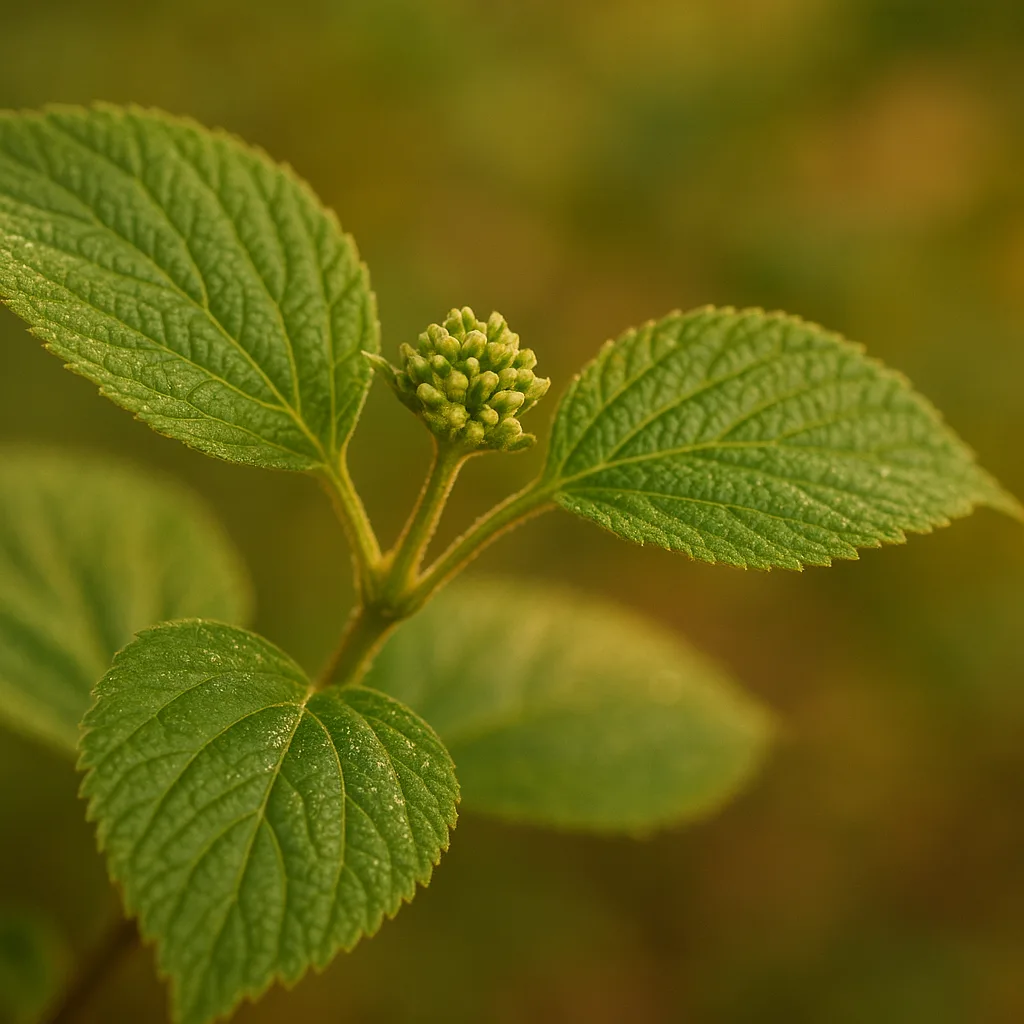
- Common intents: identification, care tips, safety, control/removal, provenance.
- Search phrases you may use: "what plant is this picture", "picture this plant id", "what is this on my plant".
- Tools: apps like Orvik and other free ID options can speed the process if you supply good photos.
How to approach plant identification from a photo
Good identification starts with good evidence. A single fuzzy photo of a leaf rarely suffices. Follow a methodical photo routine so a human or AI (like Orvik) can make an accurate call.
Essential photos to take
- Whole plant shot: shows overall habit (tree, shrub, vine, herb) — stand 3–10 m back for trees, 1–3 m for shrubs.
- Leaf close-ups: top and underside, include scale (a coin or ruler) — leaf length in cm is useful.
- Stem/trunk: show bark texture, lenticels, nodes, thorns if present.
- Flowers/fruits: multiple angles; flowers are often diagnostic — note size in mm or cm.
- Habitat context: soil type, surrounding plants, sun exposure, elevation if possible.
Practical photo tips
- Lighting: diffuse daylight (overcast or shade) avoids blown highlights and dark shadows.
- Focus: tap to focus on the subject; use portrait mode for small plants to keep the background readable.
- Scale: include a ruler, coin, or your finger for size reference.
- Multiple angles: take at least 6–8 images as listed above to increase ID accuracy.
- Time stamp & location: enable GPS on your camera for location-based clues (important for range-restricted species).
Key visual cues: what to look for and measure
Botanists and good plant-ID apps rely on a checklist of traits. Below are the most diagnostic features and how to record them precisely.
Leaves
- Arrangement: alternate, opposite, or whorled. Example: Acer spp. (maples) have opposite leaves; Quercus spp. (oaks) have alternate leaves.
- Type: simple vs compound. Compound leaves can be pinnate (rows of leaflets) e.g., Fraxinus excelsior (ash), or palmate like Aesculus hippocastanum (horse chestnut).
- Size: measure length and width in cm (e.g., 6–12 cm long; 3–5 cm wide).
- Margin: entire, serrated, lobed, crenate. Note serration spacing: fine vs coarse.
- Surface texture and venation: glabrous (smooth), pubescent (hairy), glossy, matte; pinnate or palmate veins.
Stems, bark and growth form
- Stem cross-section: round, square (certain Lamiaceae mints), or ridged.
- Bark: smooth, scaly, fissured; color and exfoliation pattern. Example: Betula pendula (silver birch) peels white in papery strips.
- Habit: erect, prostrate, climbing, twining, clumping, single-trunked tree.
Flowers and fruits
- Flower symmetry: radial vs bilateral; number of petals and sepals (e.g., Fabaceae often have 5 petals with a banner, wings, and keel).
- Color and size: measure corolla diameter in mm; record dominant colors and patterns (spots, stripes).
- Flowering time: month and duration (e.g., Rhododendron flowering in April–May for temperate zones).
- Fruit type: capsule, drupe, berry, samara (maple winged seeds). Note color and maturation time.
Habitat, geographic distribution and seasonal behavior
Where a plant grows and when it displays key features often narrows ID to a few species. Include habitat and season information with your photos or queries like "what plant is this" to make identification faster and more accurate.
- Habitat: forest understory, roadside, wetland, lawn, alpine meadow, greenhouse, indoor pot.
- Geographic range: continent, country, state/province; many species are range-limited (e.g., Sequoiadendron giganteum native to western Sierra Nevada).
- Seasonality: leaf-out, flowering, fruiting months. Example: many temperate trees leaf in April–May and fruit in late summer–autumn.
Examples with numbers:
For more on this topic, see our guide on Practical Guide to PictureThis Plant ID.
- Sugar maple (Acer saccharum): leaves 7–15 cm across, 5 lobes, opposite arrangement; northeast North America; sap flow late winter–spring.
- Monstera deliciosa (houseplant): leaf fenestrations develop on leaves >50 cm when mature; tropical Central America, indoor cultivation worldwide.
"What is this on my plant?" — pests, diseases, and physiological issues
Many identification queries are actually about symptoms: spots, powder, sticky residue, wilting. Distinguishing pest activity from environmental stress is essential.
Common pests and signs
- Aphids: clusters of soft-bodied insects 1–4 mm, often on young shoots; leave honeydew (sticky) and sooty mold (black fungal growth).
- Scale insects: 1–8 mm immobile bumps on stems or leaf petioles; may be brown, white, or translucent.
- Spider mites: tiny (0.2–0.5 mm), cause stippling and fine webbing, especially on underside of leaves.
- Caterpillars and beetles: chew marks, missing leaf sections; frass (droppings) often present.
Diseases and physiological issues
- Powdery mildew: white, powdery patches on leaf surfaces; common on roses, cucurbits; fungi typically 1–2 mm colonies.
- Leaf spot and rusts: round spots 2–10 mm with yellow halos or orange pustules; fungal pathogens often host-specific.
- Blight and canker: sunken necrotic lesions on stems or trunks; may girdle branches causing dieback.
- Water stress: wilting with dry soil vs root rot causing wet, wilting leaves; check moisture and root condition.
When you ask "what is this on my plant" include close-ups of the affected area, the whole plant, and notes on watering, recent fertilization, or pesticide use. Orvik and similar tools can often suggest likely pests or diseases from photos but always confirm with a local expert for treatment recommendations.
Safety and toxicity: which plants are dangerous?
Safety is often the most urgent reason for asking "what plant is this." Some species cause contact dermatitis, while others are toxic when ingested. Provide location and plant part in question (berries, leaves, sap) when seeking help.
You may also find our article on Identify Any Plant: Field Guide & Expert Tips helpful.
- Contact irritants: Toxicodendron radicans (poison ivy) produces urushiol causing allergic dermatitis in 50–85% of people; leaves of three, let it be.
- Ingested toxins: Nerium oleander contains cardiac glycosides; as little as a few grams of leaf material can be fatal to children or pets.
- Houseplant hazards: Dieffenbachia (Dumb cane) causes oral irritation and temporary swelling; many common houseplants are mildly toxic to pets.
- Allergenic pollen: wind-pollinated trees and grasses can trigger seasonal allergies; note flowering times.
Always wash skin after handling unknown plants and seek medical advice for ingestion or severe reactions. Use gloves and eye protection if removing suspected irritant species.
Comparison: how to tell lookalikes apart
Many misidentifications come from confusing species with superficially similar leaves or fruits. Below are practical pairwise comparisons with visual cues that matter.
Poison ivy vs Poison oak vs Boxelder
- Poison ivy (Toxicodendron radicans): compound leaves of three leaflets, leaflets 4–12 cm, variable margins; vines often have hairy aerial roots.
- Poison oak (Toxicodendron diversilobum/keloggii): resembles oak leaves, lobed leaflets; typically in western North America.
- Boxelder (Acer negundo): opposite, pinnately compound leaves with 3–7 leaflets — opposite arrangement differentiates it from Toxicodendron species.
Monstera deliciosa vs Split-leaf Philodendron (Thaumatophyllum bipinnatifidum)
- Monstera deliciosa: fenestrations (natural holes) develop on mature climbing leaves; petiole with sheath; aerial roots present.
- Thaumatophyllum bipinnatifidum: deeply lobed leaves but typically without full perforations; thicker leaf tissue and different inflorescence structure.
Tomato blight vs nutrient deficiency
- Blight (Phytophthora infestans): irregular brown lesions with concentric rings on leaves and stems; rapid progression with wet weather.
- Nitrogen deficiency: uniform yellowing of older leaves first; no distinct lesions or spots.
When in doubt, compare leaf arrangement, presence/absence of stipules, fruit type, and microscopic features if available. These small differences are often decisive.
Looking beyond this category? Check out Mastering Coin Identification: A Field Guide.
Using Orvik and other tools for plant ID (including free options)
Apps and online tools speed identification but perform best when you provide quality photos and context. Orvik is an AI-powered visual identification app that uses multiple images and habitat cues to suggest species; it’s one of several tools to consider.
Related reading: Mastering Plant ID with AI: A Field Guide.
- Orvik: submits multiple photos, leverages AI and curated datasets; useful for quick, probable IDs and suggestions for care or safety.
- Free alternatives: iNaturalist, PlantNet, Seek (by iNaturalist) — these offer community verification or algorithmic matches at no cost.
- Expert verification: local extension services, university herbariums, and botanical gardens can provide authoritative confirmation, often free or low-cost.
Best practice: run your photos through a free app (PlantNet or iNaturalist) and Orvik for AI suggestions, then check the proposed species against reference photos and distribution maps. If the plant is potentially toxic or invasive, seek expert confirmation before acting.
Practical ID checklist and next steps
Use this checklist whenever you ask "what plant is this"—it maximizes the chance of a correct ID and useful advice.
- Take multiple photos (whole plant, leaves top & underside, stem, flowers/fruits, habitat).
- Measure or estimate sizes (leaf cm, flower mm) and note colors and textures.
- Record GPS or describe location and habitat.
- Note season, recent weather, and any signs of pests/disease.
- Run images through Orvik and a community app (iNaturalist or PlantNet) for cross-checks.
- If hazardous, isolate the plant and contact local extension services for confirmation.
Conclusion
When you ask "what plant is this," you're asking for more than a name: you want identity, safety guidance, and practical next steps. Accurate identification relies on clear photos, multiple diagnostic features (leaf arrangement, flowers, fruits, bark), and context like habitat and season. Use a methodical photo checklist, compare lookalikes carefully, and leverage tools like Orvik alongside free community resources. For urgent safety or invasive species concerns, confirm with a local expert.
Frequently Asked Questions
- What details should I include when asking "what plant is this"?
- Include multiple photos (whole plant, leaves top and underside, stems, flowers/fruits), a size reference, habitat description, and the location or region.
- Can I get a free plant ID?
- Yes—apps like iNaturalist, PlantNet, and Seek offer free identifications and community verification; Orvik provides AI-powered suggestions that complement these tools.
- How accurate are photo-based plant IDs?
- Accuracy varies: clear multi-angle photos plus habitat/season info can yield 80–95% accuracy for common species; rare or closely related species may require expert confirmation.
- What should I do if I find a plant that might be poisonous?
- Avoid contact, keep children and pets away, wash skin if exposed, and seek medical advice for ingestion or severe reactions. For confirmation, send clear photos to local extension services.
- How do I tell similar plants apart (e.g., Monstera vs Philodendron)?
- Compare leaf fenestration, petiole and stem structure, presence of aerial roots, and mature leaf size. Flowers and inflorescences are often decisive.
- Why does my plant have white powder or sticky residue?
- White powder often indicates powdery mildew; sticky residue (honeydew) usually comes from sap-sucking insects like aphids. Close-up photos help diagnose and guide treatment.
- Can Orvik identify plant pests and diseases from photos?
- Orvik's AI can suggest likely pests or diseases from clear photos and symptoms, but confirm severe issues with a local plant health expert before using chemical controls.