
Identifying trees by their berries is a practical skill for naturalists, foragers and homeowners. This field guide focuses on the most commonly encountered berry-bearing trees and shrubs in temperate regions — how to separate apples from cherries, tell a black cherry from a wild cherry, and recognize the invasive Bradford pear. I write as a field expert with measurements, botanical names and visual cues you can use on your next walk. Use Orvik as a photo-check tool to confirm tricky IDs in the field.
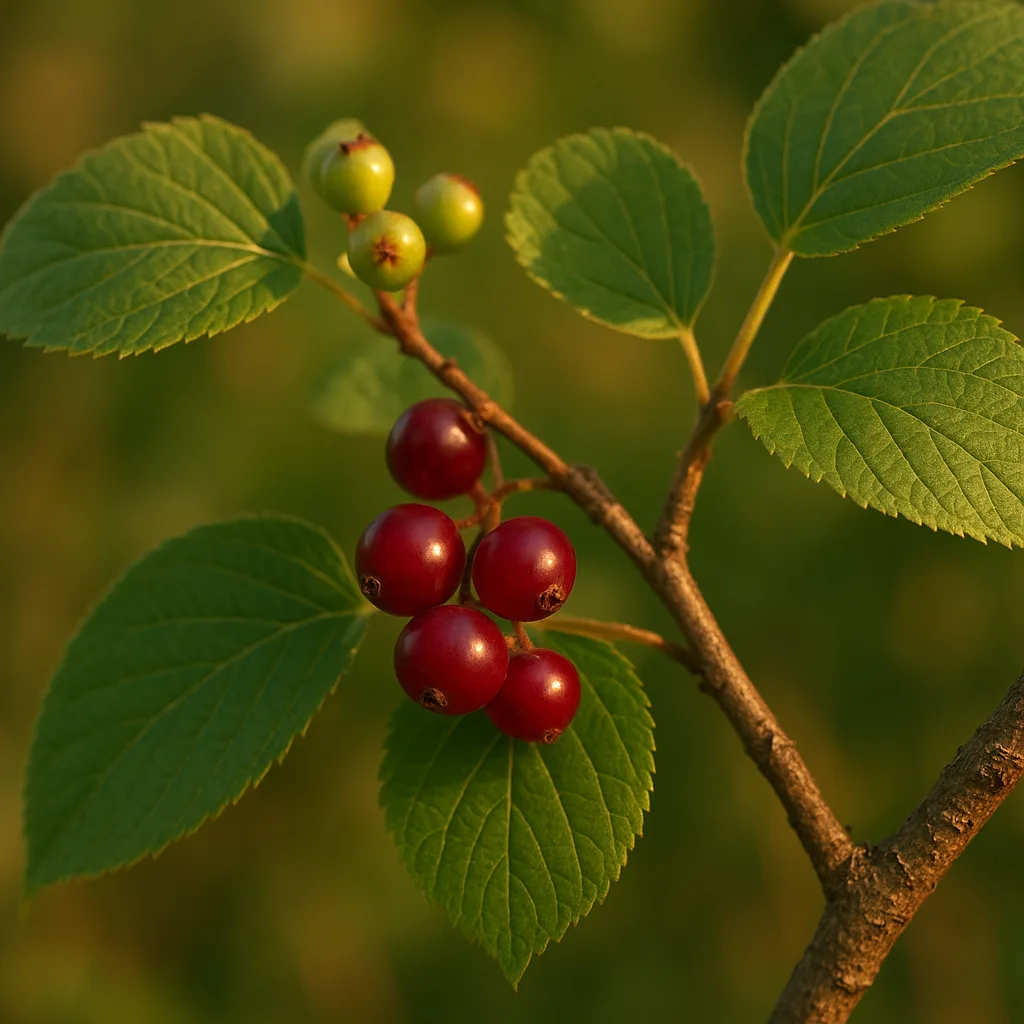
Why berry tree identification matters
When someone searches for "berry tree identification" they usually want to know three things: what species is this, is it edible or poisonous, and what should I do with it (consume, leave, remove)? Accurate ID reduces risk, helps conservation, informs foraging, and assists land management.
Practical reasons to identify berry trees
- Safety: avoid toxic species (seeds/pits often contain cyanogenic compounds).
- Foraging: locate edible fruit like apples (Malus spp.), serviceberries (Amelanchier spp.) and elderberries (Sambucus spp.).
- Landscaping: identify invasive trees like Pyrus calleryana 'Bradford' for removal or management.
- Ecology: understand wildlife value—some birds rely on specific berries in fall/winter.
Quick field guide: common berry-bearing trees
Below are concise ID cards for species you're most likely to encounter. Each entry gives botanical name, key visual cues, fruit measurements, habitat and seasonal timing.
Apple and Crabapple (Malus spp.)
- Fruit: pomes, 10–40 mm diameter (crabapples small, 10–25 mm; cultivated apples larger, 60–90+ mm).
- Leaves: simple, ovate to elliptic, 4–10 cm long, serrated margin, often with short hairs on underside.
- Flowers: white to pink, 5 petals, bloom in spring (April–May in temperate zones).
- Bark: grey-brown, develops shallow fissures on mature trunks.
- Habitat: orchards, hedgerows, abandoned fields, urban areas.
Sweet Cherry, Wild Cherry, Black Cherry (Prunus spp.)
- Fruit: drupes (pitted cherries), 8–18 mm (wild/pin cherries) up to 20 mm for sweet cherries; black cherries turn dark red to black when ripe.
- Leaves: simple, 5–12 cm long, finely serrated margin; often wider than apple leaves and glossy on some species.
- Flowers: white, 5 petals in clusters (umbels or racemes) early spring.
- Bark: black cherry (Prunus serotina) has dark, scaly, plate-like bark with horizontal lenticels; young trunks may be smooth with visible horizontal lines.
- Habitat: forests, forest edges, disturbed ground; P. serotina common across eastern North America.
Serviceberry / Juneberry (Amelanchier spp.)
- Fruit: pomes, 6–12 mm, reddish to deep purple when ripe; taste like a sweet blueberry.
- Leaves: simple, oval, 2–7 cm long, finely serrated, turn orange/red in fall.
- Flowers: white, 5 petals in clusters, bloom early spring before or with leaf-out.
- Habitat: open woods, edge habitats, urban plantings.
Elderberry (Sambucus spp.)
- Fruit: clusters of tiny dark purple to black berries, 3–5 mm diameter.
- Leaves: pinnate compound leaves, 5–9 leaflets, 7–18 cm long.
- Flowers: large flat-topped cymes of small white flowers in late spring to early summer.
- Habitat: wetlands, stream banks, disturbed ground across temperate regions.
Hawthorn (Crataegus spp.)
- Fruit: small pomes called haws, 5–15 mm, red or orange when ripe.
- Leaves: simple, often lobed with coarse teeth.
- Notable: thorny branches; flowers in clusters in spring.
Holly & Bayberry (Ilex, Myrica)
- Holly (Ilex spp.): glossy, leathery leaves often with spines and bright red drupes (6–10 mm).
- Bayberry (Myrica pensylvanica): waxy grey berries (4–6 mm) that persist into winter; leaves aromatic when crushed.
Focus: Cherry trees — practical identification of Prunus species
Cherries are a frequent search target: "identify cherry tree", "wild cherry tree identification", "black cherry identification." Below are key differences among common Prunus species to help you separate them quickly.
For more on this topic, see our guide on How to Identify Mulberry Trees in the Wild.
Black Cherry (Prunus serotina) — identification
- Fruit: small drupes 8–12 mm, ripen from red to black; eaten by birds; appear in summer to early fall.
- Bark: mature trees have dark, scaly, blocky bark resembling burnt cornflakes; young stems smooth and shiny with horizontal lenticels.
- Leaves: 6–13 cm long, narrowly ovate, finely serrated; underside may be slightly paler with small hairs along veins.
- Flowers: elongated racemes (4–10 cm) of white flowers in late spring.
- Range: widespread across eastern and central North America, from Canada to Florida and west to the Great Plains.
Wild Cherry / Pin Cherry (Prunus pensylvanica and P. serotina var.)
- Fruit size: pin cherry fruits are 6–10 mm and often in denser clusters than black cherry.
- Bark: pin cherry bark is smoother and reddish-brown with noticeable lenticels; does not develop thick scaly plates.
- Habit: pin cherry often forms thickets after disturbance; black cherry grows into larger trees.
Sweet Cherry (Prunus avium) vs Black Cherry (P. serotina)
- Sweet cherry (P. avium) fruits are larger (15–25 mm), often cultivated, and usually borne singly or in pairs rather than dense clusters.
- Leaves of P. avium are broader and glossier; bark on mature trunks is less scaly than black cherry.
Apple tree identification (Malus spp.)
People often confuse small crabapples for cherries or vice versa. Key differences are in fruit type (pome vs drupe), leaf texture and blossom shape.
Visual cues for apple trees
- Fruit type: apples and crabapples are pomes with a central core; they do not have a stone/pit.
- Fruit size and clustering: apples are single, large fruit on short stems; crabapples are single small pomes often in clusters of 2–5.
- Flowers: typically larger and showier than cherry clusters; five petals, often pinkish buds opening to white or pink.
- Leaves: 4–10 cm, elliptic with pronounced serrations, often slightly fuzzy beneath.
- Season: apples bloom in spring; fruit ripens late summer to fall (July–October, depending on cultivar).
Wild crabapple vs cultivated apple
- Crabapples (wild Malus spp.) tend to be smaller (10–25 mm) and more sour, useful for jams and ornamental planting.
- Cultivated apples (Malus domestica) are larger, often grafted and trained, with more uniform fruit and modified tree form.
Bradford pear tree identification (Pyrus calleryana 'Bradford')
Bradford pear — a cultivar of Pyrus calleryana — is notorious for its invasiveness and is frequently mistaken for other ornamental trees because of white spring flowers and small round fruits.
How to recognize Bradford pear
- Flowers: early white blossoms in dense clusters in mid- to late-spring (often before full leaf-out).
- Leaves: glossy, dark green, broadly ovate, 5–8 cm long with a finely serrated margin; autumn colors range orange to purple.
- Fruit: small pome, 8–12 mm, green to brown, persistent into winter; often bitter and astringent — not considered edible raw.
- Tree form: narrow, symmetrical, vase-shaped when young; branches prone to splitting as trees mature.
- Habitat: widely planted in urban and suburban landscapes across the U.S.; also escapes into disturbed sites and roadsides.
Bradford pear vs true fruit trees
- Bradford pears have small inedible pome fruits unlike cherries (drupes) or serviceberries (edible pomes with different taste and structure).
- They bloom earlier and almost uniformly in ornamental plantings, creating a predictable spring white display.
Field ID techniques: a checklist approach
Use a systematic, five-step checklist when you encounter an unknown berry-bearing tree. This reduces errors and speeds identification in the field.
You may also find our article on Spotting Hickory Trees in the Wild helpful.
Five-step field checklist
- Fruit type: pome (apple/hawthorn), drupe (cherry), berry-like cluster (elderberry) — look for pits vs cores.
- Fruit size, color and arrangement: single, paired, raceme or cluster; measure or estimate diameter (mm/cm).
- Leaves: simple or compound; length (cm), margin (entire vs serrated), surface texture (glossy vs fuzzy).
- Bark and stems: color, presence of lenticels (horizontal lines), scaly plates, thorns.
- Flowers and seasonality: bloom time, petal color, cluster type — combined with location and habitat.
Photo tips for using Orvik and other ID tools
- Take a clear shot of the fruit with a ruler or coin for size reference.
- Photograph the leaf (both sides if possible), the bark, and a picture of the whole tree for habit.
- Capture the flower cluster if blooms are present — petal shape and arrangement are diagnostic.
- Use Orvik to analyze photos: upload multiple photos (fruit, leaf, bark) for more accurate AI suggestions.
Safety, foraging, and conservation notes
Foragers often ask, "Is this berry safe to eat?" There is no single rule. Many edible berries have toxic lookalikes. Follow these practical rules.
Safety rules
- Never eat berries you cannot positively identify. When in doubt, leave it out.
- Many Prunus seeds/pits contain cyanogenic glycosides (amygdalin) — ingesting large numbers, crushed pits or seeds can be toxic.
- Elderberries: raw elderberry flesh and especially seeds can cause stomach upset unless cooked; culinary recipes always cook Sambucus spp. berries.
- Beware of organisms that may have sprayed or contaminated urban trees (pesticides, heavy metals near roads).
Conservation and invasive species
- Bradford pears and other Pyrus calleryana cultivars readily escape cultivation; they colonize roadsides and displace native plants.
- Report large invasive populations to local conservation authorities; small landscape specimens can be pruned or replaced with native alternatives like serviceberry.
Comparison section: How to tell similar trees apart
Below are side-by-side comparisons of species commonly confused with one another.
Looking beyond this category? Check out How to Identify Any Rock in the Field.
Apple vs Cherry
- Fruit: apple = pome with a core; cherry = drupe with a single pit.
- Leaves: apple leaves often fuzzy underneath and shorter (4–8 cm); cherry leaves are usually glossier and longer (5–12 cm).
- Flowers: apples have solitary blossom clusters (umbels) often pinkish; cherries form elongated racemes or single blossoms depending on species.
Black Cherry vs Wild (Pin) Cherry
- Black cherry (Prunus serotina) — scaly, dark bark on mature trees; fruits ripen to black; elongated flower racemes.
- Pin/wild cherry (Prunus pensylvanica) — smoother, redder bark with conspicuous lenticels; fruits often in denser clusters and ripen earlier.
Bradford Pear vs Serviceberry
- Bradford pear blooms in dense clusters of white before leaves fully expand; fruits small and inedible pomes that persist on branches.
- Serviceberry blooms also white but often simultaneously with leaf-out; fruits are larger, sweet, and dark purple when ripe in early summer.
Using tools like Orvik to confirm identifications
Orvik is an AI-powered visual identification app that can speed up and confirm field IDs. It’s especially useful when berries are unripe, photographed at odd angles, or when leaves are missing.
Related reading: Identify Trees from Photos: Expert Guide.
Best practices for using Orvik and similar apps
- Upload several photos: fruit close-up, leaf front/back, bark, whole-tree habit and a photo with scale.
- Use the app’s suggested species as a starting point, then cross-check with field cues (fruit type, leaf margins, bark) and local range maps.
- Accept that AI is a tool, not a final authority — combine AI suggestions with your knowledge and local guides.
Orvik can save you time and reduce uncertainty on trails, but always apply the five-step checklist and safety rules before consuming any wild berry.
Conclusion
Berry tree identification is a mix of pattern recognition and rules-of-thumb: identify the fruit type (pome vs drupe), note leaf morphology (simple vs compound, margin type), inspect bark and flowers, and consider habitat and season. Use measurement cues (fruit diameter, leaf length), and tools like Orvik to confirm uncertain cases. When in doubt, do not eat. Proper identification protects your health and helps preserve native ecosystems by recognizing invasives such as Bradford pear.
Frequently Asked Questions
- How can I tell a cherry tree from an apple tree at a glance?
- Look at the fruit type: cherries are drupes with a single pit; apples are pomes with a core. Cherry leaves are generally glossier and more elongated; apple leaves can be fuzzier underneath. Flowers and fruit size/arrangement also help.
- What are the signs that a cherry is a black cherry (Prunus serotina)?
- Black cherry has dark, scaly mature bark (like burnt cornflakes), elongated white flower racemes in spring, and small drupes that ripen red to black (8–12 mm). Young stems show horizontal lenticels.
- Is the Bradford pear edible?
- No—Bradford pear fruits are small, bitter pomes that are not considered edible and can cause stomach upset. The tree is mainly ornamental and invasive in many regions.
- Are all cherries safe to eat?
- Most cultivated cherries and many wild cherries are edible, but pits contain cyanogenic compounds. Avoid crushing or ingesting pits and be certain of species before eating.
- How do I use Orvik to identify a tree?
- Take clear photos of the fruit, leaf (both sides), bark and whole tree with a scale reference. Upload multiple images to Orvik for analysis and use the app’s suggestions together with field cues to confirm the ID.
- When is the best time of year to identify berry-bearing trees?
- Spring (flowers) and summer (fruit) are best because flowers and fruit provide the most diagnostic characters. Leaves in summer and bark in winter can also help.
- How can I avoid confusing Bradford pear with native trees?
- Look for early dense white spring blooms before leaf-out, glossy ovate leaves 5–8 cm long, a narrow vase-shaped crown in young trees, and small persistent fruit. Report invasive stands to local conservation groups.