
When you spot a cluster of red fruit along a trail, a handful of practical visual checks will tell you whether it’s a tasty treat, a bird snack, or something to avoid. This guide gives field-ready, expert-backed tips for red berry bush identification: the key species to know, exact visual cues (size, shape, color, texture), habitat and seasonal timing, and safety notes. It also explains how to distinguish shrubs from vines and lookalikes like wild grape, wild cherry and wild plum, and how tools such as Orvik can quickly confirm a photo ID.
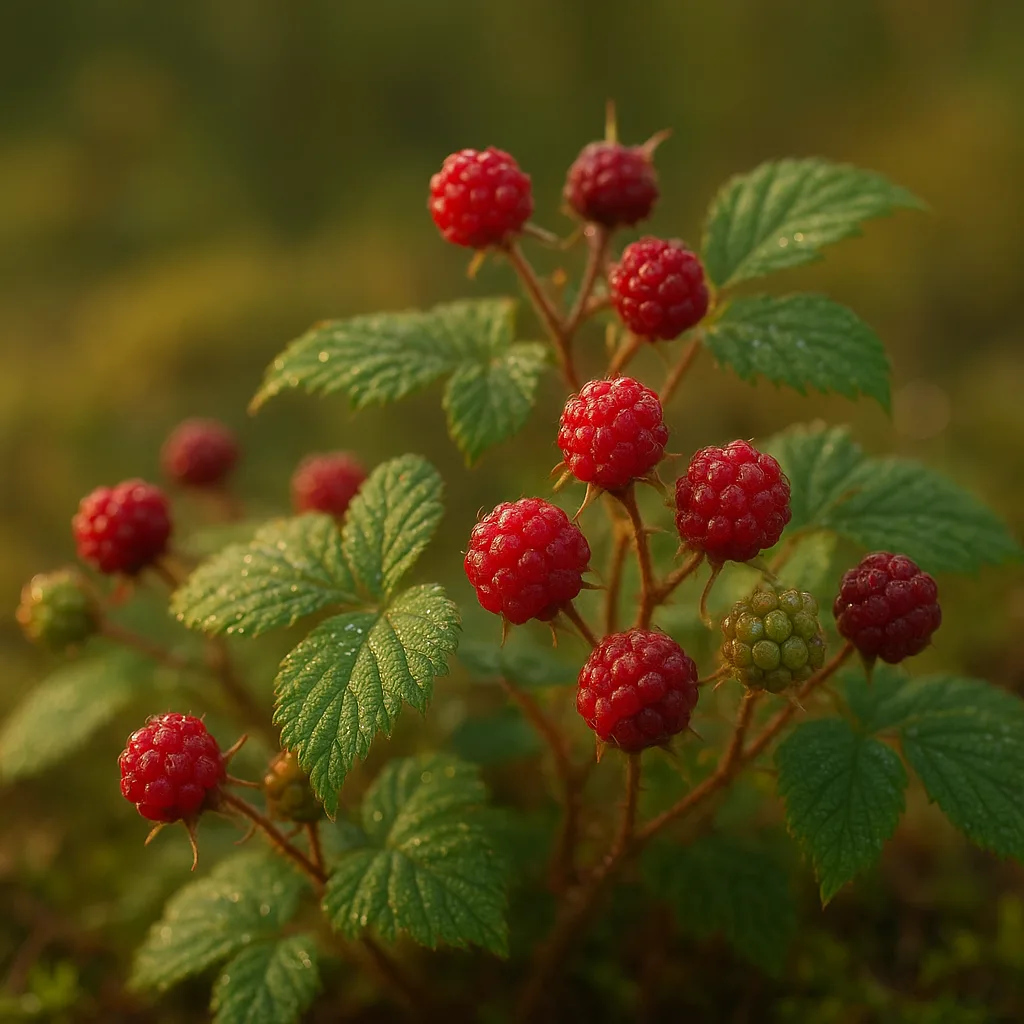
What people searching "red berry bush identification" want
Most searches mean one of three things: (1) Is this berry edible? (2) What plant is this—name and common traits? (3) How to tell similar-looking plants apart? This guide addresses all three: field checks you can do without collecting samples, species-level cues (with scientific names), and quick comparisons to clear up common confusions like wild grape vine identification, red berry vine identification, wild cherry identification, wild plum identification and even non-berry plants such as wild violet identification.
- Quick practical checks for safety and edibility
- Species descriptions with measurements and leaf/berry details
- Comparison sections: how to tell X from Y in the field
- When and how to use an AI visual tool like Orvik
Quick field checklist: immediate identification steps
Before you harvest or taste, do these simple visual checks. They take 30–60 seconds and markedly reduce risk.
- Look at leaf arrangement: opposite vs alternate; simple vs compound—this often narrows genus immediately.
- Note berry arrangement: single fruits, clusters (dense umbels), racemes, or spikes; berries on long stems often are in the Prunus (cherry/plum) group.
- Measure berry size roughly: pea-sized (3–6 mm), grape-sized (6–12 mm), plum-sized (15–30 mm).
- Observe color and sheen: glossy/waxy vs matte/dull; translucent vs opaque.
- Check for thorns or spines: roses, hawthorn, and some brambles have thorns; barberry has sharp spines on stems.
- Smell and taste caution: only smell from a distance; never taste unknown berries raw. Cooked elderberries are edible; raw can upset stomach.
Common red-berry shrubs and vines (field IDs)
Below are the most commonly encountered red-fruited plants in temperate North America (many are also present in Europe or Asia). Each entry gives the scientific name, typical size, leaf and fruit details, habitat, and a short ID tip.
Winterberry (Ilex verticillata)
- Plant size: 1–3 m tall (deciduous holly)
- Leaves: simple, alternate, 3–8 cm long, margin serrated
- Berries: bright glossy red drupes, 5–8 mm diameter, in dense clusters along stems
- Habitat: wetlands, stream margins, bogs across eastern North America
- Safety: toxic if eaten in quantity (nausea); birds disperse them
- ID tip: persistent berries on bare twigs in winter; bark smooth, no thorns
Red Elderberry (Sambucus racemosa)
- Plant size: 1–4 m tall
- Leaves: pinnate compound, 5–9 leaflets each 4–12 cm
- Berries: small (3–6 mm), bright red, in conical clusters (panicles)
- Habitat: moist forests, clearings, montane regions
- Safety: raw berries and other parts contain cyanogenic glycosides—must be cooked to be eaten safely
- ID tip: compound leaves distinguish it from hollies and viburnums
Chokecherry (Prunus virginiana)
- Plant size: shrub to small tree, 2–7 m
- Leaves: simple, alternate, 4–9 cm, serrated
- Fruits: round drupes 6–12 mm, red to dark red/black when ripe
- Habitat: open woods, fence rows, disturbed sites across much of North America
- Safety: astringent/tannic raw; edible cooked; pits contain cyanogenic compounds
- ID tip: fruit borne on elongated racemes; often forms dense thickets
Wild Plum (Prunus americana and related species)
- Plant size: 2–6 m shrub/tree
- Leaves: simple, alternate, 5–10 cm, finely serrated
- Fruits: globose drupes 15–30 mm; color variable (yellow, red, purple)
- Habitat: fields, fence rows, hedgerows, prairie edges
- Safety: edible when ripe; pits are inedible
- ID tip: single larger fruits (plums) with a noticeable pit; often solitary or small clusters
Viburnum / Cranberrybush (Viburnum opulus, Viburnum trilobum)
- Plant size: 1–3 m shrub
- Leaves: opposite, often 3-lobed (V. opulus), 6–10 cm
- Fruits: bright red drupes ~6–8 mm in compact clusters
- Habitat: moist soils, wood edges across temperate regions
- Safety: berries are bitter and astringent raw; used cooked or as jam in some traditions
- ID tip: opposite leaves (vs alternate in many others) are diagnostic
Barberry (Berberis thunbergii and others)
- Plant size: 0.3–1.5 m, thorny arching shrub
- Leaves: small 1–3 cm, alternate clustered on spines
- Fruits: oblong red berries 5–8 mm, single-seeded
- Habitat: disturbed sites, edges, often invasive ornamental escapes
- Safety: many Barberry species edible in small amounts, tart and high in vitamin C
- ID tip: spines on stems and small clustered leaves are very characteristic
Pokeweed (Phytolacca americana) — lookalike warning
- Plant size: 1–3 m tall herbaceous perennial
- Leaves: simple, alternate, large (10–30 cm)
- Fruits: small glossy magenta-red to purple-black berries in elongated racemes, 5–10 mm
- Habitat: disturbed ground, fields, forest edges across eastern North America
- Safety: highly toxic (especially roots); do not eat raw berries
- ID tip: succulent reddish stems and racemes of berries that persist into fall
Vines and lookalikes: wild grape vs red berry vines
Many foragers confuse small clustered red fruits with vine fruits. Wild grape vine identification is especially important because grapes are edible and common.
For more on this topic, see our guide on Identifying Begonias in the Wild and Garden.
Wild grape (Vitis riparia and relatives)
- Leaves: alternate, simple, palmately lobed (1–5 lobes), 6–12 cm across
- Fruit: grape clusters, berries 6–12 mm, colors vary (green, red, purple, black)
- Vine traits: tendrils opposite leaves, climbing habit, brown shreddy bark on older stems
- ID tip: look for tendrils (bifurcating) and lobed leaves; grapes have a translucent flesh and a thin skin
Red-berry vines and non-grape vines
- Bittersweet (Celastrus orbiculatus): orange capsules, not true red fleshy berries; climbing vine with alternate leaves
- Poisonous lookalikes: some vines produce red/orange berries that are toxic—do not eat based on color alone
- ID tip: vines usually have tendrils, twining stems, or adhesive rootlets—shrubs do not
Seasonality, habitat and geographic distribution
Red berries appear at predictable times and places. Knowing seasonal timing and habitat helps identify species from partial clues (e.g., leafless winter berries on hollies).
- Spring/early summer: Flowering—note inflorescence type (raceme, umbel). Many shrubs flower in spring; fruit forms later.
- Mid to late summer: Early ripening fruits (cherries, some plums, wild grapes).
- Late summer to fall: Peak berry season for viburnums, elderberries (late summer), and many ornamental shrubs.
- Winter: Persistent berries (winterberry Ilex) and rose hips remain on bare stems—very helpful for ID.
Geographic distribution notes:
- Eastern North America: winterberry, red elderberry, pokeweed, viburnum common.
- Prairie and Midwest: wild plum, chokecherry frequent in hedgerows.
- West and montane zones: species composition shifts—some Viburnum and Prunus species present, plus local endemic shrubs.
Safety and toxicity: a field primer
Color is not a reliable indicator of edibility. Many red berries are toxic; others are edible only after processing. Always follow conservative rules.
Rules of thumb
- Never eat berries you cannot confidently identify to species.
- Beware of bright red berries in urban or roadside settings (may be ornamental and treated with chemicals).
- Cook elderberries before eating; elder flowers and syrup are commonly used but raw berries, stems, and leaves are toxic.
- Do not eat berries from species known to have cyanogenic compounds (Prunus pits, elder, some cherries) without proper preparation.
Notable toxic species
- Pokeweed (Phytolacca americana): entire plant toxic; do not consume raw berries
- Holly (Ilex spp.): bright red holly berries are toxic to humans
- Yew (Taxus spp.): red aril surrounds a highly toxic seed
- Bittersweet (Celastrus): seeds and capsules toxic
When in doubt, photograph the plant and use an identification tool such as Orvik to get a faster, evidence-based ID before touching or tasting. Orvik can help prioritize features to photograph and provide species-level suggestions plus confidence scores and toxicity notes.
You may also find our article on Identifying Jasmine: Name, Meaning, and Botany helpful.
Comparison guide: how to tell commonly confused plants apart
Here are quick side-by-side checks that address the most common confusions people have when searching for red berry bush identification.
Winterberry (Ilex) vs. Viburnum (Viburnum opulus)
- Leaves: Winterberry alternate, simple, serrated; Viburnum opposite and often lobed—check opposite vs alternate arrangement.
- Berries: Ilex berries are very glossy and sit singly or in small clusters along stems; viburnum berries form compact clusters.
- Stem: Ilex twigs are smooth; Viburnum twigs may have small lenticels and opposite bud pairs.
Wild grape vine vs. Currant/Ribes shrub
- Grape leaves: lobed with tendrils present; fruits in loose clusters. Ribes leaves: typically 3–7 lobed but no tendrils, berries sit close to stem and shrubs, not vines.
- Growth: grapes are vines that climb; Ribes forms upright shrubs.
Wild cherry (Prunus) vs Wild plum (Prunus americana)
- Fruit size: cherries 6–12 mm; plums 15–30 mm.
- Fruit clusters: cherries in long racemes with many fruits; plums often solitary or small clusters.
- Leaves: both similar—check fruit size/pit and ripening season for identification.
How to document a suspect berry and use Orvik for accurate ID
Good documentation increases the chance of a correct ID from an app or expert. Orvik’s AI works best with photos that capture diagnostic features. Here’s how to record a specimen effectively.
- Take a close-up of the fruit cluster (macro) showing several berries with a scale reference (coin, ruler, finger).
- Photograph the leaf surfaces (top and underside), showing venation and margin details.
- Capture the whole plant habit (shrub height, branching, thorns, or vine characteristics like tendrils).
- Note and photograph the bark, stems (presence of spines or lenticels), and any remaining flowers or seeds.
- Record habitat, GPS or location, and date—seasonality is a strong clue.
Upload these photos to Orvik for an AI-assisted match. Orvik will return candidate species, confidence levels, and field notes—often including toxicity warnings and links to regional distribution data. Use Orvik as a rapid second opinion, then cross-check with a regional flora or expert when considering consumption.
You might also be interested in Field Guide to Identifying Insects.
Practical examples from the field
Example 1: Late October, bare twig with bright red glossy clusters on a 1.5 m shrub in a marsh — likely Ilex verticillata (winterberry). Key clues: persistent red fruit through fall/winter, wetland habitat, simple alternate leaves earlier in season.
Related reading: How to Identify Mulberry Trees in the Wild.
Example 2: Mid-July, vine with lobed leaves and tendrils, fruit cluster of 8–20 small red-green berries that turn dark — likely wild grape (Vitis riparia). Key clues: tendrils and lobed leaves, vine habit.
Example 3: Early August, 2–3 cm single round fruit with a stone, slightly astringent—likely wild plum (Prunus americana). Key clues: larger single fruit, stone present, tree/shrub habit.
- Use the leaf arrangement rule (opposite vs alternate) to quickly remove many candidates.
- Cluster type (panicle vs raceme vs compact cluster) often identifies the genus.
- When suspicious of toxicity, photograph and use Orvik before handling.
Conclusion
Red berry bush identification is a skill built from simple repeated observations: leaf arrangement, berry size and cluster type, presence of thorns or tendrils, and habitat. Some red berries are edible, others toxic—never assume edibility from color. Use clear photos and supporting tools like Orvik to speed identification and reduce risk. When in doubt, consult a regional field guide or expert, especially before consuming any wild fruit.
Frequently Asked Questions
- How can I tell if a red berry is edible?
- You cannot rely on color alone. Check species ID via leaf arrangement, berry size, cluster type, and season. Use an ID tool like Orvik and consult regional guides; when unsure, do not eat.
- What’s the difference between wild cherry and wild plum?
- Wild cherries (Prunus spp.) have smaller fruits (6–12 mm) often on racemes and are astringent; wild plums (Prunus americana) bear larger single fruits (15–30 mm) with a noticeable stone.
- How do I distinguish wild grape vines from red-berry shrubs?
- Grapevines have tendrils, lobed leaves, and climbing habit. Shrubs lack tendrils and often have consistent branching from the base. Leaf shape and presence of tendrils are key.
- Are winterberries safe to eat?
- Winterberry (Ilex verticillata) is considered toxic to humans and can cause vomiting and diarrhea; birds eat them, but they are not recommended for human consumption.
- What features should I photograph to get an accurate ID?
- Photograph the fruit cluster, leaf top and underside, whole-plant habit, stems/bark, and any flowers. Include a scale reference and note habitat and date for best results.
- Can Orvik identify berries from a single photo?
- Orvik can often suggest candidates from a single clear photo, but accuracy improves with multiple images showing leaves, fruits, and habit. Orvik provides confidence scores and safety notes.
- Are there red berries that look edible but are highly toxic?
- Yes—examples include pokeweed and some species of holly and yew. Bright red or glossy berries are attractive to birds but can be dangerous to people; always verify species.