
Why a Babe Ruth baseball card matters
Babe Ruth baseball card collecting is part history lesson, part investment and part fandom. Ruth transcends eras: his cards were issued in the tobacco-era, the pre-war premium period and the popular 1930s sets — each carries cultural weight and collector demand. Whether you found a card in a shoebox or are researching a slab in your collection, knowing how to identify, grade and value a Babe Ruth card is essential.
- High collector demand across generations
- Many different types and printings (tobacco, cabinet, Goudey, Sport Kings)
- Price and rarity vary wildly by issue and grade
Key Babe Ruth cards to know
Collectors typically focus on a handful of famous Ruth issues. Learn what makes each important and what to look for.
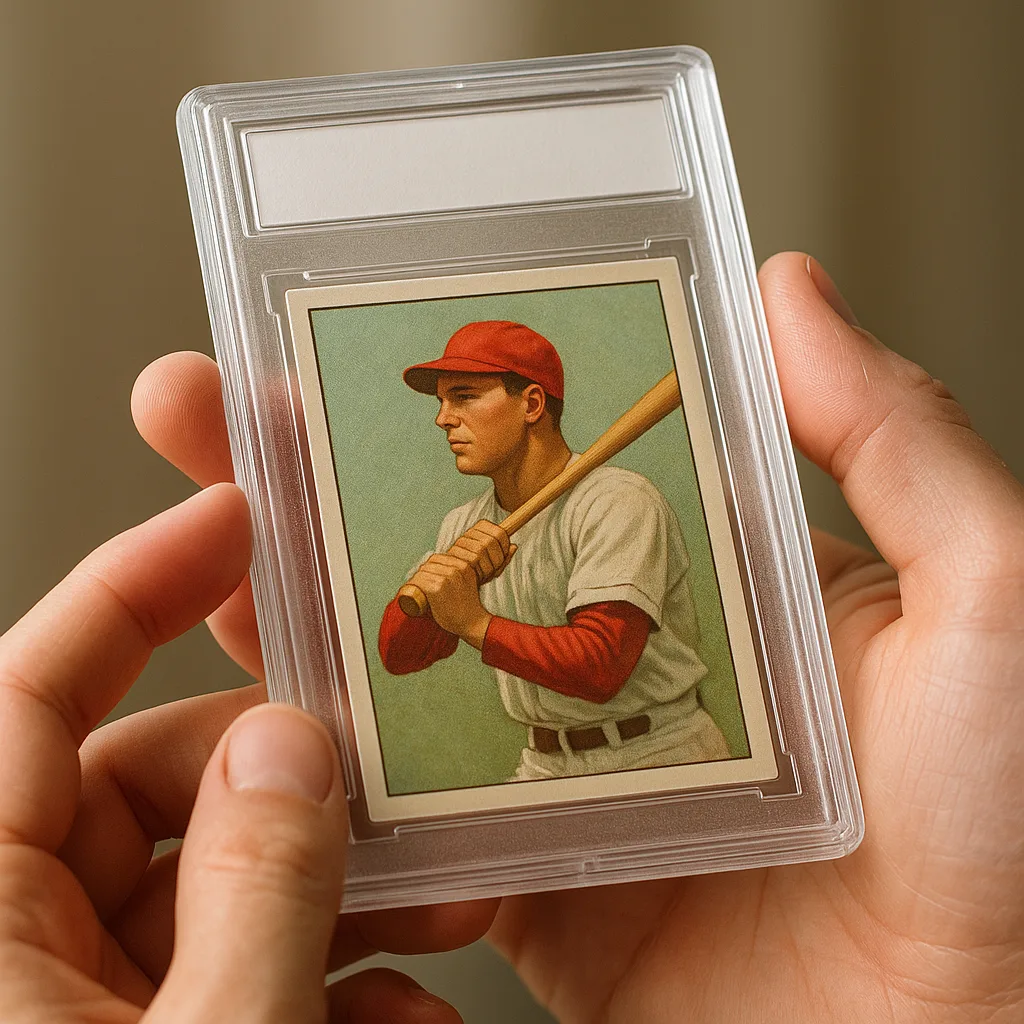
1933 Goudey (the most iconic set)
- Why it matters: The 1933 Goudey set is one of the most recognized pre-war sets and includes multiple separate Ruth cards that are highly sought after.
- What to look for: Thick cardstock, bright litho printing, and the classic 1930s design. Condition and centering dramatically affect value.
Sport Kings (early premium-style issues)
- Why it matters: Sport Kings issues (and other premium small sets) captured attention in the late 1920s–1930s and include larger portraits and different card stock than standard tobacco packs.
- What to look for: Larger formats or unique borders; check for set identification on the card back or cropping style.
Early photographic & tobacco-era cards (rookie candidates)
- Debated rookie: There is no single universally accepted "rookie" card for Ruth. Early photo cards and tobacco-era releases (newspaper photos, cabinet cards, or promotional items from the 1910s and early 1920s) are often cited as candidates.
- Why it's tricky: Terms like “rookie” are used differently by hobbyists — value depends on rarity, condition, and documented issue.
How to identify originals vs reprints
Many reprints, reproductions and modern commemoratives exist. Spotting originals requires examining printing, paper and small design details.
- Paper and stock: Original cards often use period-appropriate stock; reprints may feel different (thinner, glossier, or modern-beaded paper).
- Printing details: Look for halftone dot patterns, ink bleed, and edge wear consistent with age. Sharp, digitally printed images often indicate reprints.
- Back text and trademarks: Original backs often include manufacturer logos, addresses, or period advertising language. Reproductions sometimes omit or alter these details.
- Perforations and corners: Check wear patterns — perfectly uniform edges on an "old" card can be a red flag.
- Provenance and documentation: Original purchase receipts, old albums, or dealer invoices add confidence.
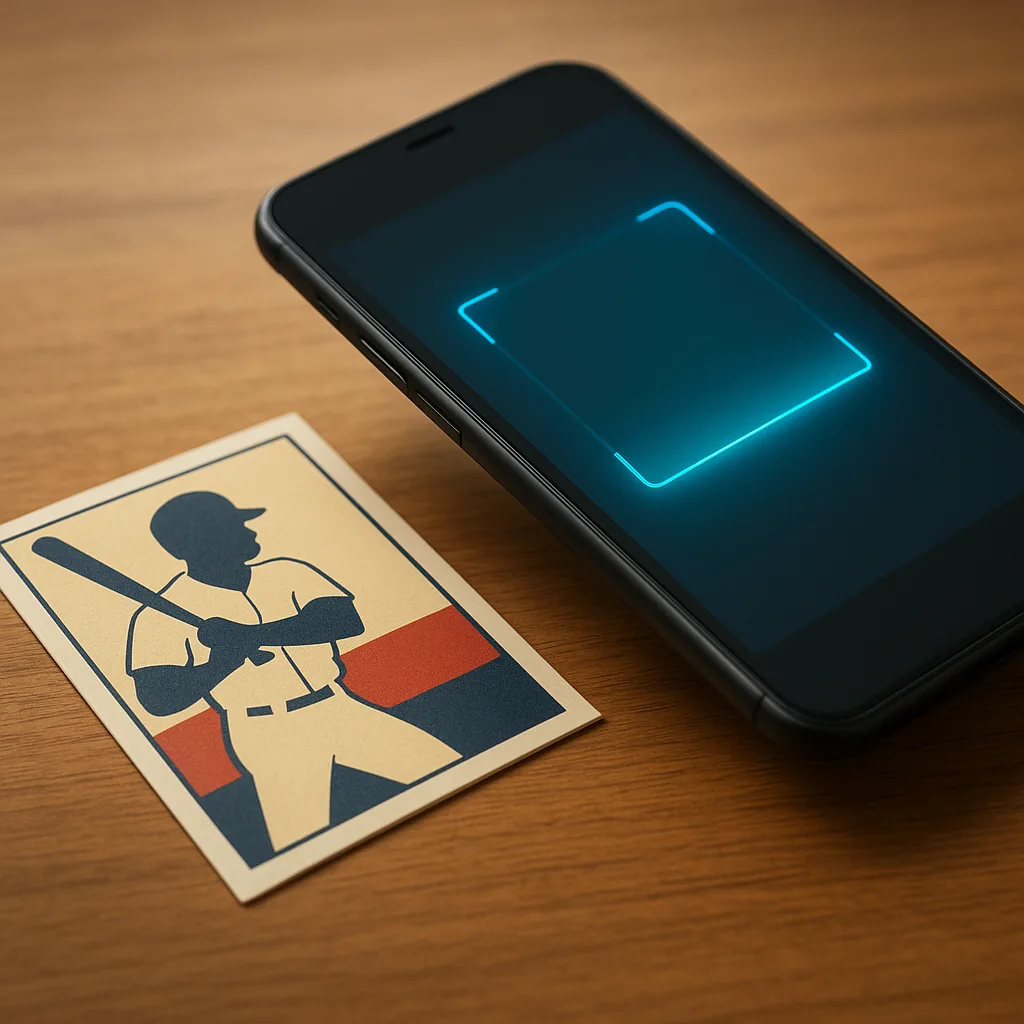
If you’re unsure, photograph the card and use tools like Orvik to get an initial ID from a photo — then follow with professional authentication if value appears significant.
Grading and authentication: what changes value
Third-party grading by PSA, SGC, BGS (Beckett), and others standardizes condition and helps buyers and sellers transact with confidence. Grading dramatically affects value because collectors pay premiums for high-grade examples.
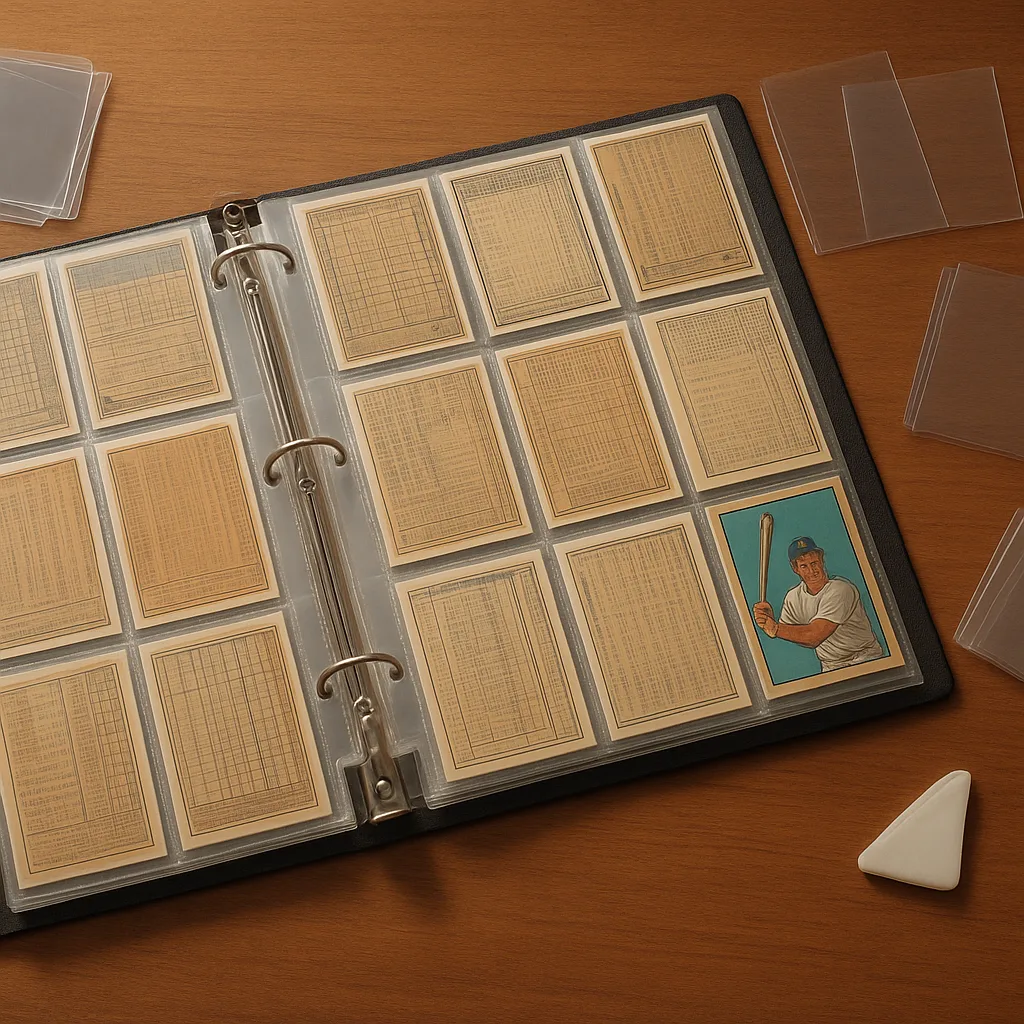
- Grade scale: Most services use a numeric scale (commonly 1–10). Higher numbers mean better condition and dramatically higher prices for iconic cards.
- Common grade factors: Centering, corners, edges, surface, creases, and restoration or trimming.
- Authentication: Autographs and rare variations often require signature authentication or expert review to confirm legitimacy.
- When to grade: Consider grading if you expect the card to be worth more than the grading cost or if it helps you sell to a broader market.
Tip: Use Orvik to get a quick, free sense of a card’s identity and comparable market indications from a photo before committing to expensive grading.
Value ranges and comparison: Goudey vs Sport Kings vs early cards
Value depends on issue, condition/grade, and market demand. Instead of exact price points, think in ranges and relative tiers.
- Common, low-grade pre-war Ruth cards: Often the most affordable Ruth pieces, but still collectible — values generally start at modest levels for low-grade or damaged pieces.
- 1933 Goudey Ruths: Iconic and widely recognized; values vary from substantial sums for lower grades to many times that in high grades. The gap between low-grade and high-grade examples can be very large.
- Sport Kings and premium issues: Typically rarer than mass-issued tobacco cards; mid- to high-grade examples can command strong premiums.
- Early photographic or potential "rookie" cards: Prices vary widely due to authenticity, rarity and collector debate about which item counts as a true rookie.
Comparison table in words (relative):
- Rarity: Early photographic/tobacco-era cards (often rare) > Sport Kings > Mass-issued Goudey variants (but some Goudey cards are rare in high grade).
- Availability: Goudey issues are more commonly traded than some specialty premium or early photographic pieces.
- Value variability: Goudey shows huge volatility based on grade; early rarities are high but more stable if the population is tiny.
For current market estimates — for example, questions like "babe ruth baseball card value 2026" or "babe ruth rookie card value 2026" — check recent auction results from major houses, PSA population reports, and live marketplaces. Orvik can quickly surface comparable recent sales from a photo and point you to likely value ranges.
Where to check prices and verify a card
Use multiple sources to triangulate value and authenticity. Here are the most useful tools and marketplaces:

- Third-party grading companies (PSA, SGC, BGS) — check census/population reports and auction prices.
- Major auction houses and sale archives (Heritage, Goldin, SCP Auctions) — good for high-end comparables.
- Online marketplaces (eBay completed listings, PWCC) — helpful for seeing realized prices across grades.
- Price guides and subscription services (Beckett, SportsCardInvestor) — offer trend data and historical pricing.
- Mobile ID/value tools — Orvik: snap a photo to identify the card, get market comparisons, and track collections for free. Orvik is useful for quick checks and ongoing portfolio monitoring.
Practical workflow: Take clear photos (front, back, close-ups of edges/corners), check Orvik for an initial ID and comparable recent sales, then consult PSA or auction archives for high-end comparables.
Buying, selling and care tips
Whether you’re buying your first Babe Ruth card or selling an important piece, follow sound practices to protect value.
- Buying tips:
- Prefer graded examples for high-value cards.
- Buy from reputable dealers or auction houses when possible.
- Ask for clear provenance and recent photos; use Orvik to get a preliminary ID from images.
- Selling tips:
- Get professional grading for high-value pieces — buyers pay a premium for slabbed cards.
- Disclose any known restoration or issues; transparency builds trust and avoids returns.
- Storage and preservation:
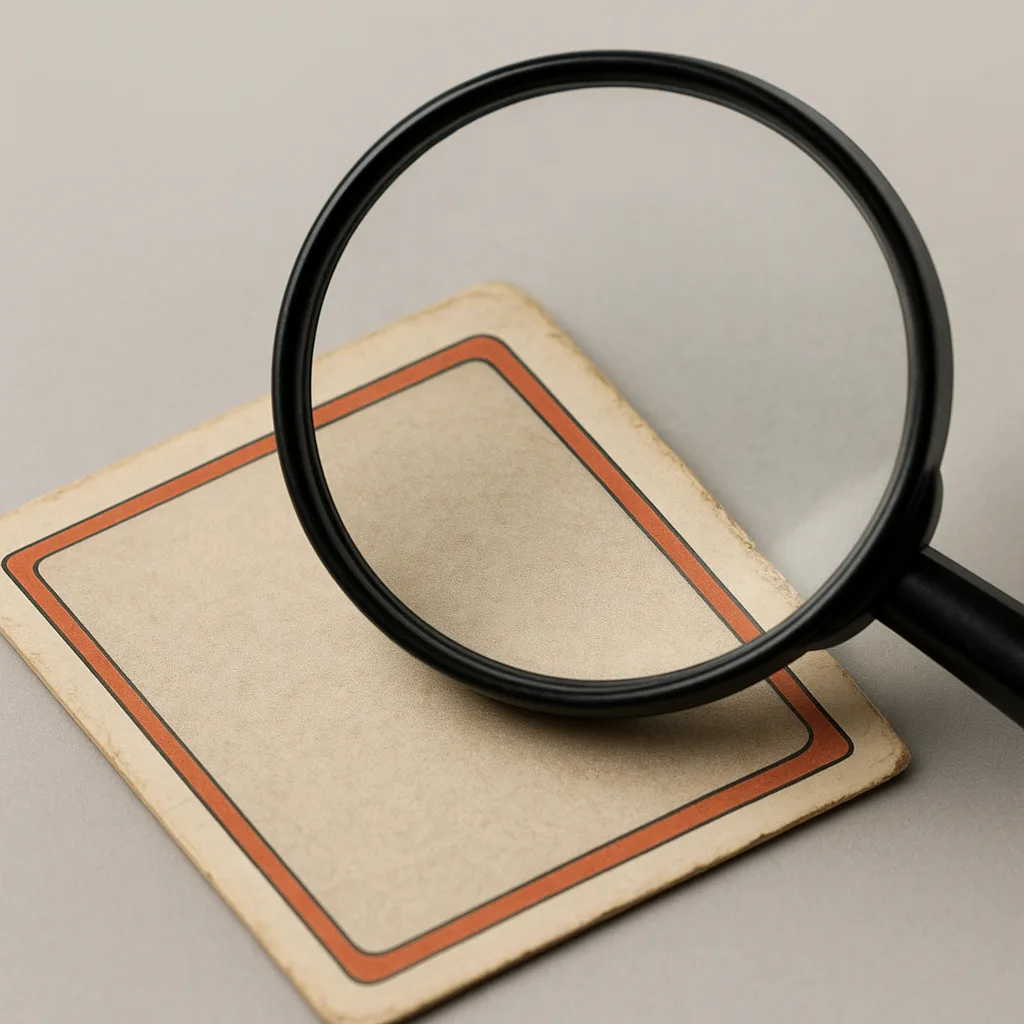
- Use archival penny sleeves, card savers or PSA-style holders for graded cards.
- Keep cards in a cool, dry environment away from direct sunlight to avoid fading and warping.
- Handle cards by the edges and avoid adhesives or lamination unless recommended by a conservation expert.
When to get expert help
For rare or high-value Babe Ruth cards, a professional opinion is often worth the cost.
- Suspected high-value slab candidates: If initial checks (Orvik, completed auction results) indicate significant value, consider third-party grading and expert authentication.
- Questions about restoration or alterations: Use conservators or grader notes to document issues that may affect value.
- Estate or inherited cards: Get multiple opinions and documented provenance to maximize value and avoid disputes.
Conclusion
A babe ruth baseball card can be a treasured piece of sports history and a meaningful collector asset. Start by identifying the issue — Goudey, Sport Kings or an earlier photographic card — use Orvik for quick photo identification and market context, then consult auction records and grading services for high-value decisions. Careful identification, honest condition assessment and using trusted marketplaces will help you get the most from your Ruth card.
Work through it yourself
The keys below are free, need no account, and render every entry in the page source — so they work with scripting switched off, and the whole list is readable rather than hidden behind a filter.
- Which mineral is this? — Streak, lustre, hardness and cleavage — the real determinative key, for 36 minerals.
- What is the silver in this coin worth? — Melt value for 22 circulating silver and gold coins at any spot price.
- What animal made this track? — Count toes, check for claws, measure the print — narrows 36 species fast.
- CoinSnap alternatives — and why no photo can grade a coin — prices and in-app purchase lists pulled from the App Store, not typed.
- Orvik or Rock Identifier: neither camera can measure hardness — prices and in-app purchase lists pulled from the App Store, not typed.
Frequently Asked Questions
- What is the most famous babe ruth baseball card?
- The 1933 Goudey Babe Ruth is widely recognized as among the most iconic Ruth cards, though collectors also prize early tobacco-era and premium issues.
- Which card counts as Babe Ruth's rookie card?
- There is no single universally accepted 'rookie' for Babe Ruth. Early photographic and tobacco-era items from the 1910s–1920s are often cited as rookie candidates, but collectors debate which issue qualifies.
- How much is a babe ruth baseball card worth in 2026?
- Values vary widely by issue and grade. Low-grade examples may be modestly priced, while high-grade or rare issues can be worth substantially more. Check recent auction results and tools like Orvik for up-to-date comparable sales.
- How can I tell if my Babe Ruth card is an original or a reprint?
- Examine paper stock, printing dots, back text, and wear consistent with age. Use photo-ID tools like Orvik for a quick check, and seek third-party authentication for high-value items.
- Should I grade my Babe Ruth card?
- Grading can boost liquidity and value for significant cards, but fees matter. Consider grading when the expected value increase exceeds the cost and when provenance is clear.
- Where can I sell a high-value Babe Ruth card?
- Reputable venues include major auction houses, established dealers, and specialist auction platforms. Slabbed and authenticated cards typically command stronger bids.
- Can Orvik identify my card from a photo?
- Yes. Orvik can identify Babe Ruth cards from photos, surface comparable sales, and help track collections — a useful first step before professional grading.