
What is "sports card pro" and who this guide is for
When people search for "sports card pro" or related terms like sportscardspro, sports cards pro, or sportscardpro they usually mean one of two things: a professional approach to identifying and valuing trading cards, or a specific app/service that helps collectors manage, price, and sell cards. This guide covers both — practical steps to identify and value cards plus a roundup of the tools and apps collectors use, from free phone apps to subscription platforms and grading services.
- Audience: beginners who found a box of cards, hobbyists building a collection, and sellers looking to price cards.
- Goal: give clear, actionable workflow — identify, authenticate, grade, price, list, and protect.
How to identify a sports card from a photo
Identifying a card correctly is step one. Modern tools and a structured visual check will get you almost all the way there.
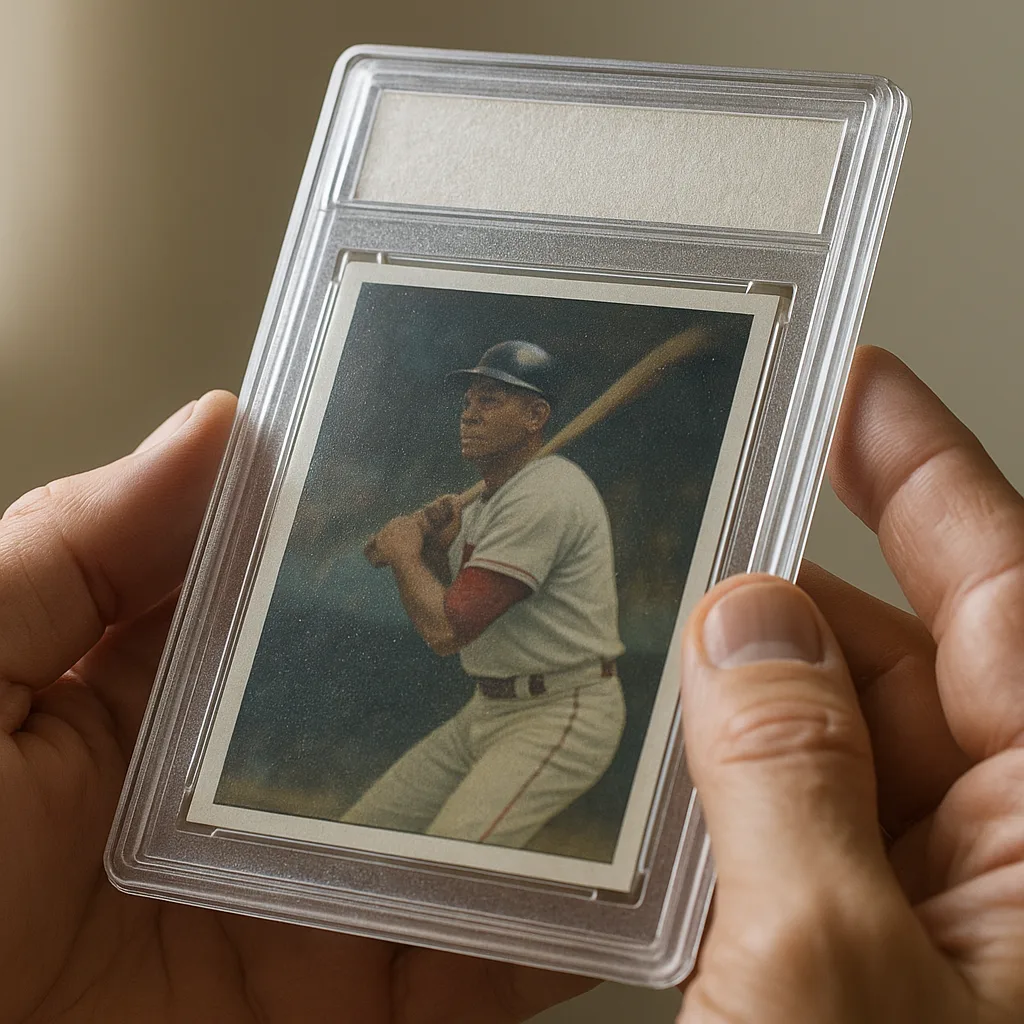
- Take clear photos: front, back, close-ups of logos, serial numbers, and any signatures or patches.
- Read the text: year, set name, card number (often right corner/back), player name and team.
- Look for set markers: brand (Topps, Panini, Donruss), parallel names (Prizm, Update, Optic), and serial-numbering like "/99".
- Check physical clues: card stock thickness, foil/hologram patterns, and perforation/edges.
- Use image ID tools: apps that recognize cards from photos speed this up — for example Orvik can identify a sports card from a photo and pull market references.
Key factors that determine a card's value
Card pricing is a mix of objective and market-driven factors. Understand these to set realistic expectations.
- Player & era: superstar and rookie cards usually command the most demand.
- Rarity: serial-numbered copies, short prints, and limited parallels are more valuable.
- Condition: centers the value conversation — near-mint vs. gem mint can mean big swings.
- Grading: graded cards (PSA, BGS, SGC) have standardized condition ratings that buyers trust.
- Autograph/patch: authenticated signatures and game-worn material increase value.
- Market trends: recent performance, nostalgia cycles, and crossover demand (e.g., memorabilia, investment interest) shift prices.
Grading explained: PSA, BGS, SGC and why grade
Grading assigns a numeric condition to a card after an expert inspection. The three big services are PSA, Beckett Grading Services (BGS), and SGC. Each has a slightly different scale, slab design, and market perception.
- Why grade: standardizes condition for buyers, often increases liquidity and can increase value for high-grade items.
- Common grades: Typically range from 1 (poor) to 10 (gem mint). BGS includes subgrades for centering, edges, corners, and surface.
- Turnaround & cost: vary by demand and chosen speed; grading is an investment that should be weighed against a card’s likely return.
When to grade
- Grade if the card is rare, high-value, high-demand, or you plan to sell to specialists who expect slabs.
- Avoid grading low-value commons where grading fees exceed likely value gains.
How to spot reprints, counterfeits and altered cards
Knowing how to tell originals from reprints and fakes protects you from costly mistakes.
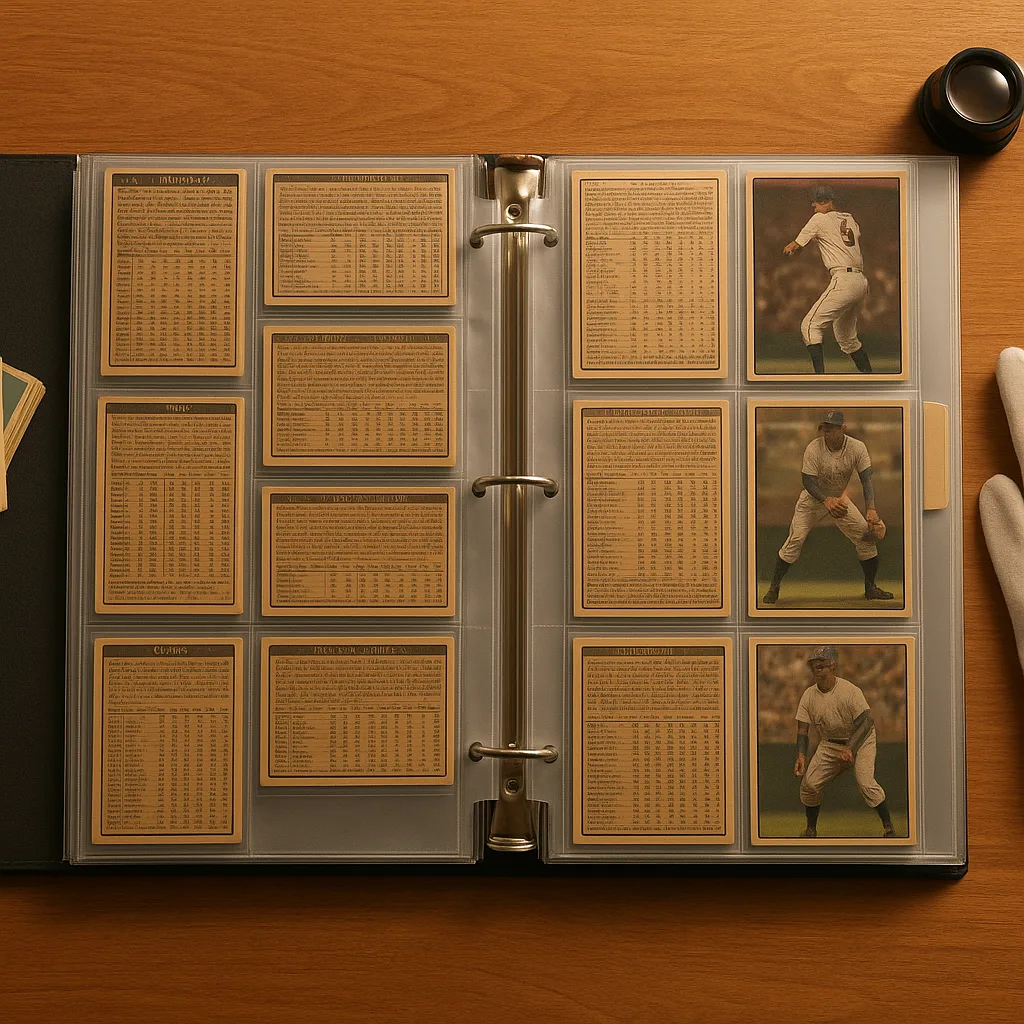
- Compare to verified images: use reputable price guides and images from graded registries.
- Look at printing quality: sharpness, ink bleed, and hologram fidelity are clues.
- Check serial numbers and stickers: authentic serials and manufacturer holograms often match known formats.
- Material & feel: the card stock and gloss/texture can differ on reprints.
- Use expert apps: image-ID tools and community forums can flag suspicious cards quickly.
Where to check prices: market sources & price guides
No single price guide is perfect. Use multiple sources to triangulate a realistic market value.
- Online marketplaces: eBay sold listings (filter completed/sold), StockX, and dedicated auction houses show real sale prices.
- Grading company populations and recent auction results give context for graded pieces.
- Price guides: Beckett and other aggregator sites maintain historical price data and catalog values.
- Apps & aggregators: sports card apps and sports card software that scan catalogs and market data can automate tracking — Orvik is one free option that identifies cards from photos and gives value references.
- Tip: compare raw card sales to slabbed sales, and always filter by grade/condition when looking at solds.
Tools, apps and programs: what to use (comparison & costs)
There are many tools marketed under variations of the keyword: sports card app, sports card selling app, sports card program, and software like sportscardspro, sport card pro, or pro sportscards.com. Features and costs vary.
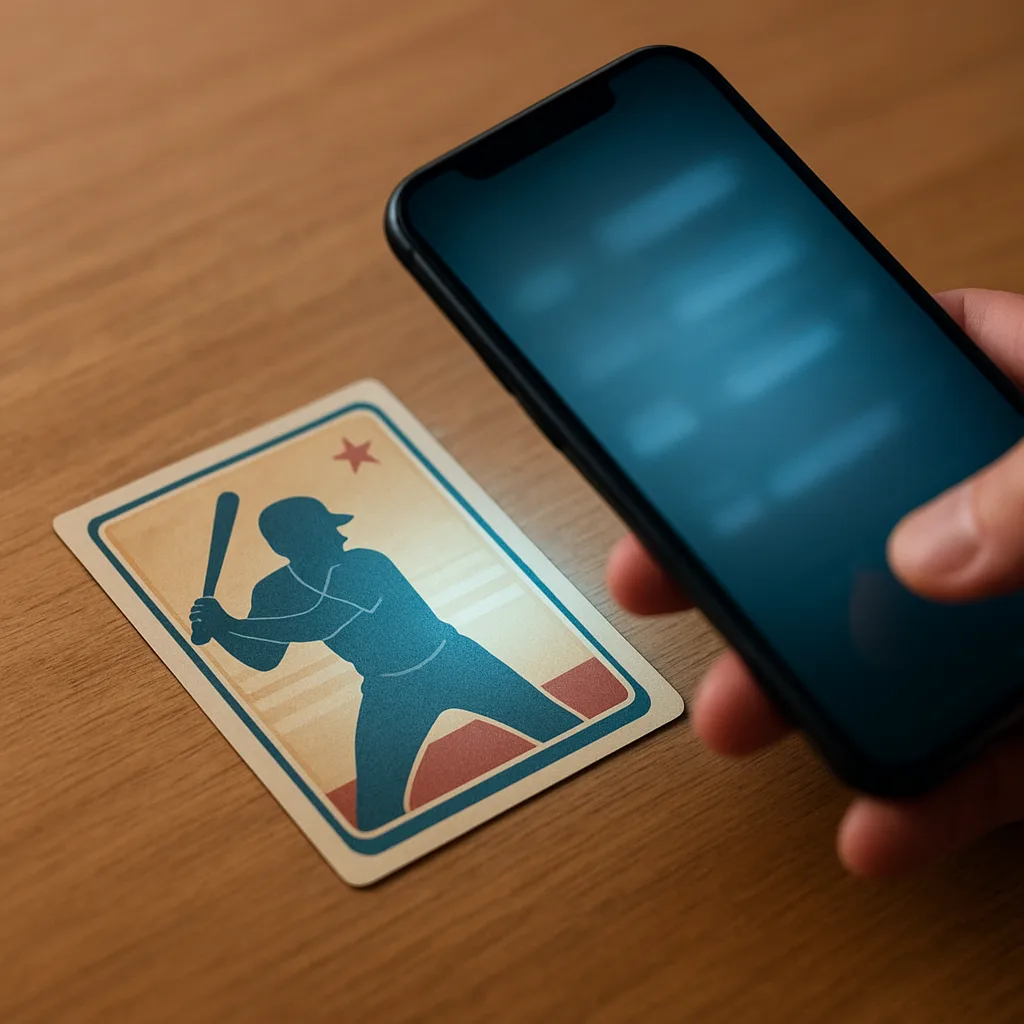
- Free photo-ID apps: rapidly identify cards from a photo; great for quick checks. Example: Orvik — a free AI app (iOS + Android) that identifies a sports card from a photo and shows market references.
- Collection management apps: let you catalog, track market value, and generate sell lists. Some offer barcode scanning, CSV export, and price alerts.
- Marketplace/selling platforms: list, price, and sell cards directly; some integrate shipping and grading services.
- Professional platforms (subscription): offer advanced inventory, bulk pricing updates, and team/collaboration features — these often cost $5–$30+/month depending on features.
Rough cost & value ranges (varies by feature and region):
- Photo ID & basic tracking apps: free to $5/month.
- Full collection and market-tracking software: $5–$25/month or a one-time fee for desktop programs.
- Grading fees: usually start modestly but can range from $10–$200+ per card depending on speed and declared value; rush services cost more.
- Marketplace fees: seller fees and payment processing often range from 5% to 15% of final price.
Note: sportscardspro and other niche services each have unique strengths; try free tiers first. Orvik can be a great free starting point for ID and value checks before moving to paid tools.

Selling strategy: price, timing, and where to list
Deciding where and when to sell affects your net proceeds. Here’s a stepwise approach.
- Identify and authenticate the card — photo-ID apps and community verification help.
- Decide whether to sell raw or graded — graded cards often fetch higher prices but incur grading and shipping fees.
- Price using multiple sold listings and adjust for condition and grading probability.
- Choose a platform:
- Auction houses and marketplaces for high-value or rare cards.
- Dedicated sports card selling apps and classifieds for lower to mid-range cards.
- Local sale or consignment if you prefer avoiding shipping and platform fees.
- Prepare a clean listing: high-quality photos, clear condition notes, and return/shipping policies.
- Tip: seasonal demand, player news, and performance spikes can change market value quickly — set price alerts if you’re tracking many cards.
Common mistakes and expert tips
Avoid these frequent pitfalls to protect value and reduce headaches.

- Poor handling: always use penny sleeves, top loaders, and store in a temperature-stable environment.
- Under-research: never rely on a single sold listing — look at several sales with similar condition and grade.
- Over-grading: sending commons for grading can cost more than the potential resale bump.
- Ignoring shipping costs and insurance when selling higher-value cards.
- Not backing up your collection data — use export features or cloud sync in apps/programs.
Expert tip: combine automated tools (for speed and price alerts) with human verification for rare items. Orvik helps speed initial identification by photo, then use marketplace sold data and grading registries to refine price expectations.
Conclusion
Becoming a "sports card pro" means mastering a repeatable workflow: identify, verify, grade (when it makes sense), price using multiple sources, and choose the best selling channel. Use photo-ID and cataloging tools to scale this process — free options like Orvik are great for quick ID and value checks before committing to graded services or paid software. With consistent handling and research, you’ll make smarter buying, holding, and selling decisions.
Work through it yourself
The keys below are free, need no account, and render every entry in the page source — so they work with scripting switched off, and the whole list is readable rather than hidden behind a filter.
- What is the silver in this coin worth? — Melt value for 22 circulating silver and gold coins at any spot price.
- Is this plant poisonous to dogs or cats? — Look up 73 plants and see what each one does to a dog, a cat or a horse.
- What succulent is this? — Growth form, leaf shape and flower narrow 28 succulents.
- Rock Identifier alternatives — including one that is not an app — prices and in-app purchase lists pulled from the App Store, not typed.
- Merlin or eBird: which Cornell app do you actually need? — prices and in-app purchase lists pulled from the App Store, not typed.
Frequently Asked Questions
- What is the fastest way to identify a sports card?
- Use a photo-ID app to scan the front and back, then cross-check the results against sold listings and manufacturer set lists. Orvik is one free app that identifies cards from photos and links to market references.
- Should I grade every valuable card?
- Not necessarily. Grade cards where the potential increase in sale value and buyer trust outweigh grading and shipping costs—usually rare, high-value, or potentially high-grade items.
- How do I tell if a card is a reprint or fake?
- Compare to verified images and known printing features, examine card stock and holograms, check serial/print codes, and consult community experts or image-ID tools for inconsistencies.
- Which apps are best for managing a collection?
- There are many: free photo-ID apps for quick identification, collection managers for tracking and valuation, and marketplace apps for selling. Try free tiers first; Orvik is a useful free tool for identification and quick market checks.
- Where should I look for accurate prices?
- Use multiple sources: sold listings on marketplaces (eBay, auction houses), grading population reports, price guides, and aggregator apps that track recent sales. Always match by grade/condition.
- How much does grading typically cost?
- Grading fees vary widely by service, declared value, and turnaround time. Expect a range from modest to high (tens to hundreds of dollars); always check current price tables before submitting.
- Can apps detect autographs and patches?
- Many photo-ID tools recognize text and serials, and some apps can flag autographs/patches visually, but third-party authentication and grading are recommended for high-value signed or memorabilia cards.
- Is Orvik a replacement for professional grading or marketplaces?
- No. Orvik is a useful free app for quick photo identification and market references, but for final authentication or selling high-value cards you’ll still want grading services and established selling platforms.