
Introduction: Why Mickey Mantle Baseball Cards Matter
Mickey Mantle remains one of the most collectible baseball stars in hobby history. Whether you inherited a stack of vintage cards or found a single Mantle in a box, knowing what you have and what it might be worth starts with proper identification and grading. This guide covers the key Mantle cards, how to tell originals from reprints, grading basics, realistic value ranges, where to check prices, and tips for buying, selling, and caring for your cards.
Which are the Key Mickey Mantle Cards to Know?
Collecting Mantle centers on a handful of iconic issues and a few specialty items. Learn the main types so you can quickly identify a card.
- 1951 Bowman (Rookie) — Widely recognized as Mantle's rookie card by many collectors; look for the 1951 Bowman design and the player name on the front.
- 1952 Topps — One of the most famous Mantle cards for display and collecting; highly sought after in high grade.
- Other Topps issues — 1956, 1957, 1958, 1960, 1966 Topps and later Topps years all contain popular Mantle cards among set collectors.
- Short prints, minor-league cards, and promotional items — These can be valuable especially in high grade or rare variations.
When someone asks about a "mickey mantle rookie card," they are usually referring to the 1951 Bowman. However, the 1952 Topps Mantle is often the most iconic and desired for display.
How to Identify an Original vs. Reprint or Modern Reproduction
Knowing whether a Mantle card is an original 1950s/1960s issue or a later reprint is essential. Reprints and modern commemorative pieces exist and can look convincing to the untrained eye.
Key things to check
- Back design and text: Compare the back layout, fonts, and copyright lines to known examples for the year.
- Card stock and feel: Originals have specific paper thickness and texture; reprints often feel different (slicker or thinner).
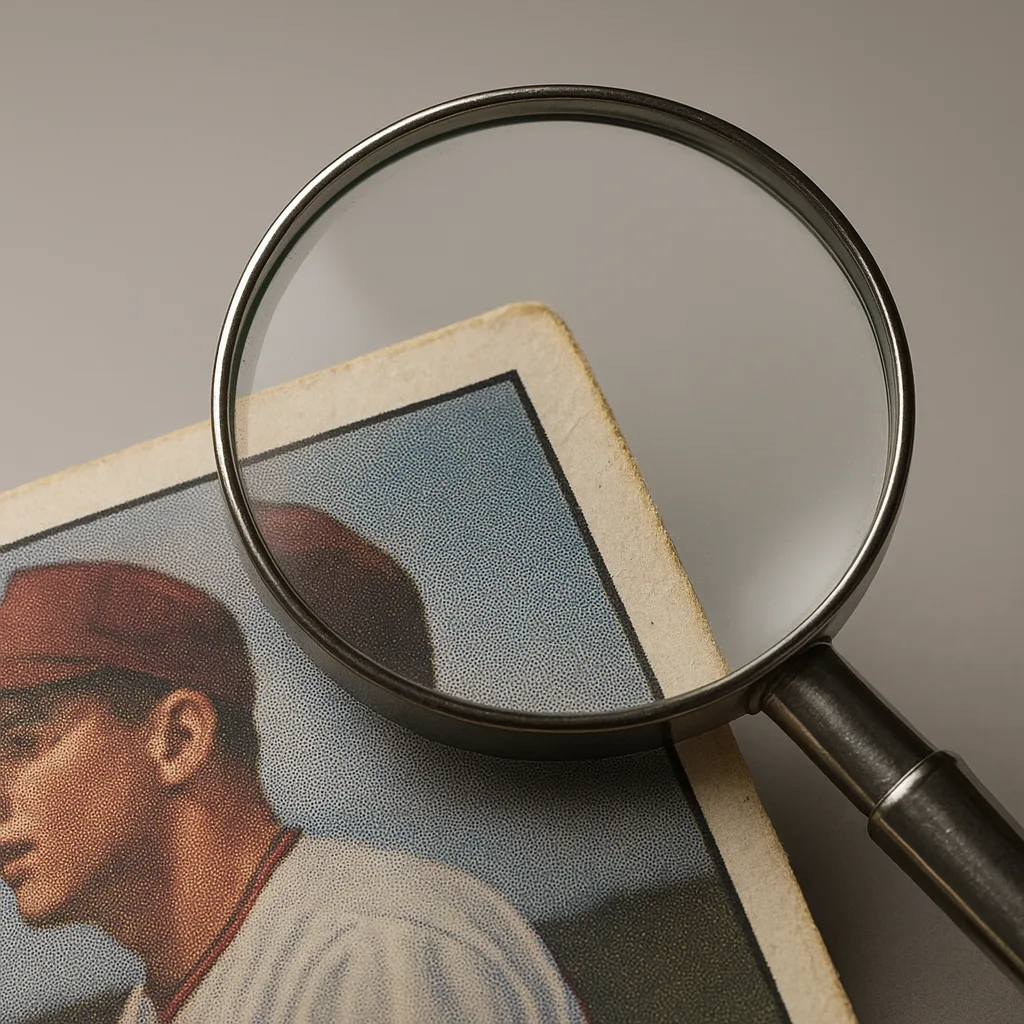
- Printing artifacts: Dot patterns, registration, and color palette can differ between original 1950s printing and modern digital reprints.
- Corners and aging: Natural toning, wear patterns, and edge fraying appear differently than artificially aged pieces.
- Manufacturer stamps or foil: Some modern commemoratives include catalog numbers, holograms, or manufacturer marks not present on originals.
Always compare suspicious cards to high-quality images from trusted sources (PSA, Beckett, official set guides) and consider using Orvik to identify a card from a photo to get an instant starting point.
Grading: How Condition Affects Value
Grading is the single biggest factor for high-value Mantle cards. The most recognized grading services are PSA, Beckett Grading Services (BGS), and SGC. Understanding how grading works helps you estimate value and decide whether to submit a card for professional grading.
What graders evaluate
- Centering — how well the image sits on the card.
- Corners — sharpness versus rounding or dings.
- Edges — chipping or wear along the perimeter.
- Surface — creases, stains, print defects, gloss condition.
Grades range from poor to gem mint; small grade differences (e.g., PSA 7 vs PSA 9) can translate into large changes in market value, especially for marquee Mantle issues like the 1952 Topps or the 1951 Bowman rookie.
Values and Price Ranges: Realistic Expectations
Exact current prices change frequently. Below are general value bands across grades to help orient you. Always verify with recent auction results and price guides.
Typical value ranges (varies by condition and grade)
- 1951 Bowman (Rookie): Varies widely — from modest amounts in low grades up to high five- or six-figure sums for top-graded examples. Condition/grade drives the range.
- 1952 Topps Mickey Mantle: One of the hobby's blue-chip cards; low-grade copies are collectible, but top-graded specimens can command premium prices.
- 1960 Topps Mickey Mantle: Valuable to set and player collectors; values are significantly influenced by centering and corner condition.
- 1966 Topps Mickey Mantle: Later-era Topps cards generally sell for far less than Mantle's early-career cards, but high-grade examples and certain variations still carry value to collectors.
- Mickey Mantle porcelain / ceramic cards: These are modern novelty or promotional items; value varies dramatically depending on production numbers, maker, and condition. Treat them differently from vintage cardboard issues.
Comparison tip: For two cards of the same year, the higher-graded card with better centering and original gloss will almost always be worth more. Always check recent completed sales rather than asking prices.
Where to Check Values and Sales History
Use multiple sources to triangulate value. Each source has strengths and weaknesses.
- eBay completed listings — Good for real-world sale prices; filter for sold-complete listings and check condition comparables.
- PSA Population Report — Shows how many of a particular card have been graded at each level (useful for rarity context).
- Beckett price guides and magazines — Longstanding reference for hobby pricing and market trends.
- Card marketplace sites (e.g., COMC, Heritage Auctions) — Useful for seeing listing and auction sale data.
- Data platforms (CardLadder, SportsCardInvestor) — Provide market analytics, heat maps, and trend charts for major cards.
- Orvik app — A free, quick way to identify a card from a photo, get a market-value estimate, and start tracking your collection. Use Orvik to cross-check a card’s identity before diving deeper.
Buying and Selling Tips
Whether you’re buying your first Mantle or selling a treasure, follow these practical tips to protect value and avoid common pitfalls.
- Authenticate and grade high-value cards before selling if you expect top-dollar offers. Buyers often prefer PSA/BGS/SGC-graded examples.
- Use multiple photos: show front, back, corners, and close-ups of any flaws when listing or getting an appraisal.
- Get comparables: search recent sold auctions for the same year/variation and similar grade.
- Choose a reputable sales channel: high-end auctions for rare Mantles, specialist dealers, or established marketplaces for more common cards.
- Be wary of too-good-to-be-true deals and always ask for provenance when a card seems unusually cheap.
If you’re unsure about a card’s identity, take a photo and use Orvik to get a rapid ID and price estimate — a helpful first step before paying for professional grading or listing a card for sale.
How to Care for Your Mickey Mantle Cards
Preserving condition protects value. Follow these best practices for handling and storage:
- Handle minimally and always with clean hands or gloves.
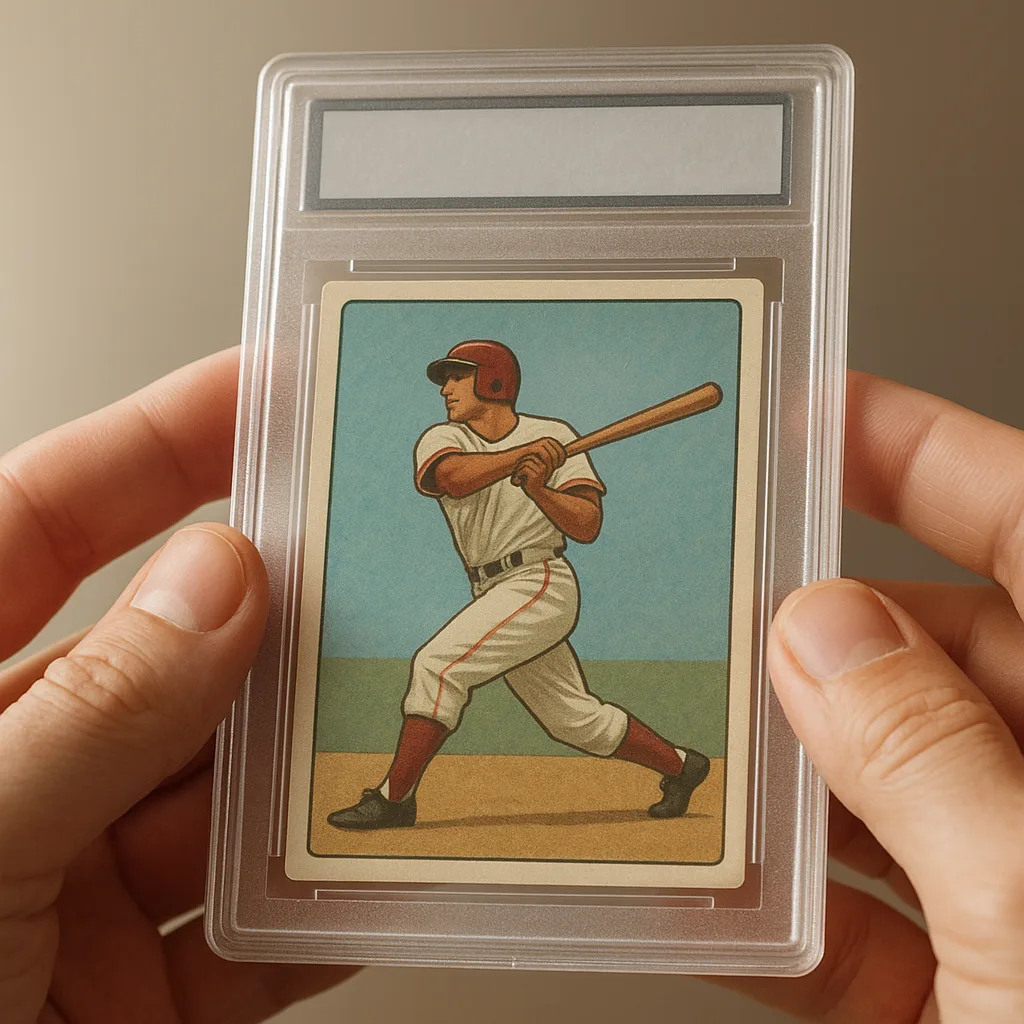
- Use penny sleeves plus top loaders for individual storage; consider magnetic holders or screwdown cases for graded cards.
- Store in a cool, dry place away from direct sunlight to prevent fading and warping.
- Avoid adhesive tapes, lamination, or DIY repairs — these often destroy value.
- For valuable cards, consider insuring them and documenting provenance and grade reports.
Conclusion
Understanding a mickey mantle baseball card means knowing the key issues (like the 1951 Bowman rookie and the 1952 Topps), recognizing originals versus reprints, and appreciating how grading and condition affect value. Use respected price sources and tools — including Orvik to identify cards from photos and get quick market estimates — and always verify with recent sales and grading reports for high-value pieces. With proper care, even a single Mantle can be both a joy to own and a meaningful portfolio piece in the sports-card world.
Work through it yourself
The keys below are free, need no account, and render every entry in the page source — so they work with scripting switched off, and the whole list is readable rather than hidden behind a filter.
- What is the silver in this coin worth? — Melt value for 22 circulating silver and gold coins at any spot price.
- Is this plant poisonous to dogs or cats? — Look up 73 plants and see what each one does to a dog, a cat or a horse.
- What succulent is this? — Growth form, leaf shape and flower narrow 28 succulents.
- CoinSnap alternatives — and why no photo can grade a coin — prices and in-app purchase lists pulled from the App Store, not typed.
- Google Lens alternatives for identifying nature — prices and in-app purchase lists pulled from the App Store, not typed.
Frequently Asked Questions
- Which card is Mickey Mantle's rookie card?
- The 1951 Bowman is commonly regarded as Mickey Mantle's rookie card. The 1952 Topps Mantle is highly iconic and often sought after, but the 1951 Bowman is typically considered the rookie issue.
- How can I tell if my Mantle card is an original or a reprint?
- Check the back design, card stock, printing dot pattern, copyright lines, and manufacturer marks. Compare to trusted reference images and consider a photo ID tool like Orvik to get an initial match.
- Should I submit my Mantle card for grading?
- If the card is a high-value issue in potentially strong condition, grading can increase buyer confidence and value. For low-value or damaged cards, grading may not be cost-effective.
- Where is the best place to check current values?
- Use multiple sources: eBay sold listings, PSA population and auction results, Beckett, CardLadder, and marketplace sites. Orvik can quickly identify a card from a photo and provide a baseline market estimate.
- Are Mantle porcelain cards worth collecting?
- Porcelain/ceramic Mantle items are generally modern novelty or promotional pieces. Their value depends on maker, scarcity, and demand, and they should be treated differently from vintage cardboard issues.
- How much does condition affect value?
- Condition is critical—centering, corners, edges, and surface determine grade and can cause wide swings in value. Even small grade improvements can mean large increases in price for top cards.
- Can Orvik really identify a Mantle card from a photo?
- Yes. Orvik is a free app that identifies sports cards from photos, provides a market-value estimate, and helps you begin tracking your collection—useful as an initial step before deeper research.
- What should I do before selling a high-value Mantle card?
- Get the card authenticated and graded by a reputable service if ungraded, document recent comparable sales, take high-quality photos, and choose a secure sales channel such as a reputable auction house or specialist dealer.