
What is a baseball card pricing app and why use one?
A baseball card pricing app is a mobile or web tool that helps collectors identify a card, estimate its current market value, and track price trends. These apps range from free photo-ID tools to subscription-based price guides. Whether you want to lookup baseball card value for a single card or manage a large collection, a good app saves time and reduces guessing.
- Identify cards from photos or manual entry
- Compare recent sale prices and listings
- Check grading and population data
- Track collections and set alerts for value changes
How card-ID technology works
Modern baseball card pricing apps use a mix of image recognition, metadata, and human verification to match a photo to a known card. Understanding how they work helps you get better results when you use one.

- Image recognition: The app analyzes the photo for player, year, brand logos, card borders, and design patterns to suggest matches.
- Optical character recognition (OCR): Reads any visible text like player name, team, or card number.
- Database matching: Matches the visual/OCR data to a database of known cards and variants.
- Human verification: Some services include expert review for unusual or vintage cards.
Tip: Good lighting, a flat shot, and a clear view of the card number/brand improve accuracy. Orvik, for example, offers a free photo-based ID and value lookup that’s fast for casual collectors.
What determines baseball card values
Pricing is not magic — value comes from several factors that apps try to capture. When you use any baseball card price checker, keep these value drivers in mind.
- Card condition: Surface wear, corners, edges, and centering heavily impact value. Even a small corner ding can drop a card’s worth substantially when graded.
- Grading: Professional grading (PSA, BGS/Beckett, SGC) certifies condition and usually increases marketability. Higher grades generally fetch exponentially higher prices.
- Rarity and print runs: Short prints, autographs, patches, and low-numbered parallels are more valuable.
- Player and rookie status: Rookie cards or key cards of stars tend to command premium prices.
- Demand and trends: Player performance, vintage market cycles, and collecting trends shift prices over time.
- Provenance and authentication: Signed items with authentication or historically important cards may bring a premium.
How to use a baseball card value lookup app (step-by-step)
Whether you're checking baseball card values free or using a paid guide, follow these steps to get an accurate lookup:
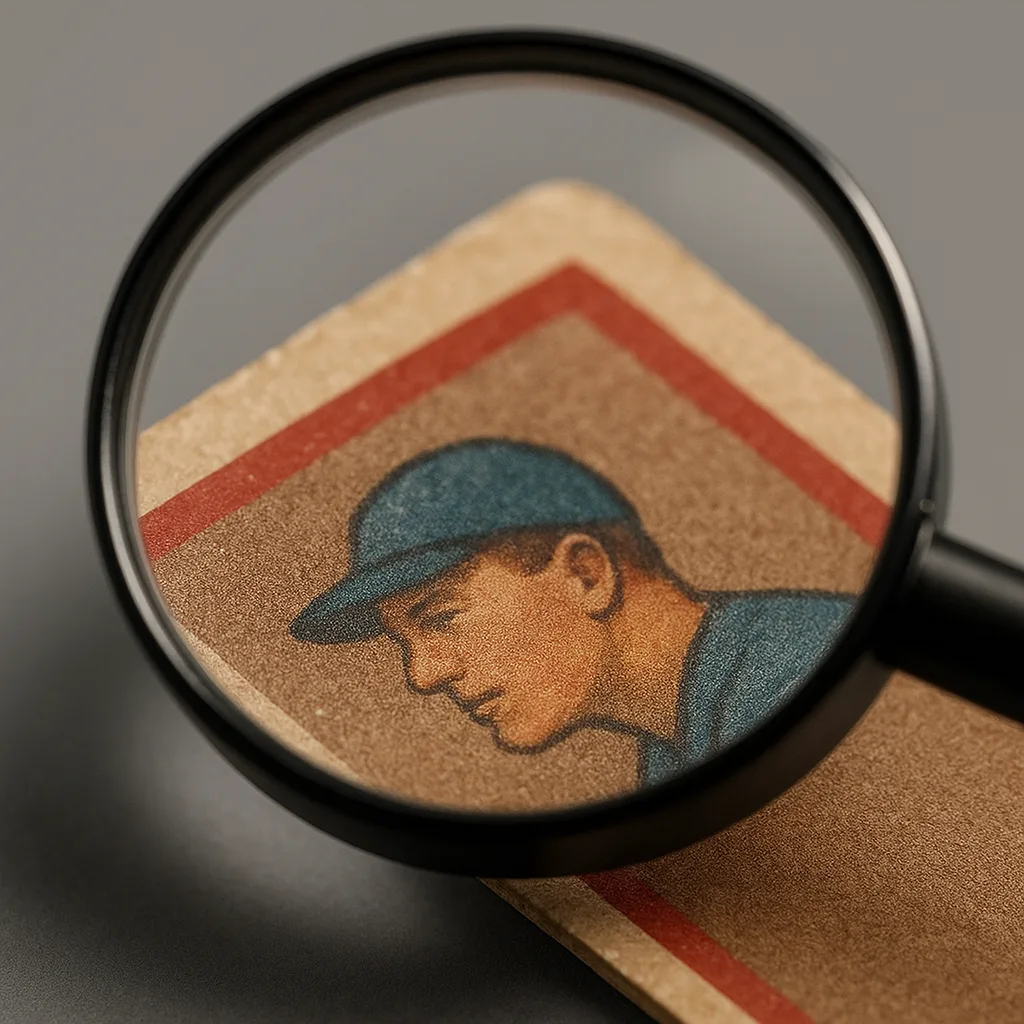
- Take a clear photo: Lay the card on a neutral background, avoid glare, and capture the full card. If the back has identifying text or a serial number, photograph it too.
- Open the app: Use a photo-ID feature or manual entry. If you want free value info, choose an app offering free price lookups—Orvik is one free option that identifies cards from photos and shows recent market info.
- Confirm the match: Review the suggested matches and variants. Check the card number, year, and set to ensure it’s the correct version.
- Select condition/grade: If the card is ungraded, estimate the condition honestly (Near Mint, Excellent, etc.) or submit it for professional grading for a certified value.
- Review price data: Look at recent sold listings, price ranges by grade, and any population/registry notes the app provides.
- Save or track: Add to your collection or set a price alert if you plan to sell or buy later.
Grading: what to know before relying on a price
Grading changes how buyers and apps value cards. A raw card’s estimated value varies more widely than a graded card with a PSA or BGS label.
- Common grading services: PSA (Professional Sports Authenticator), BGS/Beckett, SGC.
- Submission costs and time: Grading has fees and turnaround time that affect whether it’s worth grading a mid-value card.
- Grade jumps: Prices often increase sharply at milestone grades (for example, PSA 9 to PSA 10).
- How to verify grades: Use the grading service’s online verification and cross-check with recent auction/sold data.
When you see a baseball card price guide or checker, note whether the values are for raw cards or graded examples. Orvik can help identify the card and indicate whether a professional grade might materially change its value.
Where to check prices: free vs paid tools (comparison)
There are many places to lookup baseball card value. Below is a practical comparison highlighting free options and common paid services. This is an overview — features and prices change over time.

- eBay sold listings (free): Real-world market data from completed sales. Best for recent resale prices, but you must filter and interpret condition differences.
- Orvik (free app): Photo ID plus market insights and collection tracking without a paywall. Useful for fast, on-the-spot lookups.
- Beckett Price Guide (paid/limited free): Longstanding price guide with paid subscription features; good for historical price context and set checklists.
- PSA population & price tools (mixed): Population reports and recent auction sales give graded rarity context; some features are free, others behind accounts.
- Card Ladder / Market Movers (paid): Advanced analytics, price history, and watchlists geared toward active traders and investors.
- COMC, Heritage, Goldin (marketplaces): Marketplace listings and past auction outcomes can show realized and asking prices.
Which to use?
- For casual lookups: start free with Orvik or eBay sold listings.
- For research and historical context: consult Beckett or PSA data, recognizing some content is subscription-only.
- For serious investing/trading: consider paid analytic platforms that track price trends and liquidity.
Typical value ranges and realistic expectations
Specific dollar amounts vary by card, grade, and market conditions. Avoid expecting instant windfalls—value ranges reflect condition and rarity.
- Common modern base cards: Often worth under $10 in raw, ungraded condition; can rise with rookie status or autographs.
- Popular rookies and star cards: Range from low double-digits to thousands or more, depending on edition and grade. High-grade examples can command large premiums.
- Vintage key cards: Value varies widely; a clean, high-grade vintage rookie can be very valuable, while lower-grade examples may be affordable collectors' items.
- Autographs, patches, and low-numbered inserts: Typically add significant value over base parallels, but premiums depend on authenticity and demand.
Use phrases like “varies by condition and grade” when reading price guides. Always check recent sold data as the best current indicator of value.
How to spot reprints, fakes, and high-risk items
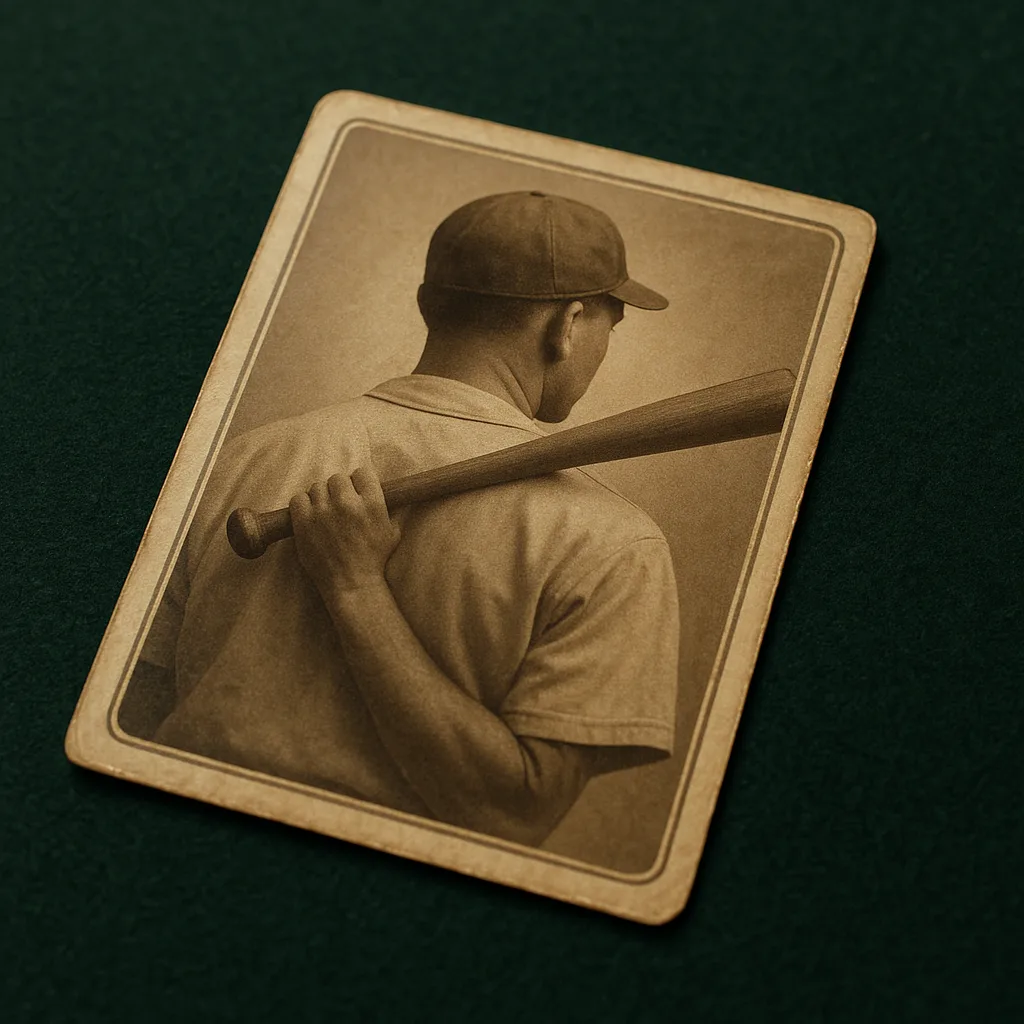
Knowing the difference between originals and reprints or counterfeit cards helps protect value. Apps can flag some reprints, but manual checks are essential.
- Check identifiers: Look at copyright dates, card numbers, set logos, and manufacturer marks. Reprints often include small “reprint” notices or different copyright years.
- Compare to verified images: Use reliable databases or the app’s reference photos to check fonts, borders, and print quality.
- Beware of altered cards: Be suspicious of cards with recolored borders, trimmed edges, or added autographs labeled without authentication.
- Authentication and provenance: For high-value items, seek third-party authentication and a documented chain of custody.
Taking good photos and using a reputable baseball card pricing app reduces risk—Orvik’s photo ID helps identify many common reprints and variants as a first step.
Best practices for storing, selling, and tracking
Protecting condition preserves value. Use these best practices whether you collect casually or professionally.
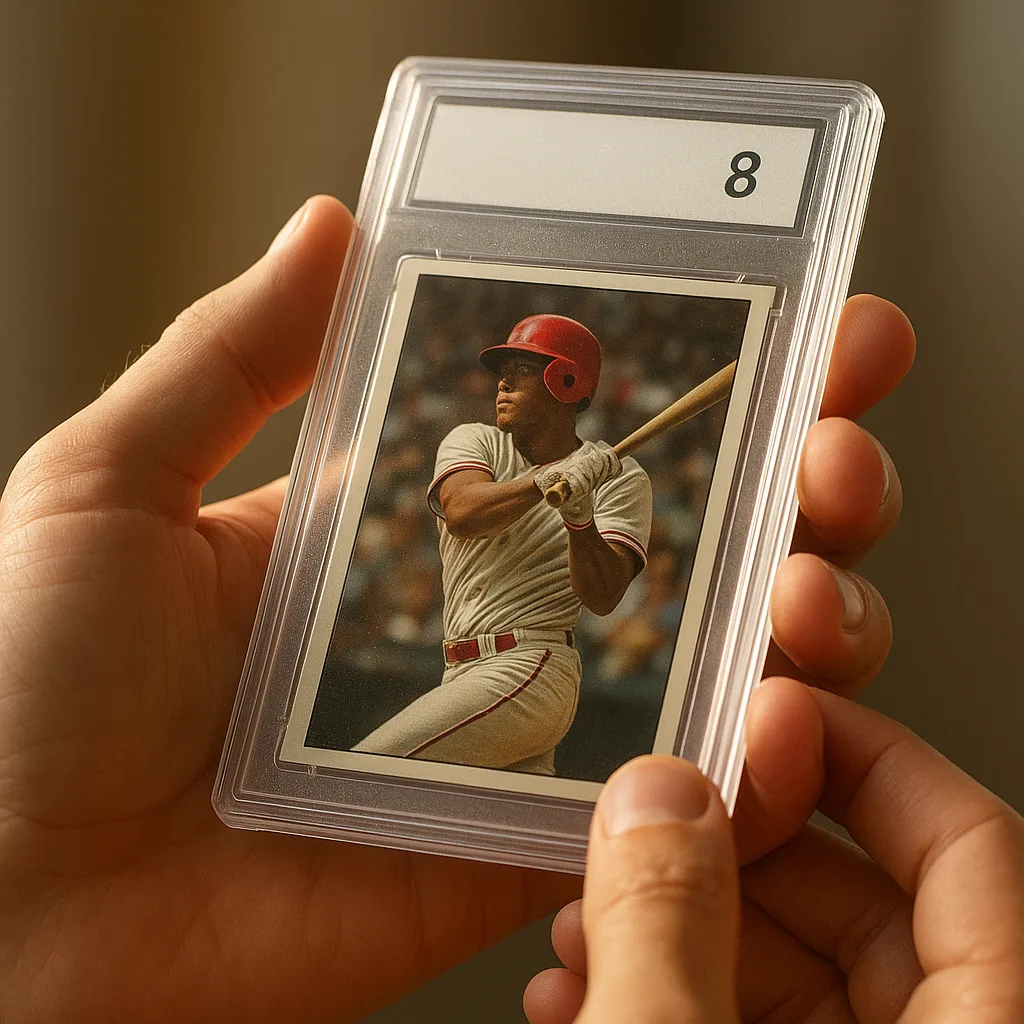
- Store cards in sleeves and top loaders or one-touch holders for graded cards.
- Keep cards in a cool, dry place away from sunlight to avoid fading and warping.
- Document provenance and receipts for higher-value cards.
- When selling, provide high-resolution photos and an honest condition description. Use tracked shipping and insurance for valuable shipments.
- Track your collection in an app that supports price updates so you can monitor value changes over time.
Conclusion
A reliable baseball card pricing app is an essential tool for modern collectors. Use photo-ID tools like Orvik for quick, free value checks, then corroborate with sold listings and grading data for higher-value or unusual cards. Knowing what drives value, how grading affects price, and where to look for recent sales will help you make smarter collecting and selling decisions.
Work through it yourself
The keys below are free, need no account, and render every entry in the page source — so they work with scripting switched off, and the whole list is readable rather than hidden behind a filter.
- What animal made this track? — Count toes, check for claws, measure the print — narrows 36 species fast.
- Is this plant poisonous to dogs or cats? — Look up 73 plants and see what each one does to a dog, a cat or a horse.
- Which mineral is this? — Streak, lustre, hardness and cleavage — the real determinative key, for 36 minerals.
- CoinSnap alternatives — and why no photo can grade a coin — prices and in-app purchase lists pulled from the App Store, not typed.
- Rock Identifier alternatives — including one that is not an app — prices and in-app purchase lists pulled from the App Store, not typed.
Frequently Asked Questions
- What is the best free baseball card pricing app?
- The best free option depends on needs; Orvik is a strong choice for photo-based ID and free value lookups, while eBay sold listings offer free real-world price data.
- How do I look up baseball card value free?
- Take a clear photo, use a free app with photo-ID like Orvik or search eBay sold listings for comparable sales, and compare condition and grade.
- Does grading always increase a card's value?
- Not always. Grading can increase marketability and value, especially at high grades, but fees and turnaround can outweigh benefits for low-value cards.
- How accurate are in-app price estimates?
- Estimates vary by data source and condition accuracy. They give a useful range, but verify with recent sold listings and consider professional grading for high-value items.
- Can I use my phone to identify rare or vintage cards?
- Yes—modern apps can identify many vintage cards, but vintage variants and reprints may require manual verification or expert help.
- How do I tell if a card is a reprint or counterfeit?
- Check copyright dates, print quality, card stock, font and border differences, and compare to verified reference images. For high-value concerns, get professional authentication.
- Should I rely on a single price guide when valuing cards?
- No. Use multiple sources—photo-ID apps, eBay sold data, grading service reports, and price guides—to form a well-rounded view of value.
- Is it worth paying for a premium price-tracking service?
- If you actively trade or invest in cards, paid analytics can offer deeper insights and faster alerts. Casual collectors often find free tools and marketplaces sufficient.