
What are break boxes (box breaks)?
“Break boxes” or “box breaks” is the umbrella term for hobby- and retail-focused ways people open sealed card boxes to reveal the cards inside. A break is usually streamed or posted online so fans can watch live pulls. Participants either buy an entire box, buy shares in a break, or join a group break where a single box (or case) is split among multiple buyers. The excitement comes from the chase for autos, parallels, numbered inserts, and rookie cards.
- Break boxes = opening sealed boxes on camera and distributing the pulls.
- Box break = a single session where one box is opened; group case break = multiple boxes/case opened and distributed.
- Participants can be physical buyers or online bidders/share buyers.
Types of boxes: blaster, hobby, retail, and cases
Not all boxes are the same. Knowing the differences helps set expectations for odds, value, and collectibility.

Blaster box
A blaster box is a retail-format box sold at big-box stores, hobby shops, and online retailers. They are aimed at casual buyers and often include exclusive retail-only parallels or inserts.
- How many packs in a blaster box: typically 6–12 packs depending on the release and brand; commonly you'll see 8 or 10-pack blasters for many modern releases.
- Pack sizes can range (often 4–12 cards per pack) depending on sport and product line.
- Blasters usually have lower odds for big hits than hobby boxes but may include unique retail parallels.
Hobby box
Hobby boxes are made for collectors and hobby shops. They typically have better odds of high-end hits (autographs, numbered inserts, memorabilia swatches) and sometimes more inserts per box.
- Hobby boxes usually contain fewer packs than a case but more valuable content per pack than blasters.
- Often targeted for grading and resale due to the better average content quality.
Hobby case and group case breaks
A hobby case contains several hobby boxes (commonly 6–12 boxes per case), and case breaks open every box in a case. Group case breaks let multiple buyers buy specific teams, player slots, or random spots; the case is opened and hits are distributed based on those assignments.
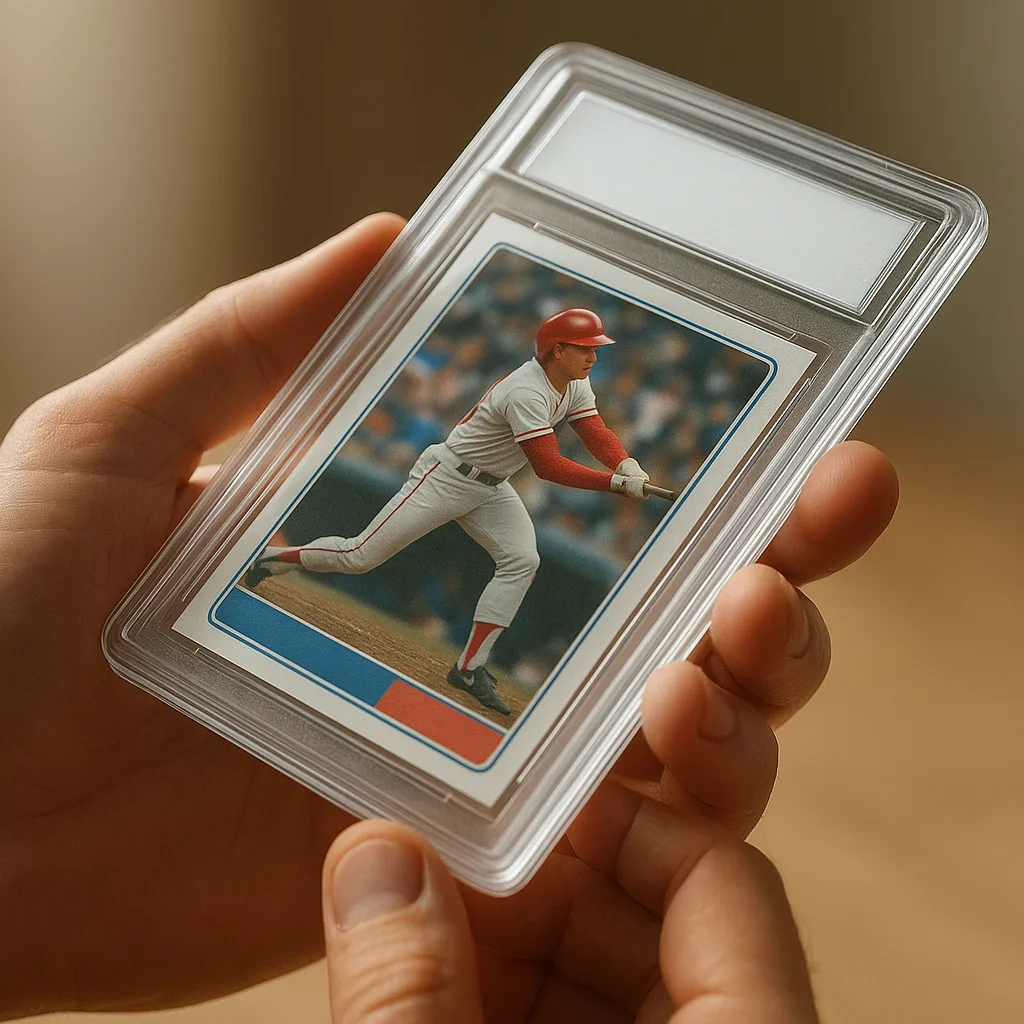
- Group case breaks are popular because they combine economies of scale with fan/team allocation.
- Case hits (rare inserts/auto/one-of-ones) drive much of the excitement and value.
How group breaks and box breaks work (step-by-step)
Joining a break can be simple if you know the standard flow. Most reputable breakers follow a similar sequence.
- Announcement: A breaker posts the product, price per team/slot, and rules.
- Purchase: Buyers select teams or buy random spots. Payment is processed through the breaker’s platform.
- Opening: The breaker opens each pack/box on camera live or records and posts the video.
- Distribution: Cards are assigned to buyers per the posted rules (team allocation, hit charts, or randomizer).
- Shipping/Delivery: Hits are shipped or payments made if cards are sold on the spot.
- Check the breaker’s reputation, shipping policy, and refund rules before buying.
- Many breakers operate via YouTube, Facebook, Discord, or specialized break sites.
What to look for when buying or participating
Evaluate the product, the breaker, and your goals (fun vs investment). Key considerations include authenticity, odds, shipping, and how cards will be graded or sold if high-value hits appear.
- Reputation: Look for reviewers, ratings, and consistent history of fulfilling claims.
- Transparency: Good breakers list their exact rules, hit distribution method, and how they handle duplicates or mistakes.
- Odds & inserts: Know the expected odds for autos, numbered cards, and parallels in the product being broken.
- Costs: Include fees, shipping, and possible grading or processing charges if you plan to grade hits.
Identifying cards, grading, and how to check value
When a card is pulled from a break box, the next steps are identifying the card correctly, assessing condition, and checking market value. That’s where tools and services are essential.
Identifying and authenticating
- Look at set name, year, card number, parallel color, and any serial numbering to identify exact variants.
- For older or vintage issues, check for telltale features of reprints: copyright dates, card stock differences, and manufacturer marks.
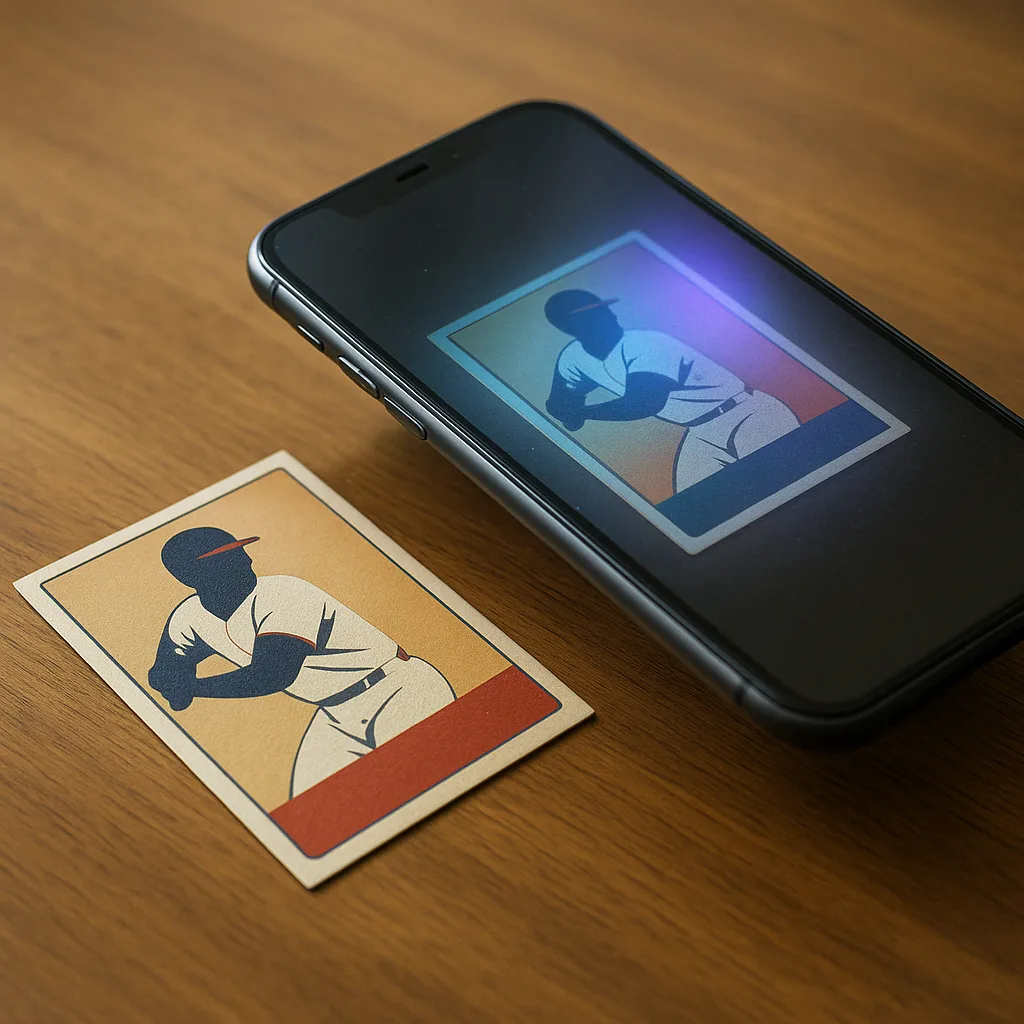
- Use photo-identification tools to speed this up — apps like Orvik can identify a card from a photo and provide quick context on the card’s identity and typical value range.
Grading
- Common grading companies: PSA, BGS/Beckett, SGC. Each has tiered services and turnaround times that affect your costs and timeline.
- Grading is most worthwhile for high-value cards, key rookies, and cards expected to sell at a premium when graded.
- Consider population reports and redemptions: graded population affects scarcity perception but don’t assume graded = profits; condition and market demand matter more.
Checking market value
Never rely on a single source. Cross-check marketplaces and price guides to form a realistic price range.
- eBay completed listings: show real sale prices and give a market snapshot.
- Price guides: Beckett and PSA provide historical and guide prices (often behind paywalls).
- Market aggregators and apps: Orvik can photograph-identify a card and pull recent sale ranges and market context quickly — great when you need a fast estimate before deciding to grade or sell.
Value comparison & price ranges (what to expect)
Value depends heavily on player, rookie status, parallel/numbering, condition, and broader market interest. Here are generalized ranges and comparisons to help set expectations — these are illustrative, not definitive.
- Blaster boxes (retail): Often the least expensive. Typical retail price for modern blaster boxes historically ranges from about $10–$40 at release, depending on brand and sport.
- Hobby boxes: Higher MSRP and better odds for big hits. Hobby boxes can range widely — often $50–$400+ depending on the sport, year, and product tier.
- Hobby cases: Total case cost varies (commonly several hundred to a couple thousand dollars) and is typically broken into team or player slots in group case breaks.
- Group breaks: Price per team/slot varies by demand — popular teams/players cost more. Expect to pay a premium if a product is known for valuable case hits.
When valuing a specific pull, always use recent sales for similar graded condition or raw example: rookies and low-numbered parallels significantly increase the range. The best practice is to use tools for identification and then cross-check 3–5 recent comparable sales.
Practical tips & best practices for participating in breaks
- Join reputable communities: long-standing breakers on YouTube or reputable break sites have accountability and reviews.
- Read rules carefully: understand how hits are assigned, how shipping is handled, and what happens with duplicates.
- Document everything: save screenshots, video links, and receipts in case of disputes.
- Decide grading strategy in advance: will you grade hits or sell raw? Factor grading fees and turnaround into expected profits.
- Use identification tools like Orvik to instantly identify a pulled card and get a quick market range before committing to grading or listing.
Where to go next: tools, marketplaces, and community
To act on a pull from a break box, you’ll want fast ID, price checks, and selling platforms.
- Identification apps: Orvik can identify cards from photos and show typical value ranges — very handy during or immediately after a break.
- Marketplaces: eBay, COMC, and specialized sports-card marketplaces are the go-to places to check completed sales and list cards.
- Grading labs: PSA, Beckett, and SGC for professional authentication and grading.
- Community: Reddit (r/baseballcards, r/basketballcards, etc.), Discord groups, and Facebook breaking groups for tips and second opinions.
Conclusion
Break boxes (box breaks) are a fun way to experience card collecting with the community and can deliver valuable hits, especially in hobby boxes and case breaks. Understand the type of box you’re buying, check the breaker’s reputation, and use identification and pricing tools — like Orvik — to quickly assess pulls. If you chase value, factor grading and market comps into your plan. Above all, participate where rules are clear and sellers are accountable to protect your buying experience.
Work through it yourself
The keys below are free, need no account, and render every entry in the page source — so they work with scripting switched off, and the whole list is readable rather than hidden behind a filter.
- What is the silver in this coin worth? — Melt value for 22 circulating silver and gold coins at any spot price.
- Is this plant poisonous to dogs or cats? — Look up 73 plants and see what each one does to a dog, a cat or a horse.
- What succulent is this? — Growth form, leaf shape and flower narrow 28 succulents.
- CoinSnap alternatives — and why no photo can grade a coin — prices and in-app purchase lists pulled from the App Store, not typed.
- Picture Insect alternatives — two of them are free — prices and in-app purchase lists pulled from the App Store, not typed.
Frequently Asked Questions
- What is a blaster box?
- A blaster box is a retail-format box sold at big-box stores and online retailers. It usually contains fewer or different packs than hobby boxes and often includes retail-exclusive parallels. Pack counts typically range from about 6–12 packs depending on the release.
- How many packs are in a blaster box?
- It varies by product and year, but most modern blaster boxes contain roughly 6–12 packs, with 8 or 10 packs being common for many releases. Check the product’s box details for the exact count.
- What is the difference between a hobby box and a blaster box?
- Hobby boxes are designed for collectors, tend to have better odds for autographs, numbered inserts, and premium content. Blaster boxes are retail-targeted, typically less expensive, and may feature retail-only parallels but generally have lower odds for high-end hits.
- Are group breaks safe to join?
- Group breaks can be safe if you use reputable breakers with transparent rules, clear shipping policies, and positive track records. Research reviews, ask for proof of prior breaks, and keep documentation of your purchase.
- Should I grade a card pulled from a break box?
- Grade high-value cards (key rookies, low-numbered parallels, or auto/memorabilia cards) if the potential graded sale justifies grading fees. Use identification tools like Orvik to confirm card details and compare recent sales before deciding.
- Where can I check how much a pulled card is worth?
- Cross-check completed sales on eBay, consult price guides (Beckett, PSA), and use identification/valuation apps like Orvik to get a quick market range and recent sale examples.
- What is a case break?
- A case break opens an entire case (multiple hobby boxes) and distributes hits by assigned teams or slots. Case breaks often yield the rarest 'case hits' and are popular when collectors want a shot at top-tier cards without buying a full case.
- How do breakers distribute hits in group breaks?
- Distribution methods vary: by team assignment, randomizer, hit chart, or auction for specific hits post-break. Always review the breaker’s stated method before buying a slot.