
Introduction: Why the Honus Wagner Card Matters
The name honus wagner baseball card immediately evokes rarity, high-value collecting, and one of the most famous stories in the hobby. Most collectors mean the T206 honus wagner, a tobacco-era card issued over a century ago that has become the poster child for scarce vintage baseball cards. This guide explains what that card is, how to identify an original, how grading affects value, where to check prices, and how tools such as Orvik can help you identify and track cards from a photo.
What Is the T206 Honus Wagner?
The T206 series was produced by the American Tobacco Company from about 1909 to 1911 and included hundreds of player images across many tobacco brand backs. The honus wagner t206 card features Hall of Famer Honus Wagner and is notable because relatively few originals survive compared with other T206 cards.
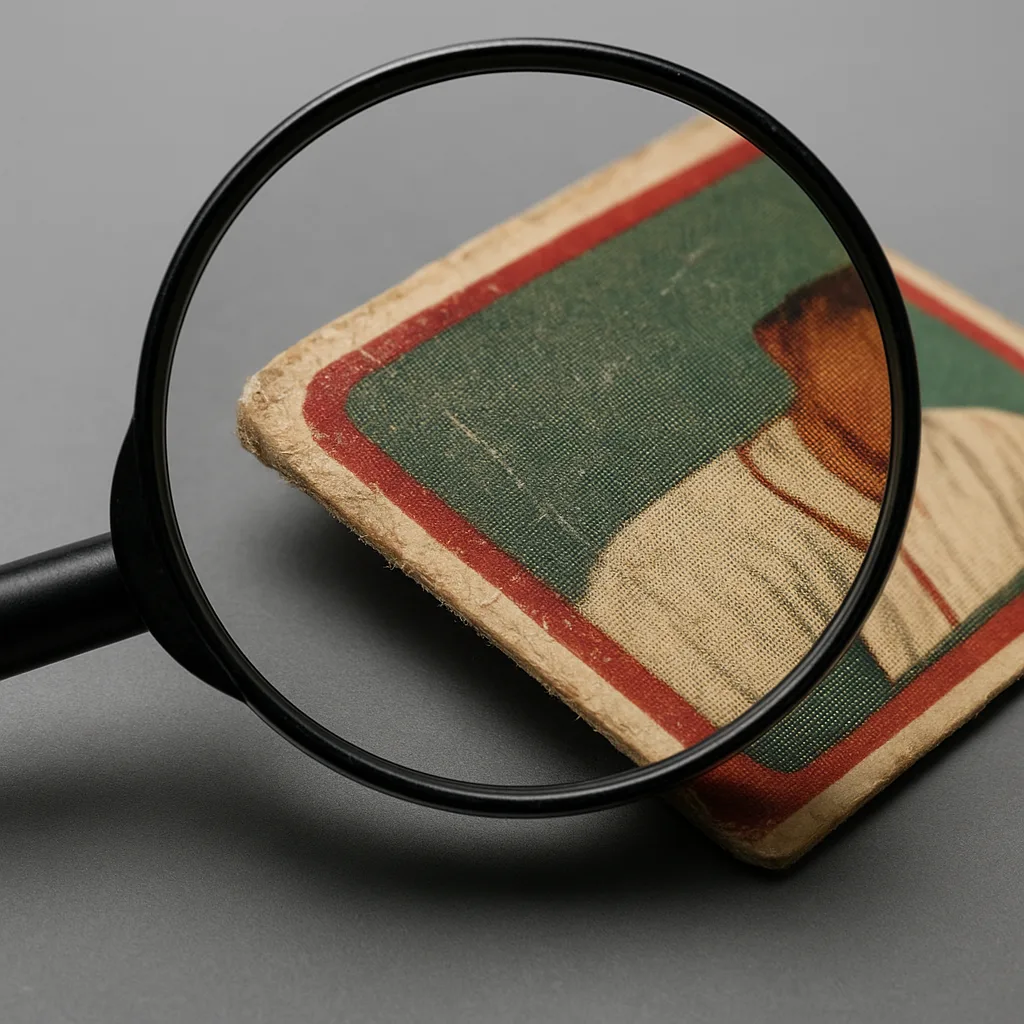
Key things to know
- The card is part of the T206 tobacco set, often called the "white border" set by collectors.
- T206 cards are small, lithographed portraits printed on thin card stock with colorful fronts and advertising backs tied to specific tobacco brands.
- The Wagner example is rare in original form and has been the subject of intense study, auctions, and provenance research for decades.
How to Identify an Authentic Honus Wagner Card
Identifying an original T206 honus wagner requires careful inspection. Use a combination of visual checks, knowledge of period printing and paper, and—when in doubt—professional authentication. Below are the main visual and physical cues collectors examine.
Front and printing details
- Print technique: T206 fronts are lithographs. Look for the texture and dot patterns typical of lithography rather than modern printing or laser/inkjet dot patterns.
- Color palette and registration: Colors should align in ways consistent with early 20th-century chromolithography. Misregistration or overly bright modern inks may indicate a reprint.
- Border and size: T206 cards follow a small, roughly 1.4 x 2.5 inch size. Measure the card and compare to a known T206 sample.
Back and brand advertising
- T206 backs bear tobacco brand advertisements. Condition and printing style of the back are important for identification.
- Multiple back brands exist across T206; different backs can affect rarity and desirability.
Paper, perforations, and wear
- Original T206 paper is thin and shows age-appropriate patina; modern white, rigid, or chalky stock may indicate a reprint.
- Look at the card edges and corners; consistent wear over the card (not just artificially abraded areas) suggests genuine age.
- Residue, glue, or backing can be a sign of alteration or restoration.
Reprints, Forgeries, and How to Tell Them Apart
Because of its fame, the honus wagner card is heavily reproduced and sometimes forged. Understanding common differences helps you separate reproductions from original T206 pieces.
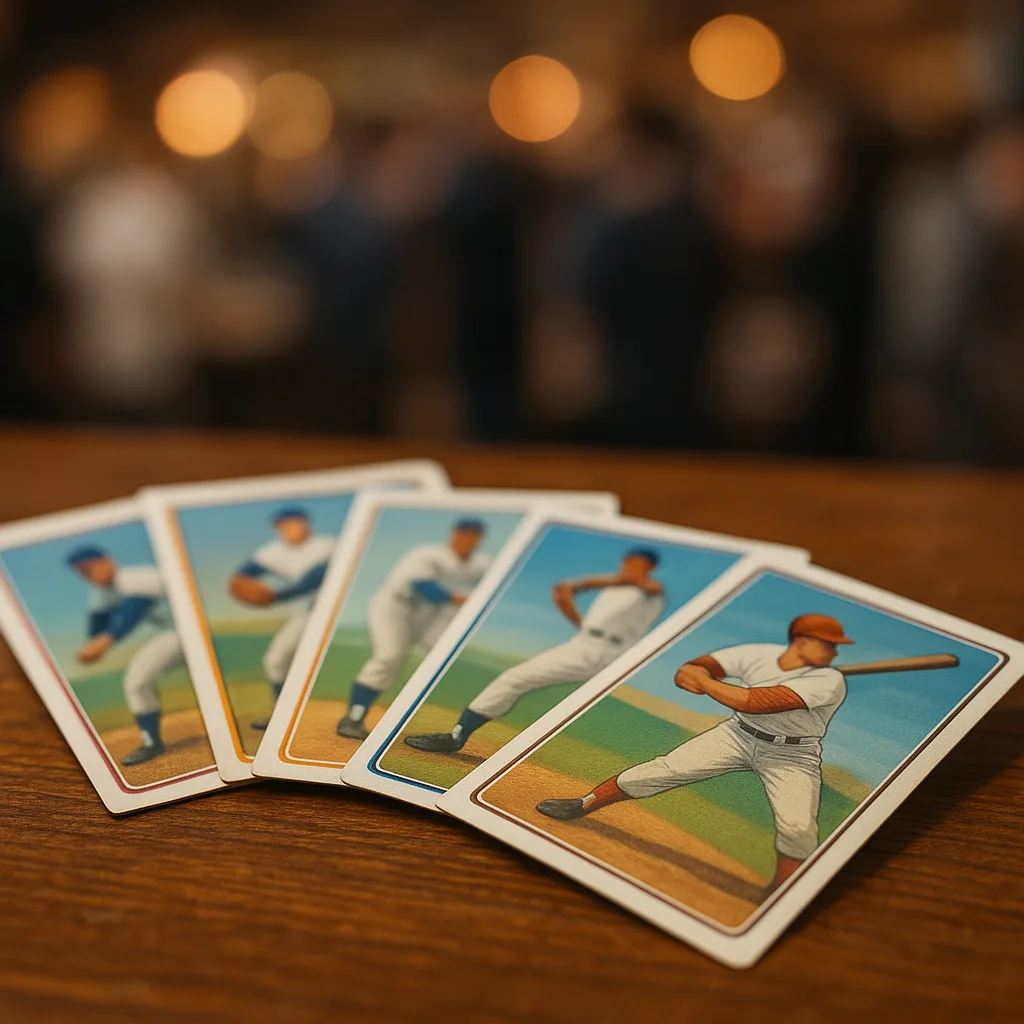
Common red flags
- Perfect corners and a pristine back for a 110-year-old tobacco card—unlikely unless it is a modern reprint.
- Modern printing artifacts such as inkjet banding, flat colors, or perfect registration not consistent with lithographic methods.
- Incorrect dimensions, heavyweight cardstock, or different paper texture than known T206s.
- Back advertising fonts or wording that differ from period originals.
Tools and services to confirm authenticity
- Third-party grading and authentication services such as PSA, SGC, and Beckett provide expert opinions and encapsulation.
- Use high-resolution scans or macro photos to inspect dot patterns and paper fibers.
- Compare to reliable reference images and population reports. Apps like Orvik can quickly identify a card from a photo and show comparable market data to help spot obvious reprints.
Grading Explained: PSA 10 and Why It Matters
Grading firms assign numeric grades that have major influence on the card's market. When collectors refer to a honus wagner psa 10, they mean a copy that has been authenticated and graded Gem Mint 10 by PSA, indicating exceptional condition. A PSA 10 example of such an old tobacco card is extremely rare.
What graders look at
- Surface condition: stains, creases, or print loss can lower a grade.
- Edges and corners: sharp corners and intact edges are critical for top grades.
- Centering and registration: front centering affects grade tiers, though older cards often have looser centering tolerances than modern issues.
- Authenticity: any evidence of alteration, trimming, or pressing will impact both grade and market trust.
Other reputable grading services
- SGC (Sportscard Guaranty) — strong reputation in vintage cards.
- Beckett Grading Services (BGS) — widely used for modern and vintage cards.
- PSA remains the most commonly referenced population registry for high-profile vintage pieces.
Value Ranges & Price Comparison (What to Expect)
Exact values change constantly and depend on provenance, grade, and market context. Below are conservative, hedged guidelines to help understand relative value ranges without stating current sale prices as absolute facts.
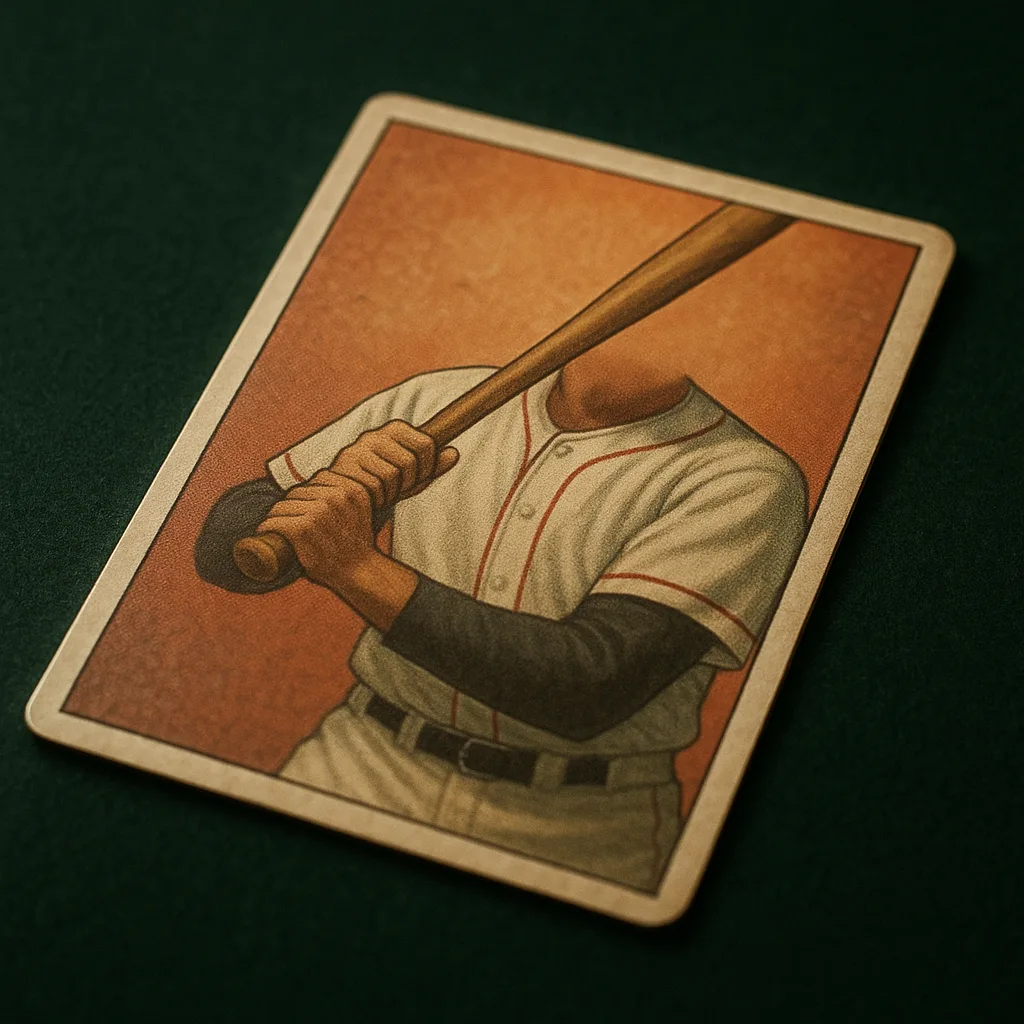
Rough value tiers (varies by grade and provenance)
- Well-worn, low-grade examples: still collectible but generally worth significantly less than mid-grade counterparts; value varies by condition and back type.
- Mid-grade examples: considerably more desirable; condition improvements can multiply value.
- High-grade (e.g., PSA 8–9): extremely rare for T206 Wagner and command very strong market interest.
- Top-graded PSA 10 and exceptional provenance copies: the most valuable and subject to dramatic price premiums; ranges span from high six-figure territory into the millions depending on specific sales and market climate.
Keep in mind:
- Different T206 back brands and subtle variations can push a card into a higher or lower scarcity bucket.
- Provenance (ownership history) can influence buyer confidence and final price.
- Auction dynamics and collector demand fluctuate; consult recent auction results and price guides for the latest trends rather than relying on static figures.
Where to Check Prices and Authenticate
When you want to check the market or confirm authenticity, use multiple reliable sources. Cross-checking reduces risk and gives a clearer picture of value.
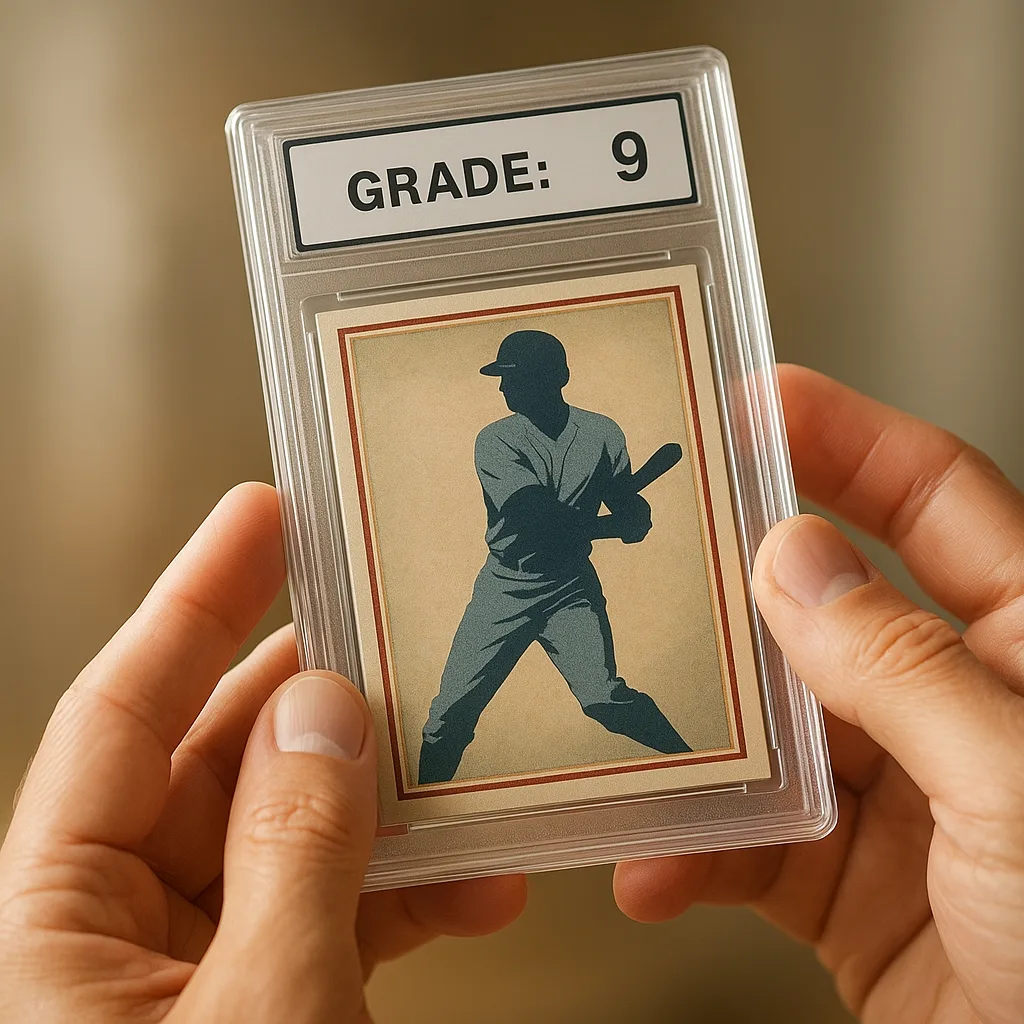
Trusted places to research and sell
- Major auction houses that specialize in sports memorabilia — good for high-value, well-documented pieces.
- Reputable dealers with track records in vintage tobacco cards.
- Third-party grading population reports from PSA, SGC, and Beckett for rarity context.
- Online marketplaces and completed auction records to see realized prices, but treat listing prices with caution.
Digital tools and apps
- Orvik — a free app that identifies a sports card from a photo, provides market-value estimates, and helps track collections. It can be a fast first step to spot-check your honus wagner or compare similar sales.
- Price guides and historical sale databases — consult multiple sources for trends rather than a single figure.
- Community resources — trusted collector forums and reference books on T206 can add nuance to technical identification questions.
Buying, Selling, and Caring for a T206 Honus Wagner
If you own or are considering buying a honus wagner card, follow best practices to protect value and avoid common pitfalls.
Buying tips
- Ask for provenance and any prior authentication/grading records.
- Request high-resolution front and back images and, if possible, oblique lighting to show surface texture.
- Prefer cards already graded by a reputable third-party service for high-value purchases.
Selling tips
- Get professional authentication and a grade if you expect the card to command high value.
- Choose an appropriate venue — established auction houses reach deep vintage-buying audiences.
- Provide full disclosure about condition, any restoration, and prior ownership.
Storage and conservation
- Store cards in acid-free sleeves or archival holders; avoid PVC plastics and direct sunlight.
- Maintain stable temperature and humidity; fluctuations can damage paper fibers and inks.
- Limit handling; use gloves if needed and handle edges rather than the face.
Using Orvik and Other Tools to Verify and Track Your Card
Apps can speed initial identification. Orvik lets you take a photo and get instant identification and comparable market data, which is useful for quick checks, collection tracking, and preliminary valuation. Combine app results with hands-on inspection and, when necessary, professional authentication.
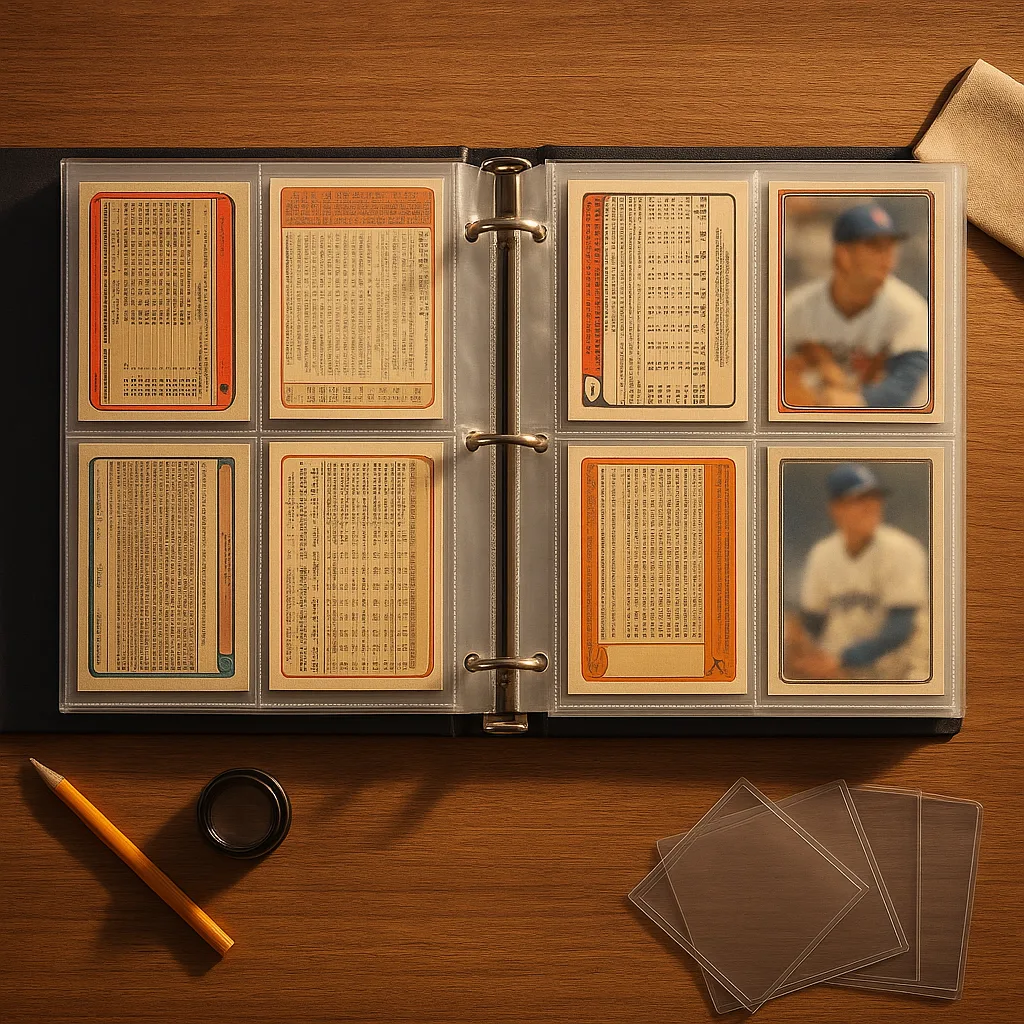
Workflow recommendation
- Take good-quality photos of both front and back in natural, even light.
- Use Orvik to get an initial ID and see recent comparable listings or sales trends.
- If the card appears original and valuable, submit it to a third-party grading company for definitive authentication.
Conclusion
The T206 honus wagner is one of the most iconic and complex cards to study. Identification hinges on print, paper, and back details; values depend heavily on grade and provenance; and the market is best navigated with multiple sources of information. Use tools like Orvik for fast photo-based ID and market context, then confirm with grading experts where value or uncertainty is high. Careful inspection, trusted authentication, and proper storage will help protect any T206 Wagner you encounter.
Work through it yourself
The keys below are free, need no account, and render every entry in the page source — so they work with scripting switched off, and the whole list is readable rather than hidden behind a filter.
- What is the silver in this coin worth? — Melt value for 22 circulating silver and gold coins at any spot price.
- What animal made this track? — Count toes, check for claws, measure the print — narrows 36 species fast.
- Is this plant poisonous to dogs or cats? — Look up 73 plants and see what each one does to a dog, a cat or a horse.
- CoinSnap alternatives — and why no photo can grade a coin — prices and in-app purchase lists pulled from the App Store, not typed.
- Merlin or eBird: which Cornell app do you actually need? — prices and in-app purchase lists pulled from the App Store, not typed.
Frequently Asked Questions
- What exactly is the T206 Honus Wagner?
- The T206 Honus Wagner is a tobacco-era baseball card issued around 1909–1911 as part of the T206 series by the American Tobacco Company, famous for its rarity and collectible value.
- How can I tell if my Honus Wagner card is original?
- Check lithographic printing characteristics, paper thickness and texture, correct T206 dimensions, and period advertising on the back. For high-value cards, seek third-party authentication from PSA, SGC, or Beckett.
- Are there lots of reprints or forgeries?
- Yes. The card is heavily reproduced. Modern printing artifacts, incorrect paper, and inconsistent back advertising are common signs of reprints or fakes.
- What does 'PSA 10' mean for a T206 Honus Wagner?
- PSA 10 denotes Gem Mint condition by PSA. For a T206 Honus Wagner, a PSA 10 is extremely rare and commands a significant premium; authenticity and condition are both critical.
- How much is a Honus Wagner card worth?
- Values vary widely by grade, back type, and provenance. Rough ranges span from lower amounts for well-worn examples to very large sums for top-graded specimens. Consult recent auction results, price guides, and tools like Orvik for up-to-date comparisons.
- Can I use an app to identify my card?
- Yes. Apps like Orvik can identify cards from photos, provide comparable market data, and help track collections. Use them as a first step, then confirm with professional services for valuable pieces.
- Should I get a T206 Honus Wagner graded?
- If the card shows signs of authenticity and you expect it may be valuable, professional grading and encapsulation adds trust and typically helps when selling or insuring the card.
- How should I store a rare vintage card?
- Use archival, acid-free holders, avoid direct light, maintain stable temperature and humidity, and minimize handling to preserve condition and value.