
Collecting sports cards can be rewarding — emotionally and financially — but knowing what a card is worth means using a reliable PSA price guide and proven market tools. This guide explains what PSA price guides are, how PSA grading affects value (especially PSA 10 cards), step-by-step value lookup methods, where to check real sales, and practical tips to get accurate pricing.
What is the PSA price guide and why it matters
A PSA price guide is a resource that helps collectors estimate a card's market value based on grade, player, set, and recent sales. "PSA" refers to Professional Sports Authenticator, the dominant third-party grader in the hobby. Grading gives cards a standardized condition rating; that grade is a major factor in pricing.
- Purpose: provide price ranges, track trends, and help buyers and sellers agree on value.
- Types: official PSA tools, third-party price guides, marketplace completed-sales databases, and community price charts.
- Limitation: any price guide is a snapshot — true market value depends on recent sales, rarity, and demand.
How PSA grading works (and why grade matters)
PSA assigns grades on a 1–10 scale after evaluating a card’s centering, corners, edges, and surface. Higher grades generally command higher prices — sometimes exponentially so.
Key grading factors
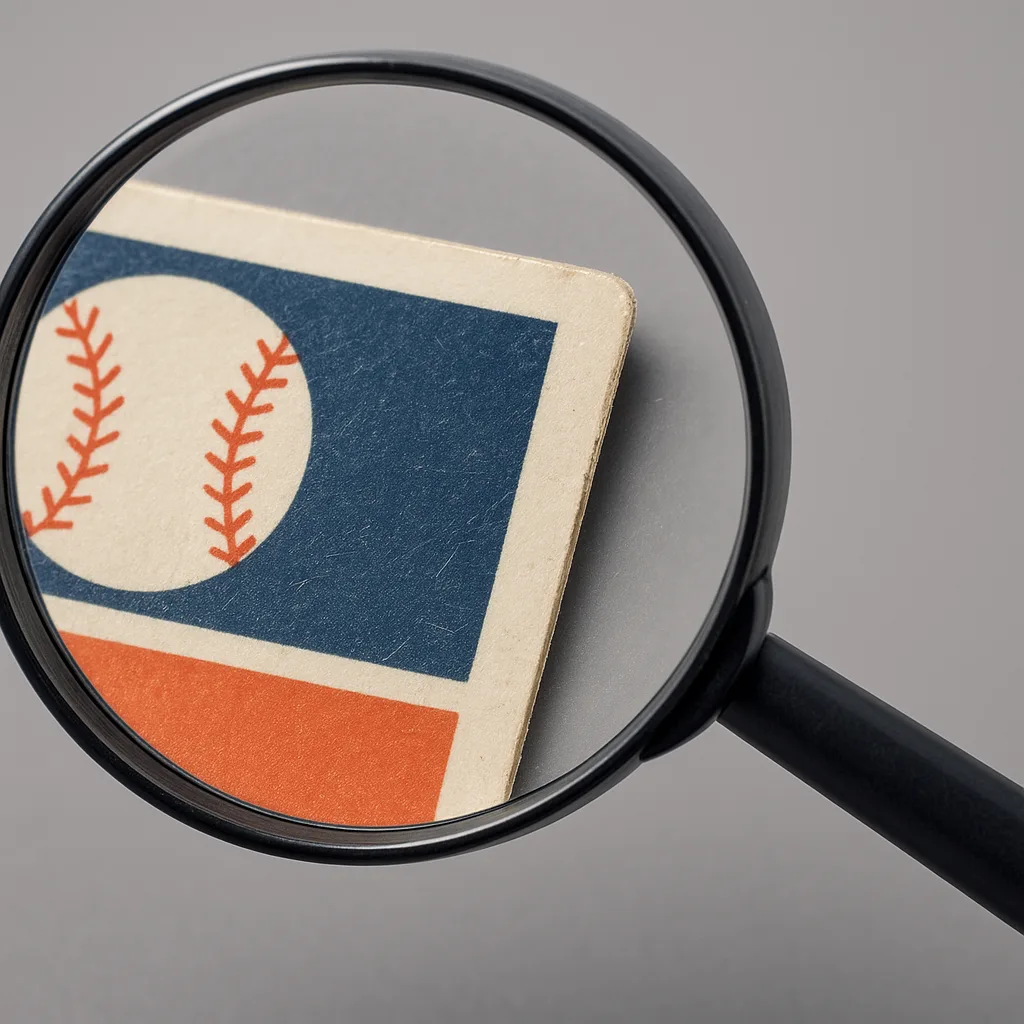
- Centering: how even the image is within the card borders.
- Corners: sharp, undamaged corners score higher.
- Edges: clean, unchipped edges improve the grade.
- Surface: scratches, print defects, or staining lower the score.
Why PSA 10 card status is special
A PSA 10 (Gem Mint) is the top numeric grade and often the most valuable. For modern premium rookies and short-print parallels, a PSA10 can be worth many times the value of a PSA 9 or PSA 8. That makes identifying true PSA10 candidates — and accurate grading — important for collectors and sellers.
How to see a card's PSA value: step-by-step
Follow these steps to get a realistic value estimate using a PSA price guide and market tools:
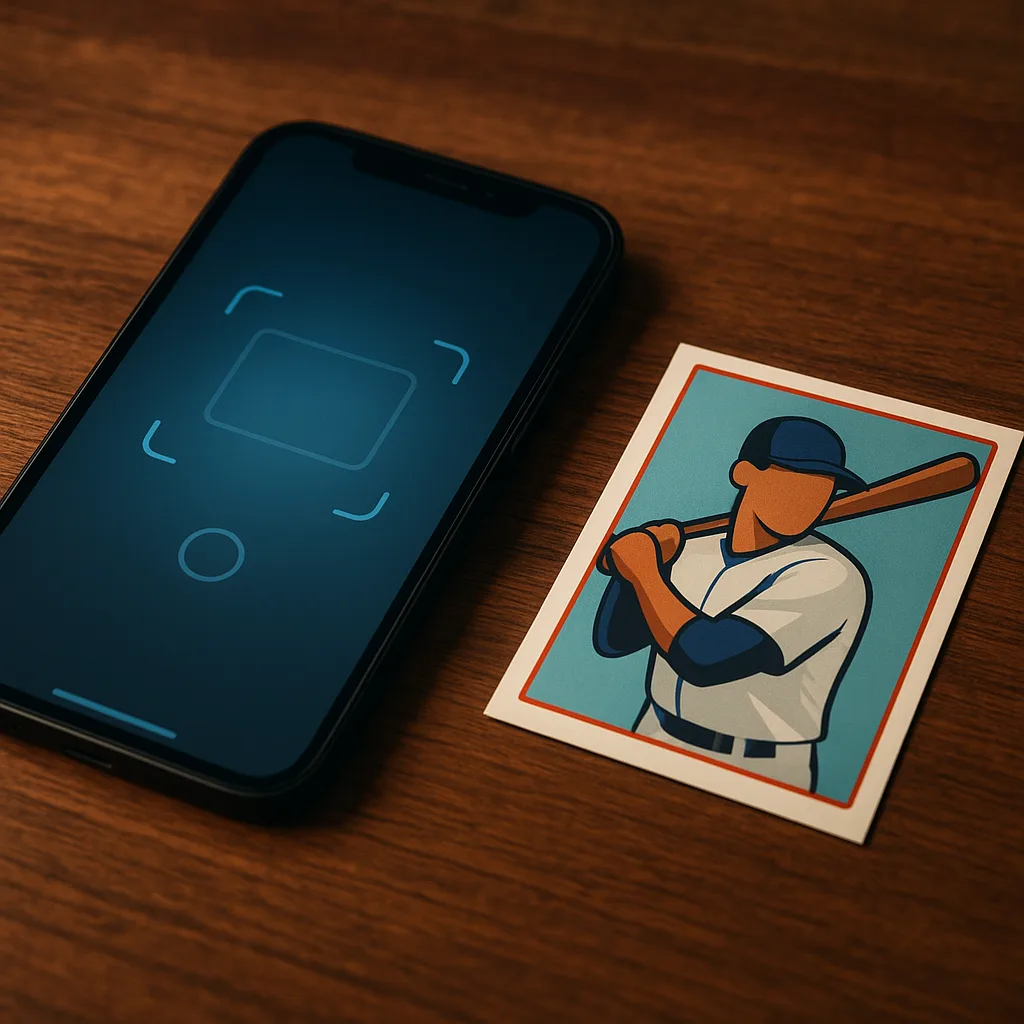
- Identify the card exactly. Note the player, year, set, card number, parallel/insert type, and any rookie designation. Use clear photos or apps (Orvik can identify a card from a photo and point you toward comparable listings).
- Determine the card’s variant. Variations (refractors, short prints, factory parallels, refractive finishes) change value dramatically.
- Check if it’s already graded. A PSA slab has a label with grade and certification number. Verify the cert number on PSA’s website to confirm authenticity.
- Use a PSA price guide and recent sales. Look up recent completed sales on eBay, PWCC, Heritage, and CardLadder. Compare PSA price guide ranges and filter by the same grade and card variant.
- Consider population and demand. Use PSA’s population report (for graded supply) and check hobby interest (search forums, social media, and demand for the player).
- Adjust for timing and fees. Account for seller fees, shipping, and market volatility — the price guide is pre-fee; final sale prices may be lower.
Best sites and apps to check PSA card values
Many tools provide value estimates; use multiple sources to triangulate a realistic price.
- PSA Population & Price Tools — Official resources include the PSA Population Report and PSA Price Guide for graded cards. Use them to verify certification numbers and see graded quantity.
- eBay Completed Listings — One of the best real-world indicators; filter sold/completed items by the exact grade and variation.
- CardLadder — Tracks price history for thousands of cards and offers heat maps of market movement.
- Marketplaces (PWCC, Heritage Auctions) — Auction houses and consignors provide realized sales data for high-end cards.
- Beckett — Longtime price guide offering both print and online services for set and graded values (subscription-based tools available).
- Orvik — A free app that identifies cards from photos and helps you check market value and track collections. Orvik is a quick way to get an initial PSA card value lookup and see comparable listings.
- Forums & Social Media — Vintage or niche-card prices are often discussed in hobby communities where collectors share recent sales and insights.
PSA card values: ranges and comparison guidance
Values vary by player, era, rarity, and grade. Use these broad comparisons to understand how a PSA price guide translates to real money.
- Modern base cards: Most modern common base cards in high grades sell for single-digit to low-hundreds of dollars. A PSA10 boosts desirability, but most base modern PSA10s remain affordable unless tied to a superstar rookie.
- High-end modern rookies: Premium superstar rookies in PSA10 can range from several hundred to many thousands or more, depending on player fame and scarcity of PSA10s.
- Short prints and parallels: Limited-run refractors or numbered parallels in PSA10 often carry substantial premiums relative to base copies.
- Vintage cards: High-grade vintage cards (PSA 8–10) can be exponentially more valuable than lower grades — often thousands to millions for iconic stars. Mid-grade vintage examples commonly sell for much less but still can be highly collectible.
- PSA10 multipliers: A PSA10 frequently fetches multiple times the price of PSA9; the multiplier depends on player, card scarcity, and buyer demand — sometimes 2x–50x or more for top rookies and iconic cards.
Example comparison (illustrative, not current market facts):
- A modern superstar rookie: PSA6 = modest hundreds; PSA9 = low thousands; PSA10 = multiple thousands to tens of thousands.
- A common modern card: PSA8–PSA10 differences may be modest (single- to low-double-digit percent changes) unless it’s a key rookie or short print.
How to tell reprints, reissues, and fakes
Reprints and modern reissues can look like originals but usually sell for much less. Use these checks when using any PSA card pricing guide:
- Check copyright dates and microprint details on the card front/back.
- Compare the card’s card number, manufacturer logo, and set checklist to a trusted database or price guide.
- Use PSA cert verification for graded cards to ensure the slab and label match PSA’s records.
- For raw cards, compare thickness, gloss, and print quality against known originals — consult hobby forums for known reprints.
Common pitfalls when using PSA price guides (and how to avoid them)
- Relying on asking prices. Listings show what sellers want, not what buyers paid. Always look at completed sales.
- Comparing different variants. Don’t compare a base card to a refractor or numbered parallel — they’re priced differently.
- Ignoring grade verification. Don’t assume a slabbed card is authentic without checking the PSA cert number online.
- Forgetting fees and shipping. Net proceeds differ from final sale price — factor marketplace and seller fees.
- Using outdated price guides. The market moves; ensure your source is updated regularly or cross-check with recent sales.
Tips to increase value and when to sell
To maximize value using PSA grading and price guides:
- Submit only high-quality candidates to PSA: centered, sharp corners, clean surfaces. Poor examples rarely grade high enough to justify submission fees.
- Store raw cards in penny sleeves, top loaders, and a rigid box to preserve condition prior to grading.
- Time sales with demand: sell high during peak interest (player anniversaries, Hall of Fame inductions, playoff runs) but avoid panic selling during market dips.
- Use multiple platforms: list on eBay, graded-specialty marketplaces, and consider consignment houses for ultra-high-end cards.
- Keep records: use apps like Orvik to track what you own, past sale prices, and alerts for market movements.
Conclusion
A PSA price guide is an essential tool for every serious collector, but it’s most powerful when used alongside recent sales data, population reports, and identification tools. Start by accurately identifying your card (try Orvik for quick photo-based ID), verify grading and certification, then cross-check multiple price sources before setting or accepting a price. With these steps you’ll get a realistic sense of value and make smarter buying and selling decisions.
Work through it yourself
The keys below are free, need no account, and render every entry in the page source — so they work with scripting switched off, and the whole list is readable rather than hidden behind a filter.
- What is the silver in this coin worth? — Melt value for 22 circulating silver and gold coins at any spot price.
- What animal made this track? — Count toes, check for claws, measure the print — narrows 36 species fast.
- How old is this tree? — Wrap a tape round the trunk and get the age the way an arborist does.
- CoinSnap alternatives — and why no photo can grade a coin — prices and in-app purchase lists pulled from the App Store, not typed.
- Rock Identifier alternatives — including one that is not an app — prices and in-app purchase lists pulled from the App Store, not typed.
Frequently Asked Questions
- What does "PSA price guide" mean?
- A PSA price guide estimates the market value of graded cards based on grade, player, set, and recent sales. It’s a reference to help buyers and sellers set prices.
- How much is a PSA 10 card worth?
- Value varies widely: a PSA 10 can be only slightly more than lower grades for common cards, or many times more for superstar rookies and scarce parallels. Always check recent sales and population data.
- How do I check a card’s PSA value online?
- Identify the exact card and variant, verify the PSA cert number if graded, then check PSA’s population/price tools, eBay completed listings, auction houses, and apps like CardLadder or Orvik to compare sales.
- Can I rely on a single price guide?
- No. Use multiple sources and recent completed sales. Price guides are helpful but can lag behind market changes and don’t account for fees or timing.
- How can Orvik help with PSA card value lookup?
- Orvik helps identify cards from photos, suggests likely card details, and points to comparable listings so you can quickly start a PSA card value lookup and track items in your collection.
- Are reprints and reissues included in PSA price guides?
- Not usually; reprints and reissues are separate variants and typically have different, much lower values. Always confirm the card’s year, set code, and printing details.
- Should I grade every card?
- Not necessarily. Grade cards that are likely to upgrade to a much higher value at a premium grade (e.g., key rookies, low-population parallels). For commons and low-value cards, submission costs may outweigh benefits.
- Where can I find recent PSA sale prices?
- Check eBay completed listings, PWCC, Heritage Auctions, CardLadder, and PSA’s own resources. Use those realized-sale records to get the most accurate current price estimate.